Program
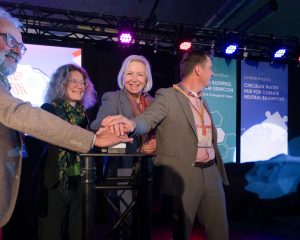
- Opening ceremony
- Welcome by President TU/e Robert-Jan Smits
- Speech Wopke Hoekstra European commissioner for climate action\
- Reaction Heleen de Coninck (TU/e) and Ingrid Thijssen (VNO NCW)
- Short intermezzo
- Panel discussion on the TU/e green growth start-up community
- Short intermezzo
- Formal Opening Academic Year by rector-magnificus Silvia Lenaert
Celebrating five years of Eindhoven Engine
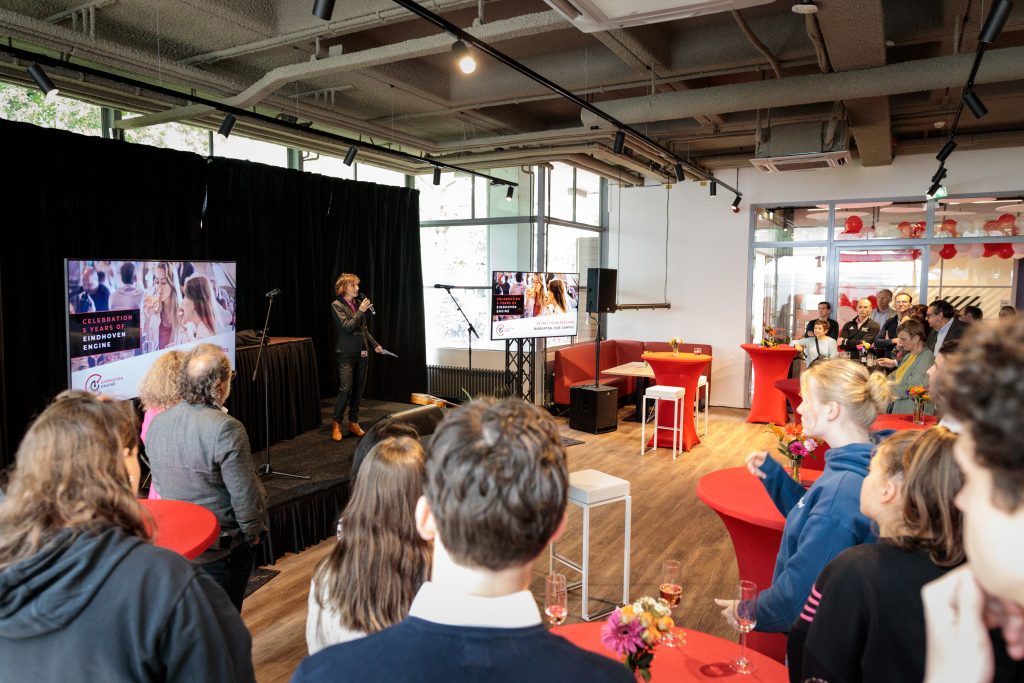
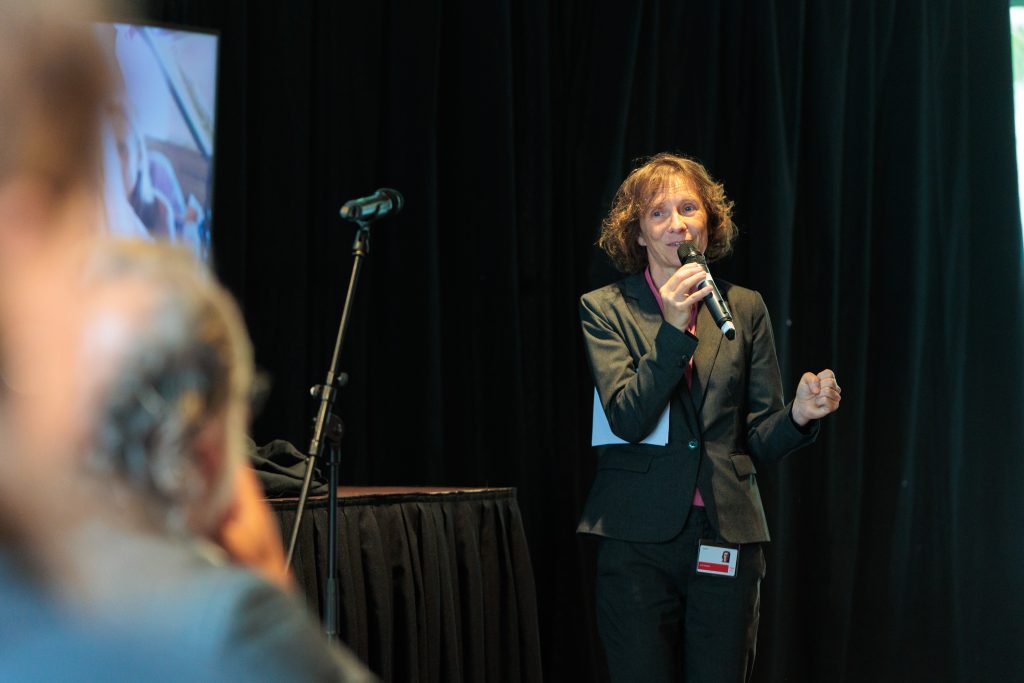
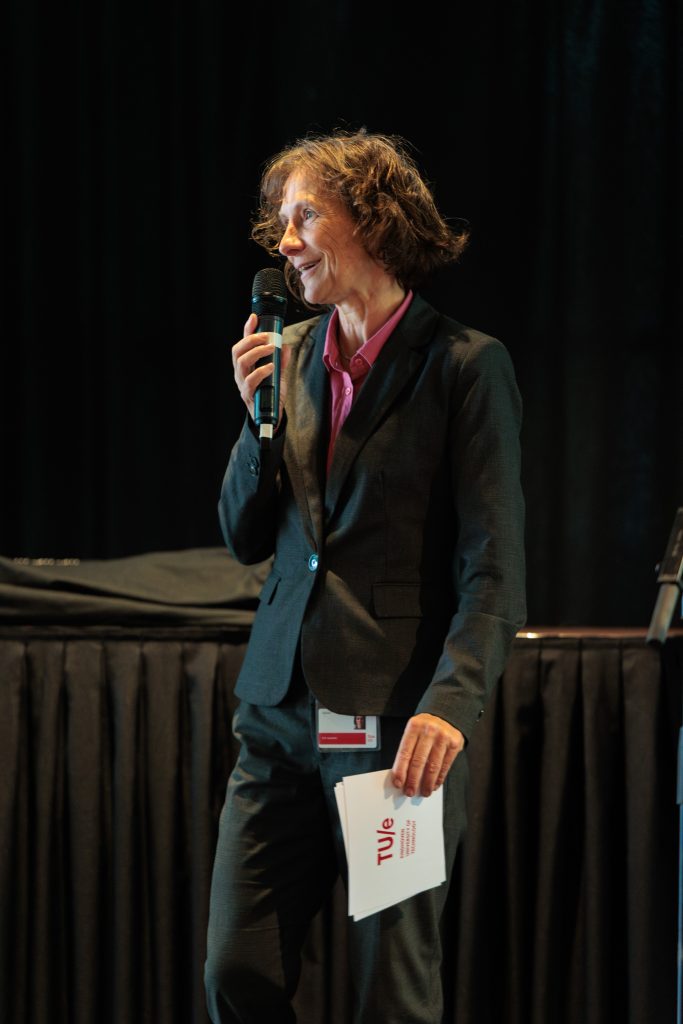
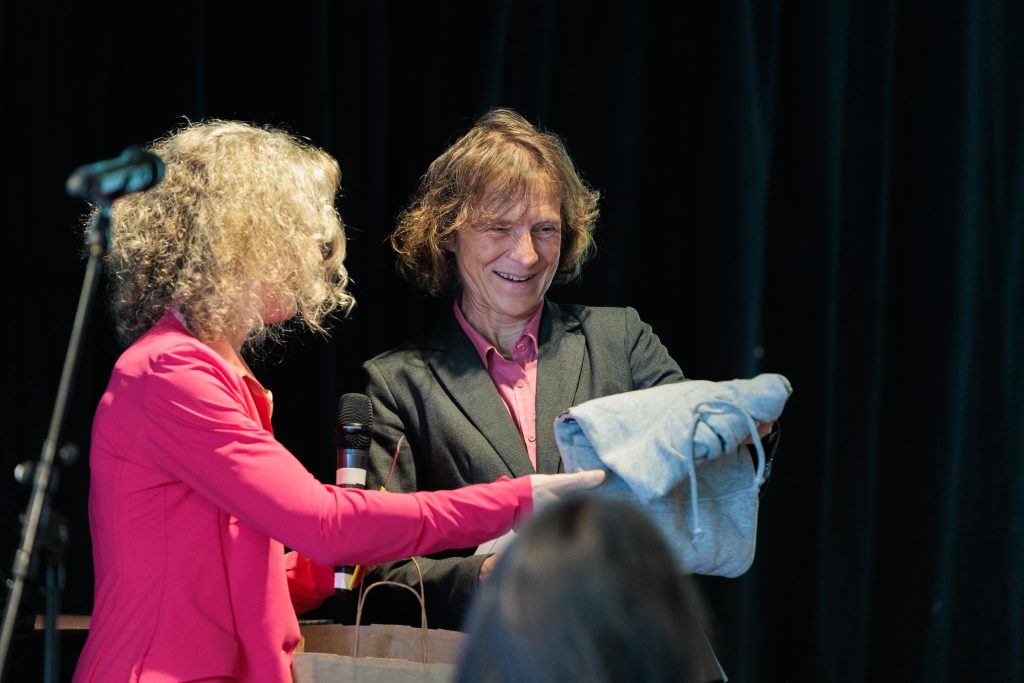
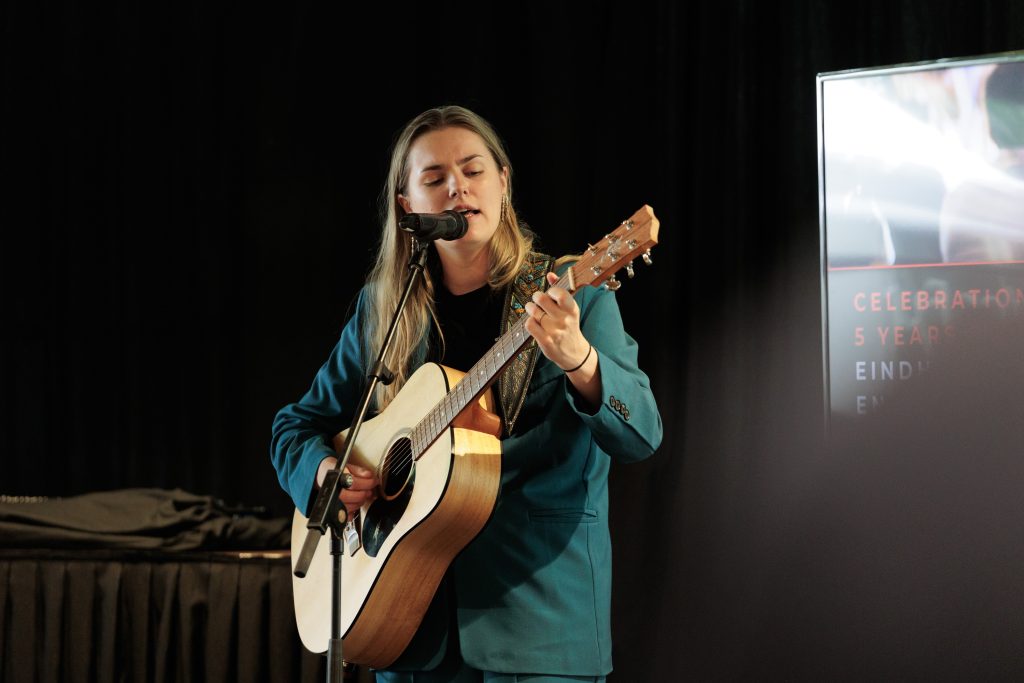
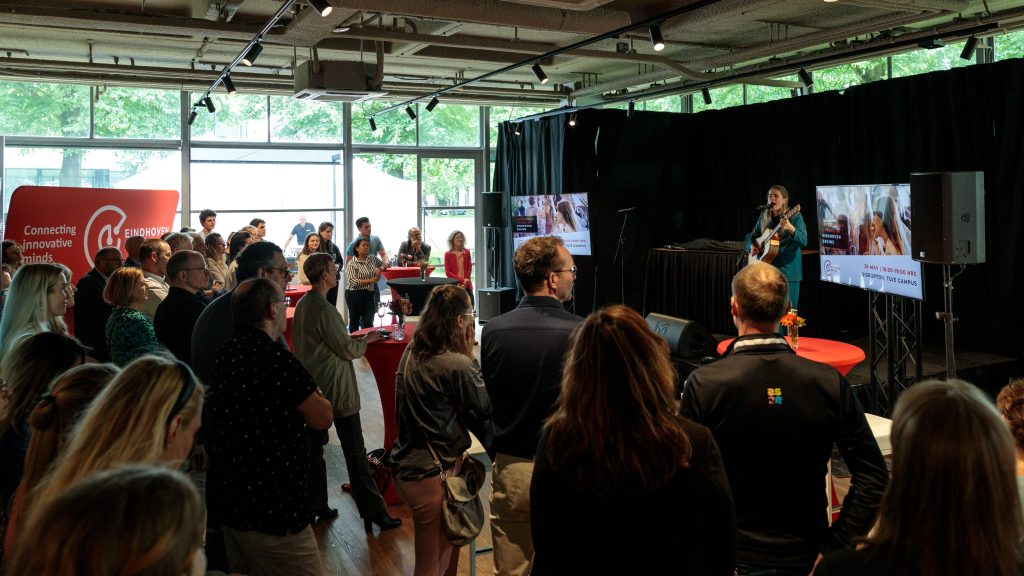
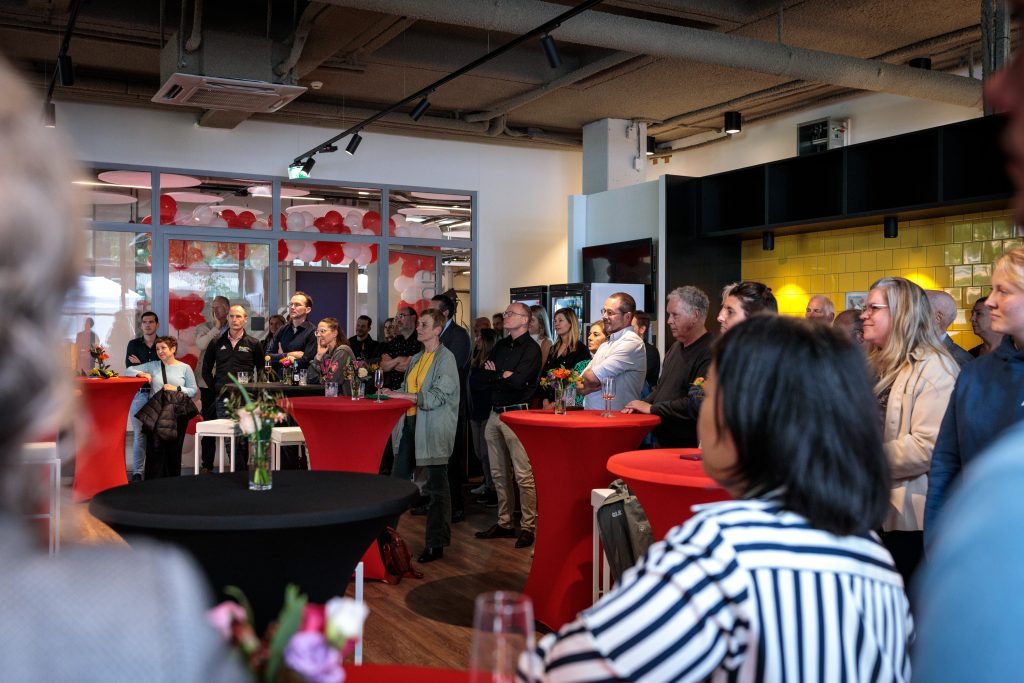
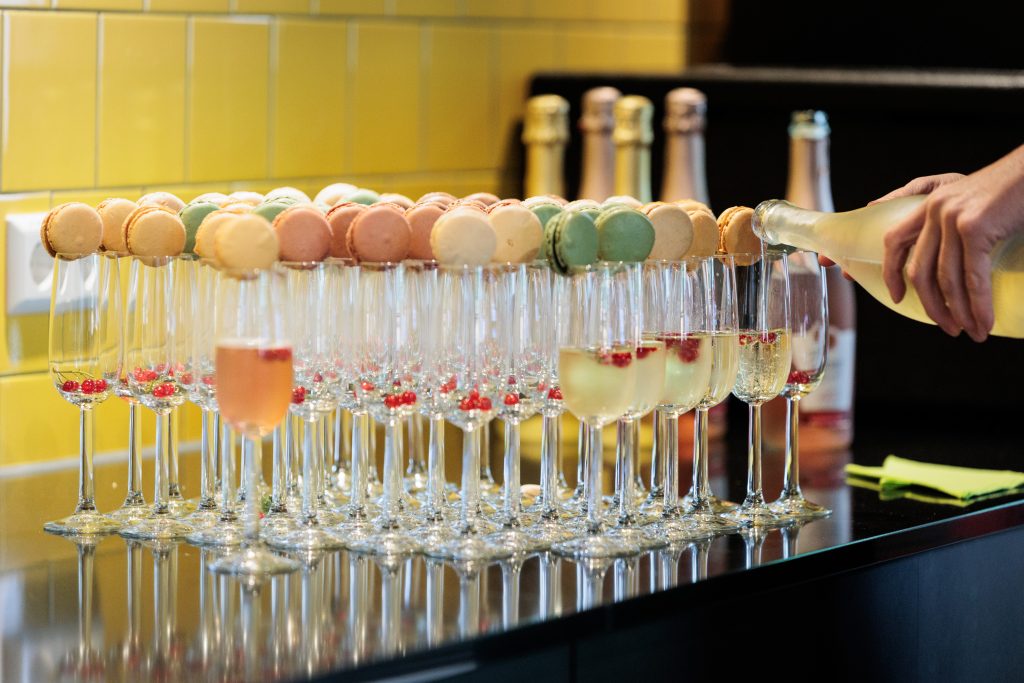
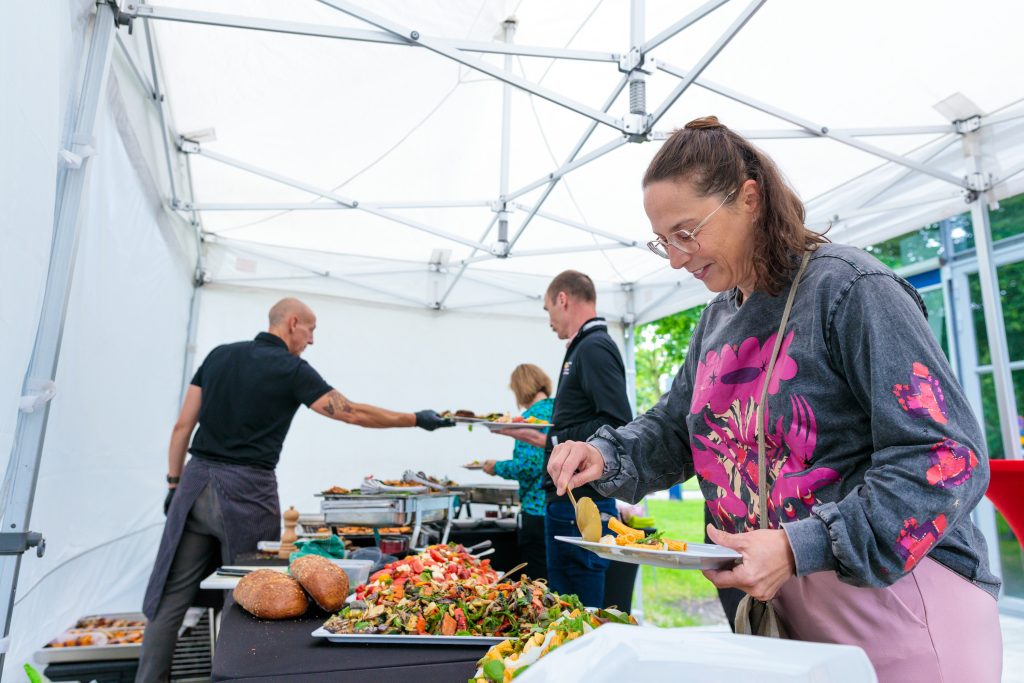
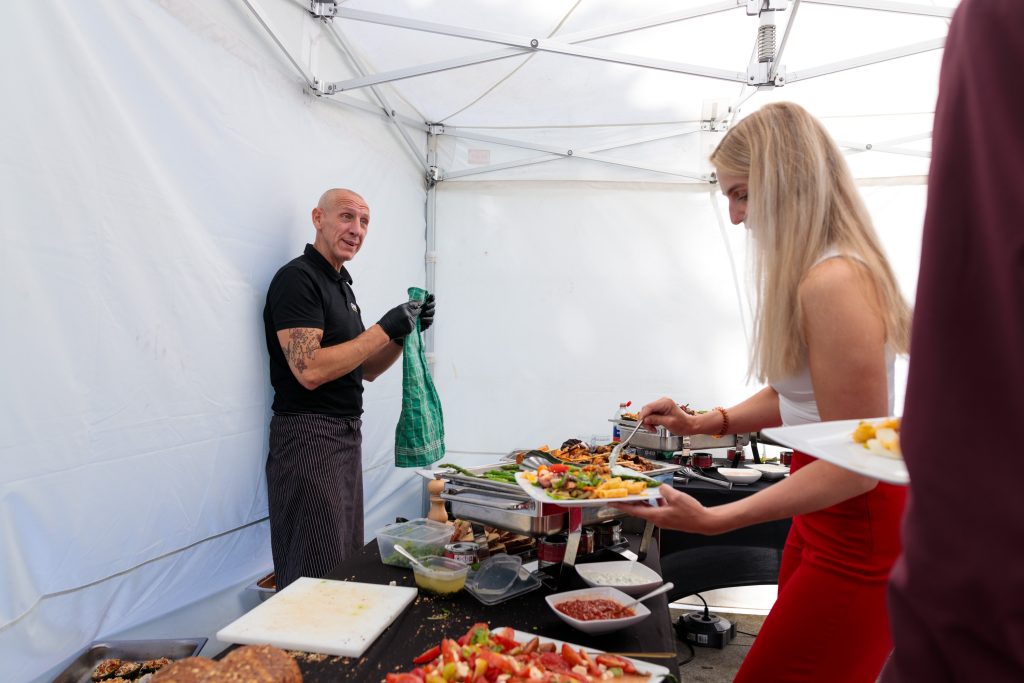
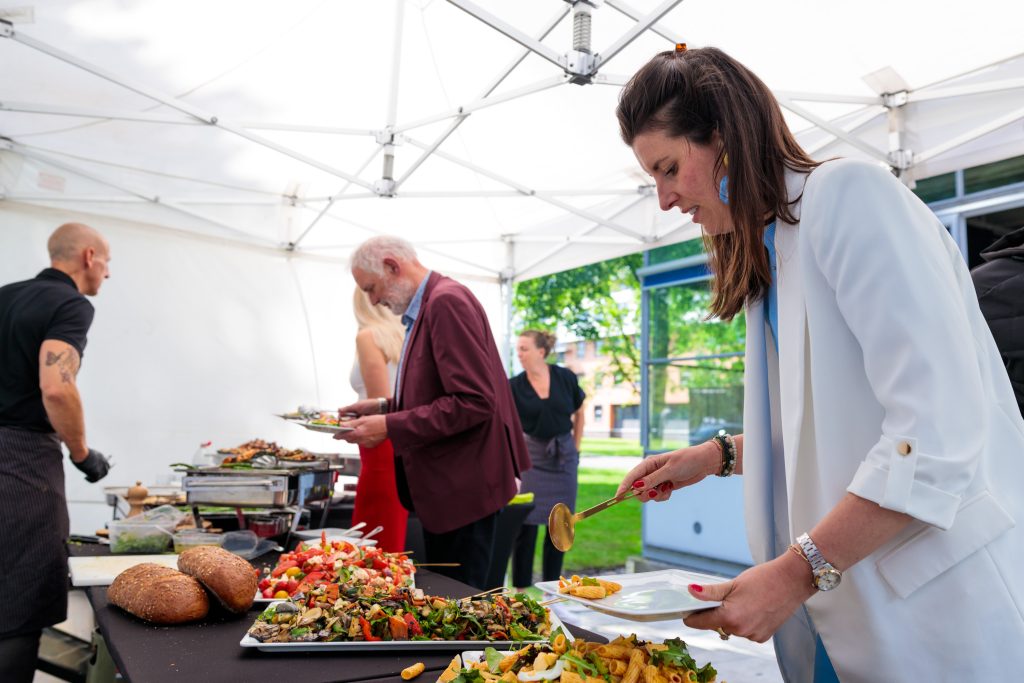
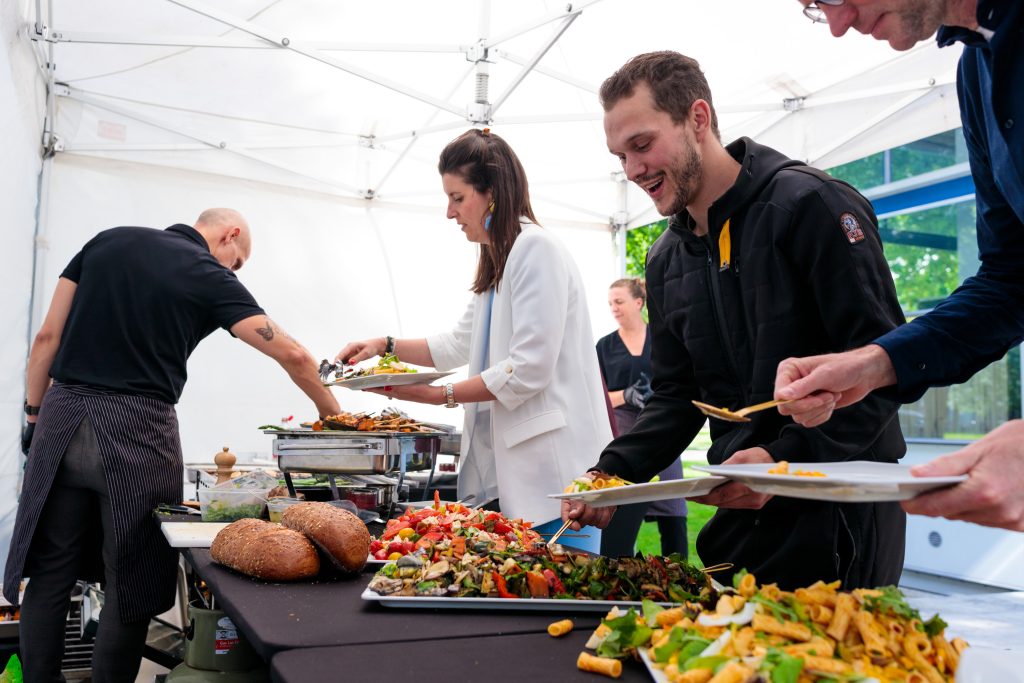
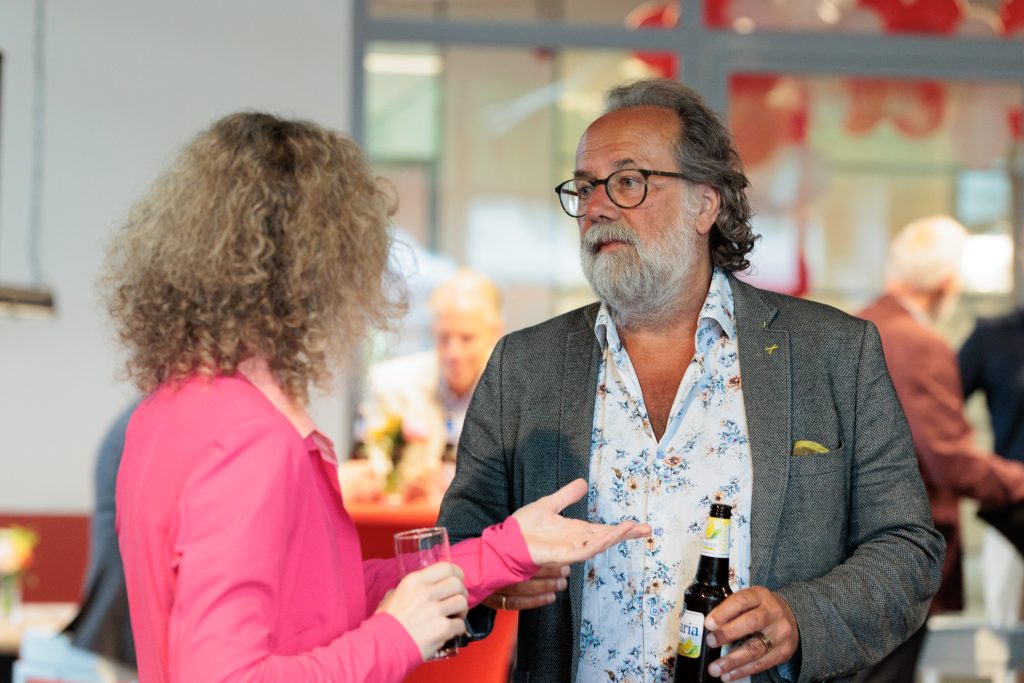
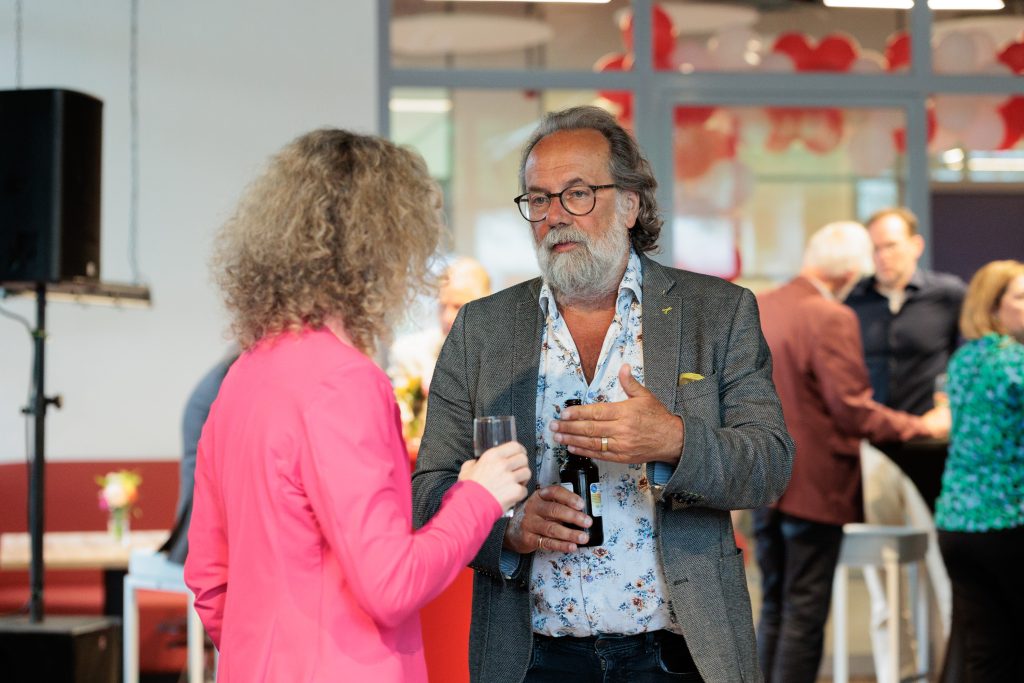
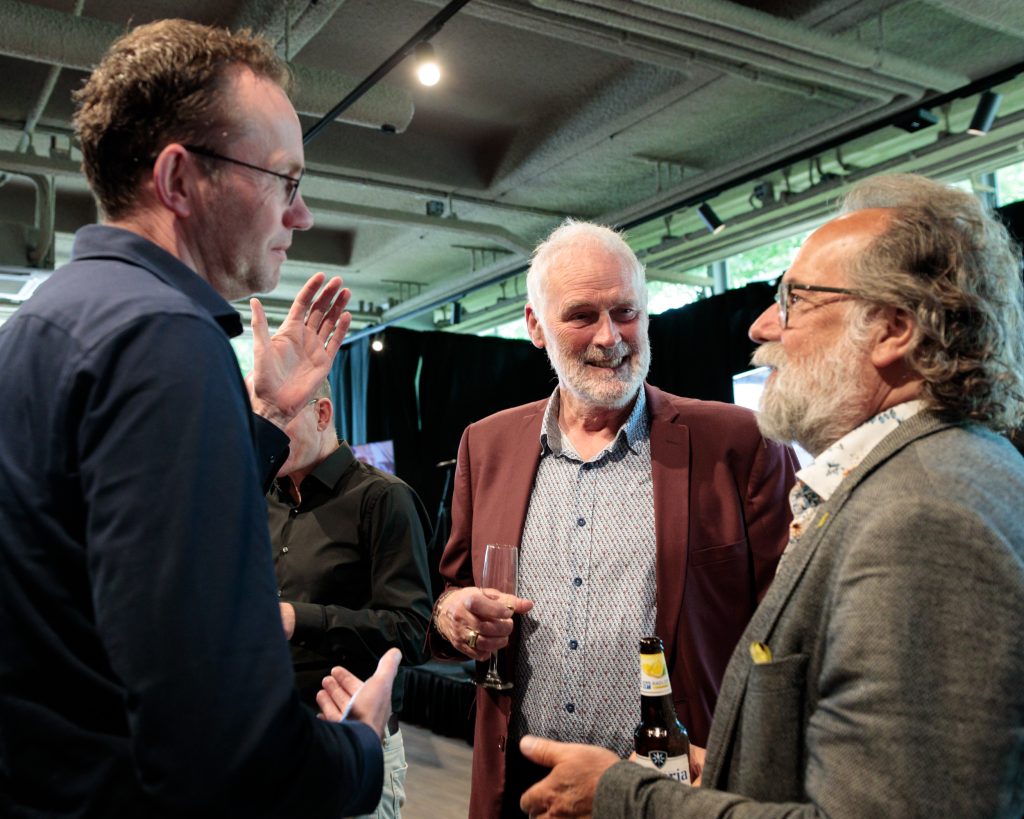
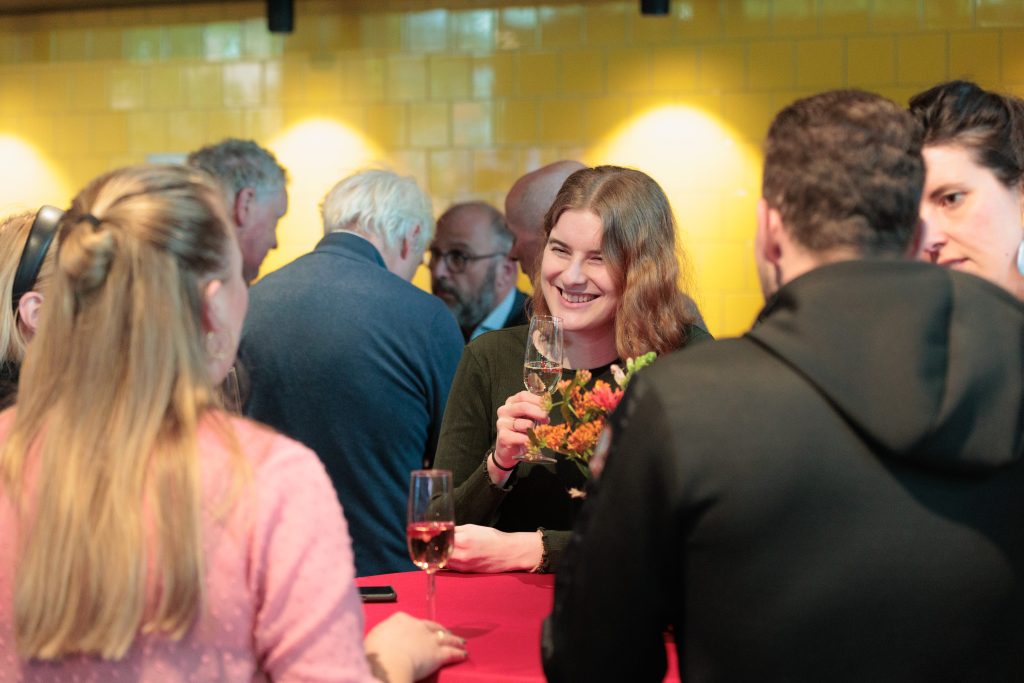
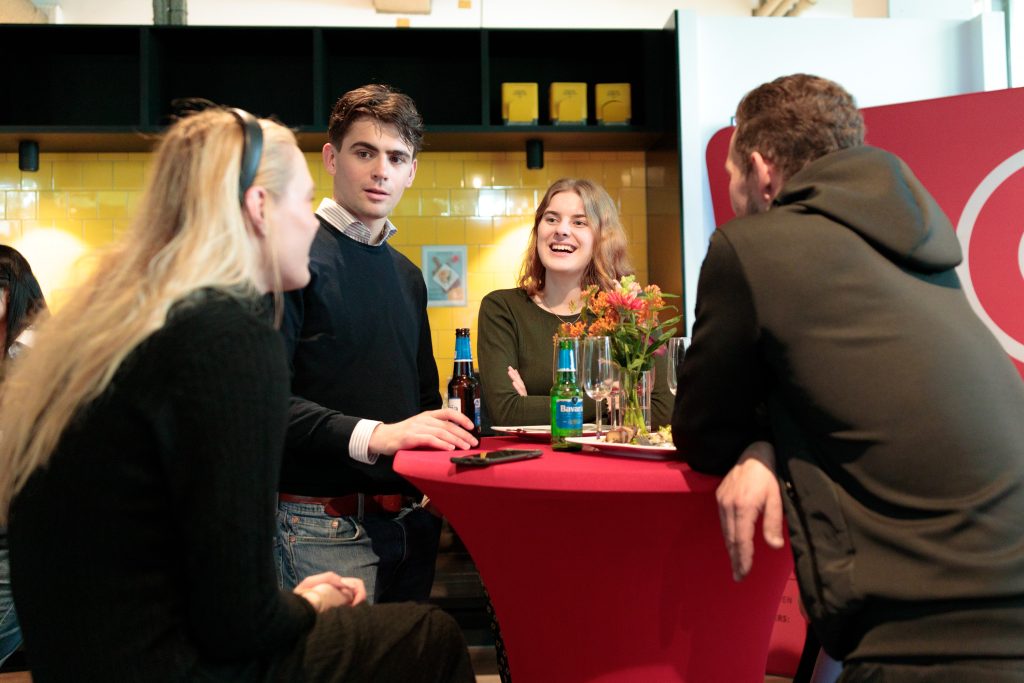
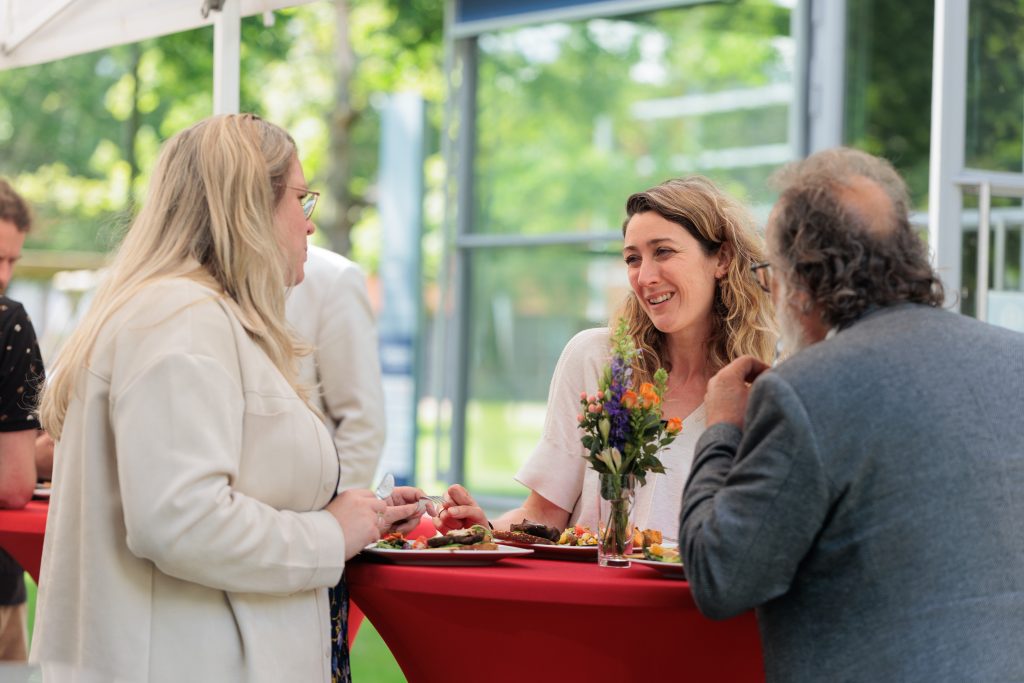
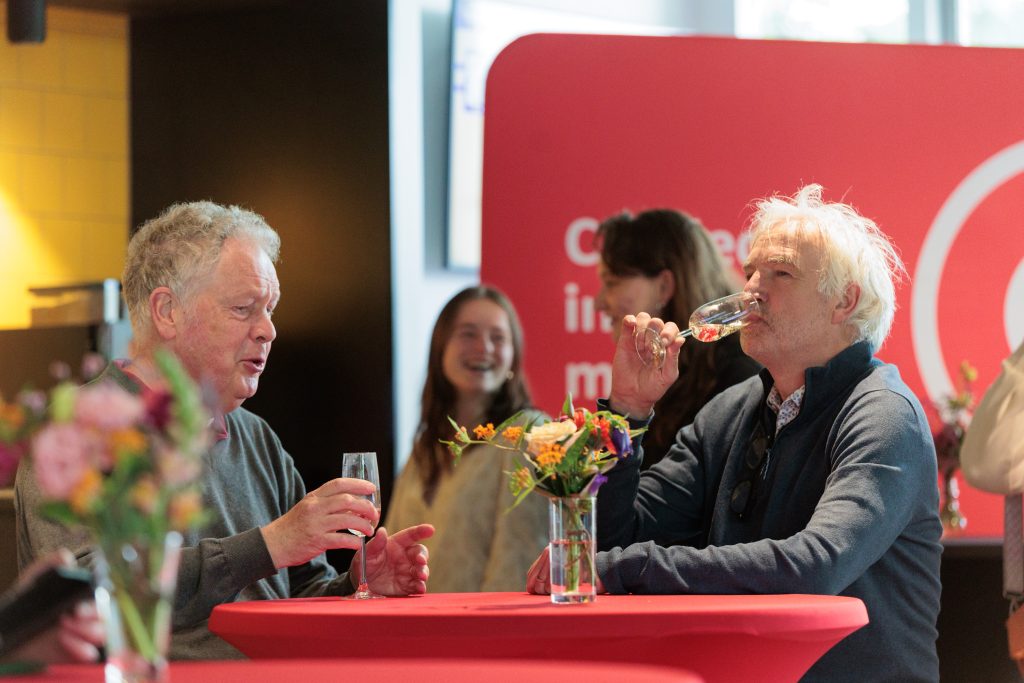
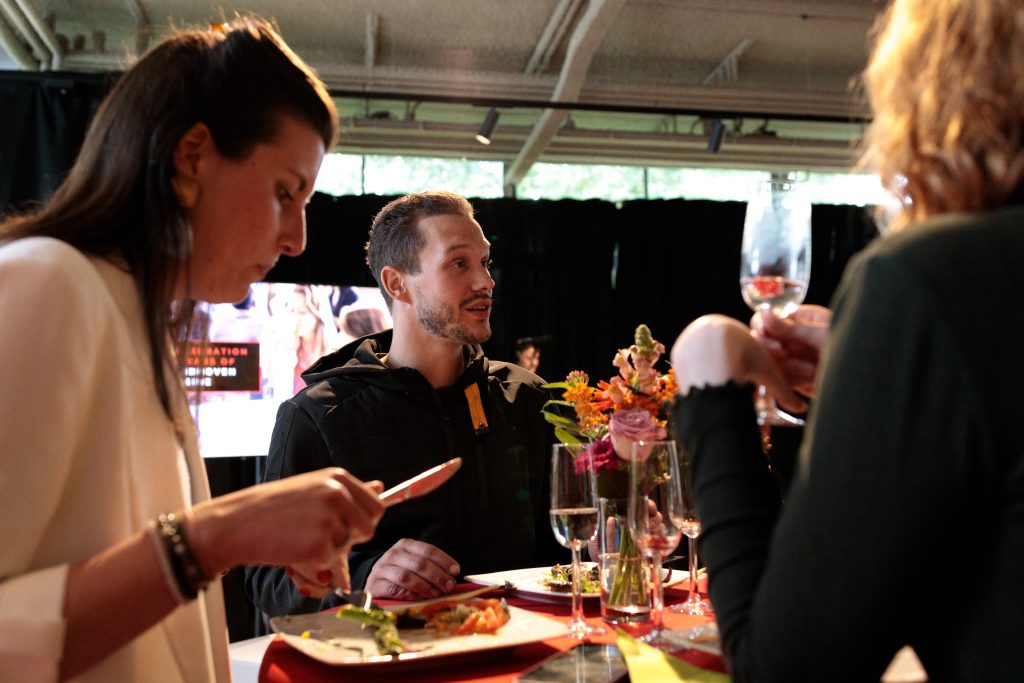
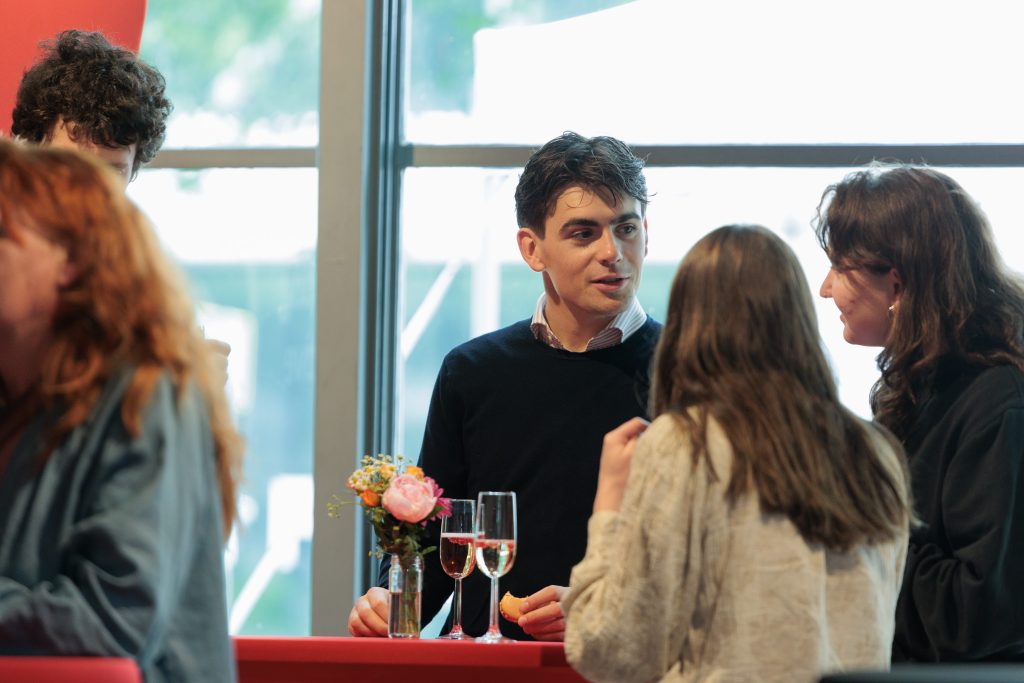
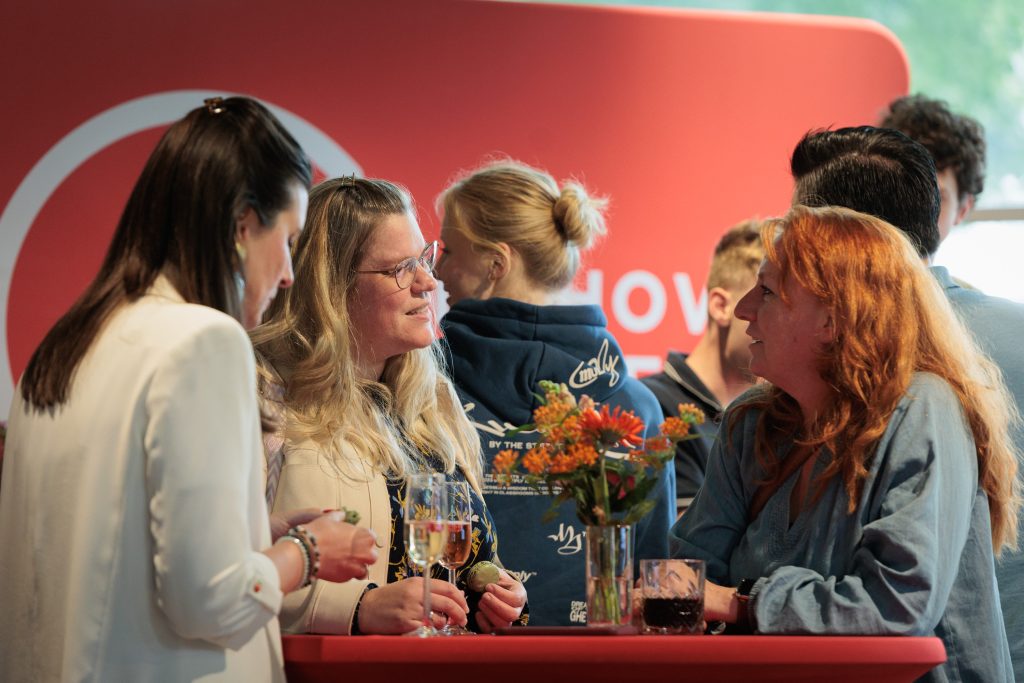
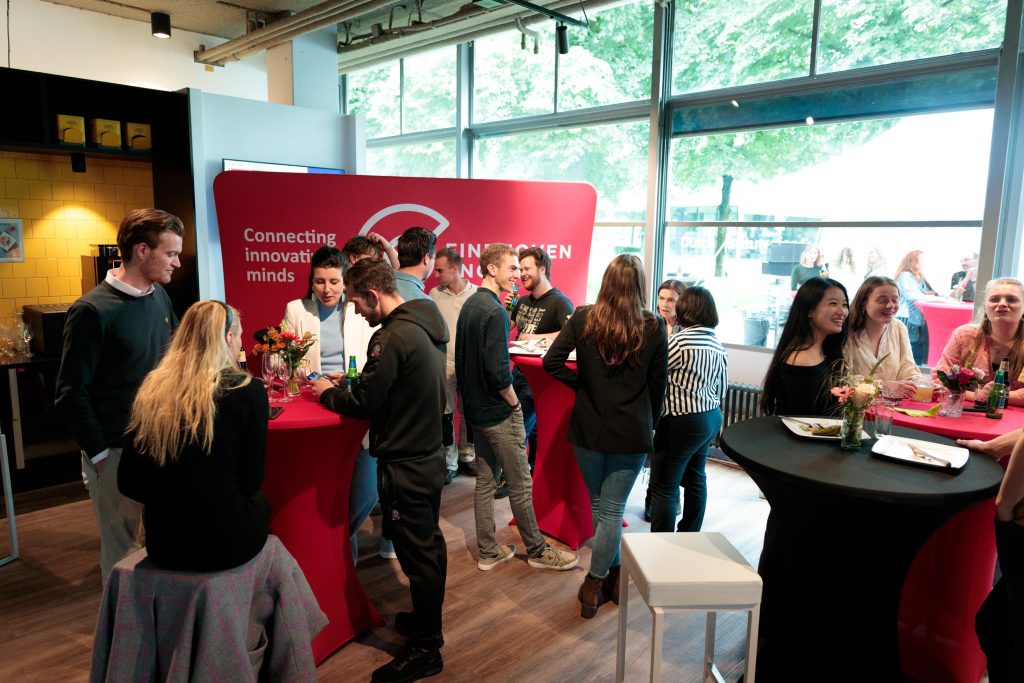
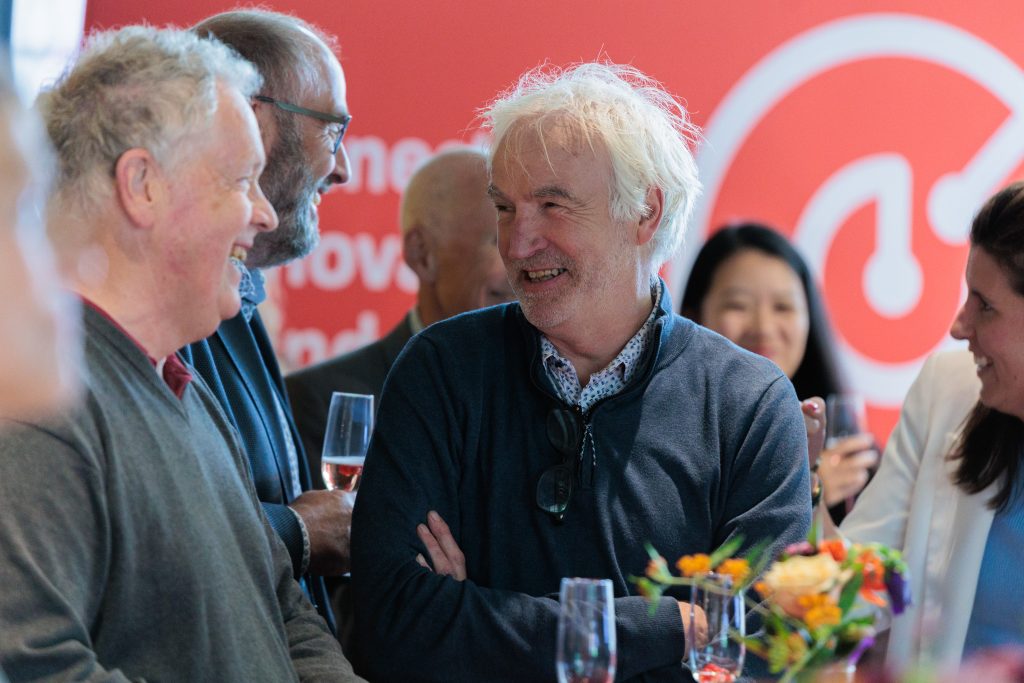
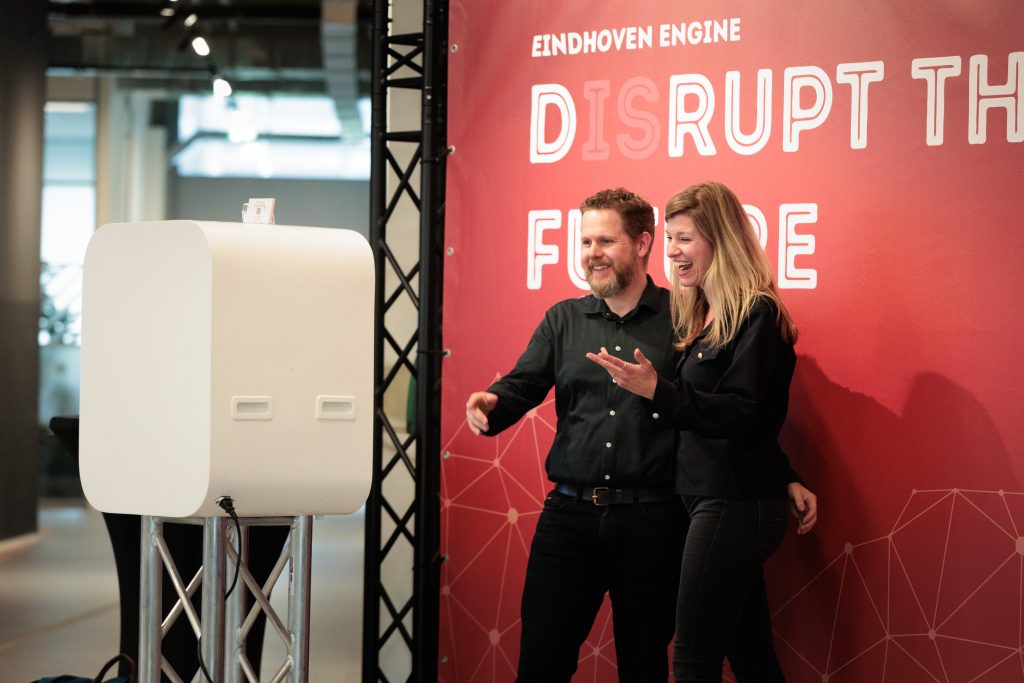
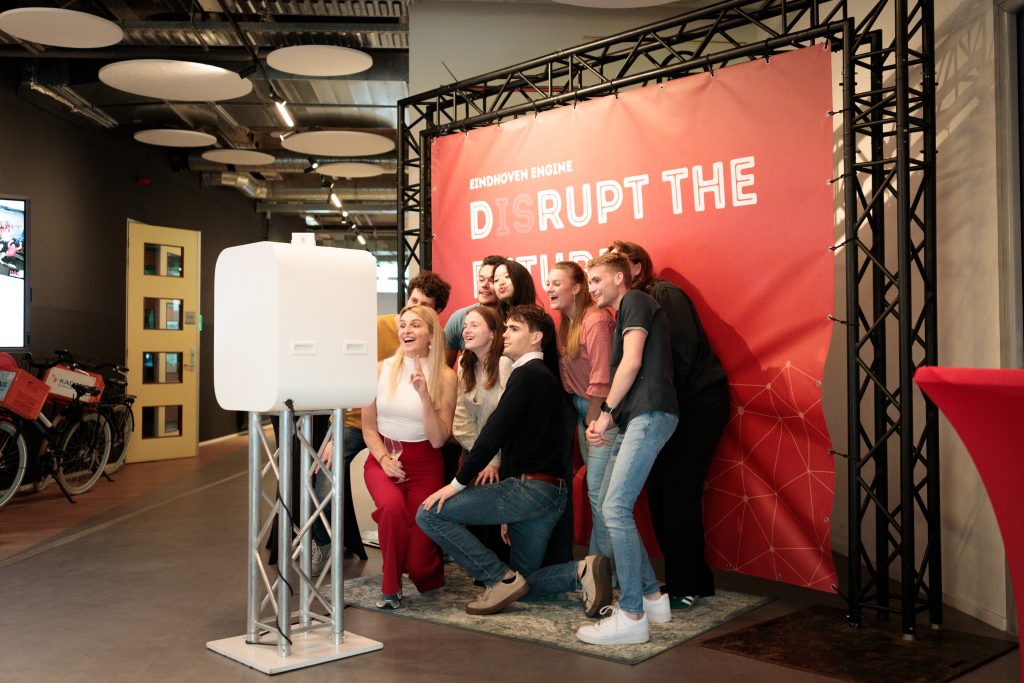
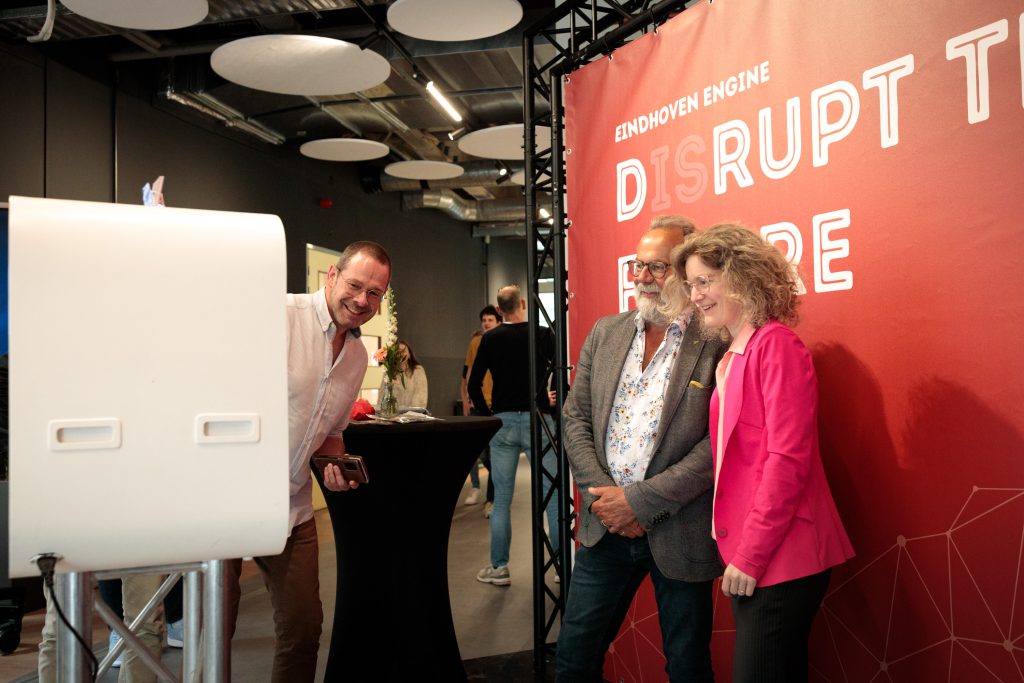
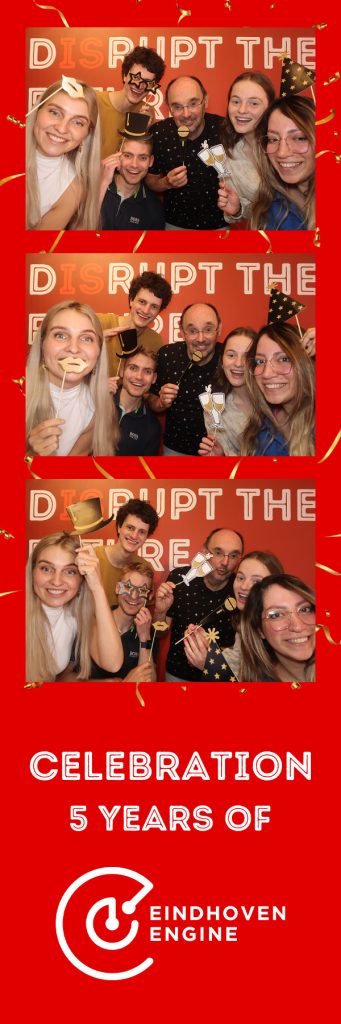
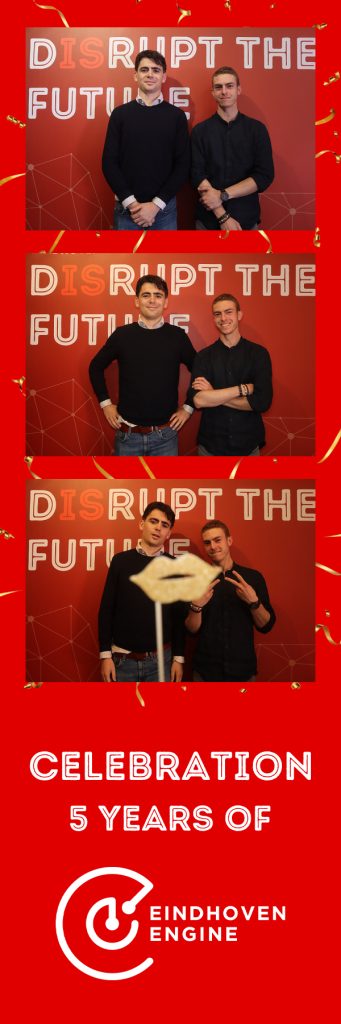
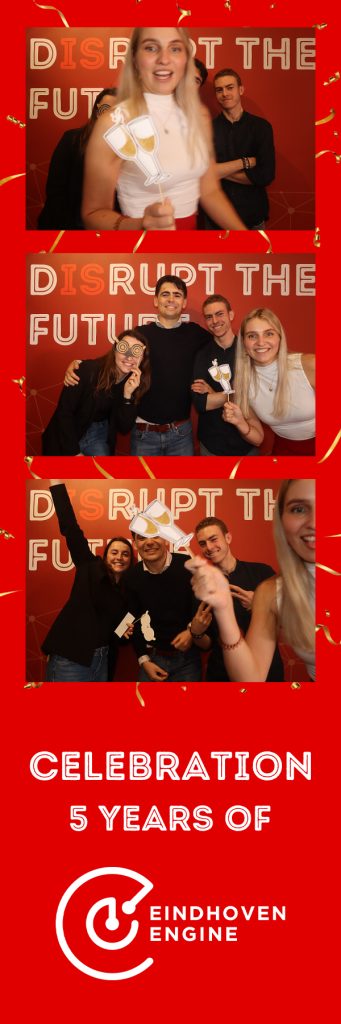
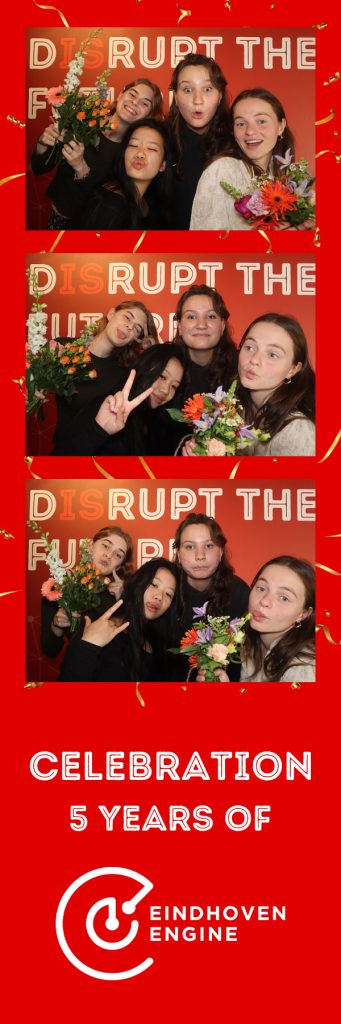
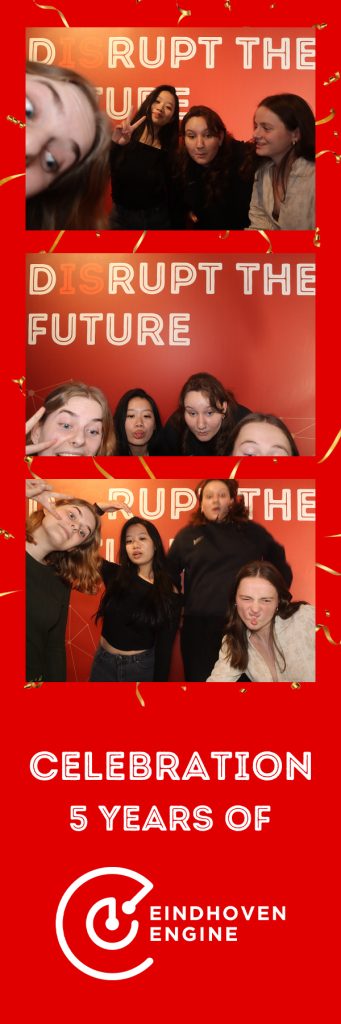
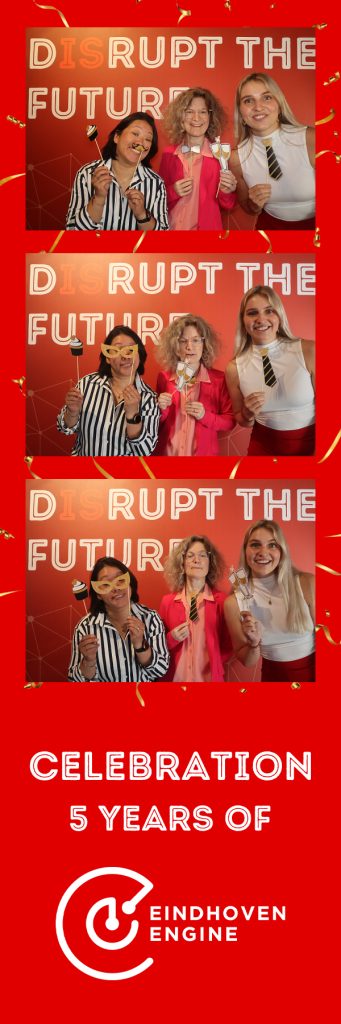
We had an incredible time celebrating our five year milestone, surrounded by great company and reflecting on our journey. From our ambitious beginnings to our impactful present. The celebration kicked off with an inspiring speech by TU/e Rector Magnificus Silvia Lenaerts, highlighting the importance of valorization, the strength of our partnerships, and our commitment to addressing societal challenges.
A special treat was the stunning musical performance by the talented artists from Impressariaat Kunsten van Fontys, adding a perfect touch to our celebration.





Human-data interaction to enhance office well-being
Hi, my name is Hans Brombacher and I am a fourth year Industrial Design Ph.D. candidate. My work focuses on the topic of human-data interaction to enhance office well-being and is part of the POWEr FITTing project of Eindhoven Engine.
Three case studies
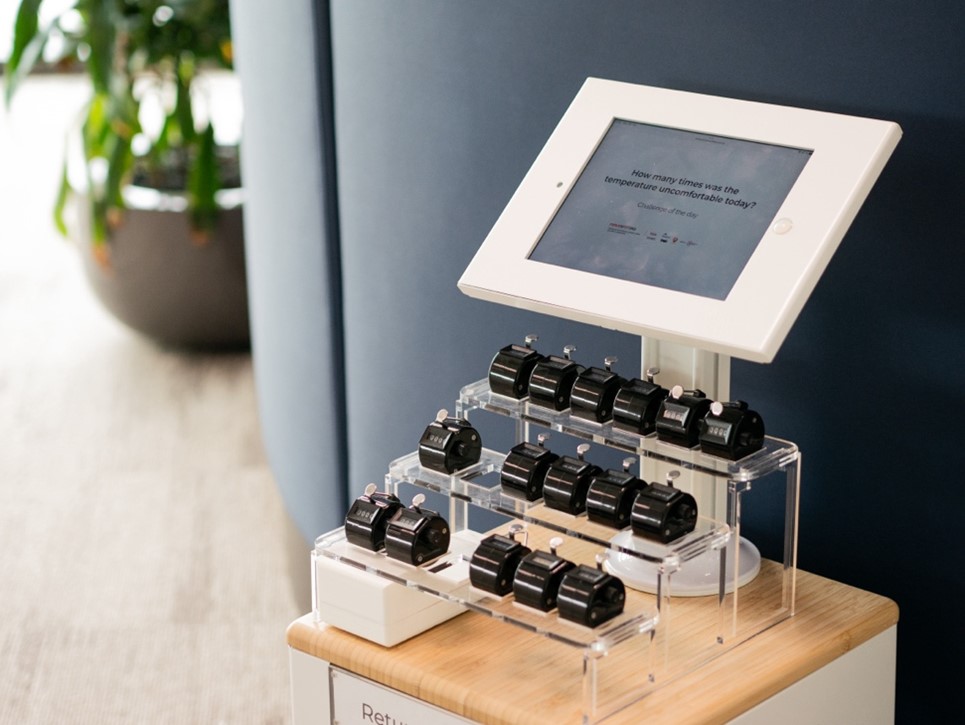
In the landscape of workplace technology, sensing systems play a crucial role in gathering data for understanding building performance and employee activities. However, a common challenge arises: individuals often feel disconnected from these systems, being treated merely as passive recipients of data. Three case studies propose practical solutions to address this issue.
Case 1. SensorBadge
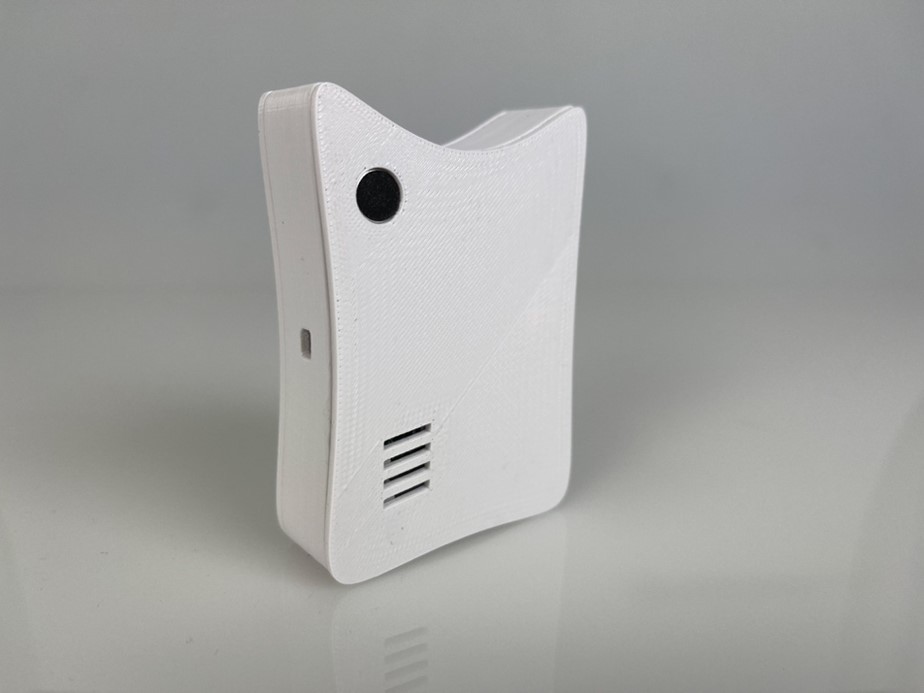
Case 1 introduces SensorBadge, an ego-centric sensor platform allowing employees to actively participate in data collection and analysis. This approach emphasizes the importance of seamlessly integrating sensor technology into daily routines while ensuring individuals have control over their data. The study underscores the need for clear and understandable data representations to facilitate informed decision-making.
Case 3. Click-IO
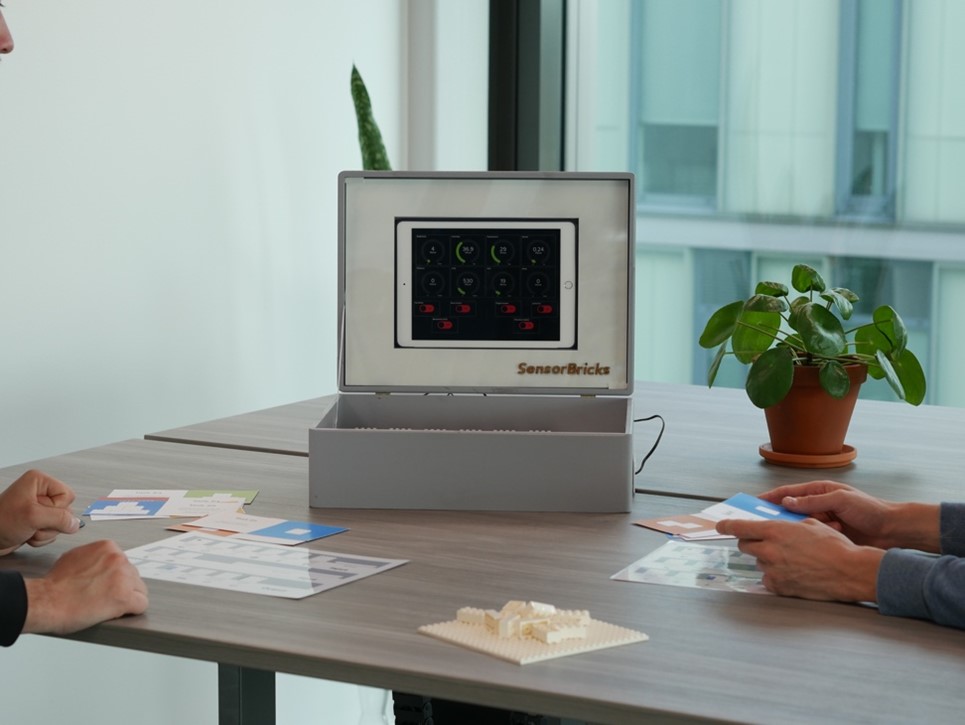
Case 2. SensorBricks
Human-centered design
These case studies demonstrate the importance of human-centered design in workplace sensing technologies. By prioritizing user engagement, control, and understanding, these approaches pave the way for more meaningful insights and improved well-being in the modern workplace.
Integration of findings
Within our final study, which will start soon, we will integrate the findings of these studies into a unified artifact, prioritizing human-centric design principles. This aims to enhance data literacy, facilitate real-time feedback on well-being, and ensure employee control over data. Implementing such an ecosystem in diverse workplace settings could provide valuable insights into its effectiveness and ethical implications, ultimately fostering a more fulfilling and productive work environment.
Join us in celebrating 5 years of Eindhoven Engine!
During our birthday party, we’ll share the milestones, successes, and challenges we’ve experienced within the organization and our projects. Come and join the festivities. It promises an afternoon of celebration, where we’ll introduce our next steps as we transition from technology push to society pull, offering an opportunity to embrace disruption.
We look forward to your arrival and toasting together to our anniversary.
See you on May 29th!
Empowering Epilepsy Care: Decoding Transcranial Electric Stimulation
Hi all, my name is Steven Beumer (30 years old) and for the last four years I’ve been doing my PhD at the TU/e, specifically the Electromagnetics group of Electrical Engineering. I was born and raised in Geldrop, a small village next to Eindhoven, so studying at this university was almost a no-brainer.
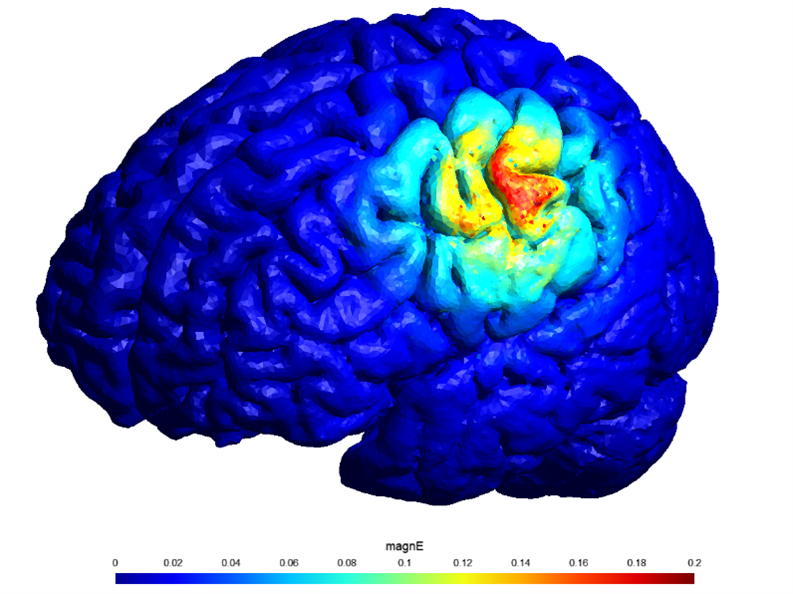
My research is focused on using transcranial electric stimulation for epilepsy patients that cannot be treated using medicine or surgery and is part of the PerStim project. This project was conceived from the wish to be able to reduce the treatment gap in epilepsy and thus lower the burden of this disease on the patients and society.
Electrical stimulation is simple, but very complex
Together with the Ghent University Hospital, Kempenhaeghe and Philips we started to research the use of electrical stimulation for epilepsy treatments. Through extensive literature studies, we found that the working mechanism of this technology is still poorly understood. Thus, we set out to answer a fundamental question using clinical studies: “Are we stimulating the brain with currents that go straight through the skull, or is it taking a more complicated route like the facial nerves?”
This method holds great promise for the future because of its affordability, simplicity, and potential for home use, which could ultimately reduce the need for frequent hospital visits.
To support these studies, I was tasked with making patient models, optimizing the electrode positions as well as analyzing the data. Together with students from Fontys and the TU/e, we built a full workflow to do this in a very quick and efficient manner. Eindhoven Engine enabled us to cooperate with the students from the Fontys. Their working mentality and different way of approaching problems were fundamental to significant parts of this work. Our clinical studies are still running, but preliminary results have shown that the answer to the abovementioned question might be that the stimulation works via both the direct and the indirect paths.
Looking into the future
Even though the use of transcranial electric stimulation is more complex than initially assumed, we have just started to unravel the actual working mechanism and I wholeheartedly believe that as we gain a deeper understanding, we can improve the methods and their efficacy. This method holds great promise for the future because of its affordability, simplicity, and potential for home use, which could ultimately reduce the need for frequent hospital visits.
My time at the university is running out, but I am still as fascinated by the world of brain stimulation as I was when starting this project and I’ll keep working in this field to improve the understanding of these techniques and unlock their potential for patients.
Festival of Disruption filled with energy and enthusiasm
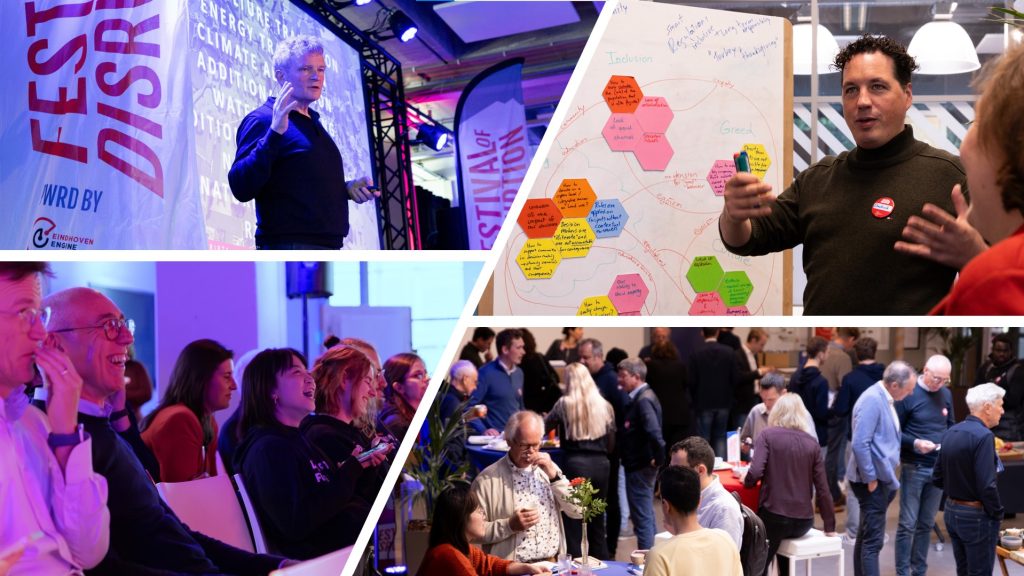
The Festival of Disruption’s second edition thrived with energy and enthusiasm. Kicking off the day, architect and urban designer Floris Alkemade offered a compelling perspective on how to embrace transformative changes.
Engaging workshops
Following this inspiring start, attendees were presented with seven engaging workshops, each delving into methods to expedite innovation, including ‘Design doing’, ‘Accelerating transitions via disruption’ and ‘1+1=3.’ Moreover, they had the chance to stay up to date on the latest developments in Eindhoven Engine’s OpenCall projects and the Emergence Lab initiative focusing on low literacy. As the day drew to a close, the atmosphere was charged with excitement during the wrap-up quiz, concluding a day, filled with learning, inspiration, and networking.
Did you miss out on the festival or do you want to relive the day? Get an impression of it here!
New project videos: Carbyon 2.0
The atmospheric CO2 levels are excessively elevated, so urgent action is needed to lower them. Eindhoven Engine Project Carbyon is developping machines that are capable of capturing carbon from the surrounding air and filtering it out. The retrieved carbon dioxide can be either reused or securely stored for an indefinite period. By adopting this approach, Carbyon can effectively address the issue of climate change.
Into a working machine
Marco Arts is the chief operating officer at Carbyon. Currently, Carbyon is collaborating with Eindhoven University of Technology and DIFFER in the Eindhoven Engine project Carbyon 2.0 to verify their key technologies in their lab environments. Currently, they are developing a fully integrated working machine that takes in ambient air and delivers pure CO2.
Direct air capture by different solvents
Jasper Simons, CTO at Carbyon, showcases the first test version of their direct air capture equipment. And Shilpa Sonar is working as a postdoc researcher at Eindhoven University of Technology. Shilpa’s research is mainly focused on the direct air capture by the different solvents. Her research will be carried out in the Carbyon’s own home-produced reactor.
Vacancy: EngD trainee – Prototyping multipurpose integrated digital twin for Brainport
Are you a masters graduate who wants to continue your study and obtain an Engineering Doctorate (EngD) with a focus on the big question in urban development, such a s energy transition, nitrogen reduction, the exponential increase of polution in a city?
Eindhoven Engine and the TU/e department Industrial Design is offering a fully funded 2-year position to master graduates leading to the award of an EngD (Engineering Doctorate) degree in Designing Human- System Interaction.
About the assignment
In cooperation with a few project partners, Eindhoven Engine has decided to contribute the development of an integrated multi-dimensional digital twin of the Brainport region. Currently many scattered efforts for digital twinning are running. The aim of this project is to align a reasonable amount of these efforts into a state-of-the-art prototype that allows the Brainport region to address diverse actual problems (such as nitrogen reduction, the energy transition to renewables, the addition of 100.000 persons to the region and their impact on traffic, emergency service, …).
The challenge for the EngD position at Eindhoven University of Technology would be to develop and evaluate a concept prototype of a multidimensional, integrated digital twin for the MRE (Metropolitan Region Eindhoven) area. This digital twin should accurately represent the physical and functional aspects of the region, including infrastructure, transportation, buildings, and other urban systems.
Candidates should have a background in an area related to interaction design (e.g., industrial design, software engineering, and human computer interaction). They need to be creative, and entrepreneurial and to have an innovative mind. Candidates will be embedded in a multidisciplinary team consisting of computer scientists, industrial designers, and business entrepreneurs.
New project videos: Carbyon 2.0
The atmospheric CO2 levels are excessively elevated, so urgent action is needed to lower them. Eindhoven Engine Project Carbyon is developping machines that are capable of capturing carbon from the surrounding air and filtering it out. The retrieved carbon dioxide can be either reused or securely stored for an indefinite period. By adopting this approach, Carbyon can effectively address the issue of climate change.
The Automotive Week 2023 is thé hotspot if you want to keep up with the latest European developments in mobility and if you want to expand your network in our mobility sector. Innovative technologies and the right skills become more and more important to make the world of mobility smart, sustainable and safe.
In the heart of the Brainport region, at the Automotive Campus in Helmond, we open our doors to the international public to experience the mobility of the future.The Automotive Week offers an exclusive look behind the scenes for future talent, professionals, governments and knowledge institutions.
Eindhoven Engine reporters Ferry Wortelboer and Jasmijn Schol will be at the Talent Fair (16 April) to find out how visitors envision future mobility. Does this match with the innovations we will be seeing this week? How do innovations in mobility accelerate?