About the project
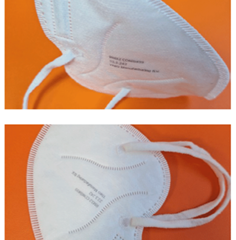
The project started with a feasibility study on market introduction. The mouth-nose mask is an innovative product that is made almost entirely (95%) from biological renewable raw materials: PLA with bio-PP for a filtering effect and recycled steel for the nose bridge. As the mouth-nose mask is 20-45% lighter, less raw materials are used.
The development and production of the new ProM mask will be more sustainable by using the knowledge and skills of previous in-house development and production processes combined with the knowledge and expertise of prominent Dutch scientific knowledge and training institutes.
Together, we aim for a sustainable future by making and keeping innovative, sustainable mouth-nose masks available for healthcare in the Netherlands and, where possible, the rest of Europe.
We have been able to produce a new affordable and sustainable FFP2 medical mask. These masks are ready to be tested and certified by the proper notified bodies in 2023 and may eventually be brought to the market.
This research is supported by Small Business Innovation Research (SBIR) of the Netherlands Enterprise Agency (RVO).
Other updates
Sustainable mouth/nose mask consortium successfully concluded
Media: Eindhoven Engine competes with cheap face masks from abroad
Accelerate by working together
Partners



Project updates
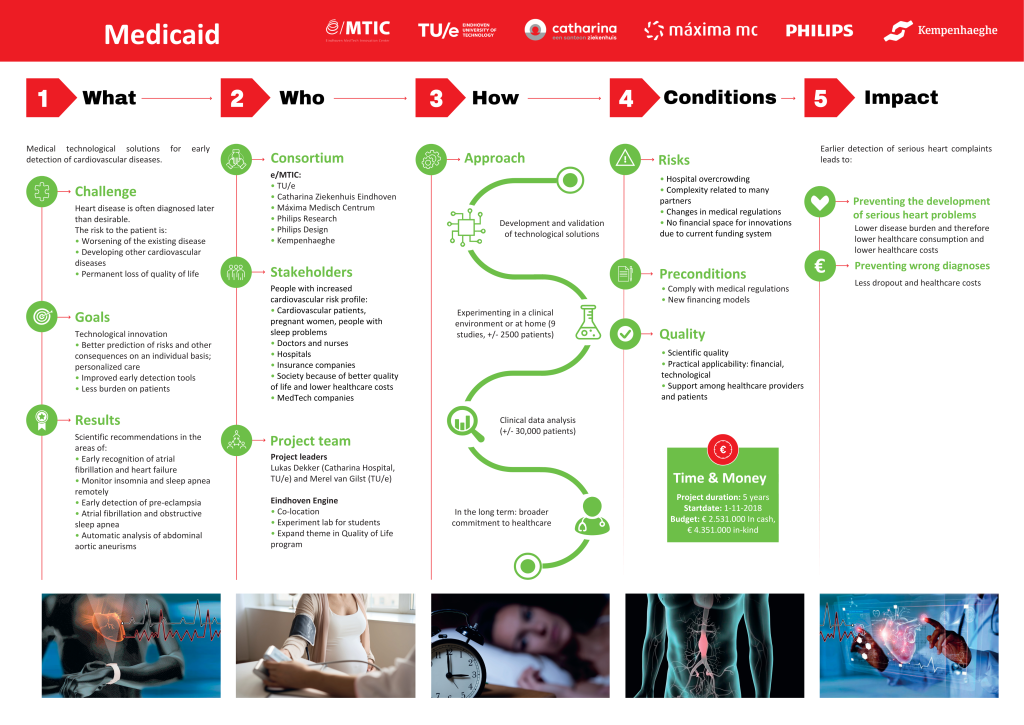
New project leader Medicaid project
Eindhoven Engine challenges PDEng students
Partners

A non-invasive approach to treatment
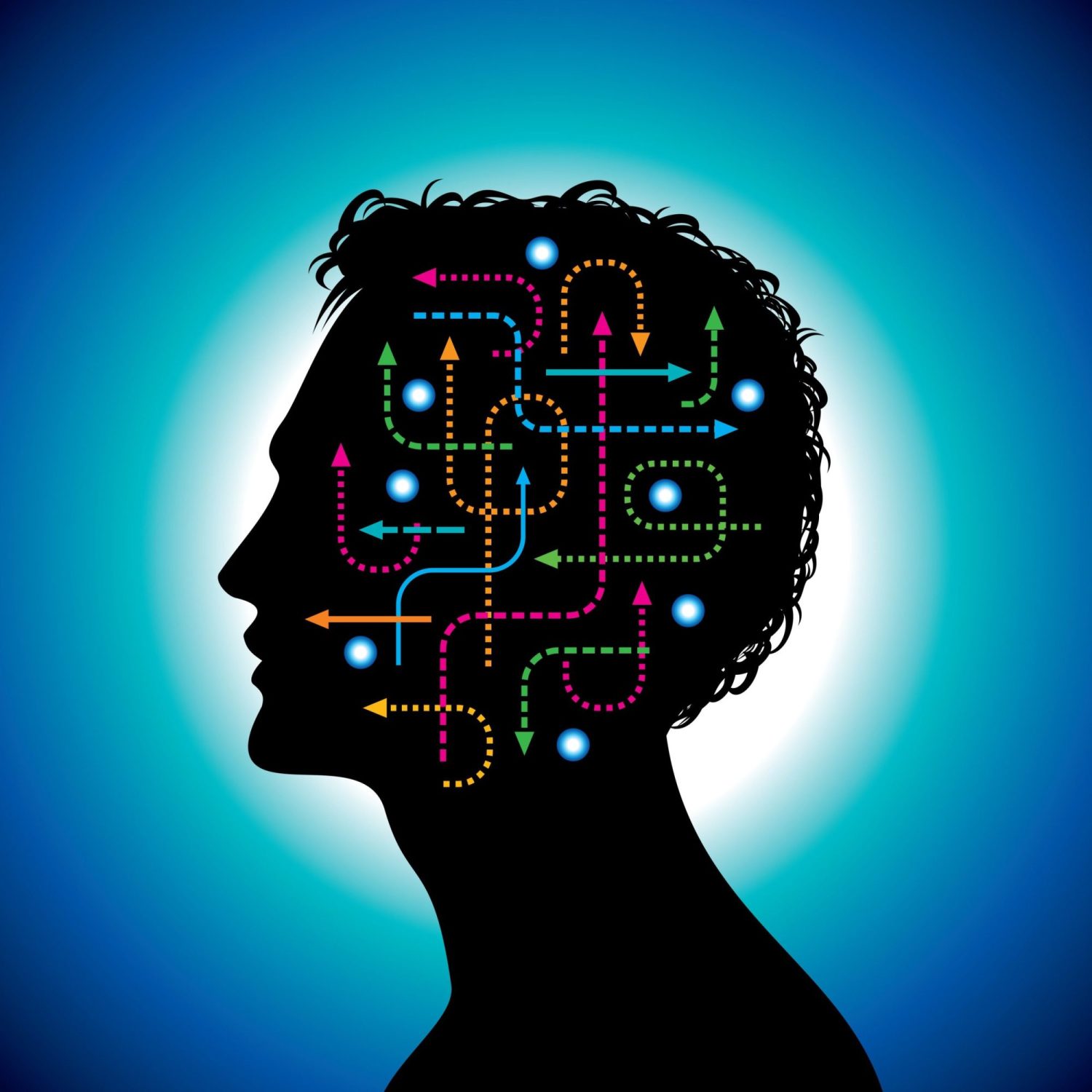
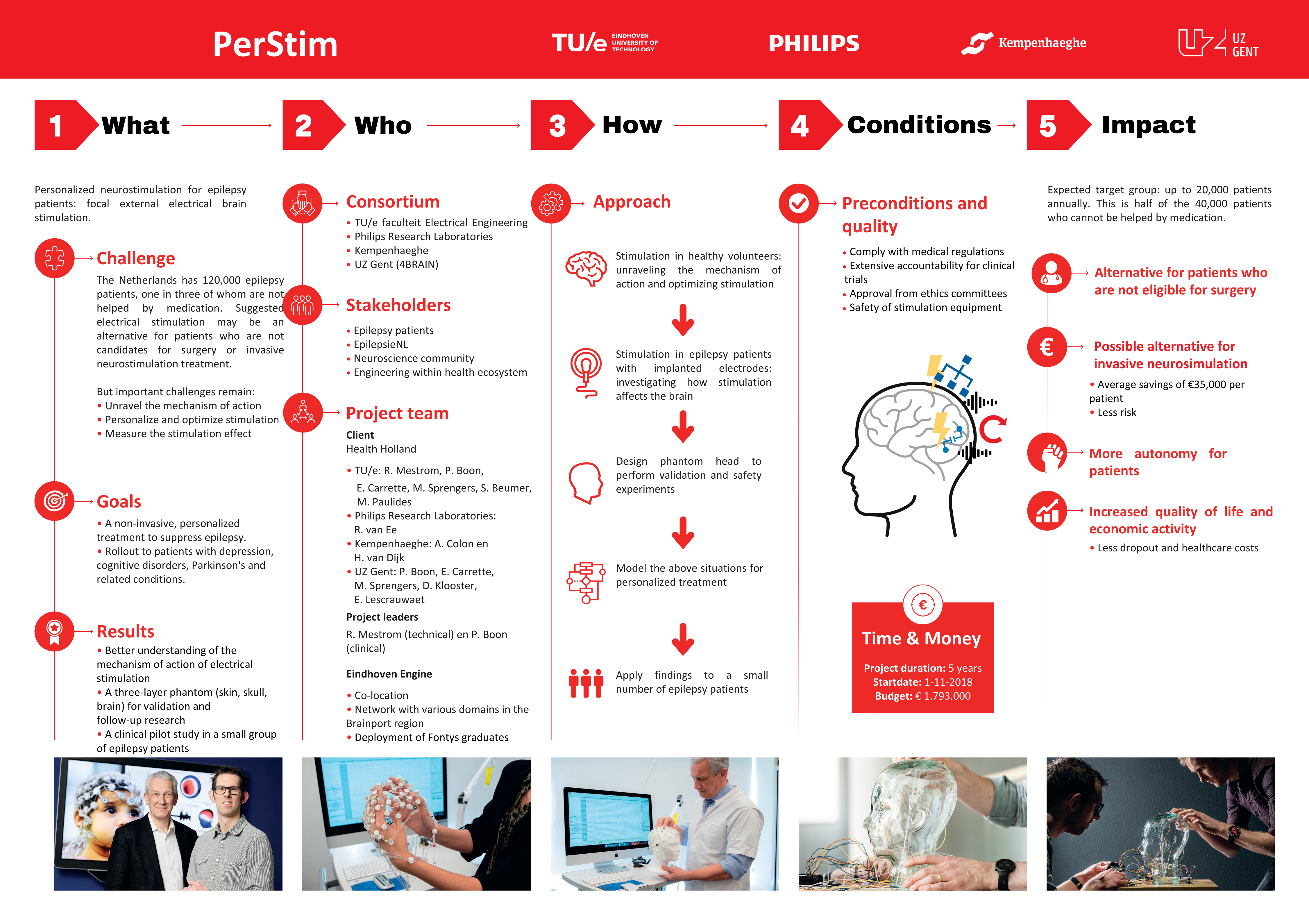
Using EEG- and MR-imaging based transcranial electrical stimulation, the Eindhoven Engine project PerStim (Personalized neurostimulation) investigates how treatments for patients with refractory focal epilepsy and prevalent co-morbid disorders can be personalized effectively. Via transcutaneous direct/alternating current stimulation (tDCS/tACS), the overall aim is to develop personalized, non-invasive neurostimulation protocols to provide (non-)refractory epilepsy patients with a better quality of life. This non-invasive approach to treatment is a method whereby an operation is not needed and treatment outside the body, as it were, is made possible.
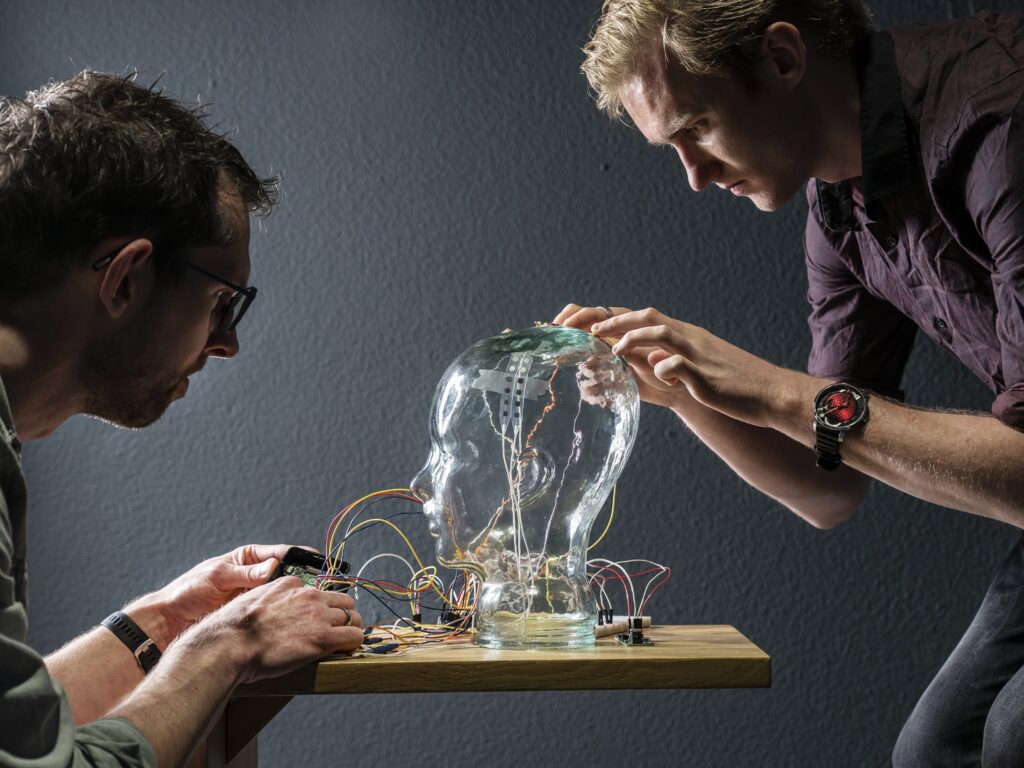
Tight technical-clinical cooperation
To realize these ambitions, TU/e has teamed up with Philips Electronics Nederland B.V. and Kempenhaeghe, the Academic Center for Epileptology. UZ Ghent is also involved through the part-time neuromodulation chair of Professor Paul Boon. PPP Allowance co-funding has been made available to Epilepsiefonds by Health~Holland’s Top Sector Life Sciences & Health in order to stimulate public-private partnerships. Project partner meetings take place approximately once per month, with Fontys and TU/e student projects expected to be held in Eindhoven Engine’s building Disruptor. Such close collaboration and the integration of their results in clinical trials will allow for direct testing of PerStim’s neurostimulation hypothesis.
First clinical study
With the support of Eindhoven Engine, PerStim successfully completed the first clinical study and developed a suitable skull model to commence the second clinical study. The project also integrated two Fontys students into the team, whose contributions will be included in a PhD thesis. Additionally, a spin-off project was launched under PerStim to extend the non-invasive neurostimulation approach to transcranial focused ultrasound stimulation. This initiative was further bolstered by recruiting an additional postdoc, in collaboration with the Donders Institute in Nijmegen.
Videos
In the Netherlands one third of the epilepsy patients (100.000+) keep having seizures; even after trying several medicines. The next treatment will be surgery. But there is a promising alternative treatment: neurostimulation.
Rob Mestrom – Project Leader
In this project PerStim Rob Mestrom and his team do research in personalizing neurostimulation for epileptic patients. He does this with a tight technical clinical cooperation with partners TU/e, Philips Electronics, Kempenhaeghe, UZ Ghent, and Epilepsiefonds.
Steven Beumer – PhD candidate
Steven Beumer uses brain images and brain recordings to try to optimize stimulation protocol for patients. Together with Fontys graduation students, they are working on artificially skull that mimics the real skull and its electrical properties.
Infographic
Partners
- Creating opportunities to present and discuss Neurotrend’s research findings.
- Providing access to a multidisciplinary workspace for meetings and collaboration.
- Organizing thematic sessions that delivered relevant insights for ongoing research.
This collaboration not only strengthened the research outcomes but also contributed to a dynamic and knowledge‑sharing community.
More project info
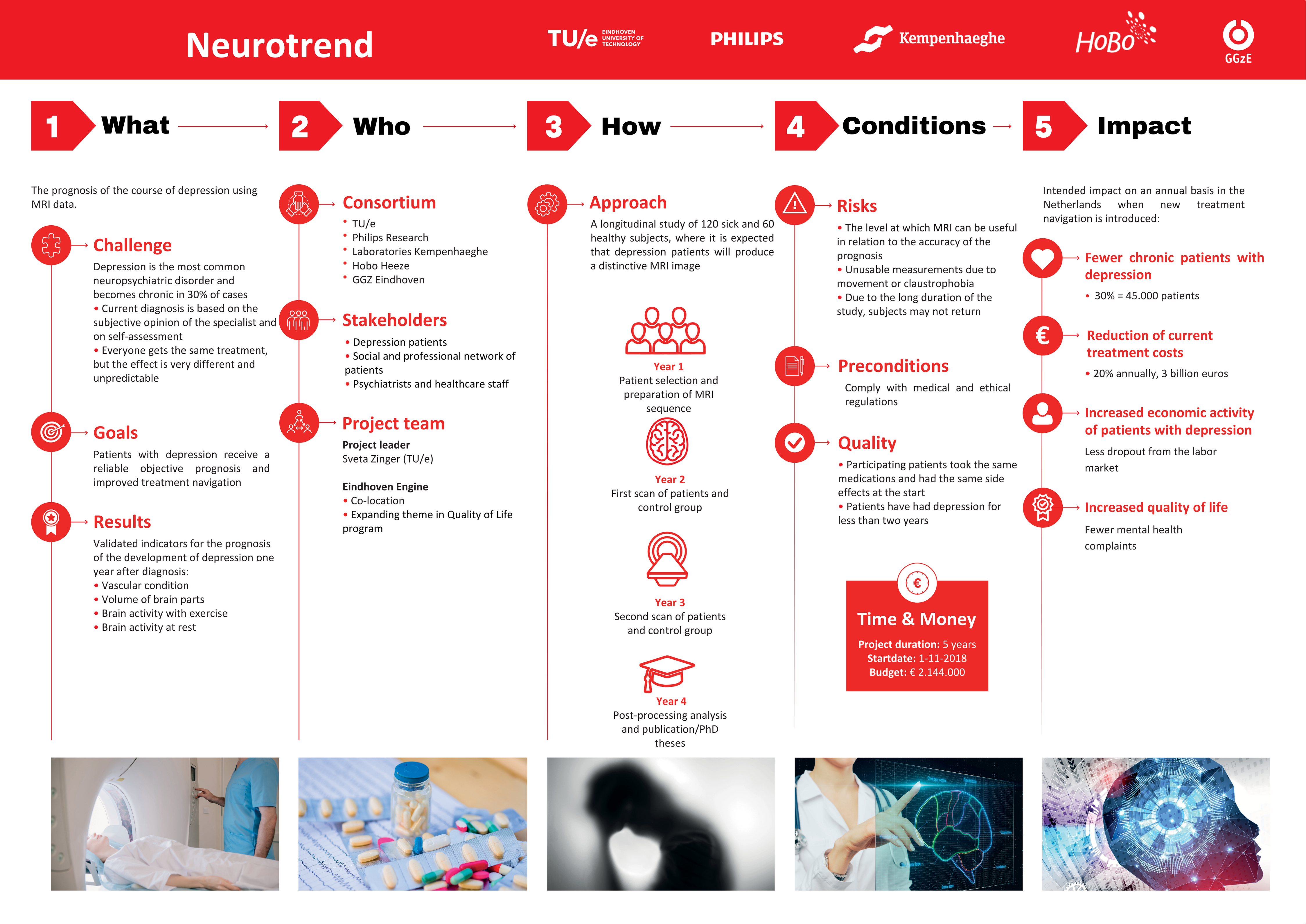
Infographic
Partners

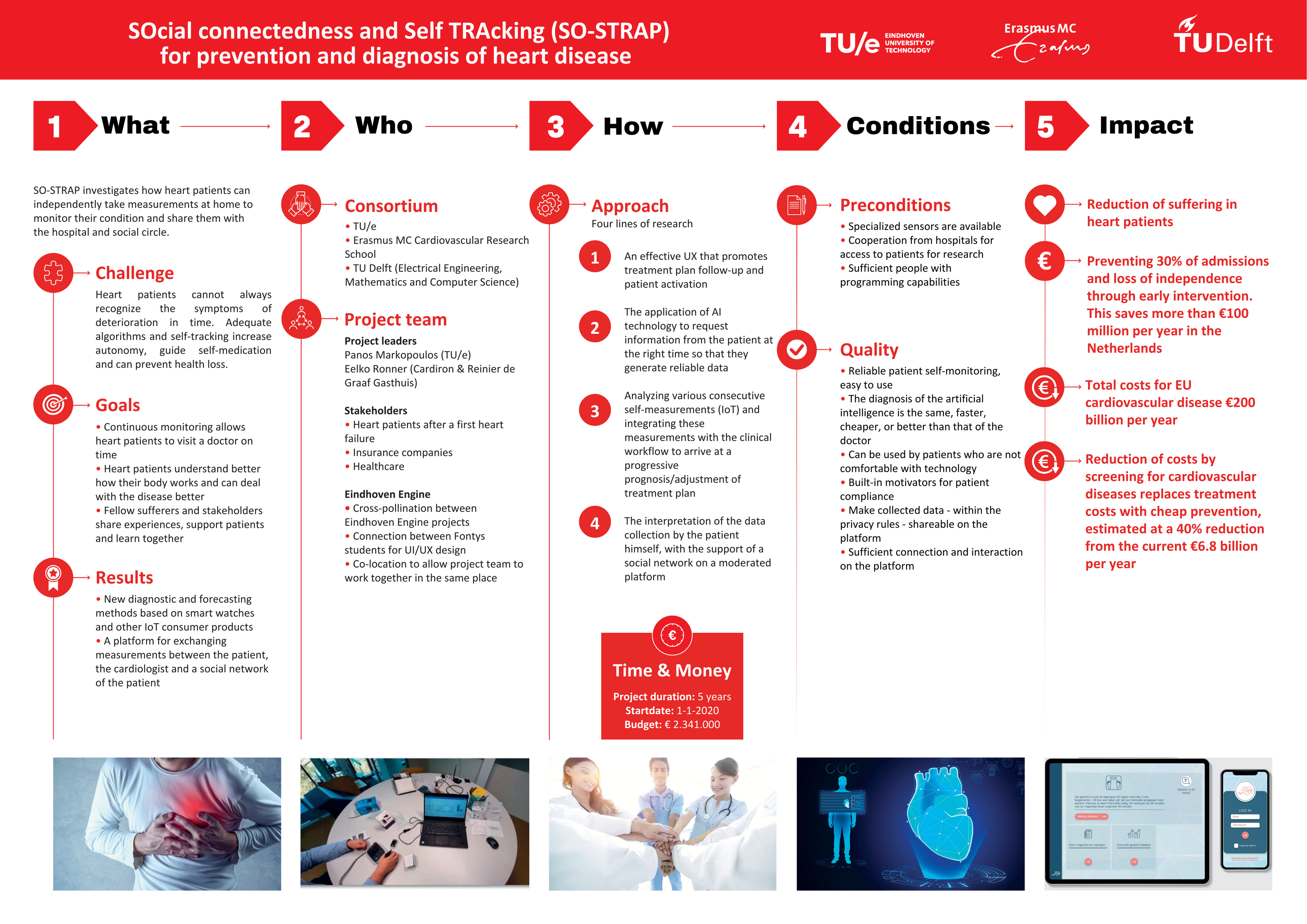
Infographic
Partners
Key results
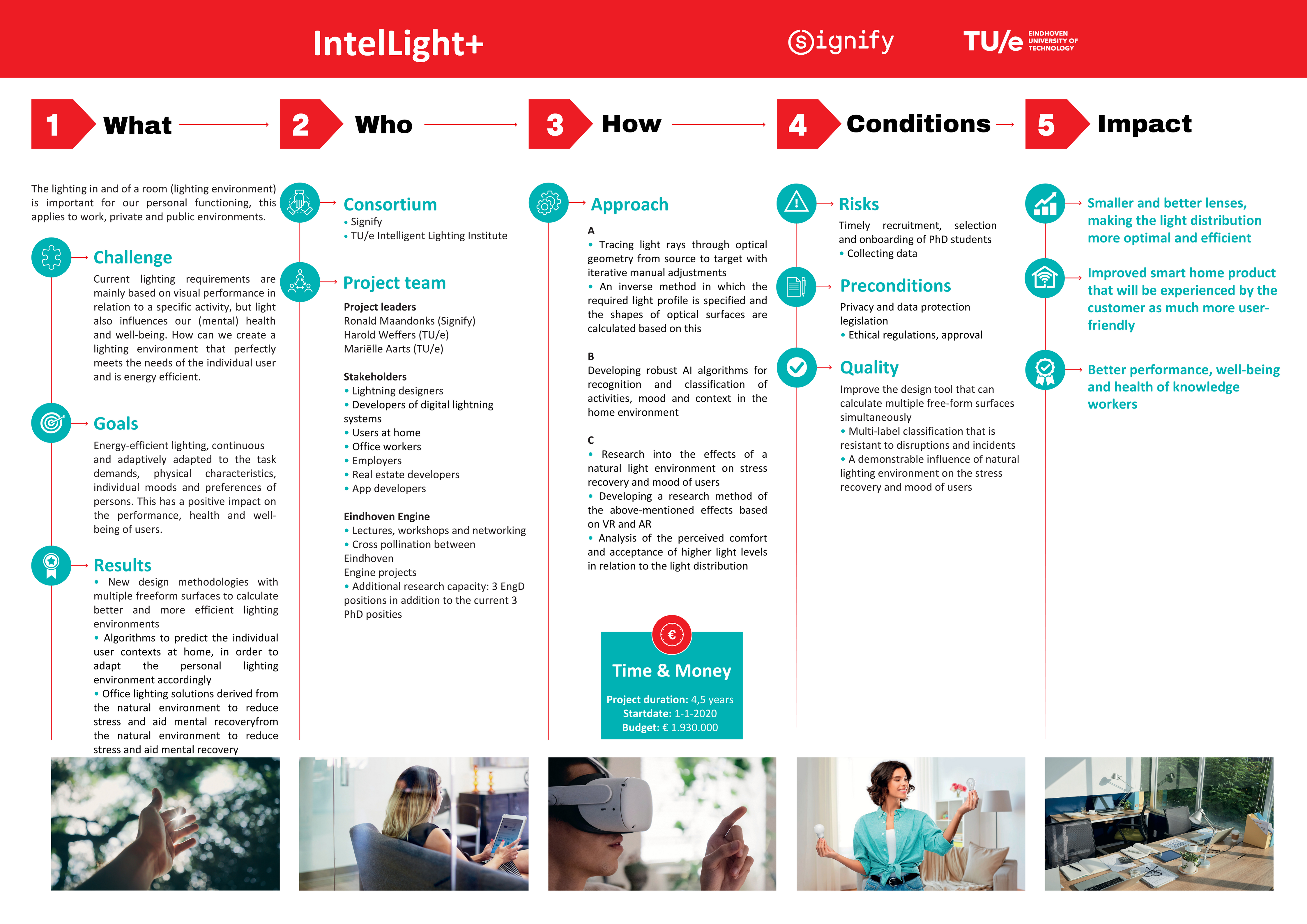
Intellight has achieved several key results, including the further development of models that use unlabeled and heterogeneous data. The involvement of both a PhD and an EngD candidate has been highly valuable. The EngD assignment significantly improved the software architecture, enabling future extensions, and the EngD extension project contributed strongly to overall progress.
The collaboration between the PhD and EngD researchers has also been inspiring: while the PhD student studies the restorative impact of natural and dynamic light patterns, the EngD candidate develops realistic and naturalistic ways to create such light scenes.
More about the project
A photorealistic simulation of dynamic natural light for perception in VR
Sietse, an EngD trainee on the Intellight project, is working on a photorealistic simulation of dynamic natural light for perception in virtual reality. Light is an environmental factor that directly and indirectly impacts human health and well-being through processes affecting circadian rhythm, arousal and alertness, as well as comfort and visual interest.
Infographic
Partners



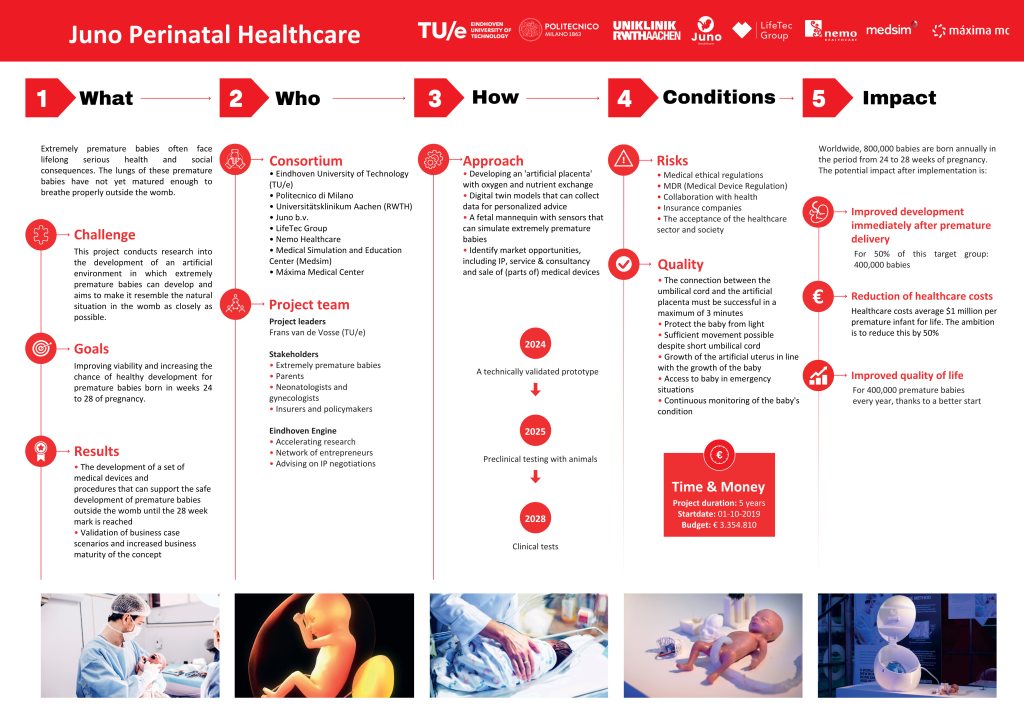
Infographic
Partners

Videos
Marieke van Beurden – Project leader
The POWerFITTing project focuses on the optimization of a person’s vitality both at work and the (home) office to remain healthy and productive.
Steven Vos – Professor Fontys & TU/e
We are optimizing the relationship between vitality and the (home) office environment. By taking into account individual, societal and contextual factors, this enables employees to remain both healthy and productive.
Hans Brombacher – PhD candidate
Hans, PhD candidate in the POWErFITTing project, researches the improvement of a healthier and active environment for people in (home) offices. By the combination of data acquisition, integration and application for the validation and acceleration of user-oriented solutions, Hans is optimizing the relationship between vitality and the (home) office environment.
Infographic
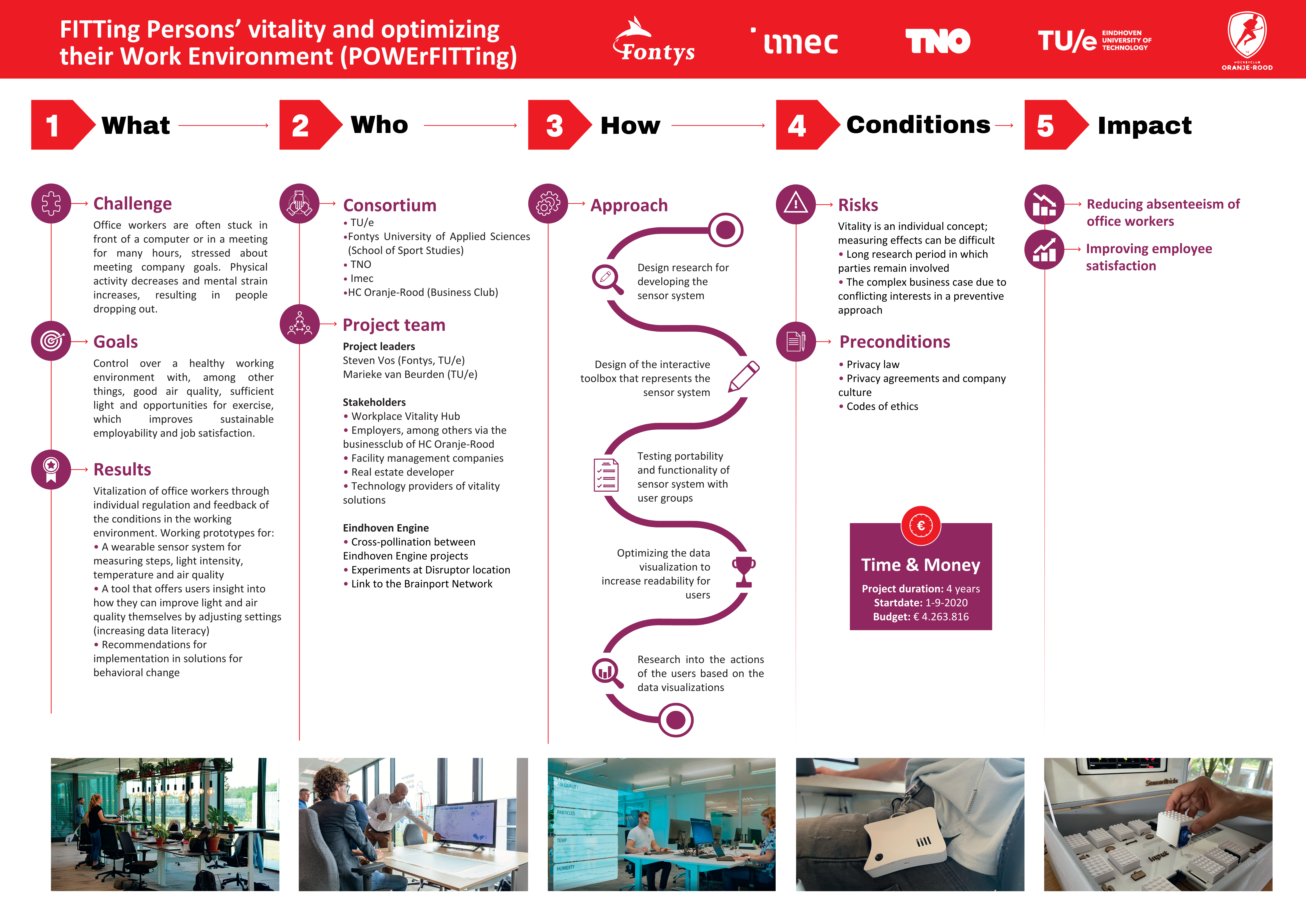
More project info
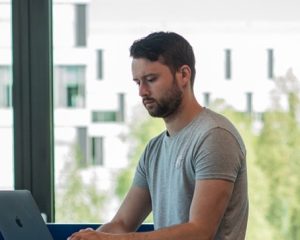
Human-data interaction to enhance office well-being
Moving faster!

Talkshow ‘a Vital Working Environment’
Partners

Proof‑of‑concept to market insights
We successfully developed a proof‑of‑concept scaffold using TU/e design tools and a new biomaterial‑focused fabrication process with submicron precision—suitable for stents, soft robotics, and tissue‑engineering structures. A custom mechanical testing setup was built, and in‑vitro studies with human vein cells showed strong cell growth, tissue organization, and cells building new tissues.
Market analysis confirms a highly competitive stent landscape. For AUXSTENT to succeed, it must lower costs and improve procedural efficiency—key priorities for the next development stage: three potential market strategies.
Partners:

Infographic