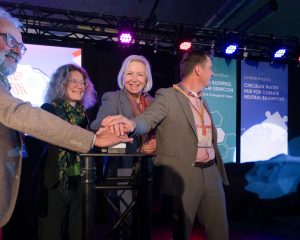
Sustainable mouth/nose mask consortium successfully concluded
In January 2021, Eindhoven Engine began a consortium with SionBioText BV, specialist in FFP2 mouth/nose masks, and research institute TNO to develop and test a sustainable FFP2 mouth/nose mask for healthcare: the ProM mouth/nose mask.
Impression photo
Our motivation was the global supply problem of FFP2 masks at the start of the corona pandemic in 2020 and the environmental impact of these masks. With the ProM mouth/nose masks, Europe no longer has to depend on the supply from Asia because the production of these masks takes place in Europe and can be quickly scaled up, while the FFP2 masks are also more environmentally friendly throughout their lifespan. This project was successfully concluded at the end of 2022 and was supported by Small Business Innovation Research (SBIR) of the Netherlands Enterprise Agency and the Ministry of Health, Welfare and Sport.
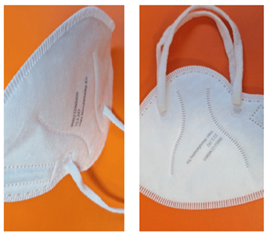
Sustainable, lighter and high comfort
ProM mouth/nose masks are incredibly sustainable as they are made almost entirely (95%) from renewable, biological resources: PLA with bio-based polypropylene (PP) for filtration and recycled steel for the nose bridge. In addition, the mask is about 30% lighter than regular mouth/nose masks made of polyphenylene ether (PPE), requiring fewer raw materials to produce the mask. Last but not least, the mouth/nose mask is also highly comfortable to wear. From mid-2024, the production of these masks will take place entirely at co-developer and manufacturer SionBiotext BV in Maastricht, thereby ensuring better security of supply.
“During the corona epidemic, it was all hands on deck, focused on the short term. Together with the other project partners, TNO is proud to have now also contributed to a more sustainable and structural solution for personal protection during epidemics.”
Certification and market readiness
This consortium worked on a prototype FFP2 mouth/nose mask, successfully testing its (technical) feasibility, business case, wearability and contribution to sustainability. In the final phase of this project, a lifecycle analysis (LCA) was also performed for the mask. The analysis proves that it is possible to develop and produce an FFP2 mouth/nose mask made of PLA and bio-based PP. Among other things, the LCA tests show that these masks have some 72% lower CO2-related environmental impact throughout their lifecycle compared to a conventional PPE mouth/nose mask. The next step is to certify these masks.
Due to these positive results, consortium partners Eindhoven Engine, SionBioText BV and TNO are looking ahead confidently to the next phase of the SBIR development process in which the certification and production of the ProM mouth/nose mask can take place. The partners are currently engaged in talks on certification and on delivering the first certified mouth/nose masks.
Are you interest to join the next phase?
Energetic start of 2023
We are only a few months into 2023 and so much has already happened! For Janne, as the new managing director, these are intensive weeks: full of getting to know all the people who have a warm heart for us and who discuss and share their thoughts with us as critical friends, such as our partners at Fontys, TNO and TU/e, our advisors and our other Brainport partners.
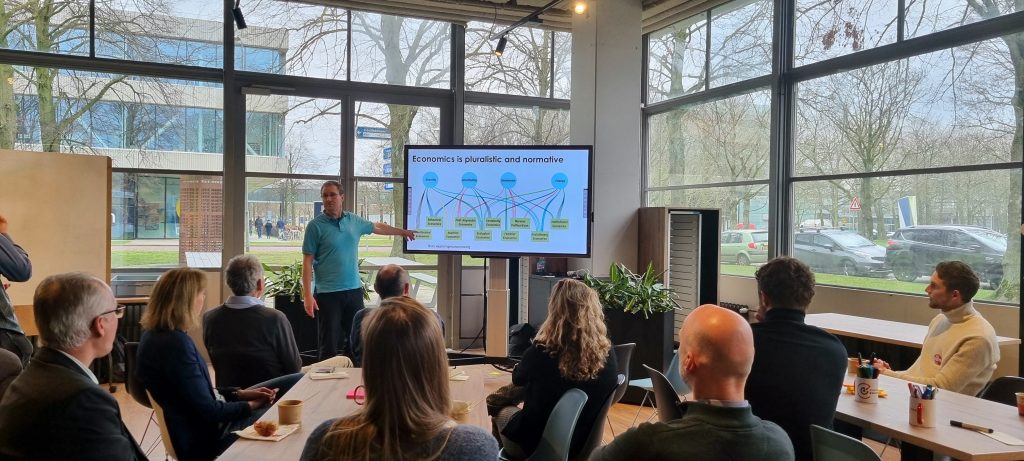
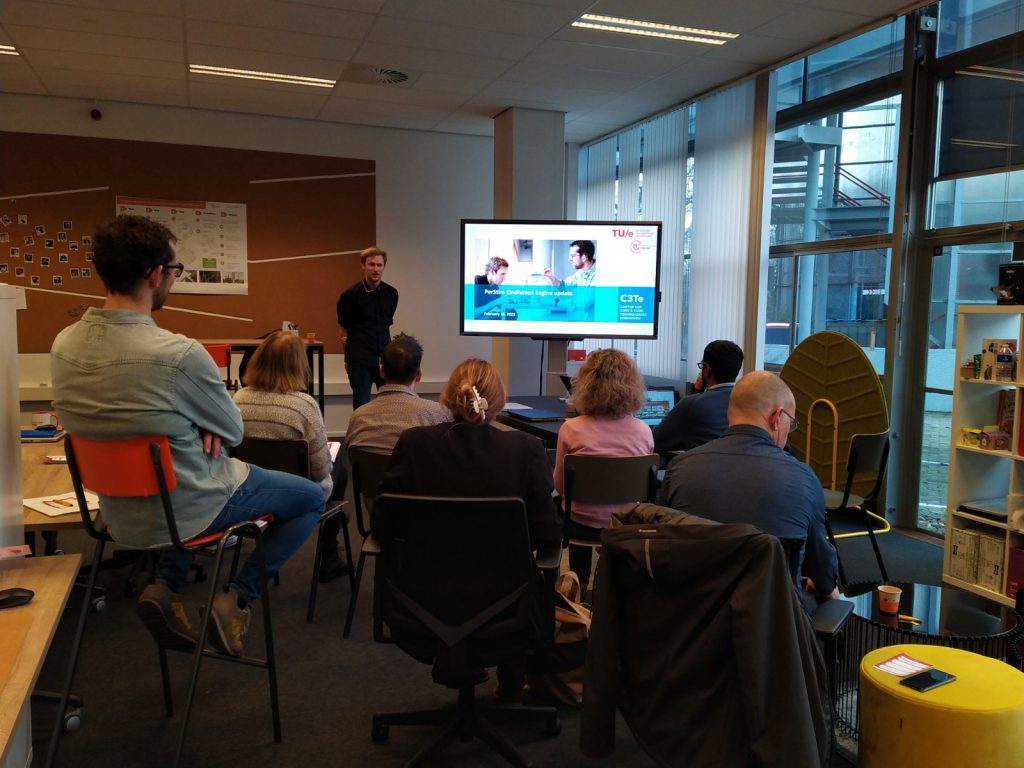
Let’s disrupt 2023 lunch
“It is so nice to get acquainted with the Eindhoven Engine projects, which are very diverse in terms of technical subjects,” says Janne. “Being engineers, we like this! In other respects, the projects are very similar: the energy and inventiveness are high. And also the involvement with each other, as shown, for instance, in the 5-weeklys.”
What also became clear in the past two months is that it is getting busier and more dynamic at our beautiful location in Disruptor. It is often a puzzle to find a workplace or workshop space for everyone with the increasing number of activities of projects and student groups. How different this was only half a year ago. It means a lot to us as the Eindhoven Engine core team: now that the COVID time is definitely behind us, we see the fruits of our efforts to turn our offices into a vibrant innovation location.
We are also making plans for the future: Maarten (Steinbuch, scientific director at Eindhoven Engine) and Janne are busy working out two scenarios for the future of Eindhoven Engine, aligning with the Brainport agenda and in close consultation with our critical friends. More on this later in the year. Stay tuned!
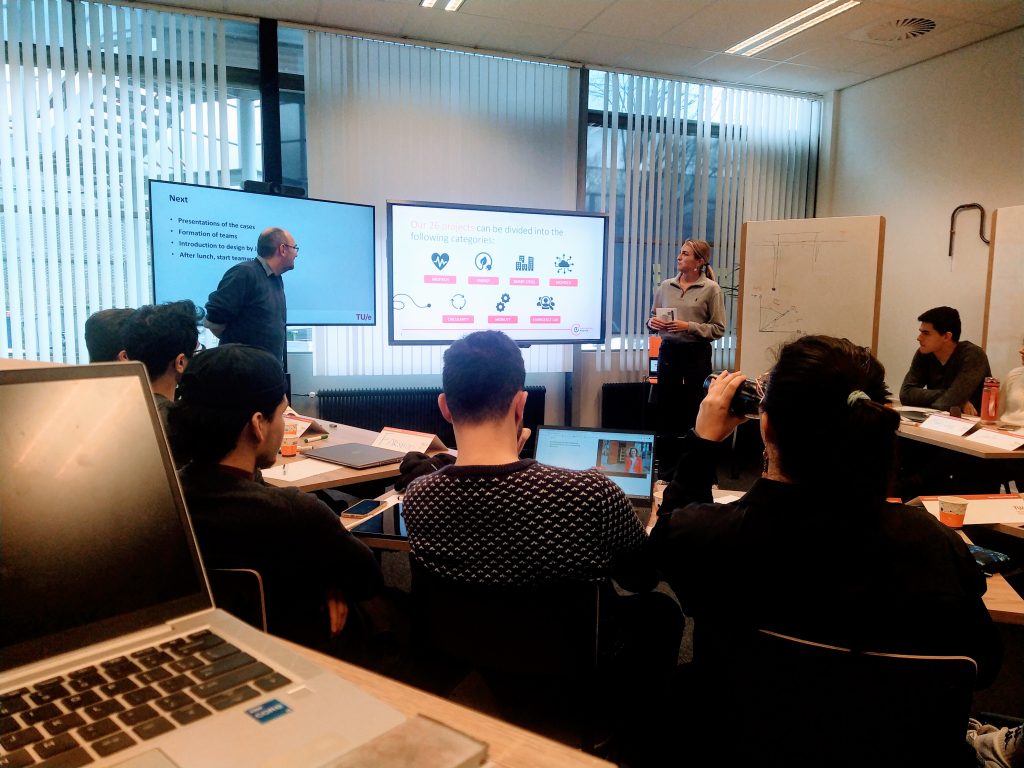
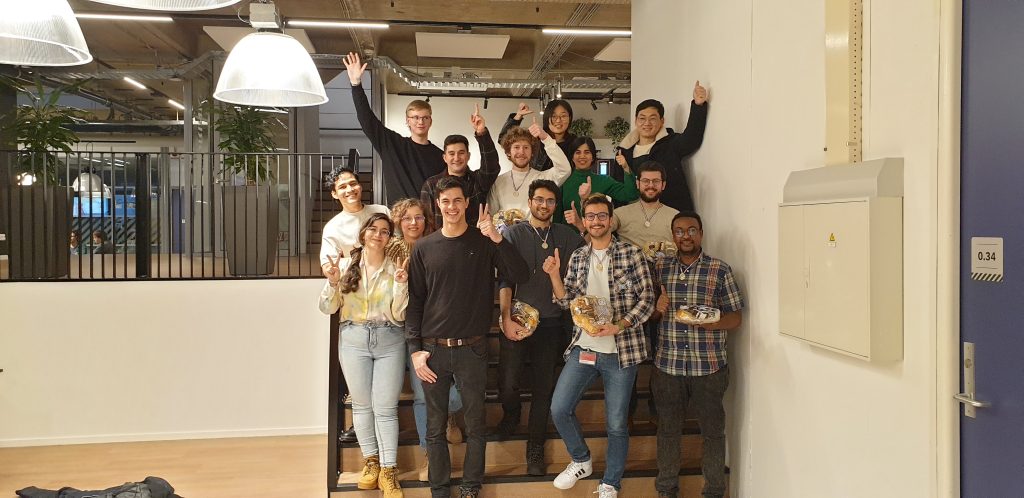
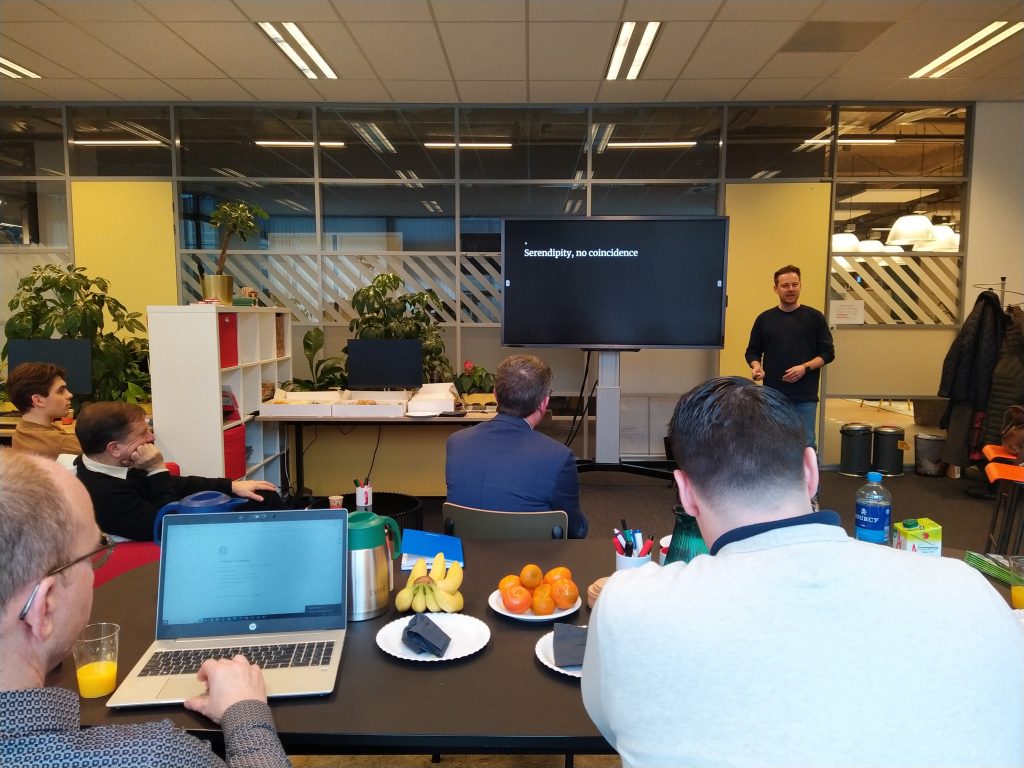
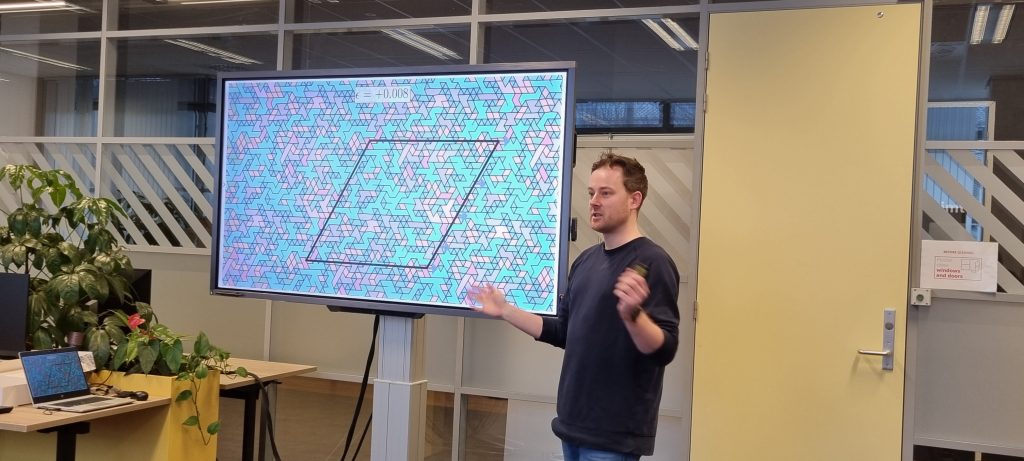
Events in January and February 2023
A simulation of emergency vehicles in connected and autonomous traffic
Part of the SmartTwo+ project
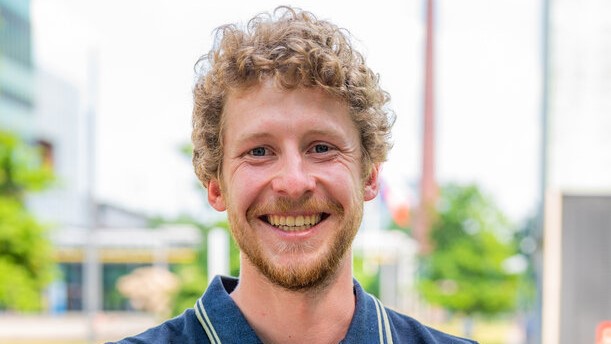
Meet Giel Oosterbos. Giel is an EngD graduate of the Smart Cities and Buildings EngD program and does his graduation assignment within Eindhoven Engine project SmartTwo+.
Traffic in the built environment has more and more access to linked open data. Through smart use of communication between vehicles and road network the traffic flow can be improved. The SmartTwo+ project investigates the possibilities of this improvement. How will road traffic evolve in the future and how can emergency services benefit from this evolution? I’m Giel, an EngD graduate from the SmartTwo+ project, and these are the overarching questions that have been puzzling me for the past two years. There is a broad consensus that road traffic will radically change in the coming decades.
On the one hand, vehicles will be enabled to talk to each other and to the road infrastructure, constituting a connected traffic system. On the other hand, vehicle-driving functions will be increasingly automated on the path to fully autonomous vehicles. These transitions are expected to reduce the number of road accidents drastically, resulting in fewer road deaths and serious injuries. This is specifically relevant to emergency services as their operation typically entails high-pressure situations involving many risks.
Research in communication devices
In my research, I proposed three applications that employ communication devices to reduce the response time of emergency services and improve their safety in traffic. The first two applications were evaluated in large-scale simulations performed with the Simulation of Urban Mobility (SUMO) traffic simulator. The third application was tested in the realistic 3D traffic environment provided by CARLA, utilizing the Autoware.auto autonomous driving software.
Application 1
The Traffic Signal Priority Service allows emergency vehicles to request absolute priority from intelligent Traffic Light Controllers. This removes the need for emergency services to violate red traffic lights and was shown to increase their speed by roughly 20% with a minor impact on traffic flow.
Application 2
The Vehicle Rerouting Service redirects other traffic participants away from the emergency route, reducing the local traffic density for emergency services. The reduction in interactions with other vehicles improves safety and results in a decrease in emergency response time, which is similar to the Traffic Signal Priority Service. However, its negative impact on the traffic flow was found to be much larger.
Application 3
The Maneuver Coordination Service is designed to prioritize emergency vehicles at unsignalized intersections. This service requires that all vehicles involved share their current status and can autonomously adapt to a proposed trajectory.
Vision Zero
The investigation resulted in a formula to determine the minimum range at which the emergency vehicle should request its priority depending on the specific circumstances at the intersection. For the past two years, I have immersed myself in studying connected and automated mobility. I now consider it a crucial development in achieving Vision Zero by reducing the number of road deaths and serious injuries to nearly zero by 2050. At the same time, the Smart Cities and Buildings EngD program expanded my view and helped me to become a more confident professional. Soon, I will leave for a thrilling adventure in Nepal and plan my next career steps!
“My investigation resulted in a formula to determine the minimum range at which the emergency vehicle should request its priority depending on the specific circumstances at the intersection.”
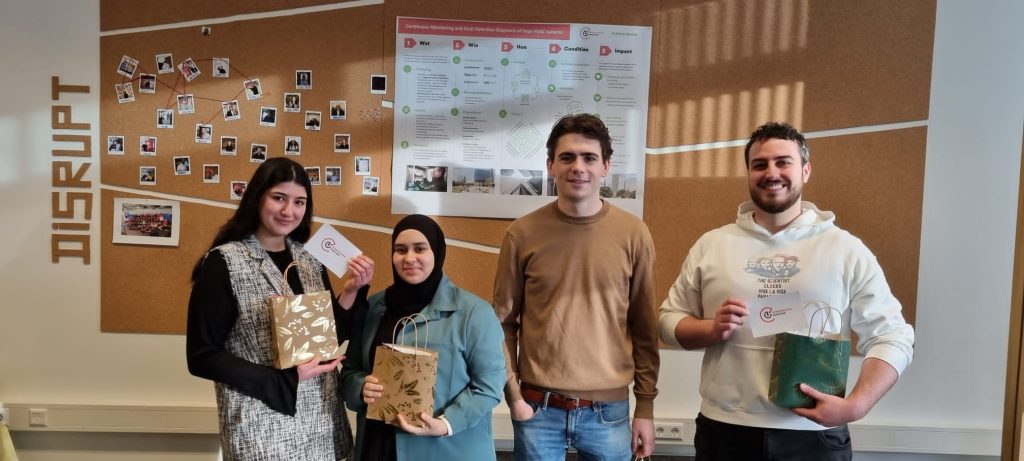
The built environment is responsible for about 36% of the global energy demand. About 5-30% of the energy use of buildings is related to energy waste due to faults in heating, ventilation and air conditioning systems. The goal is to develop a self-learning module that can monitor and diagnose climate systems in large buildings.
Generic, robust and reliable fault detection & diagnosis tool
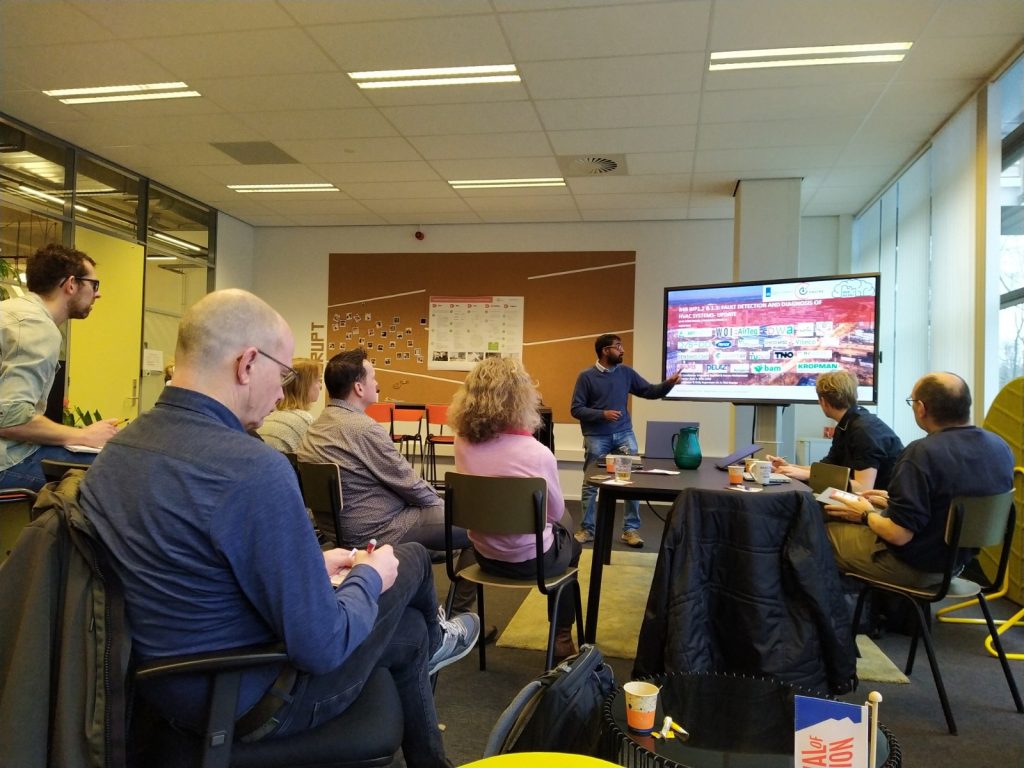
Rick Kramer is the leader of this project and Srinivasan is one of his PhD candidates. Srinivasan is focusing on developing a generic, robust and reliable fault detection and diagnosis tool that can help with the early detection of these faults and eliminate energy wastage.
Personalized control system in an office environment
Within this project, EngD trainee Petros is focusing on the people within large buildings. He is doing research on the control and functionality of a personalized control system that people will be able to use in their office environment to tailor it according to their needs and preferences.
Eindhoven Engine News – December 2022
In this edition of Eindhoven Engine News: the appointment of the new Managing Director Janne Brok, Brainport becoming Mainport, updates of two projects (IntelLight+ and Low Literacy) & more!
What else is happening at Eindhoven Engine?
Eindhoven Engine appoints Janne Brok as new managing director
On 14 December 2022, Dr.Ir Janne Brok joined Eindhoven Engine as managing director. “I’m very pleased with Janne’s appointment. Innovation acceleration and connection are a common thread through Janne’s career. She’s a connector and has experience working in and with ecosystems, which is why she’s a good fit in the role of director at Eindhoven Engine. I’m very much looking forward to our collaboration,” says Maarten Steinbuch, scientific director at Eindhoven Engine.
“In my current role as director at Bureau WO, I deal with the strategy regarding changes within ecosystems,” Janne explains. “Innovations can enter the market faster by including the larger context as a degree of freedom for change. With this approach, I hope to contribute to the success of Eindhoven Engine. I look forward to working with the energetic team in order to take Eindhoven Engine to the next level.”
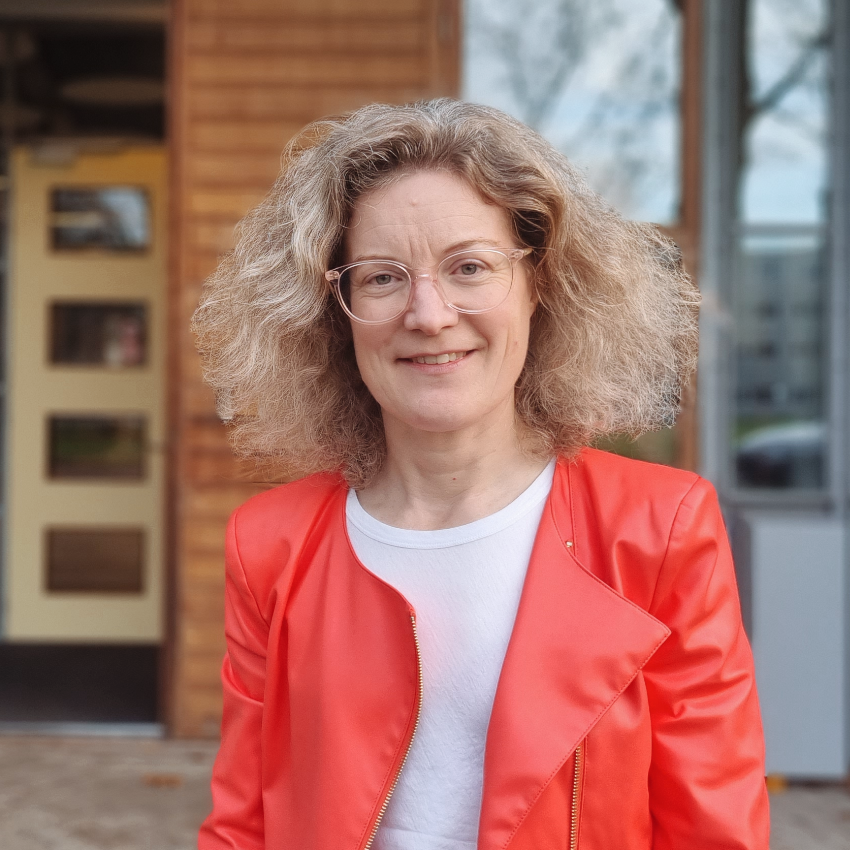
“Innovations can enter the market faster by including the larger context as a degree of freedom for change.”
Janne Brok | Managing Director Eindhoven Engine
Janne joins Eindhoven Engine at an excellent time. Following the successful OpenCalls and the current portfolio of innovation projects, she will work with Maarten Steinbuch and the team to further build on this success and shape the next phase.
Janne has been assigned to Eindhoven Engine for three days a week. In addition, she will continue to carry out her duties as director of Bureau WO.
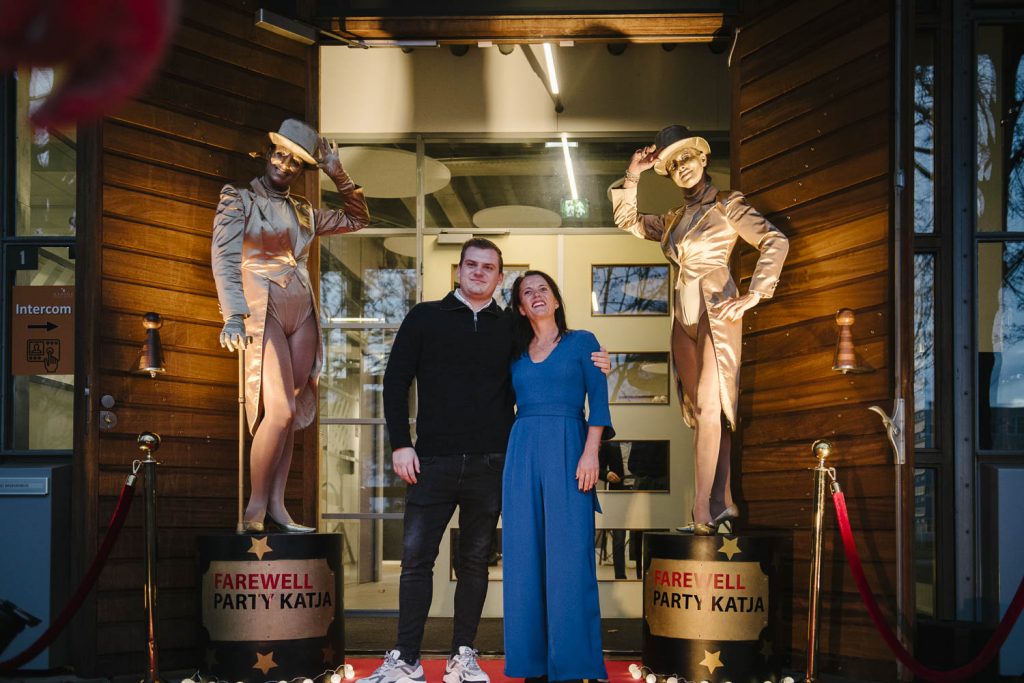
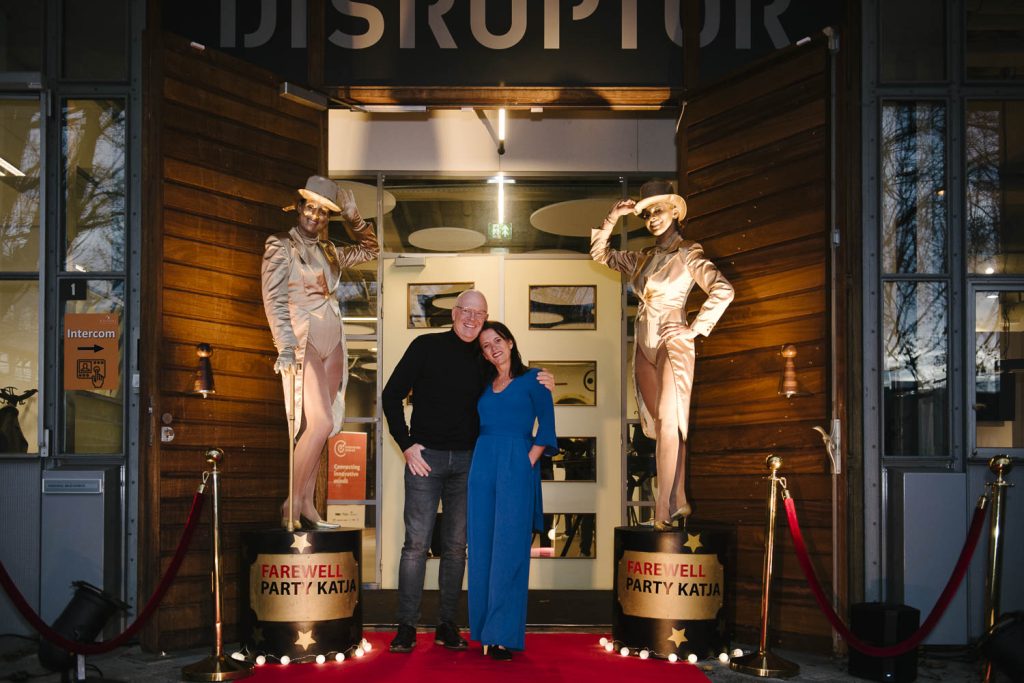
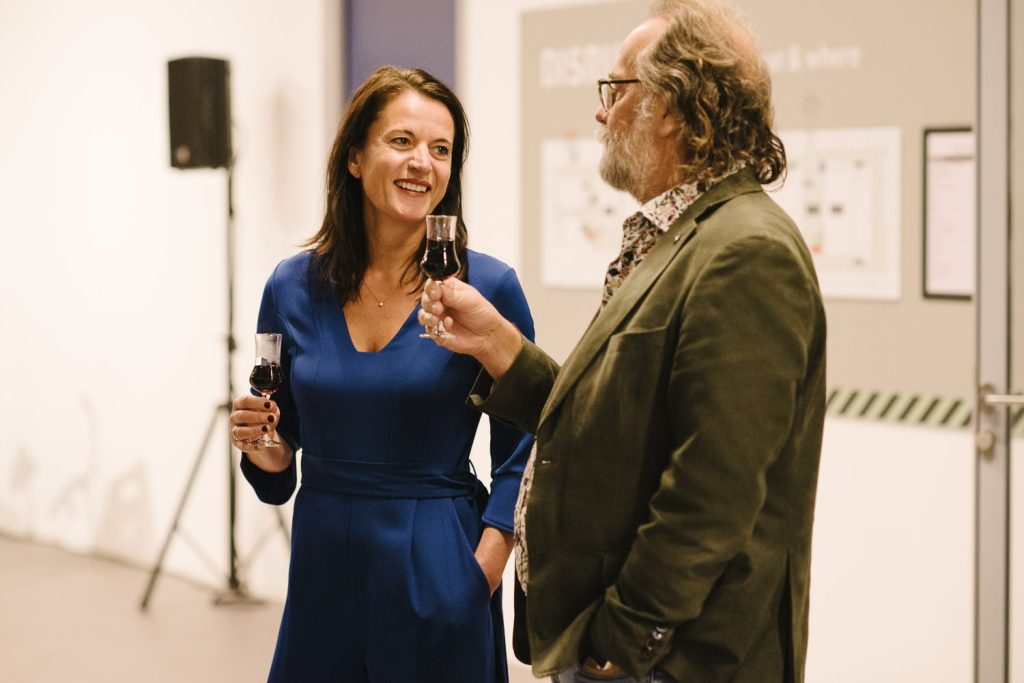
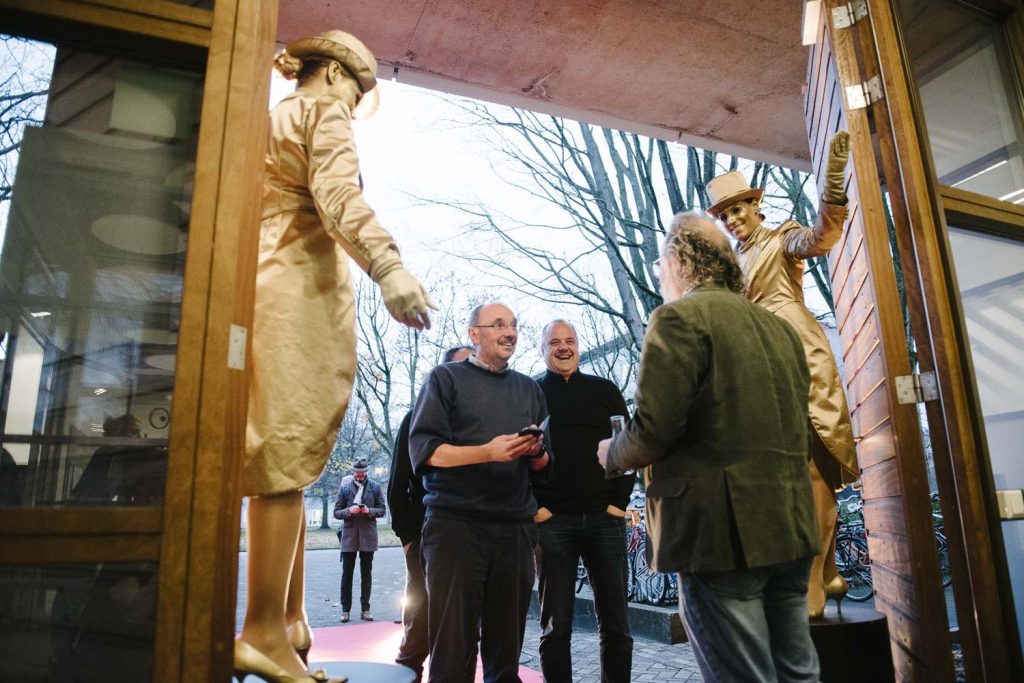
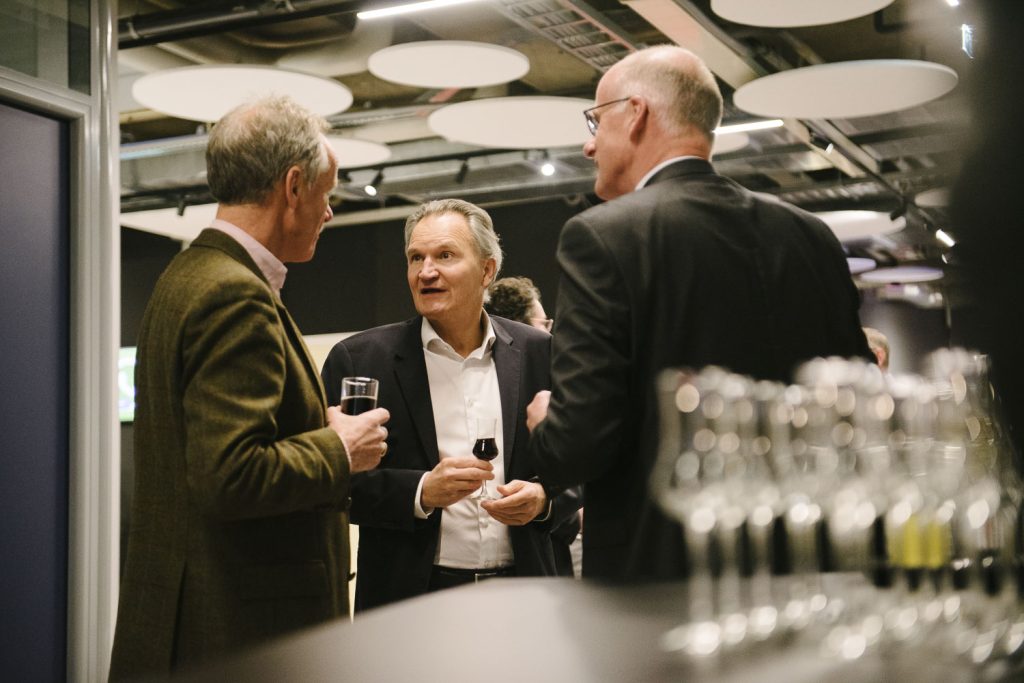
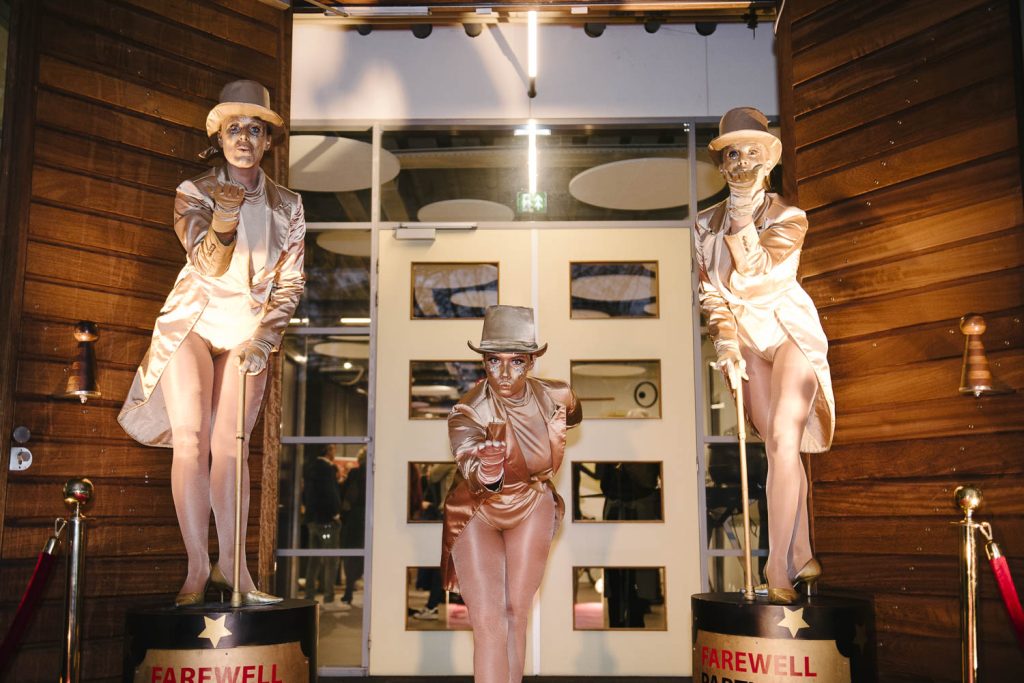
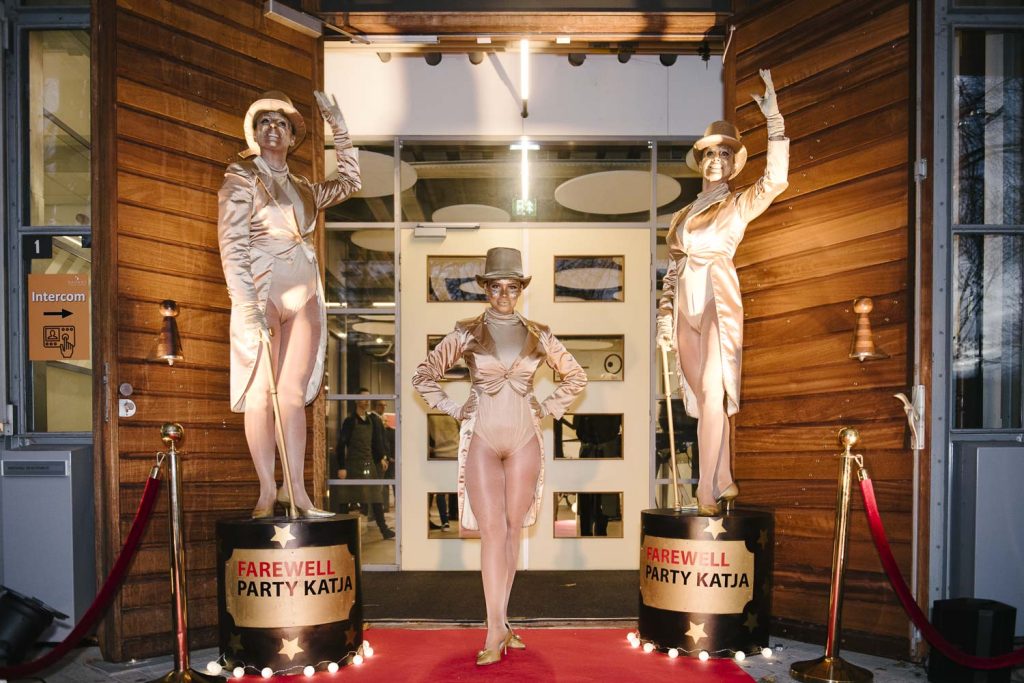
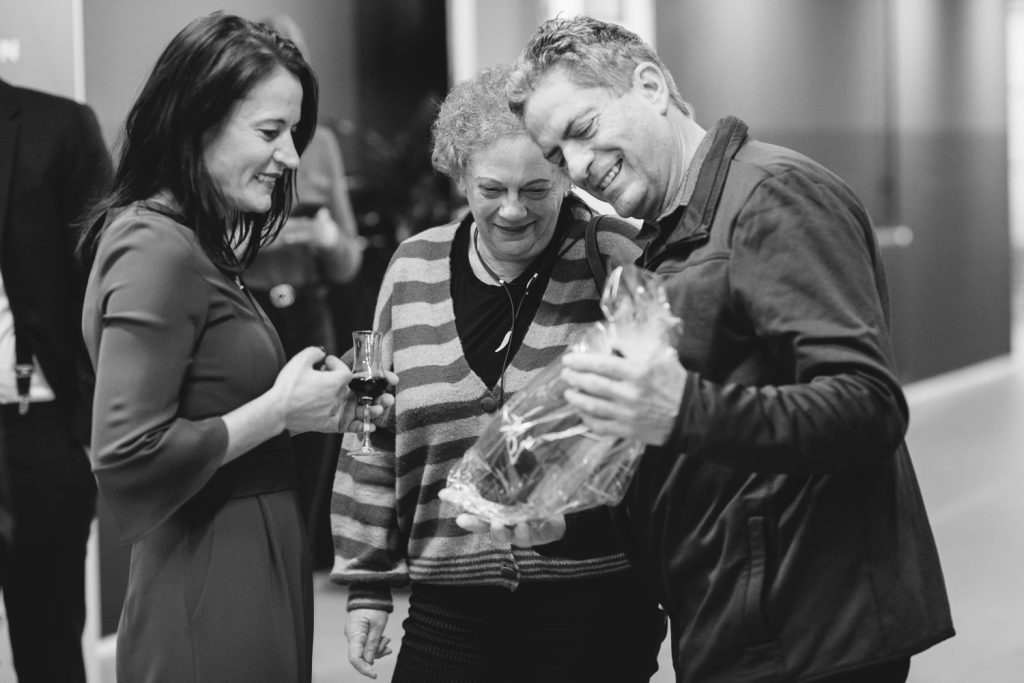
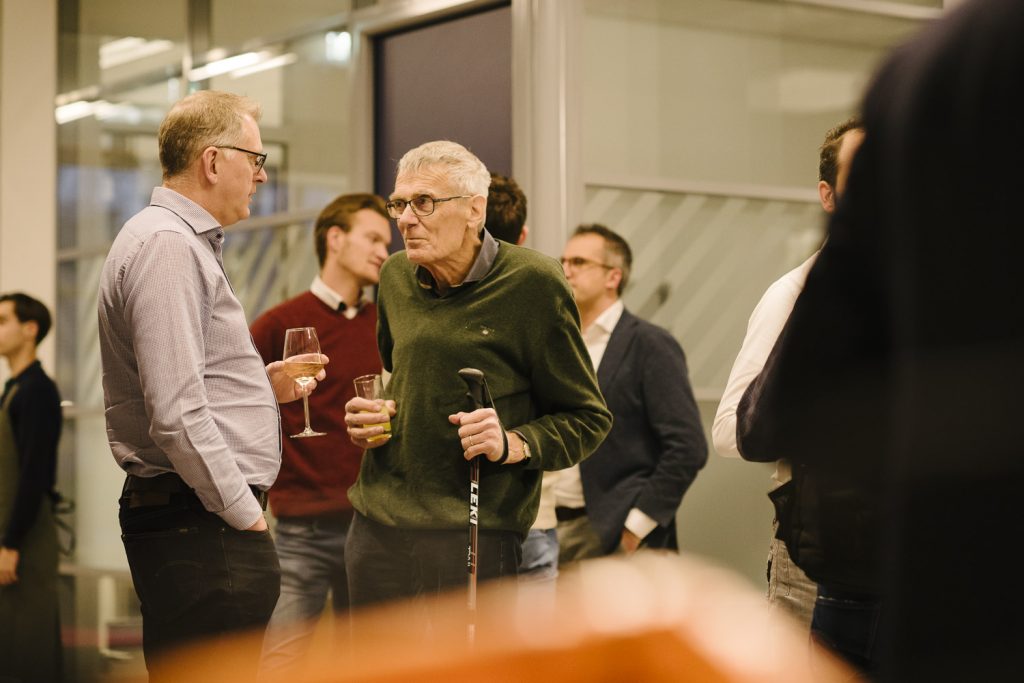
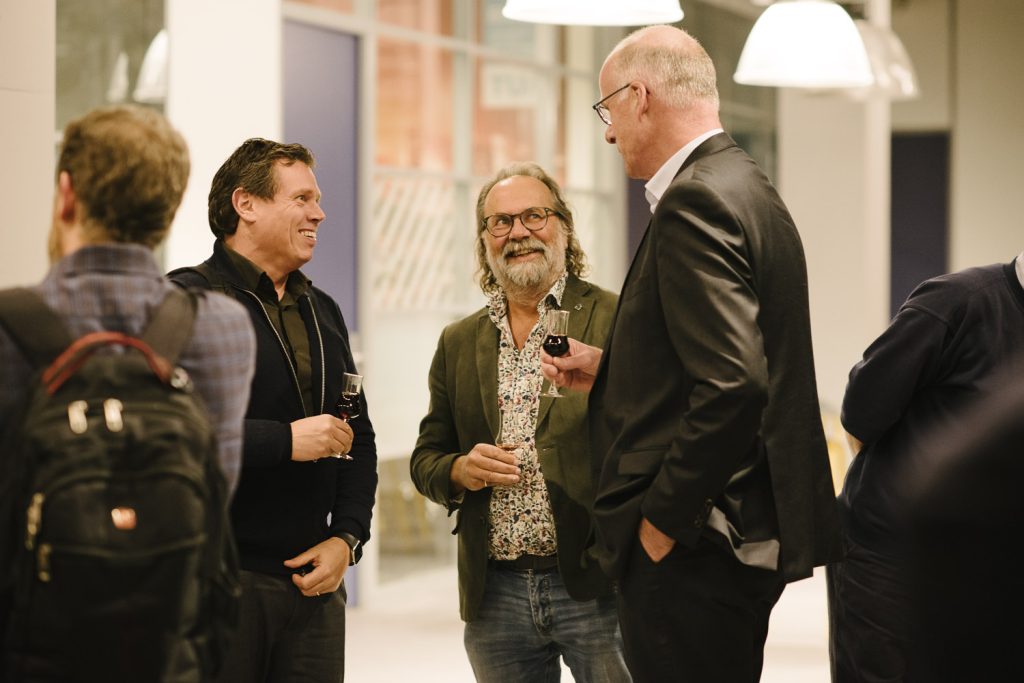
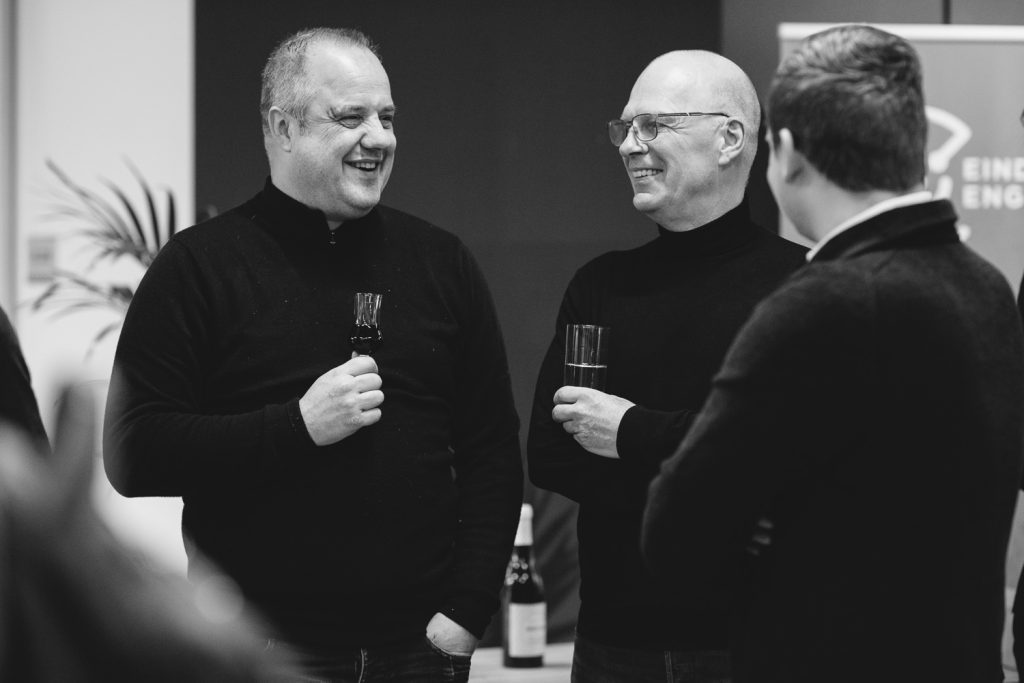
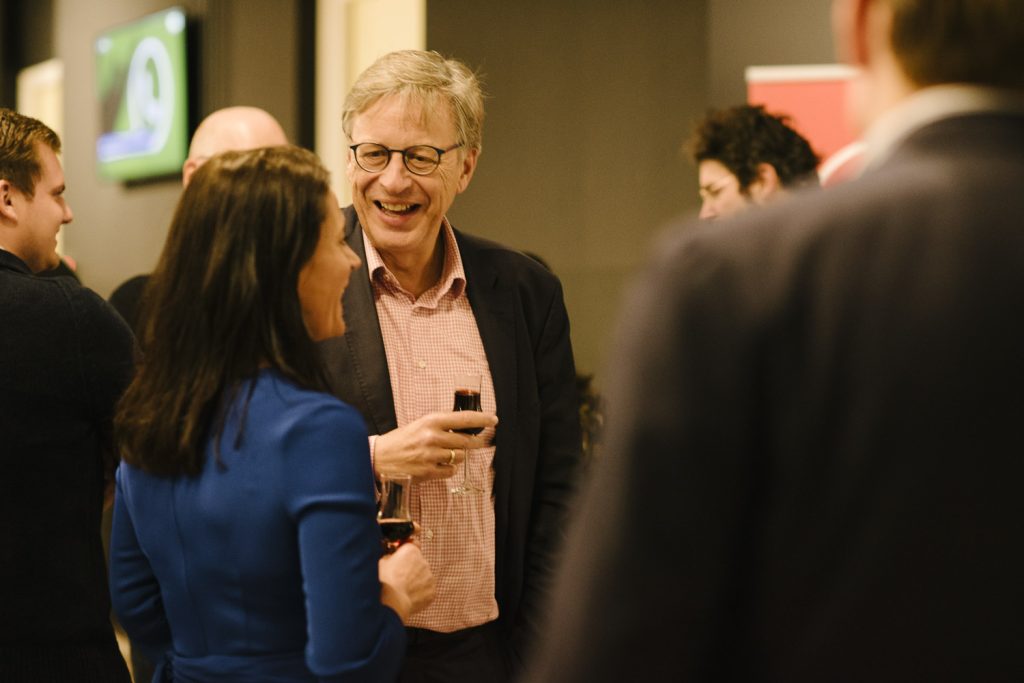
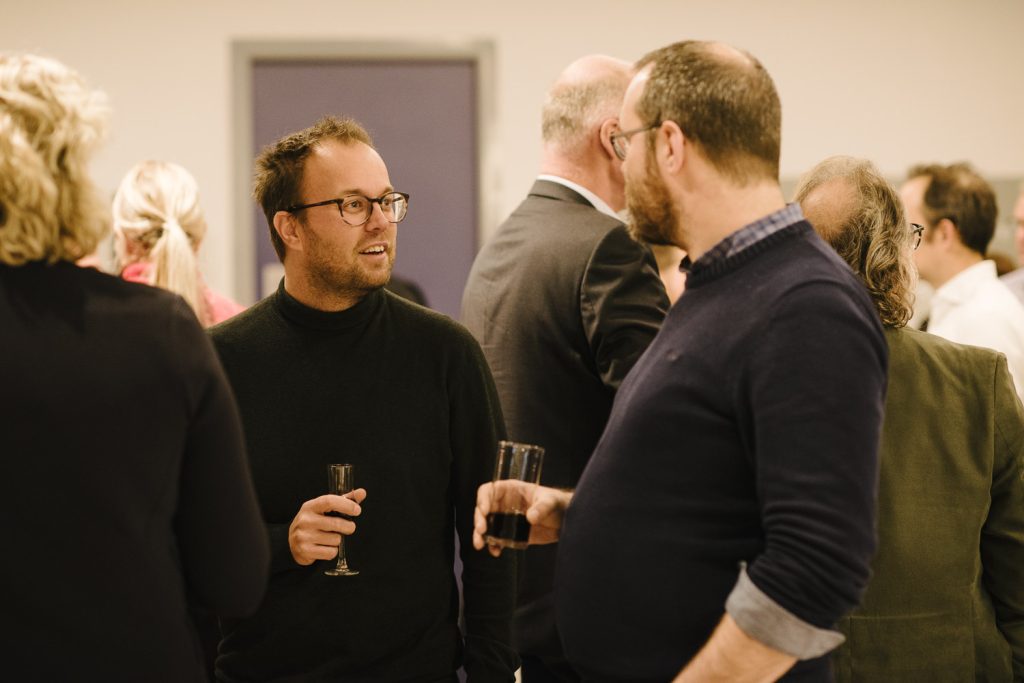
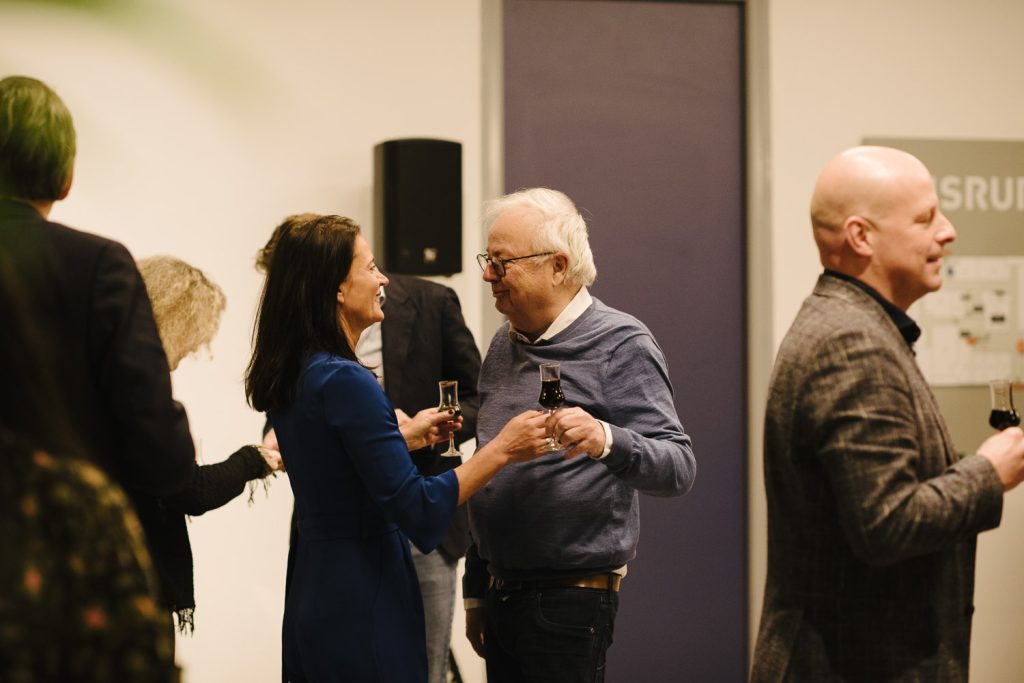
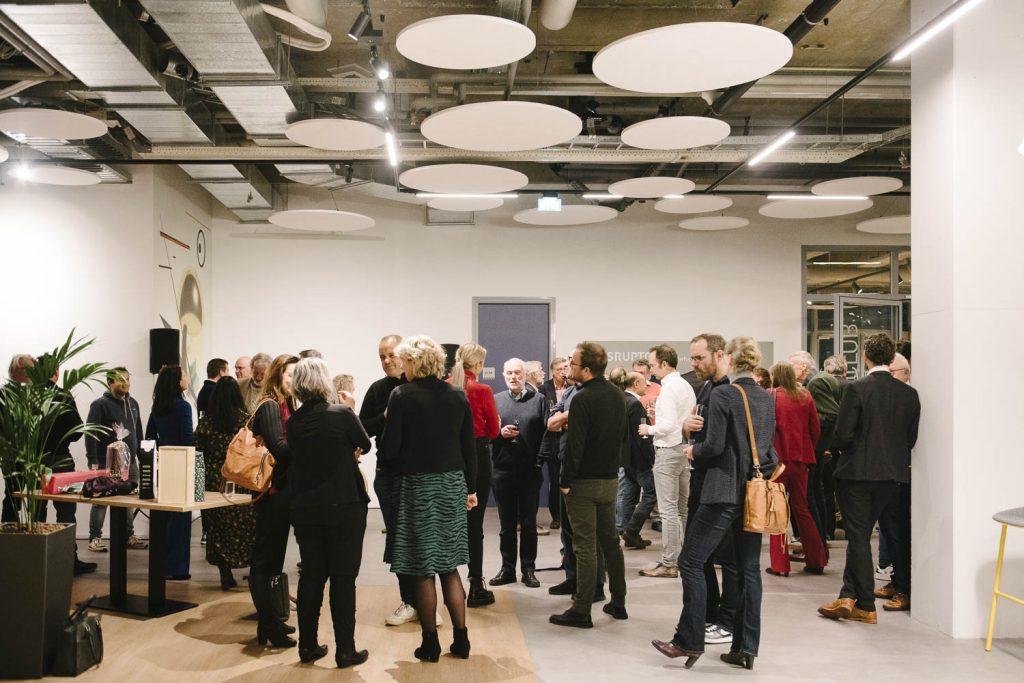
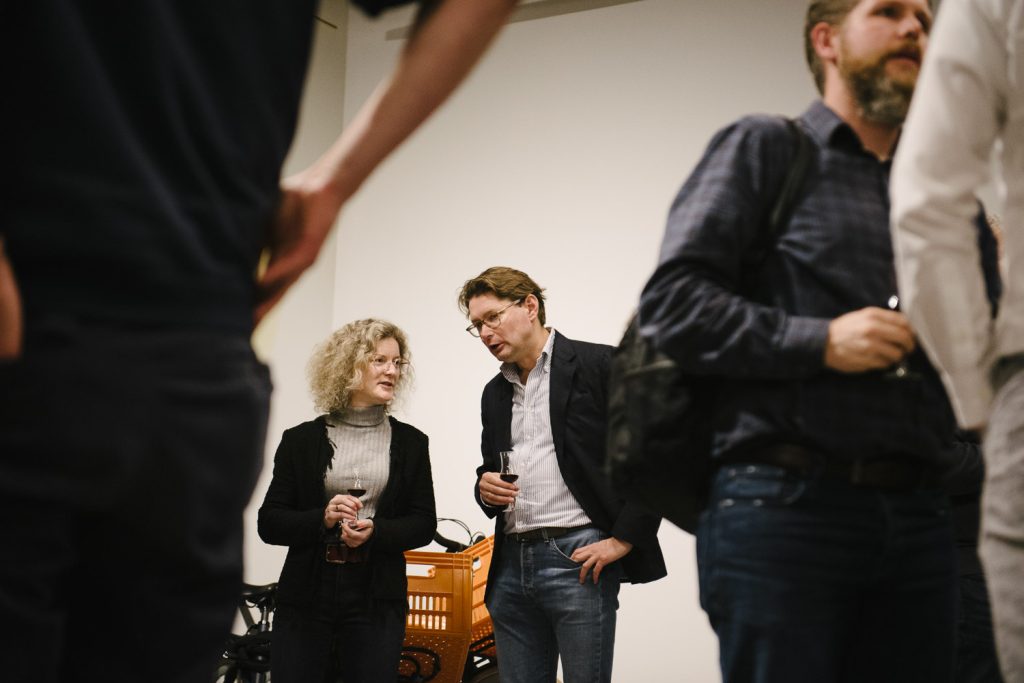
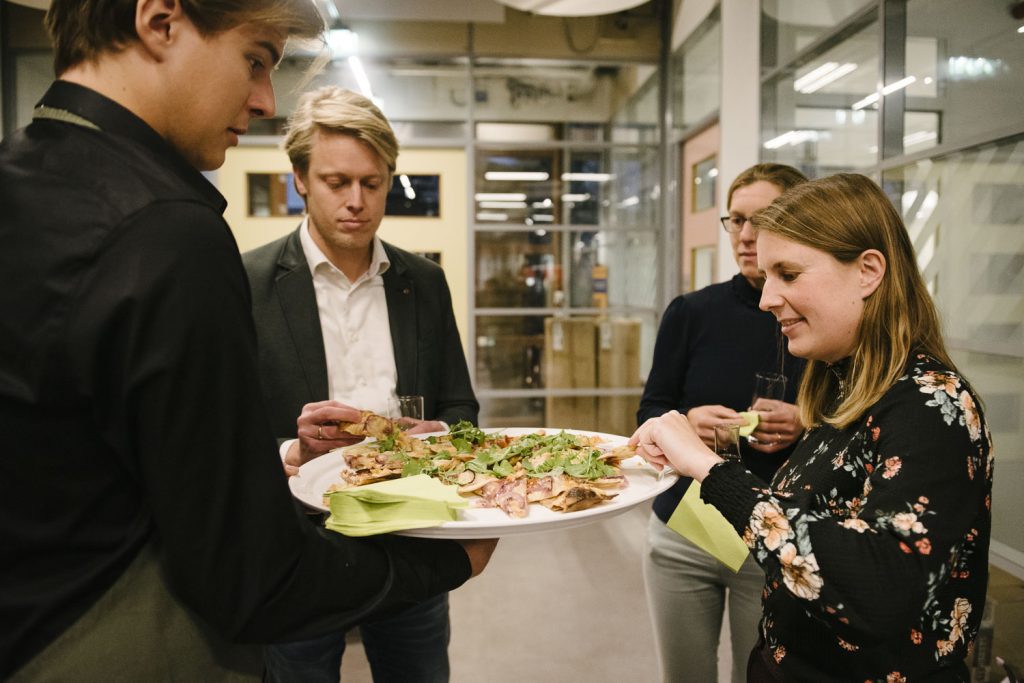
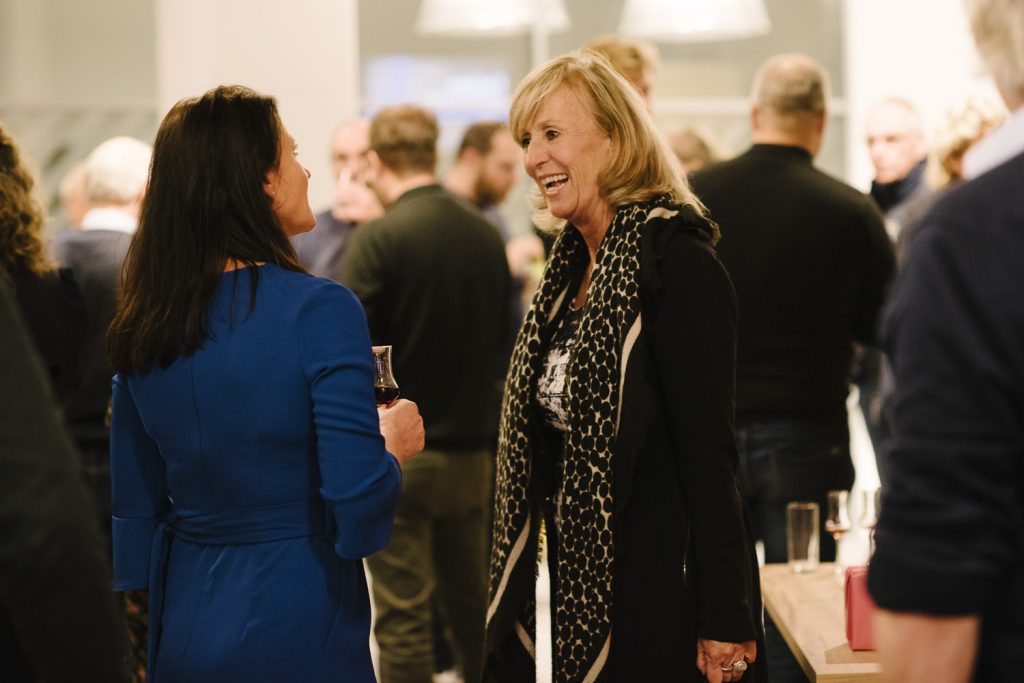
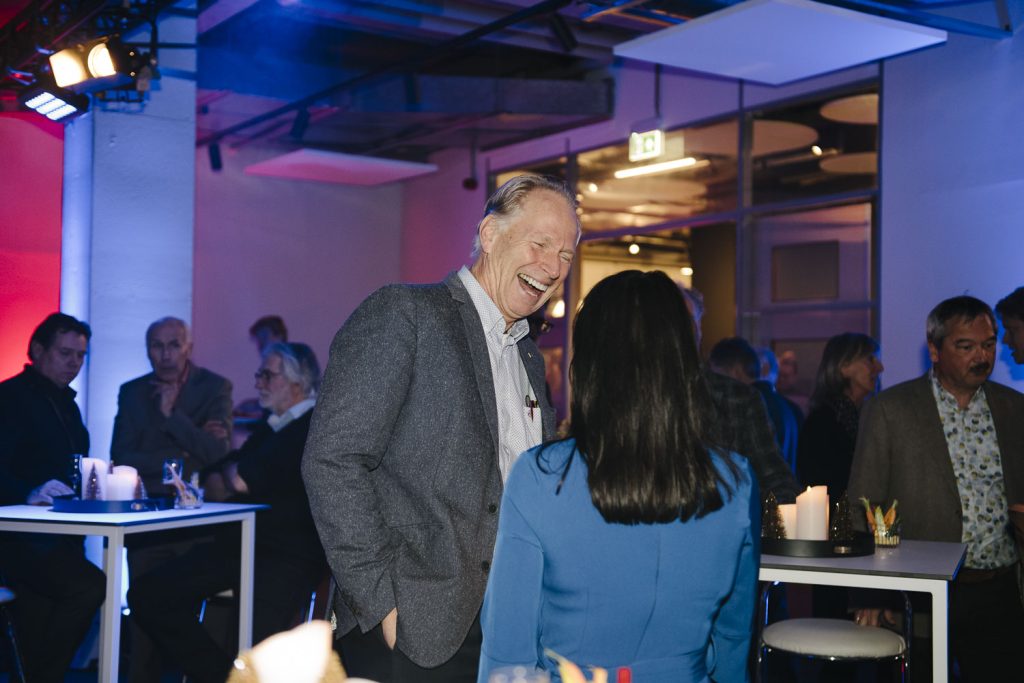
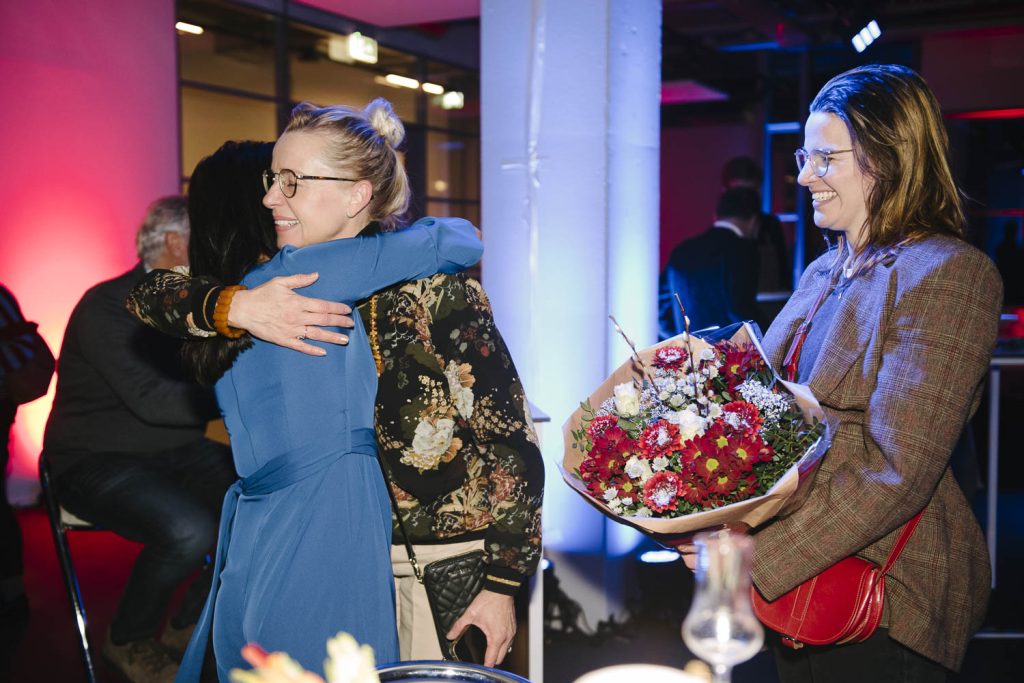
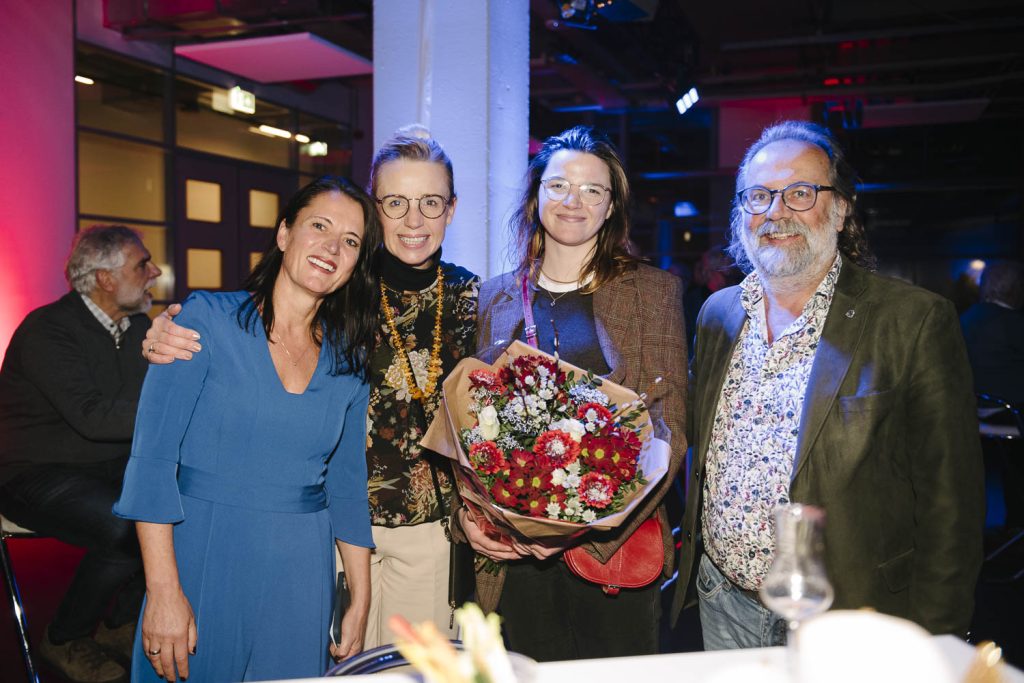
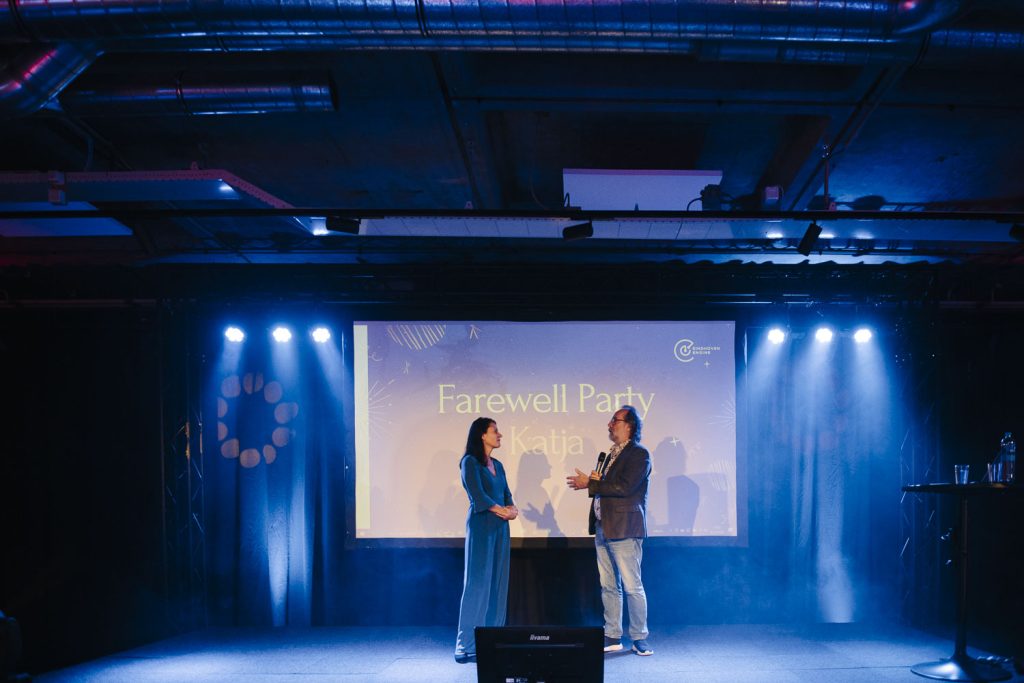
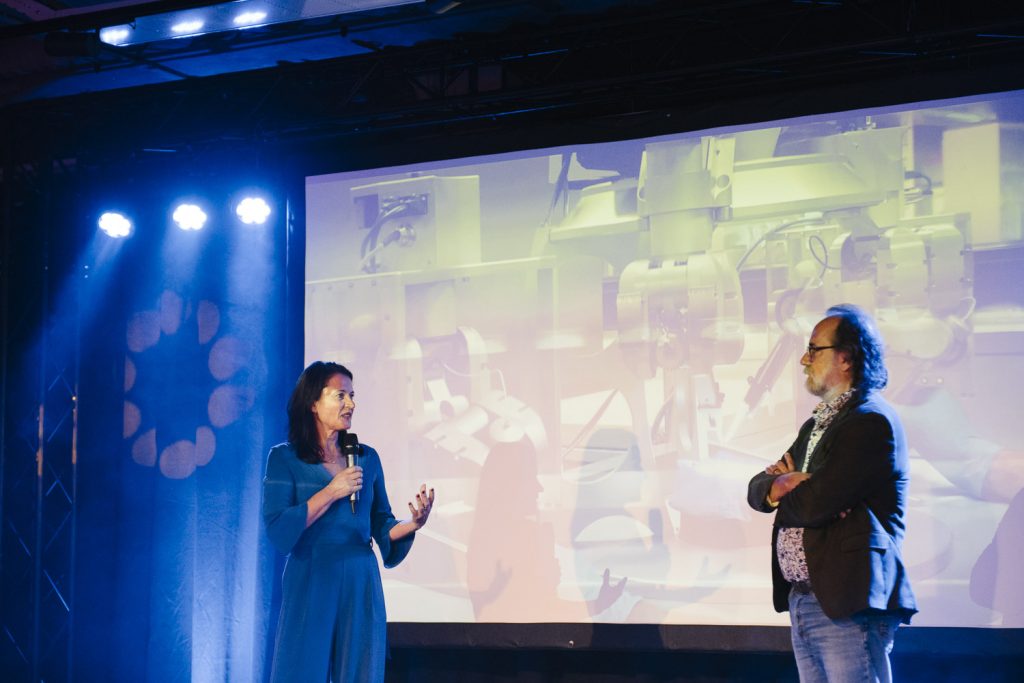
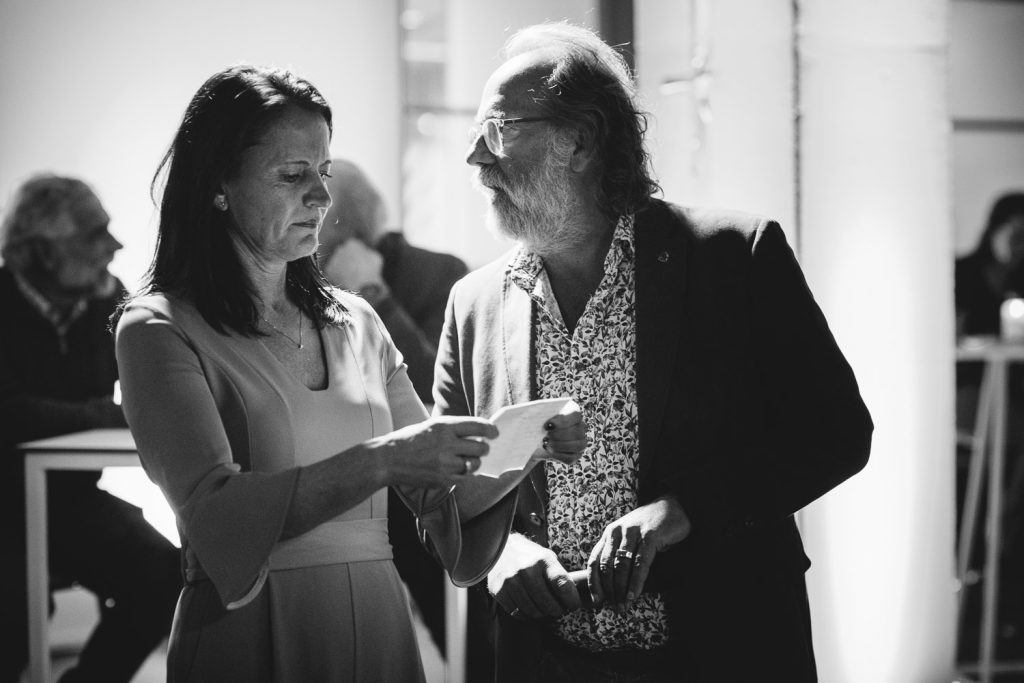
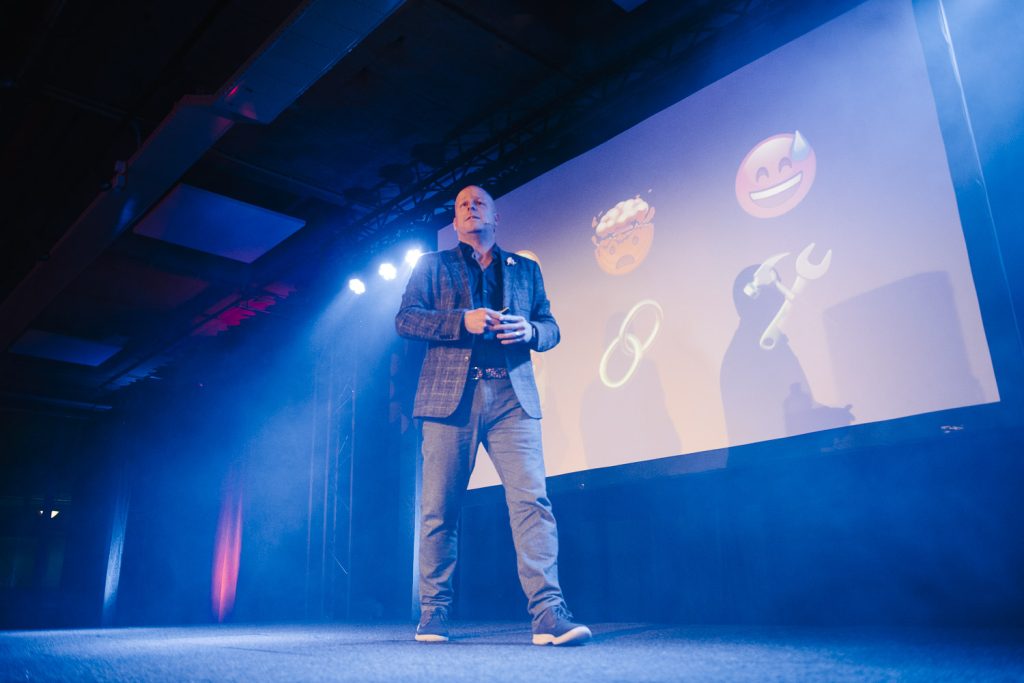
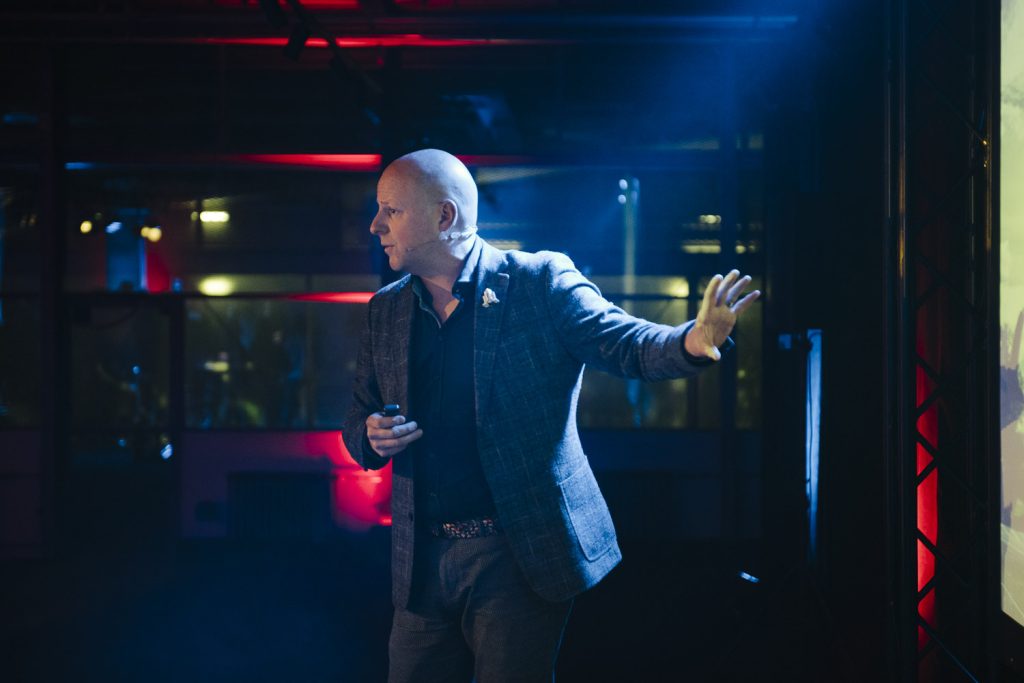
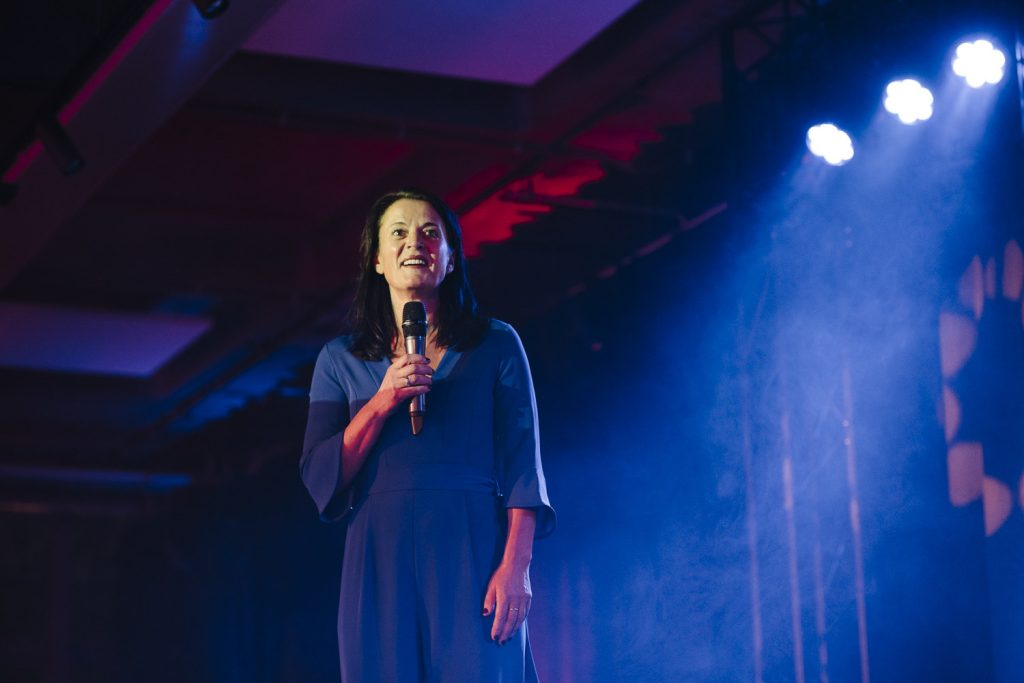
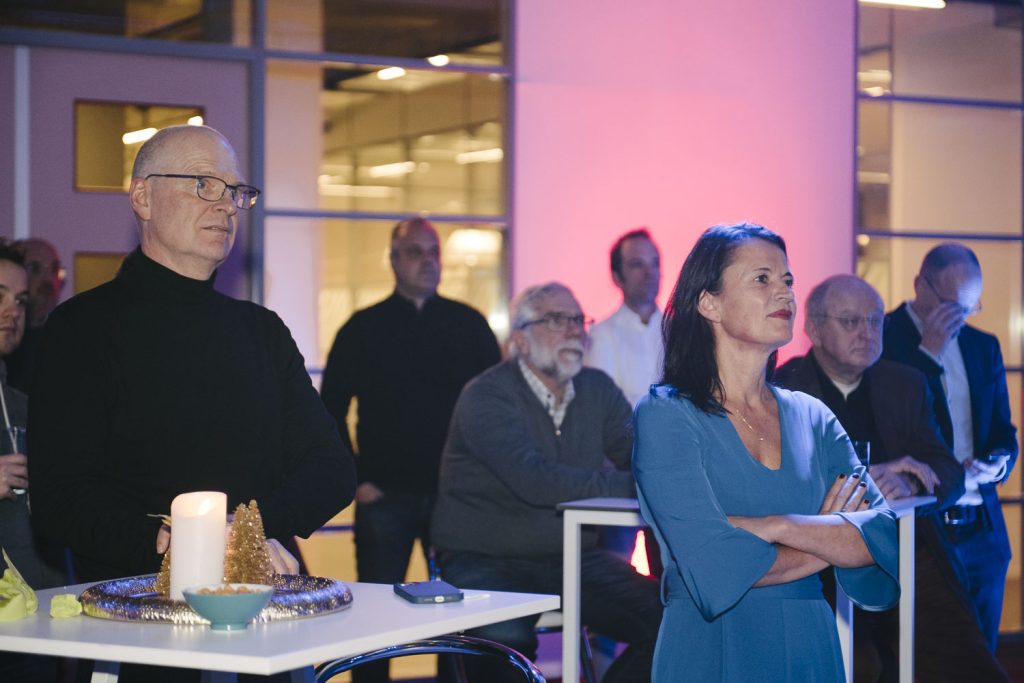
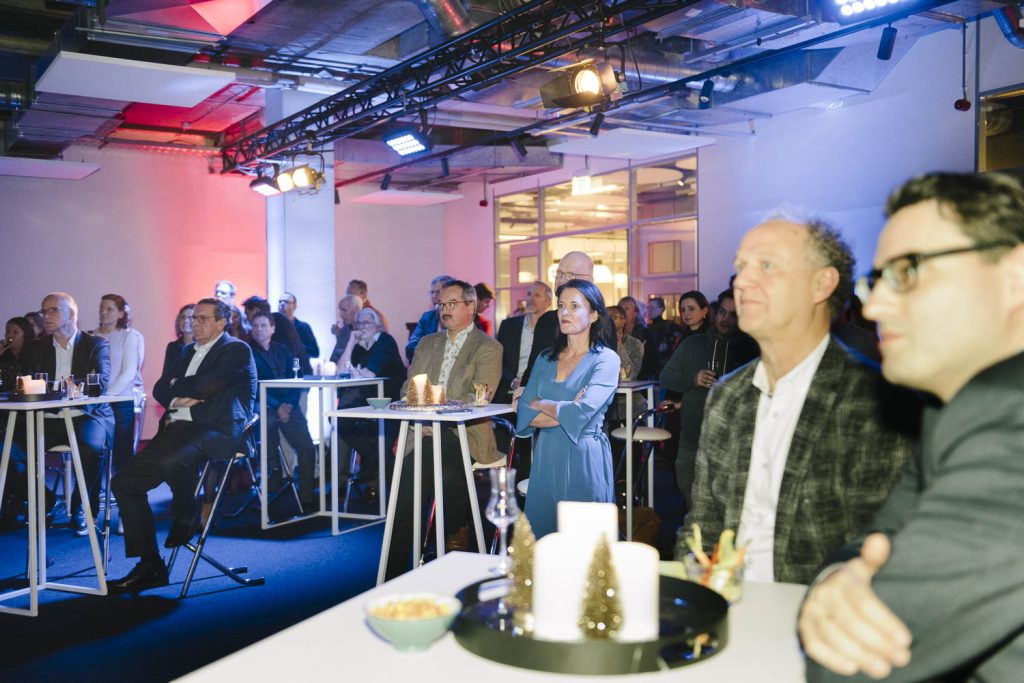
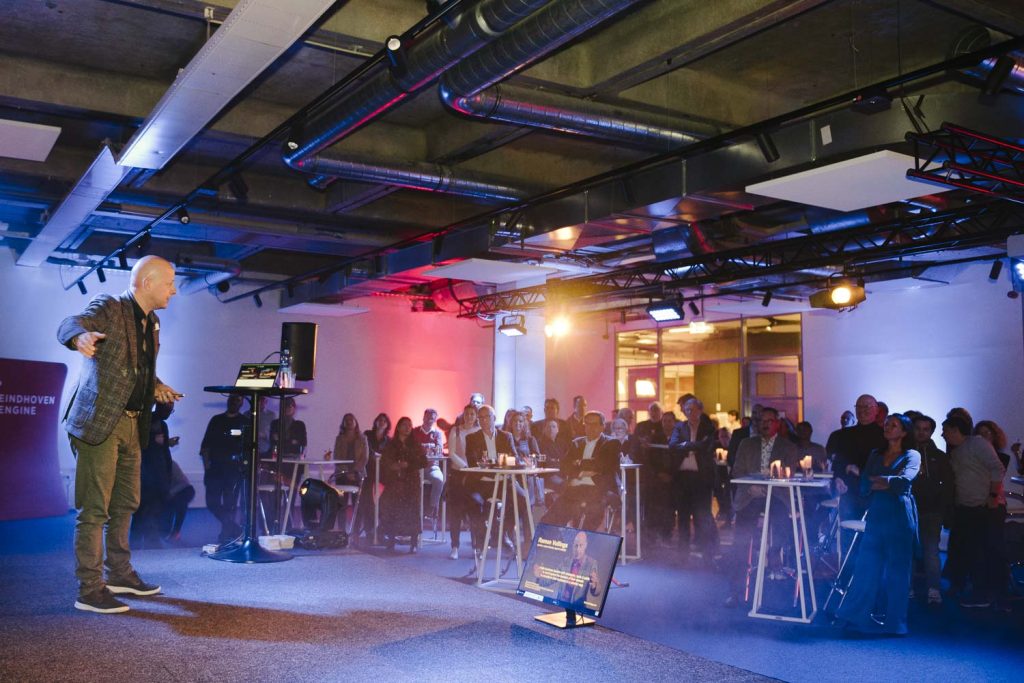
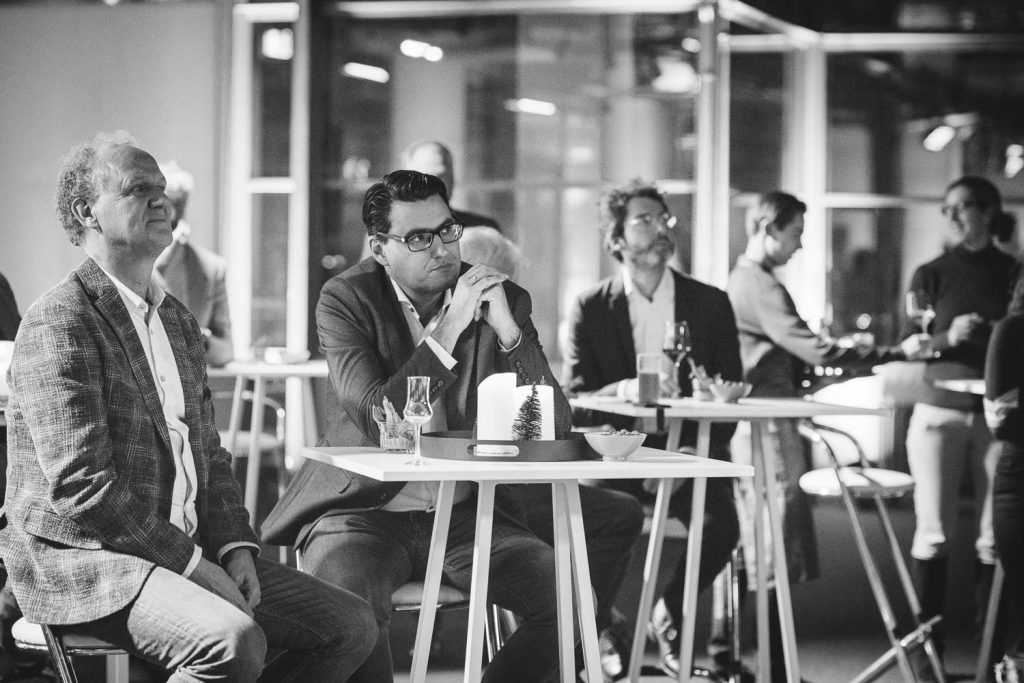
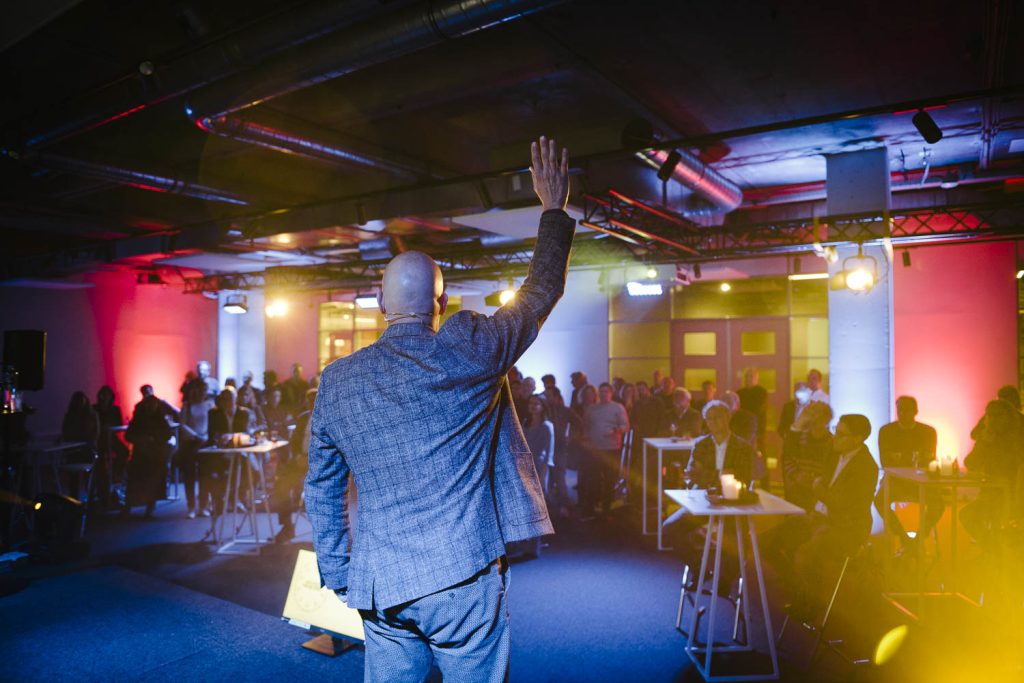
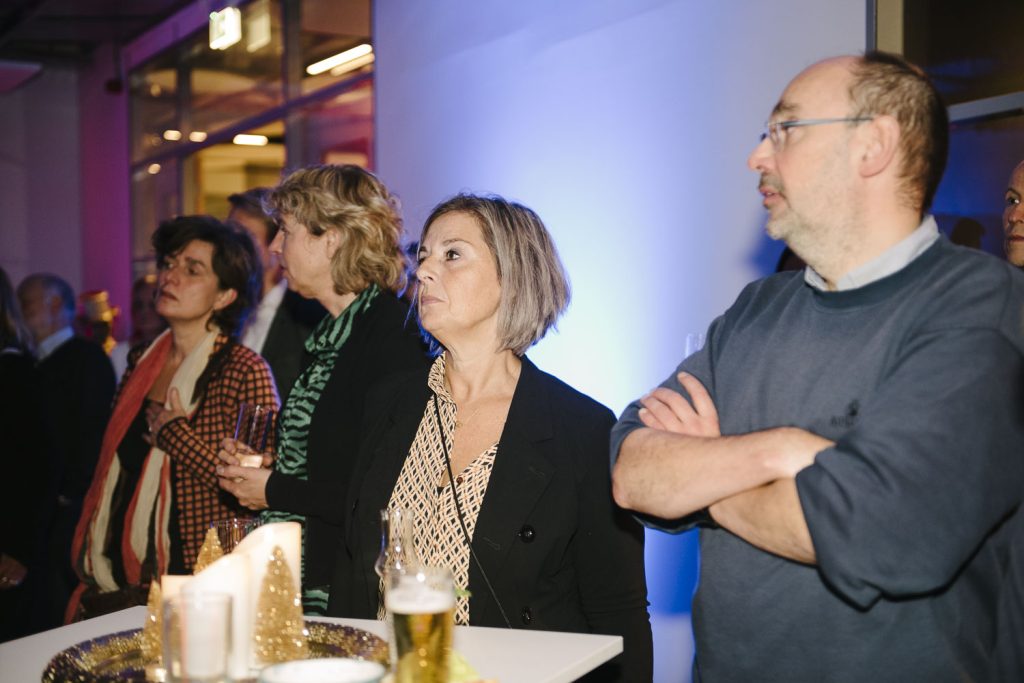
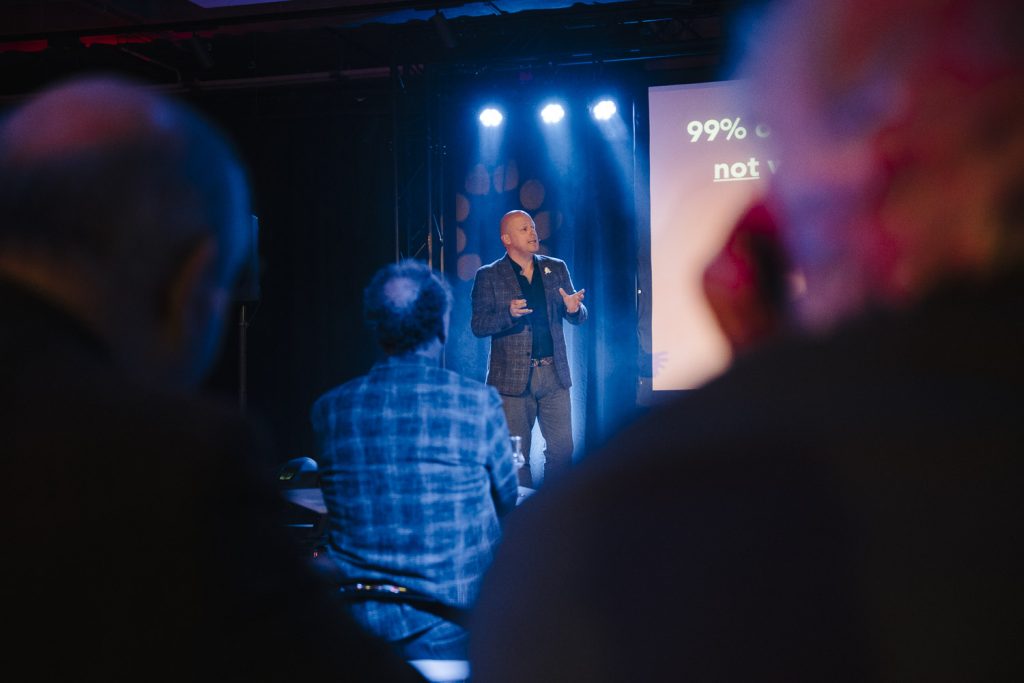
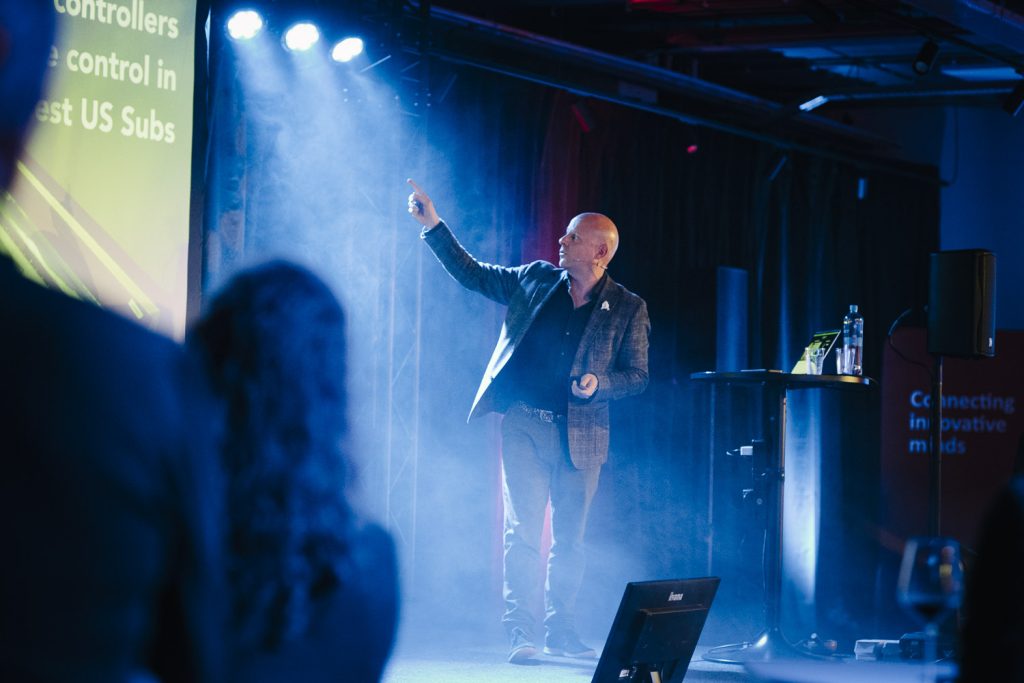
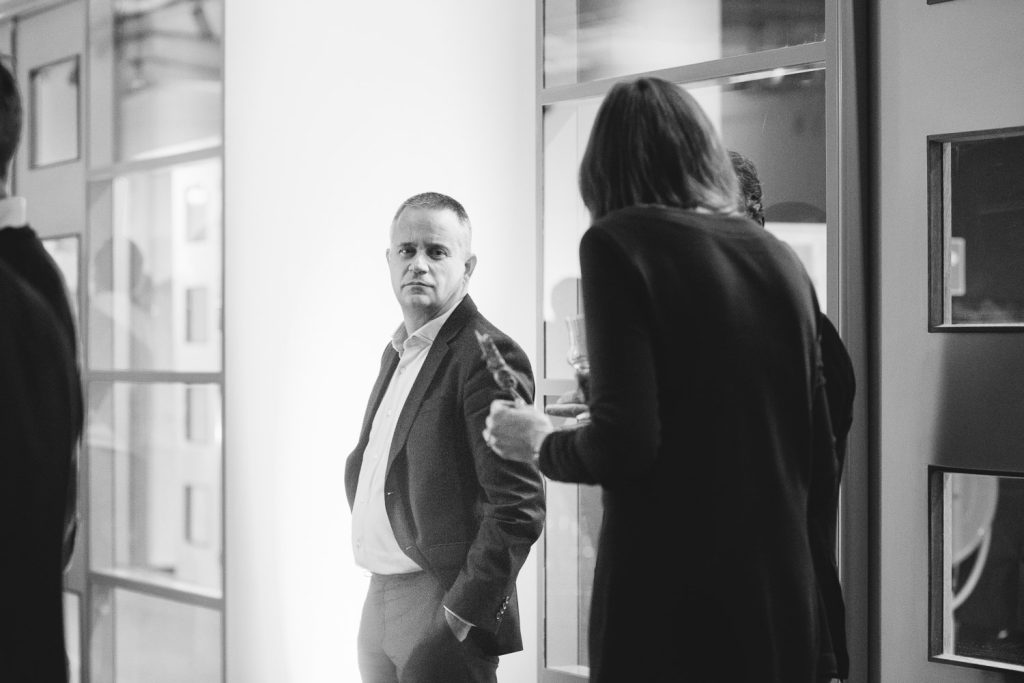
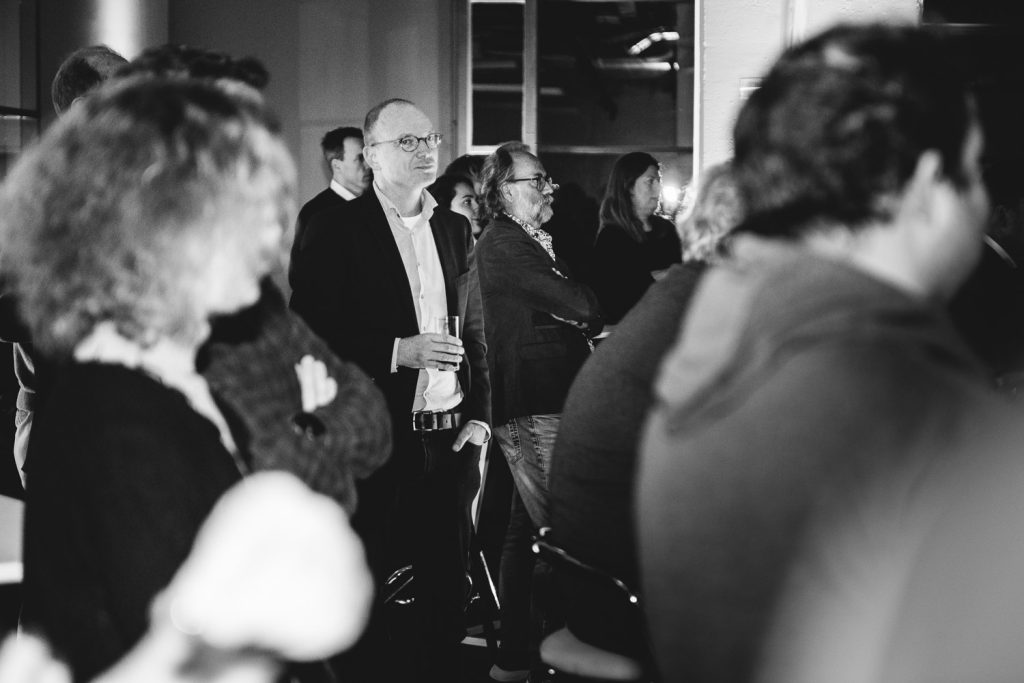
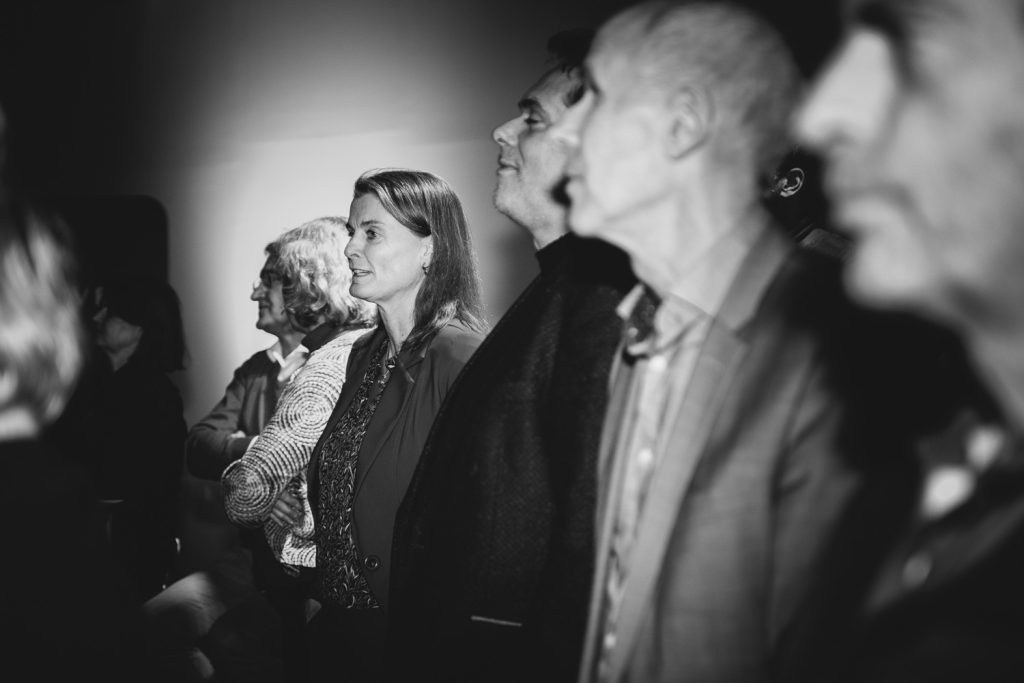
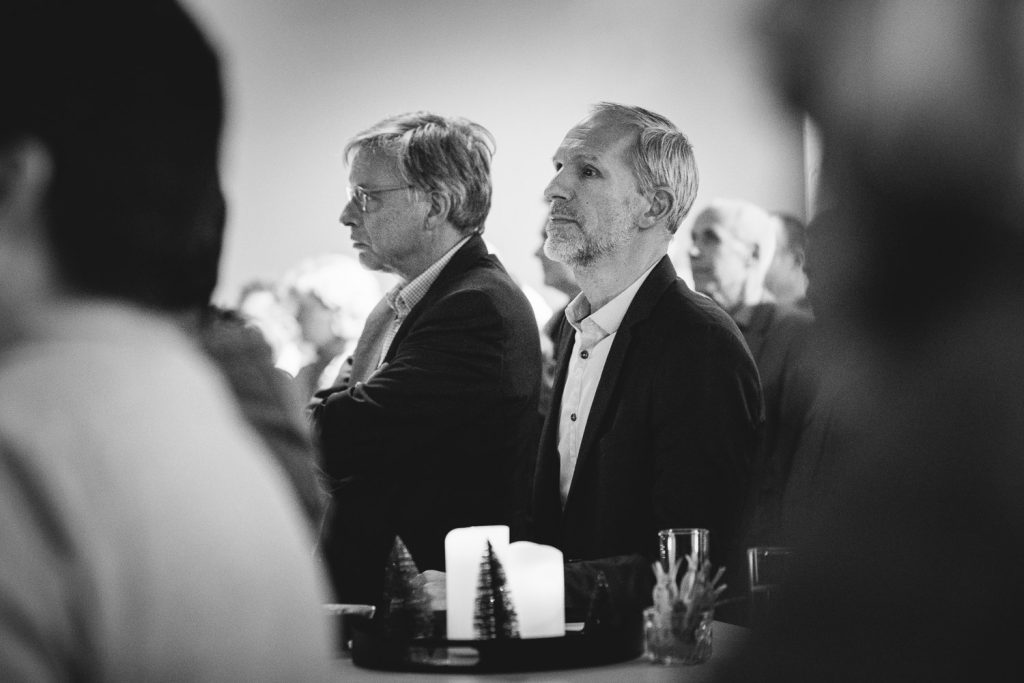
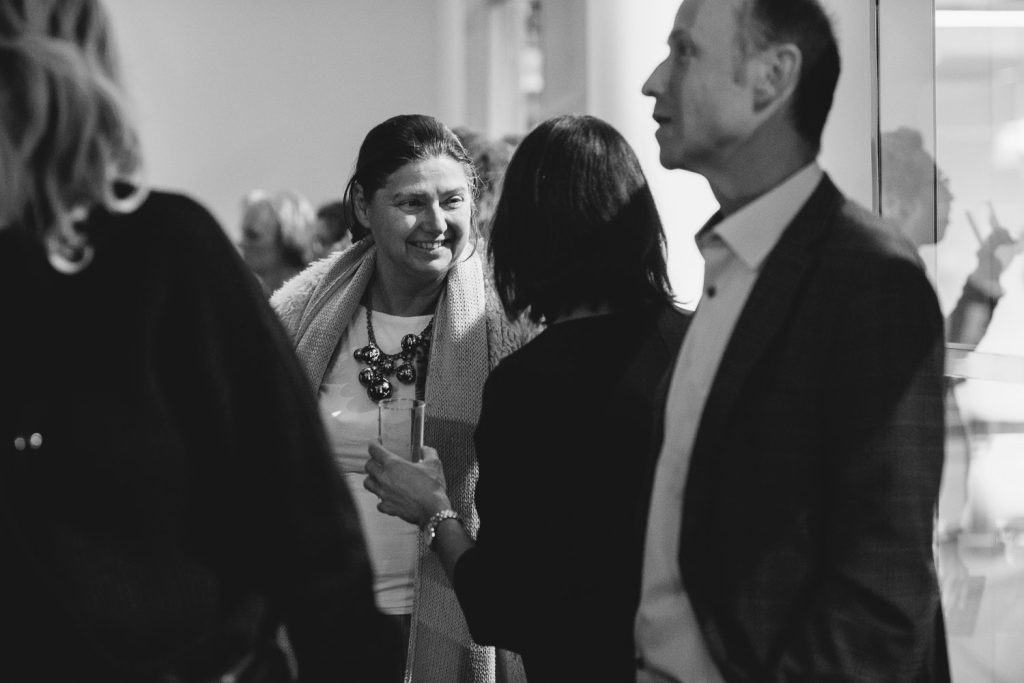
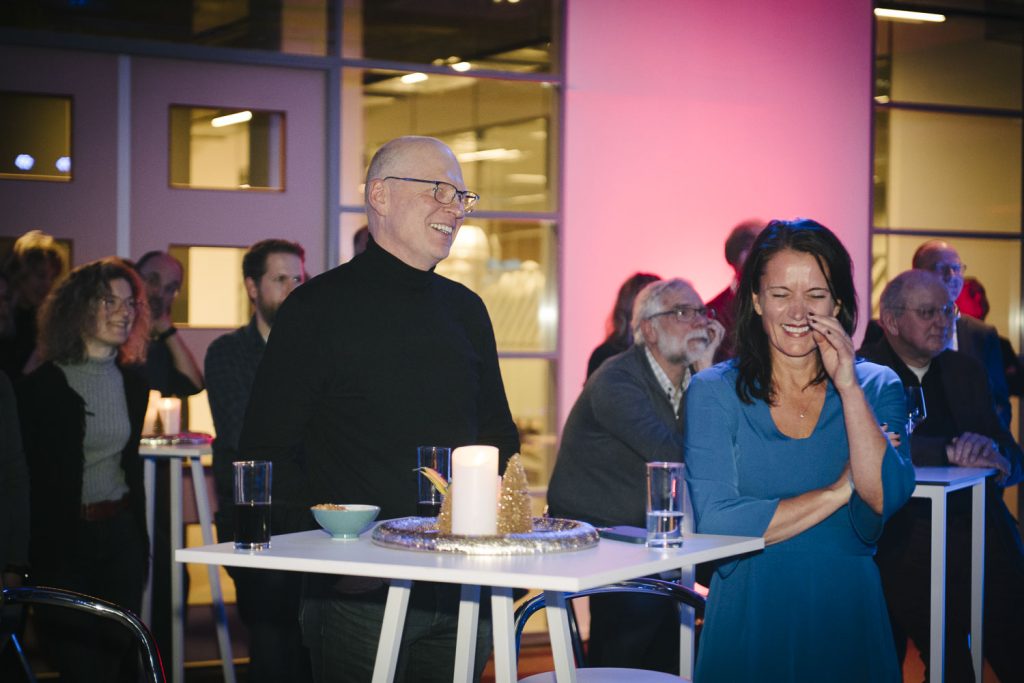
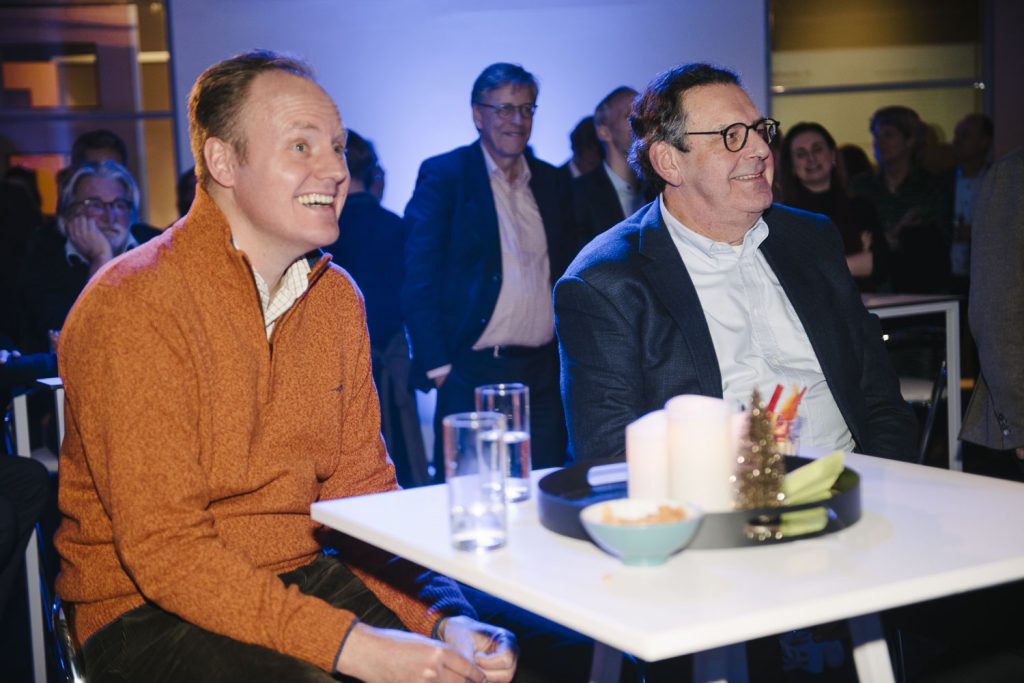
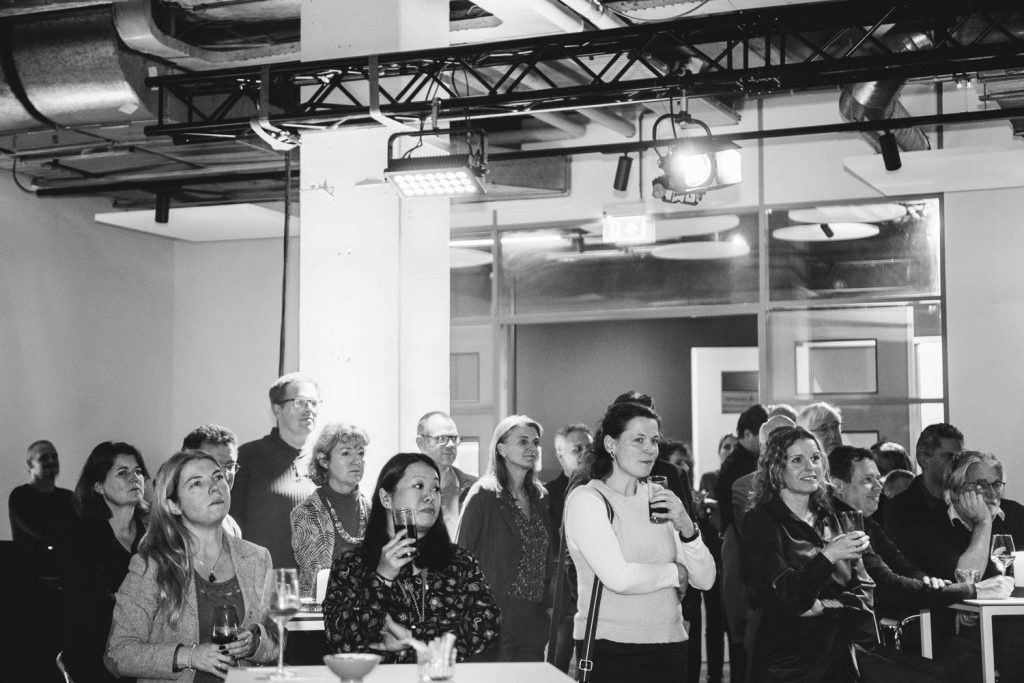
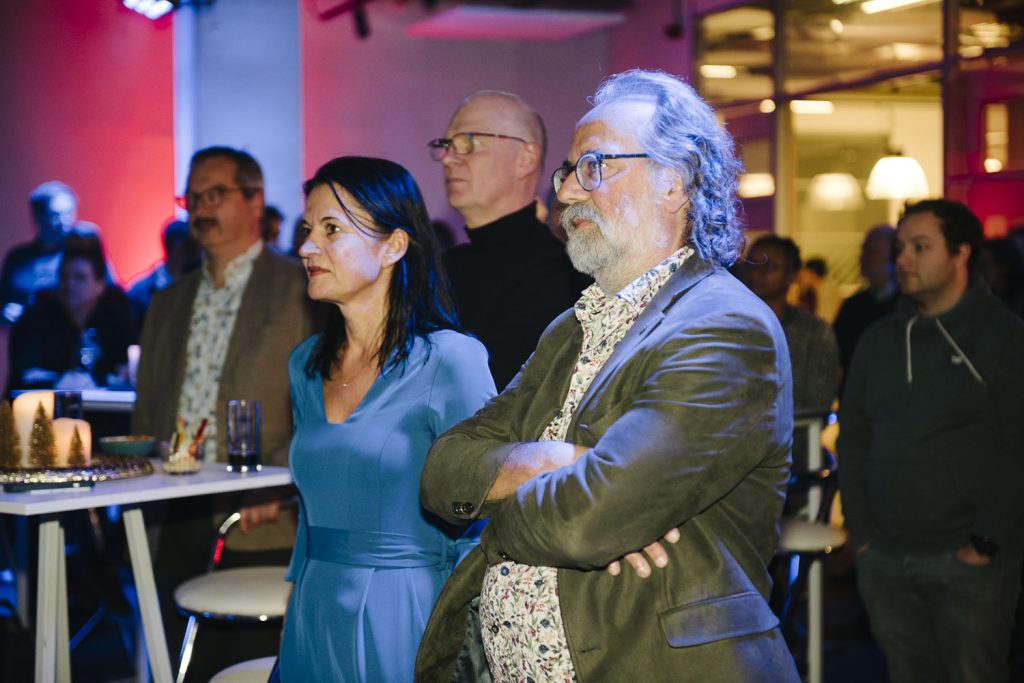
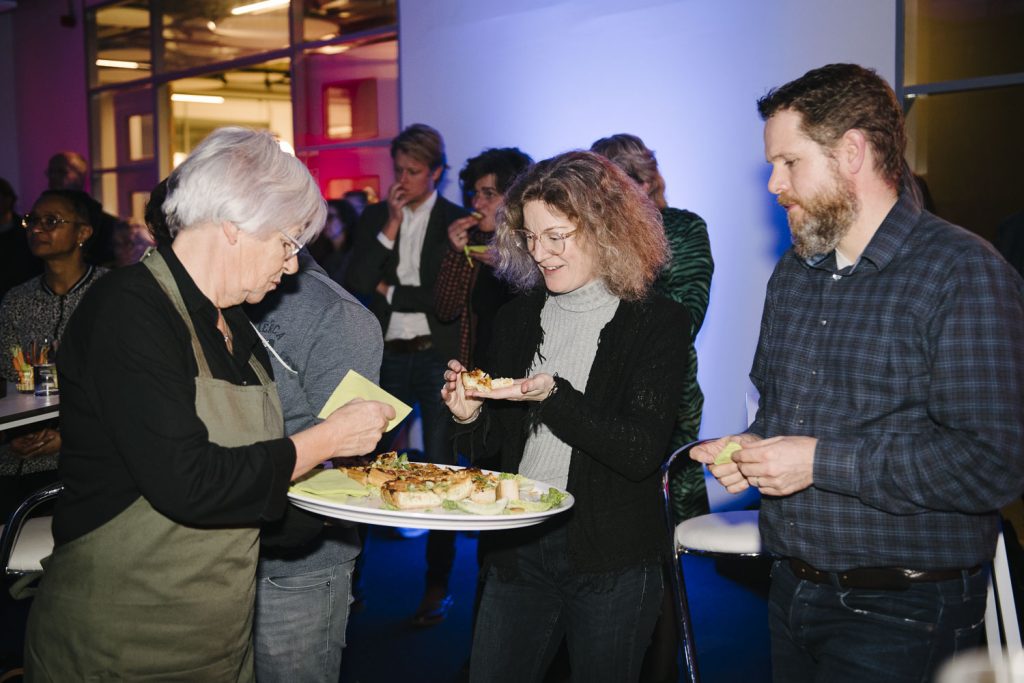
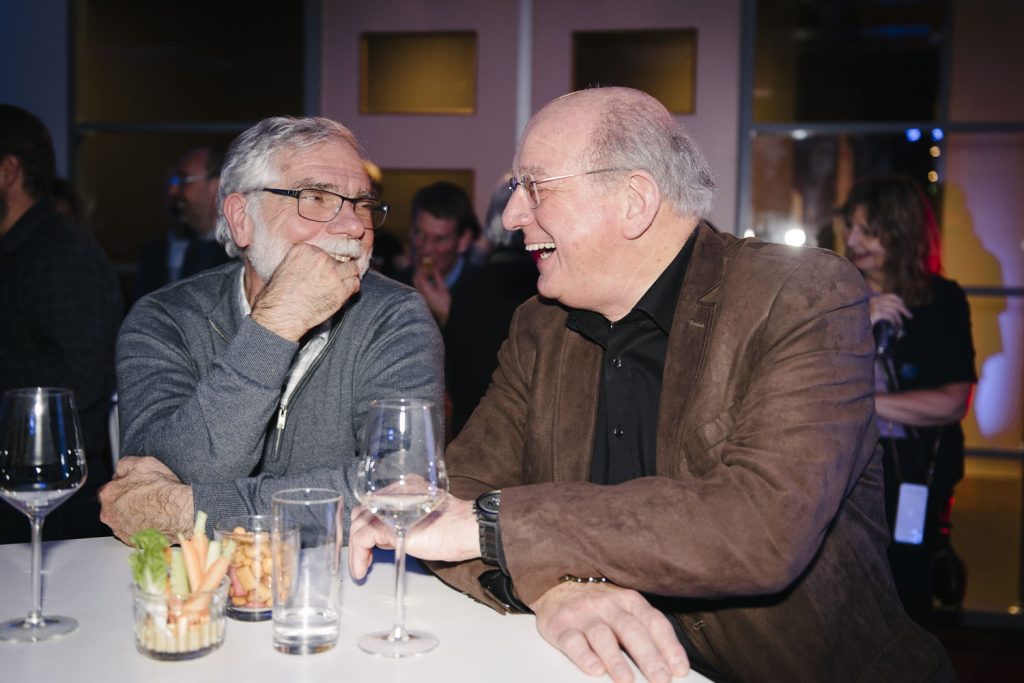
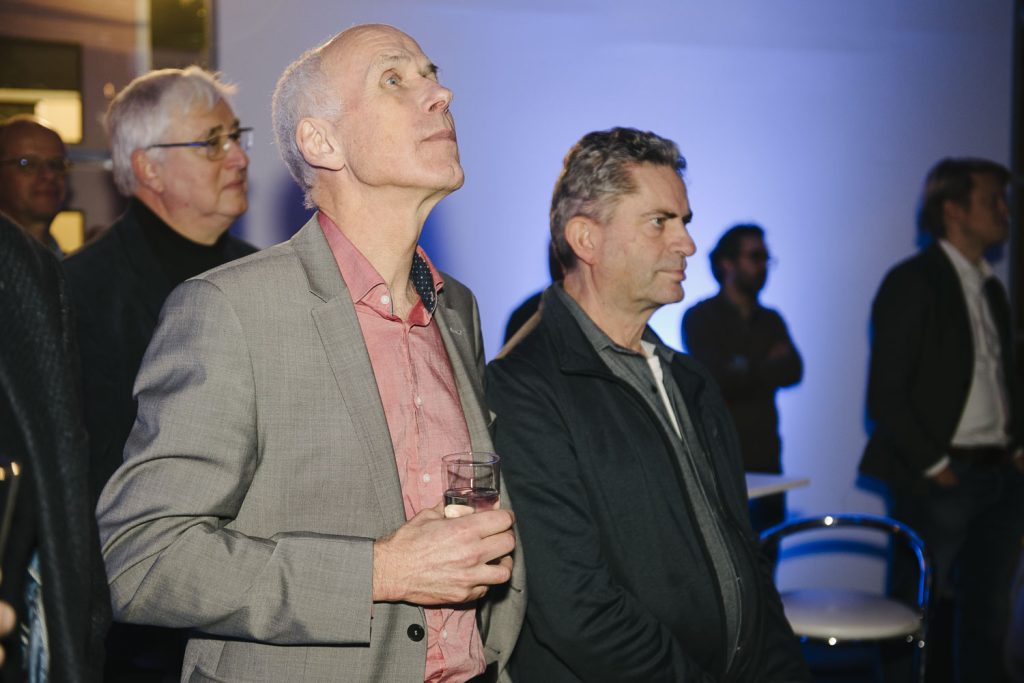
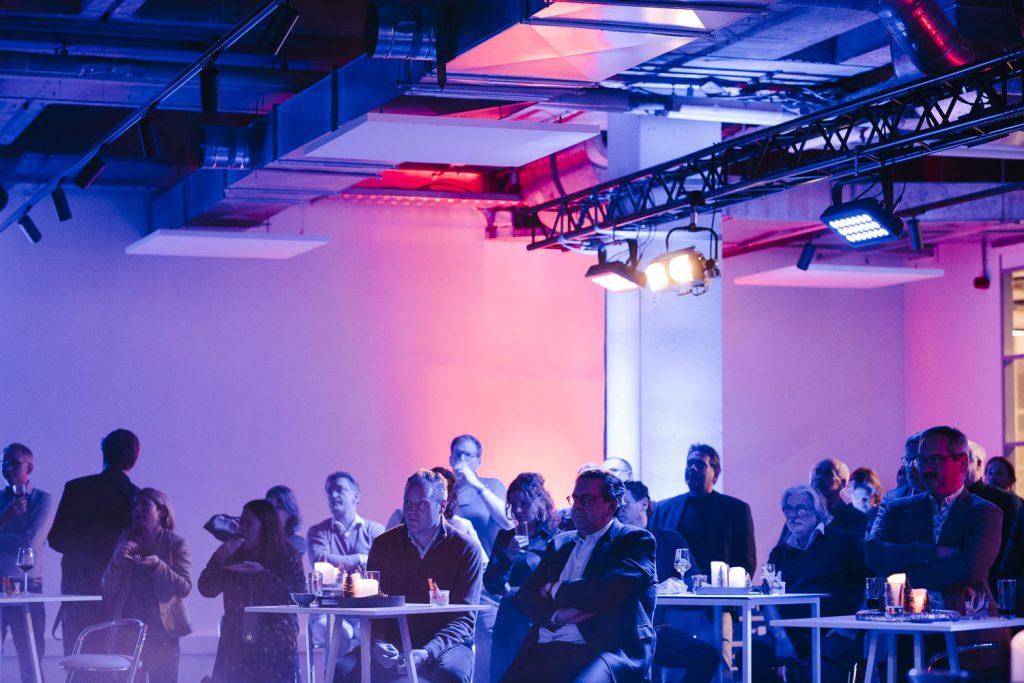
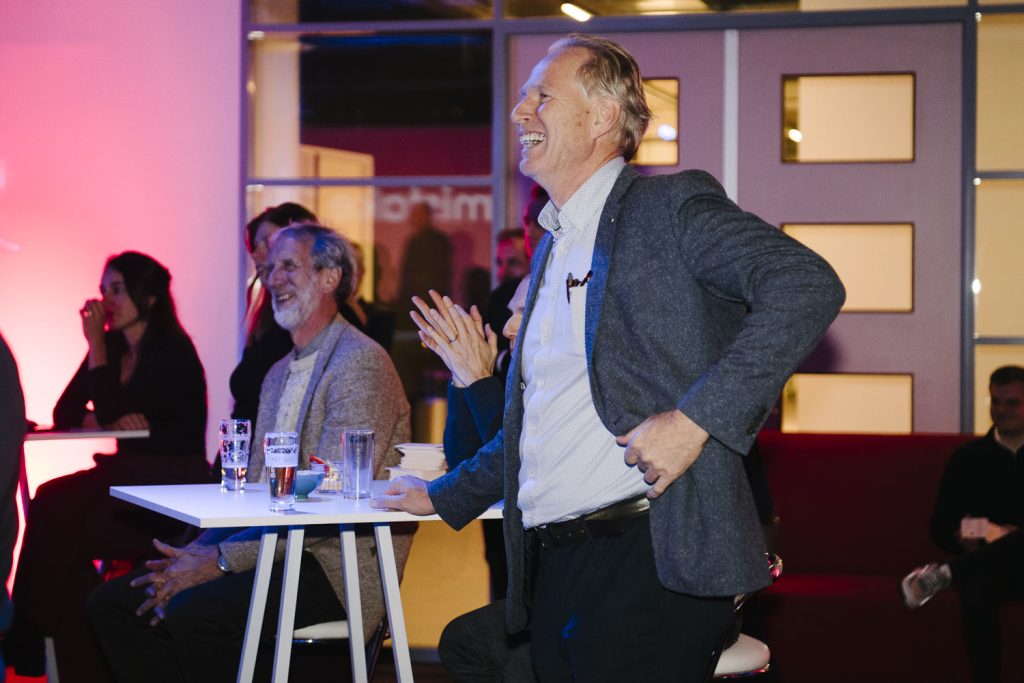
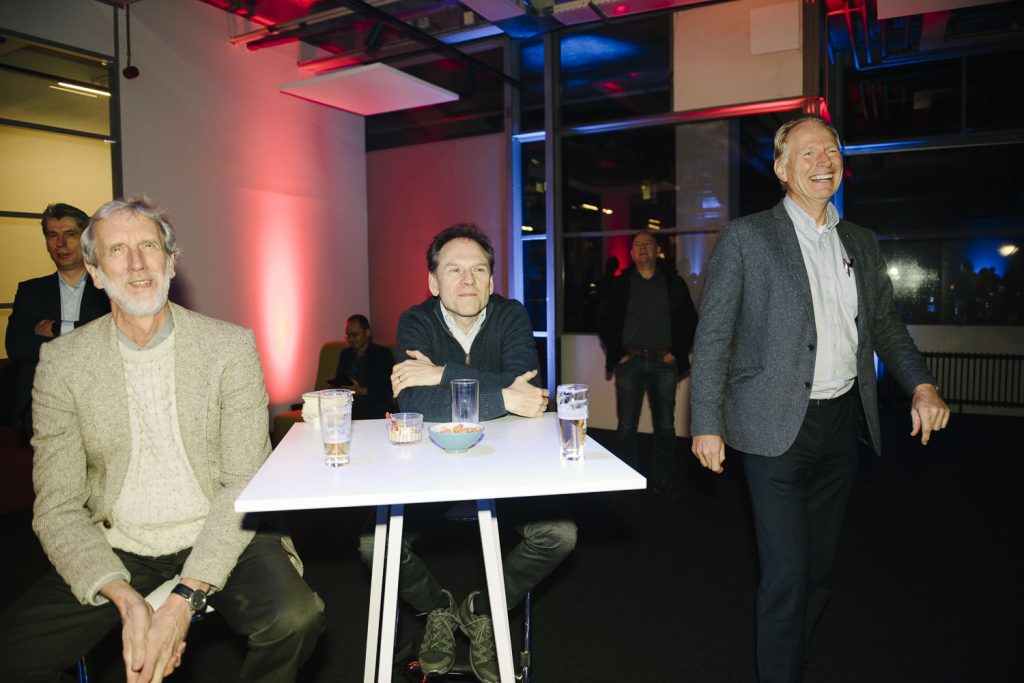
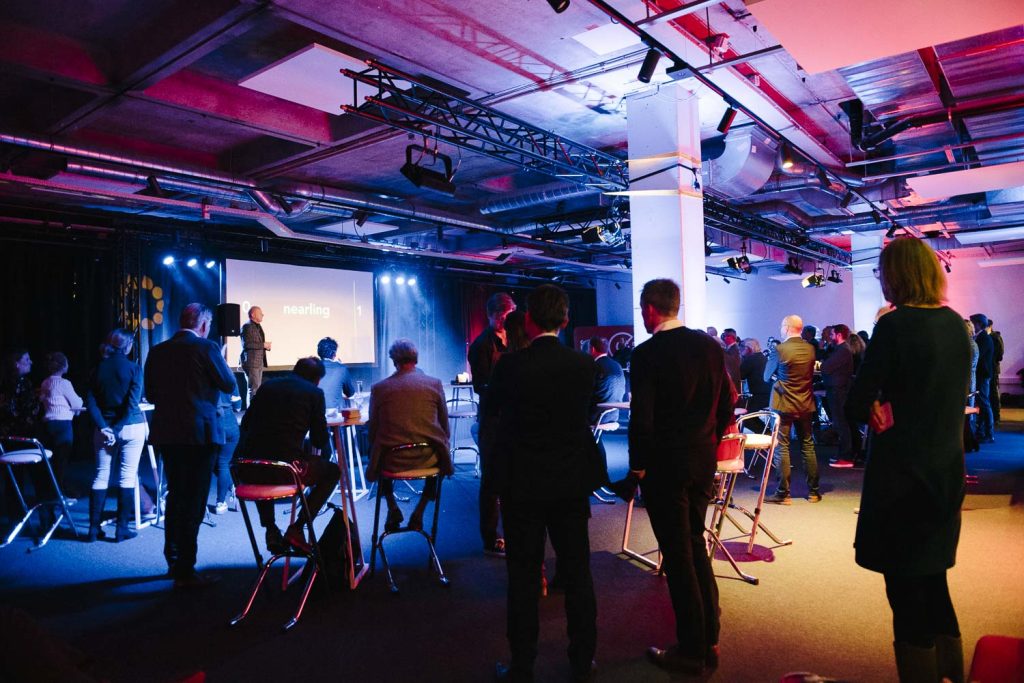
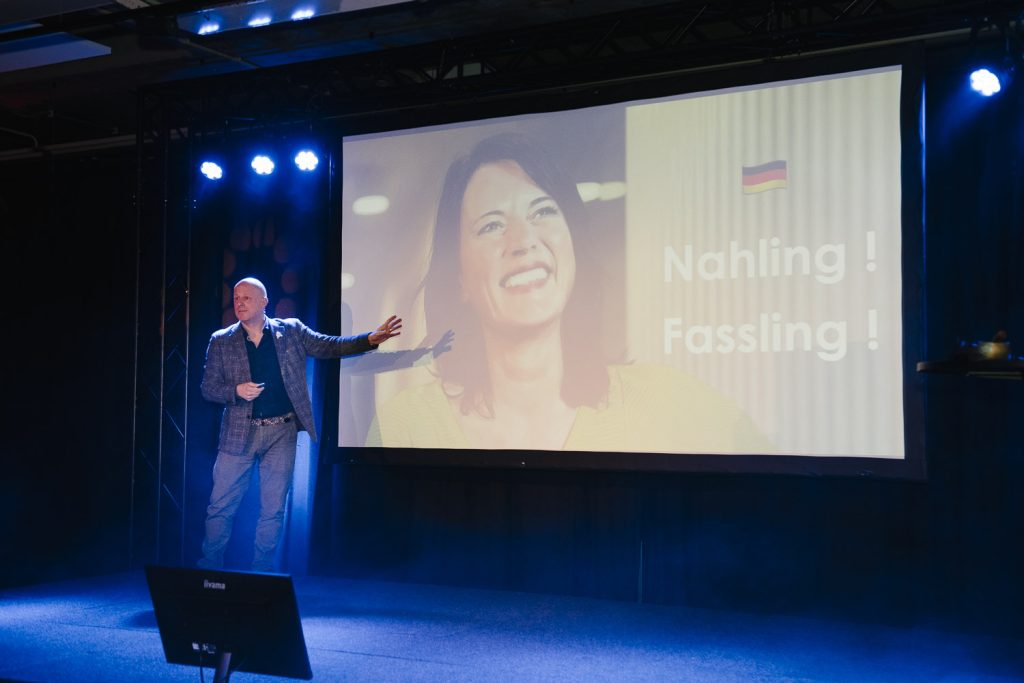
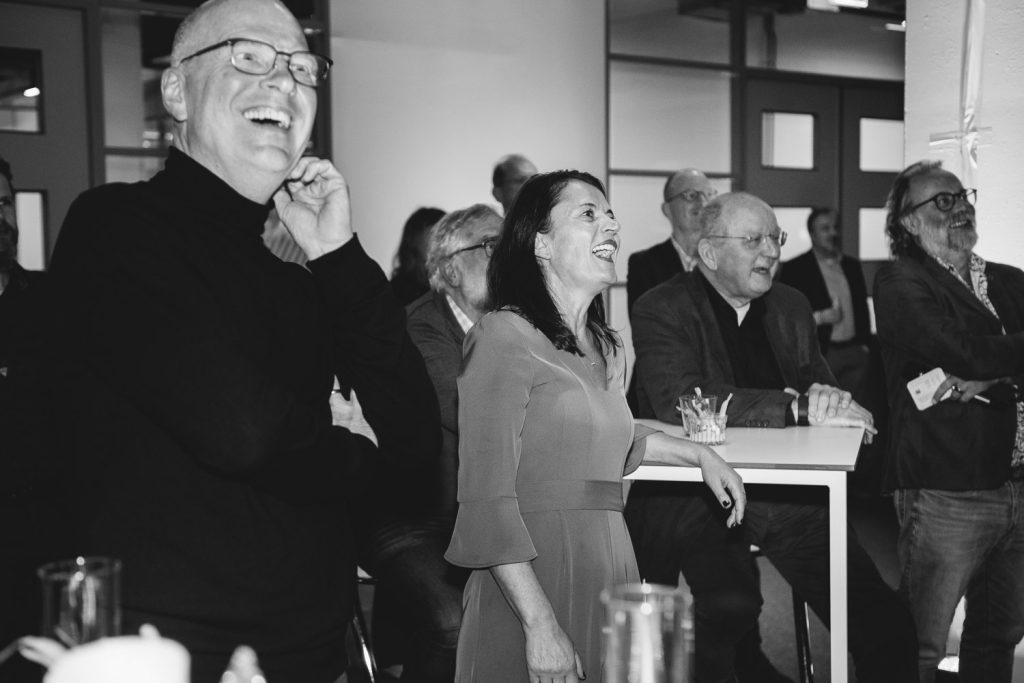
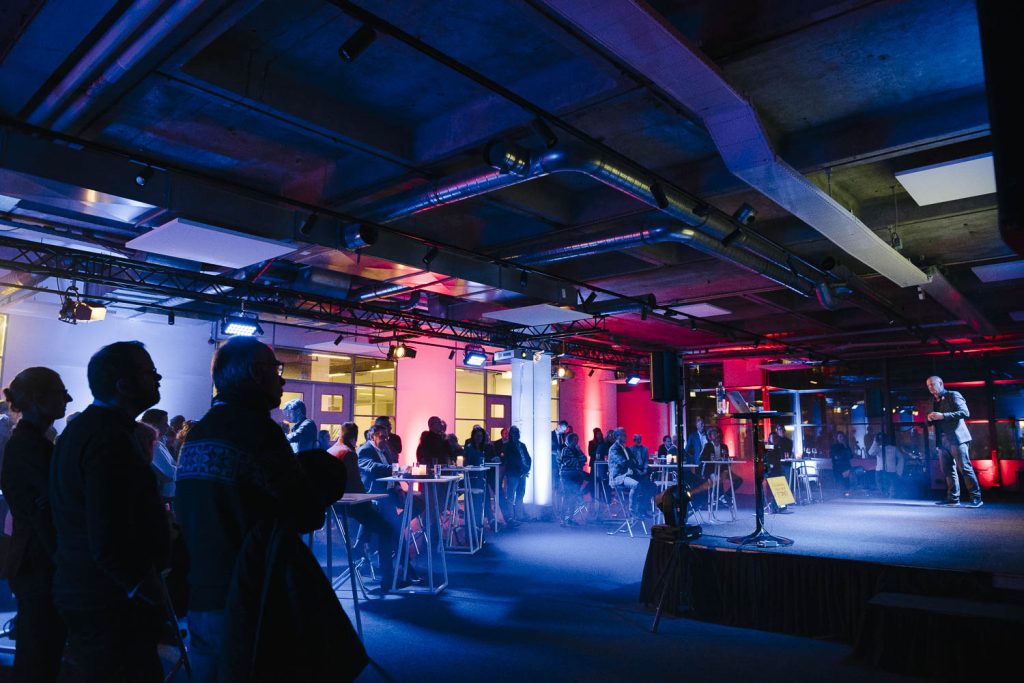
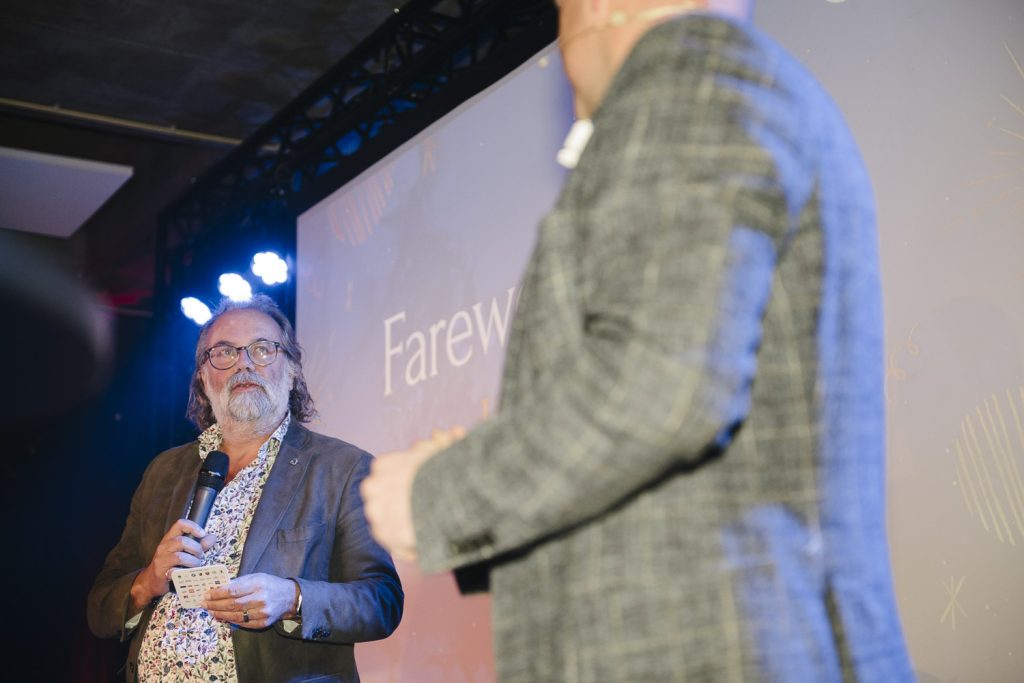
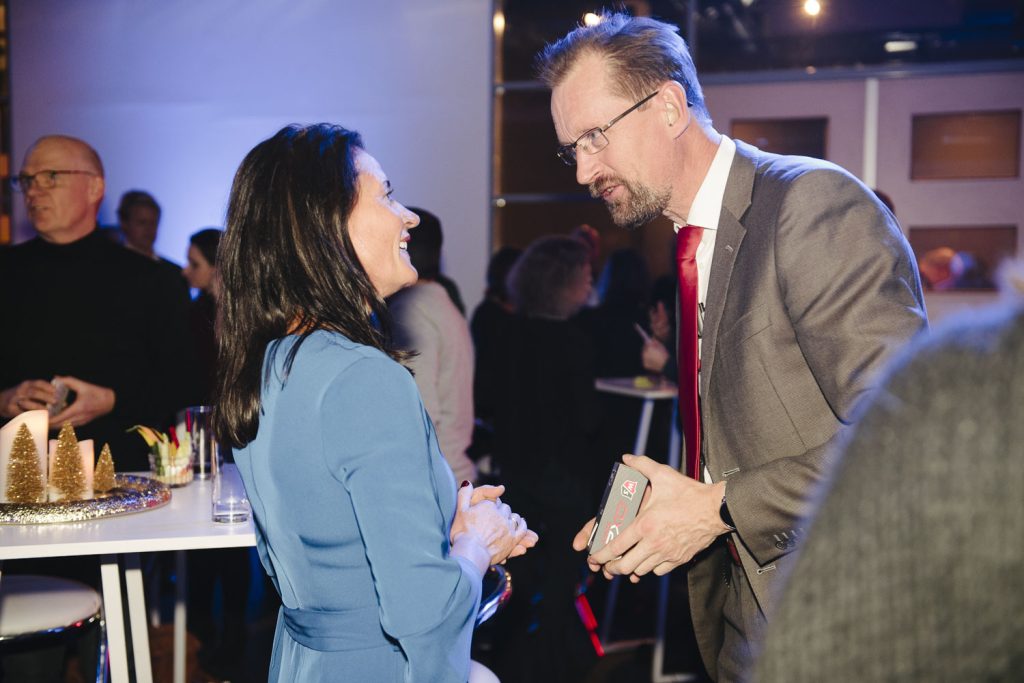
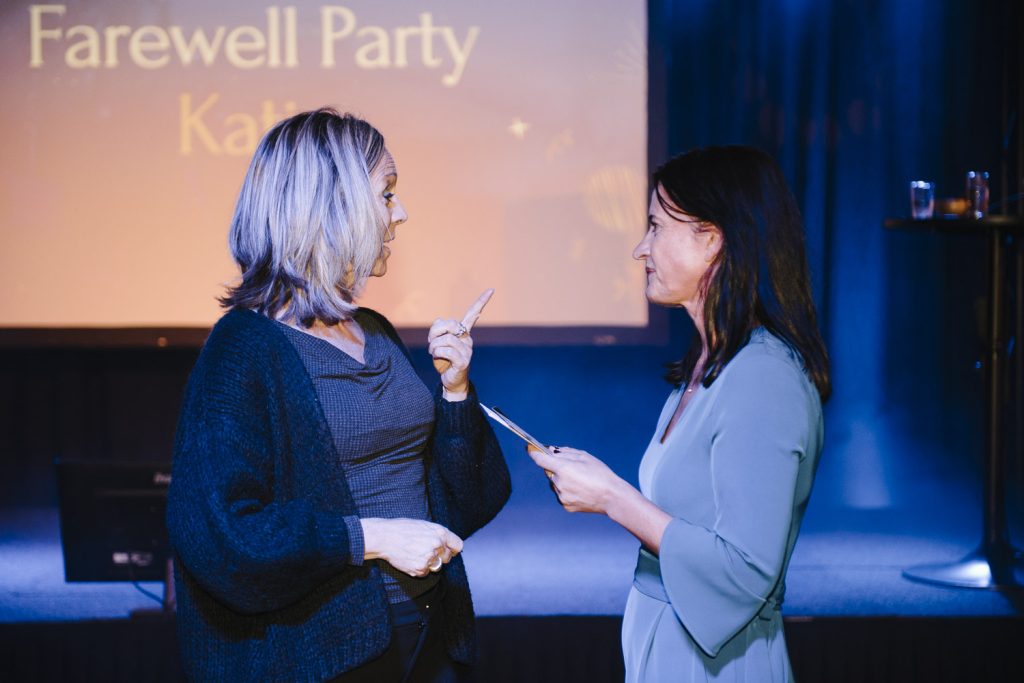
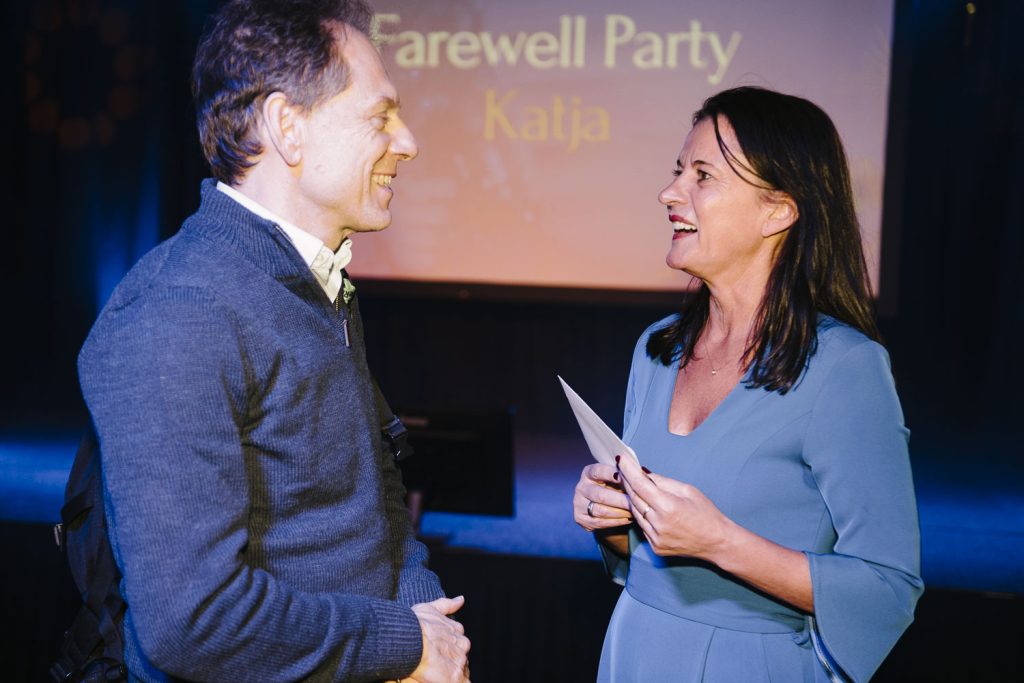
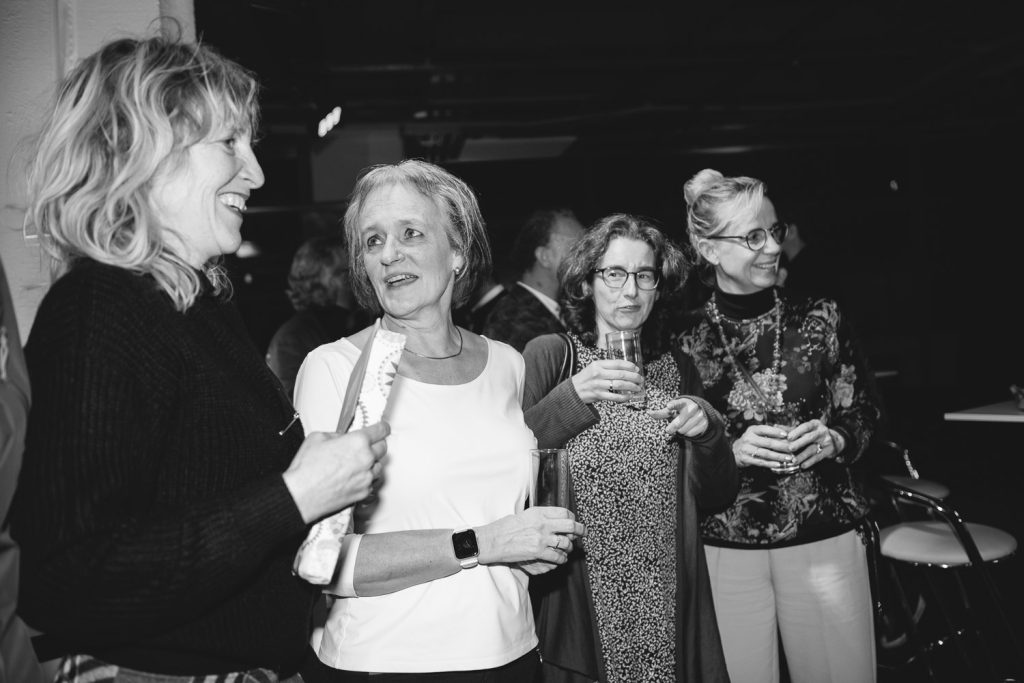
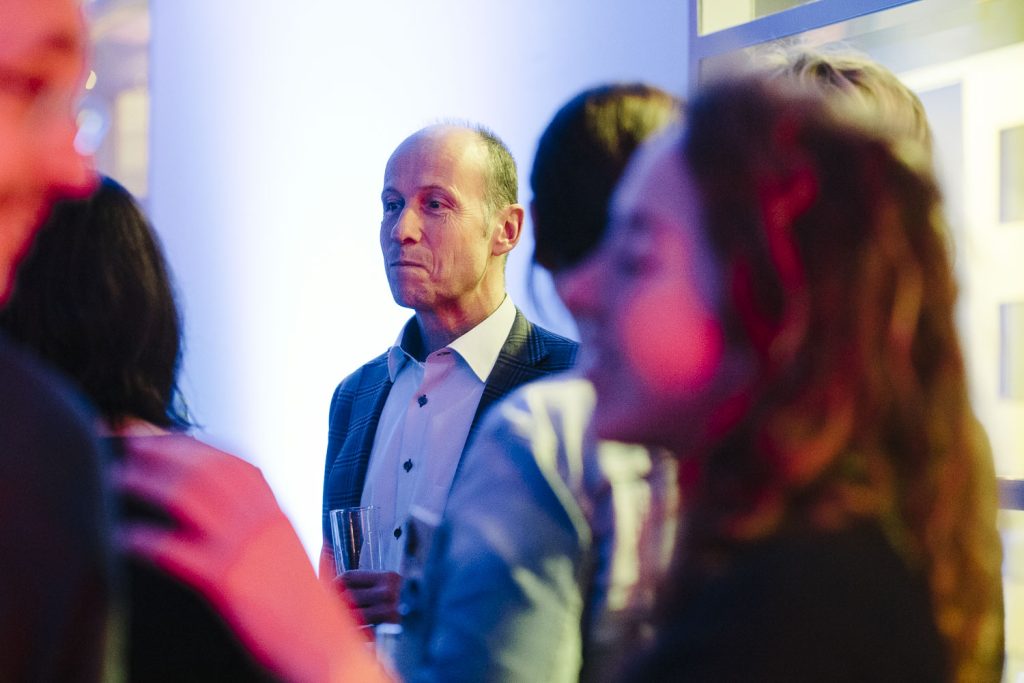
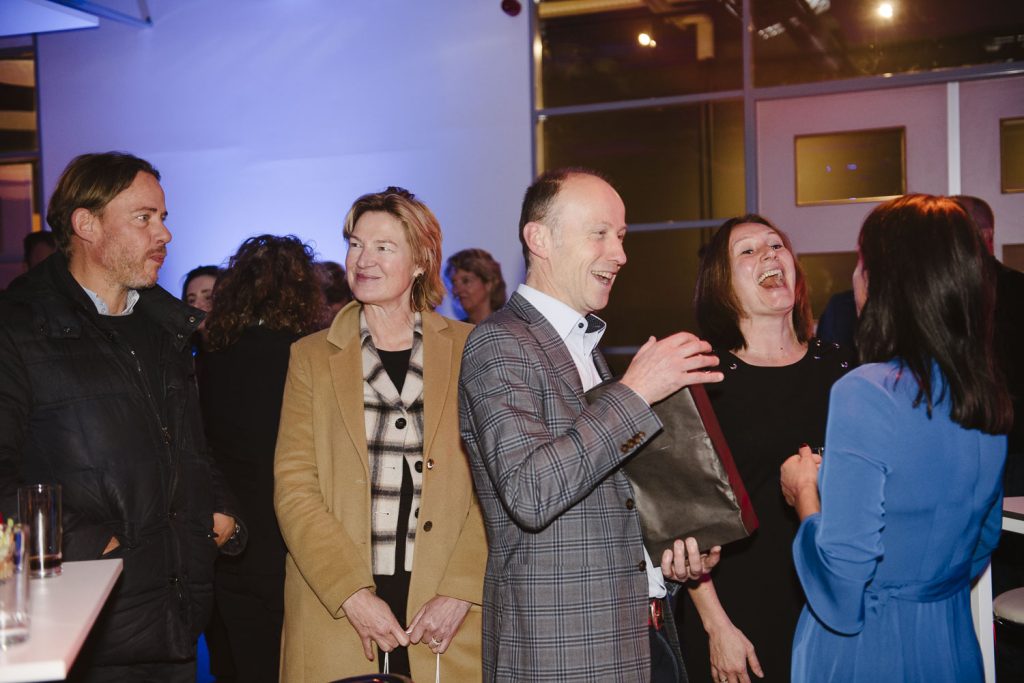
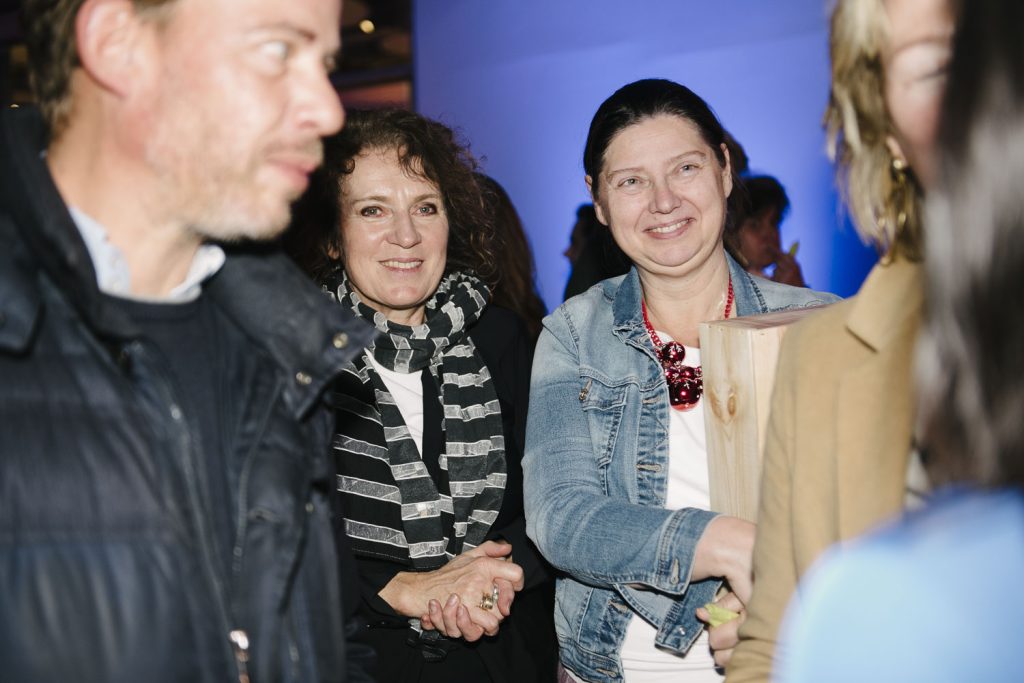
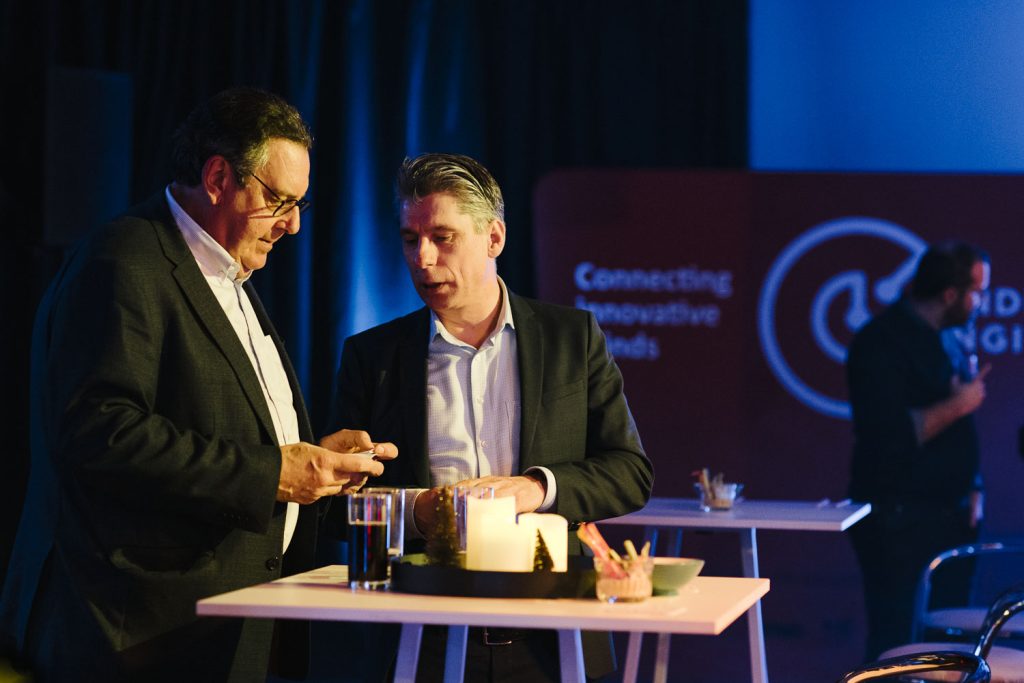
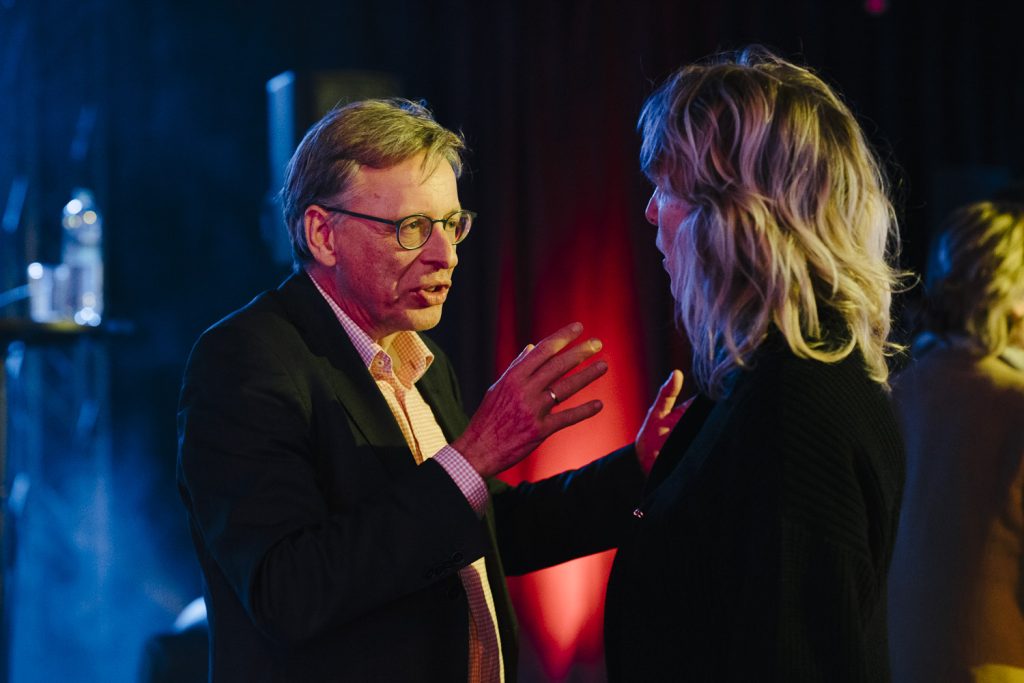
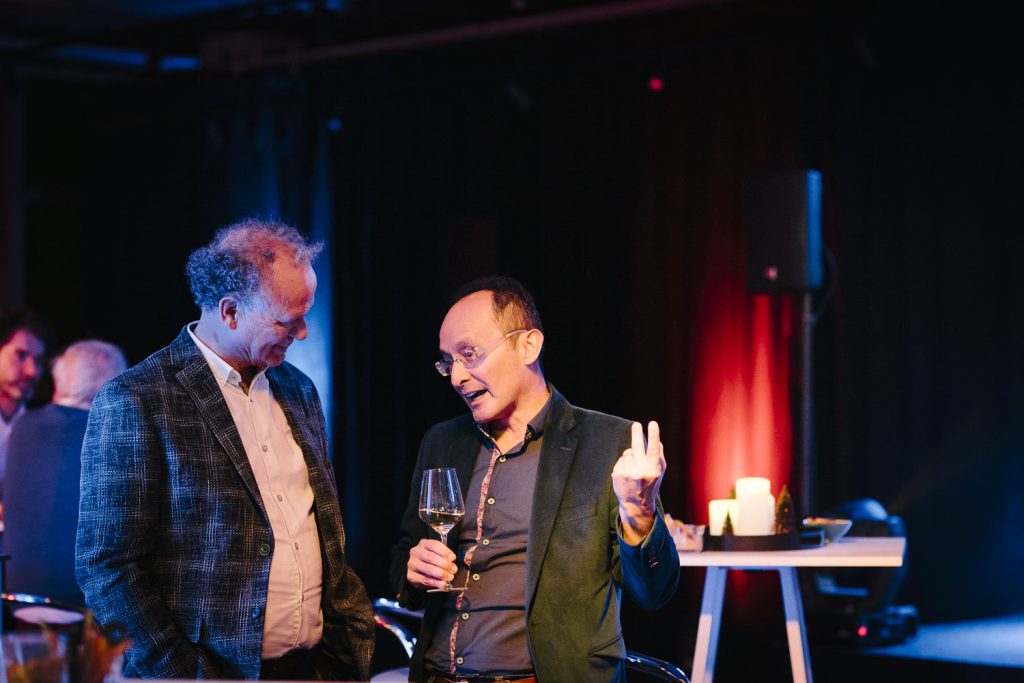
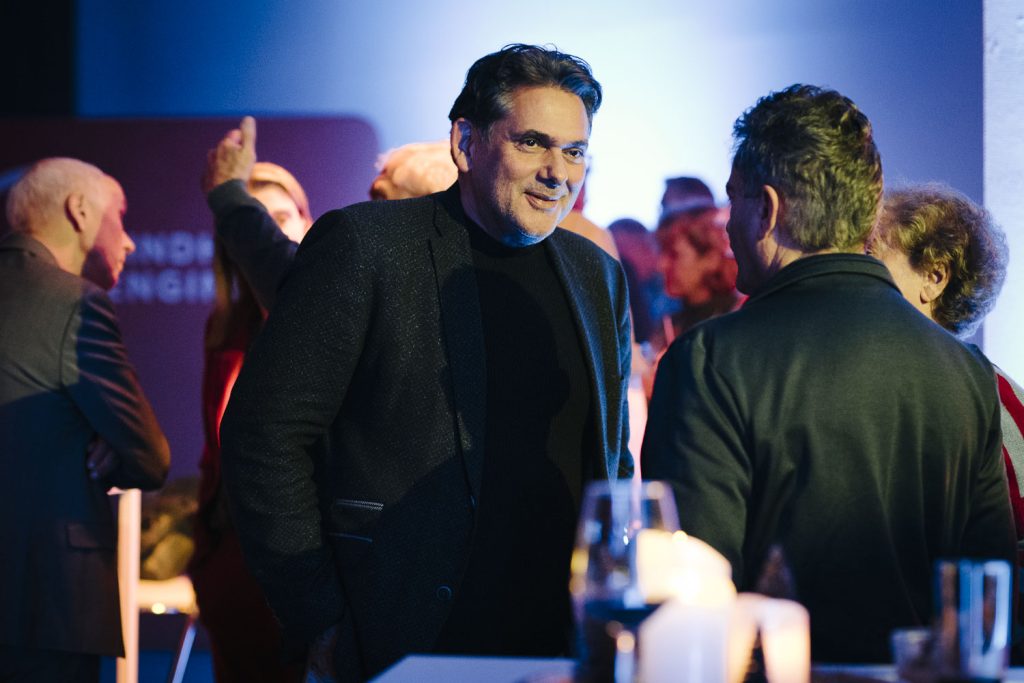
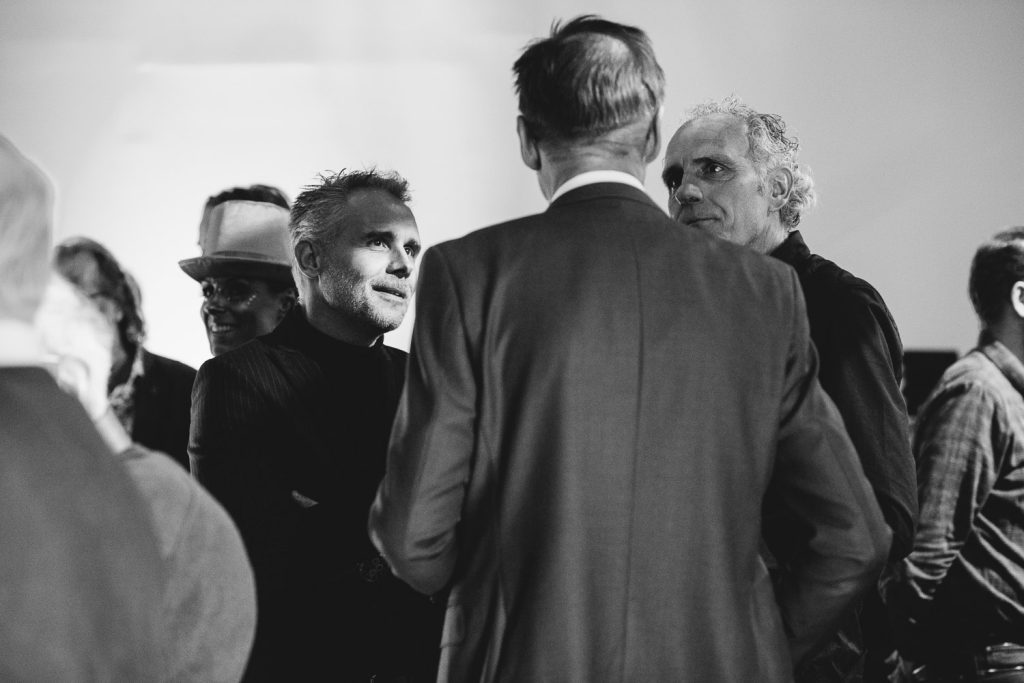
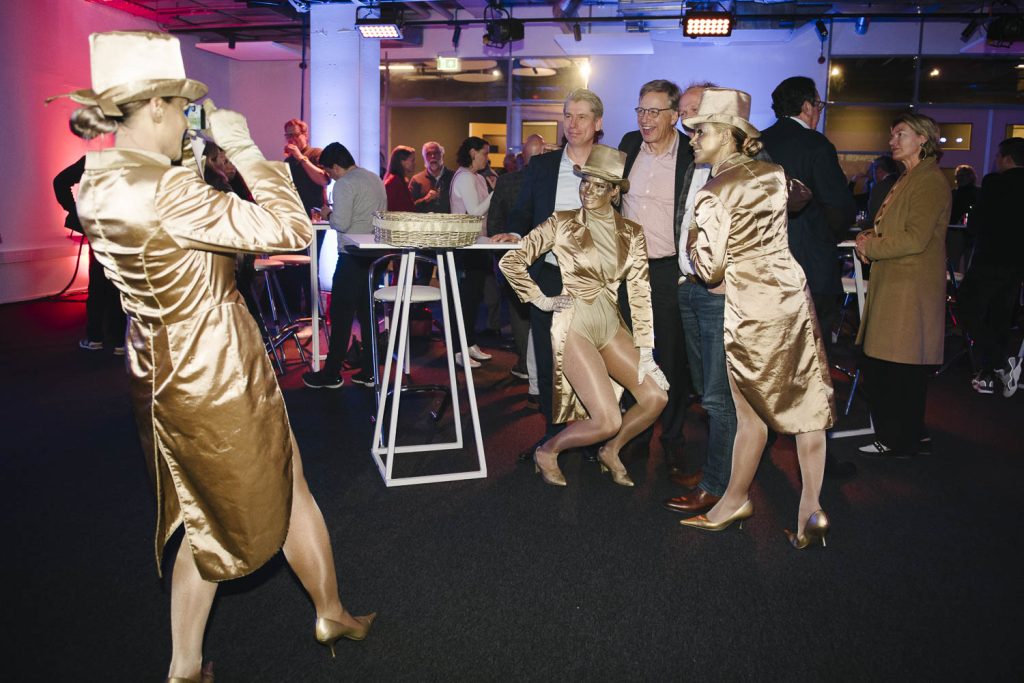
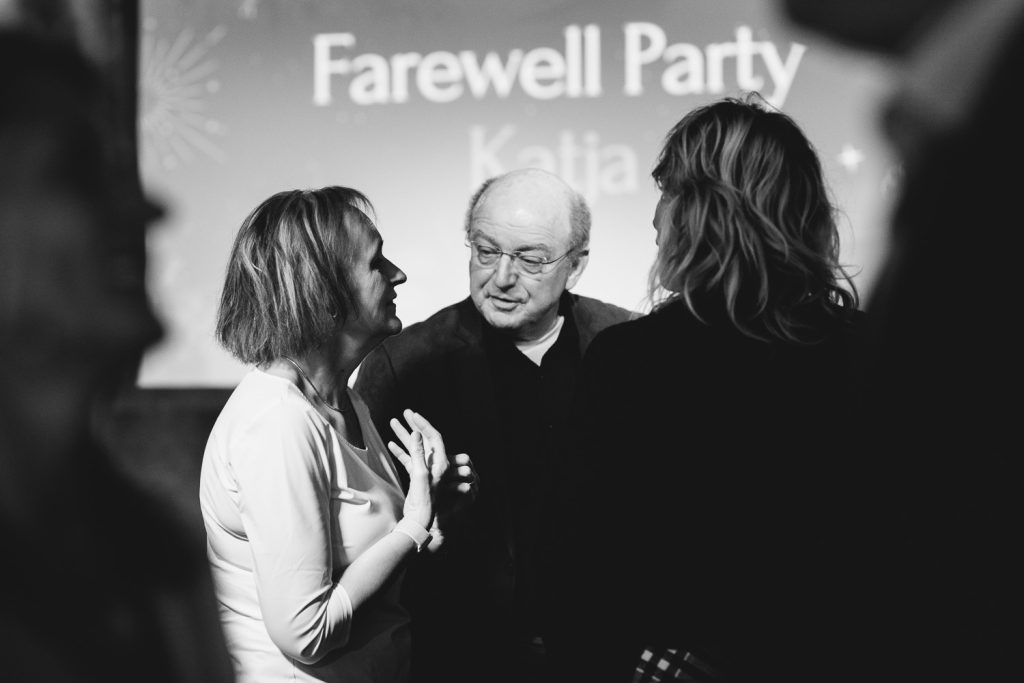
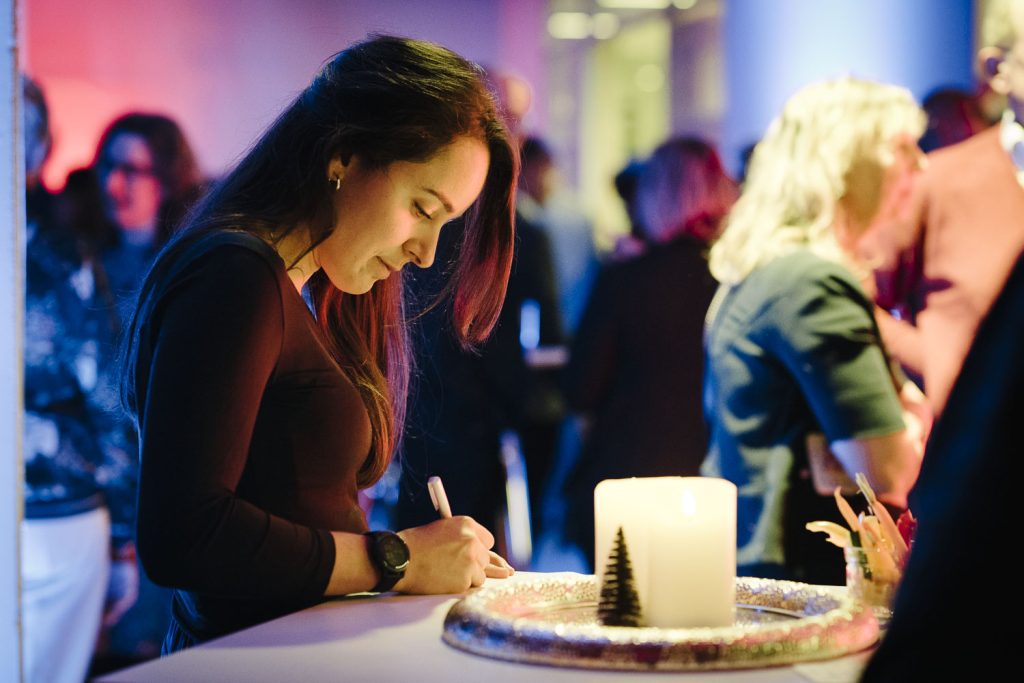
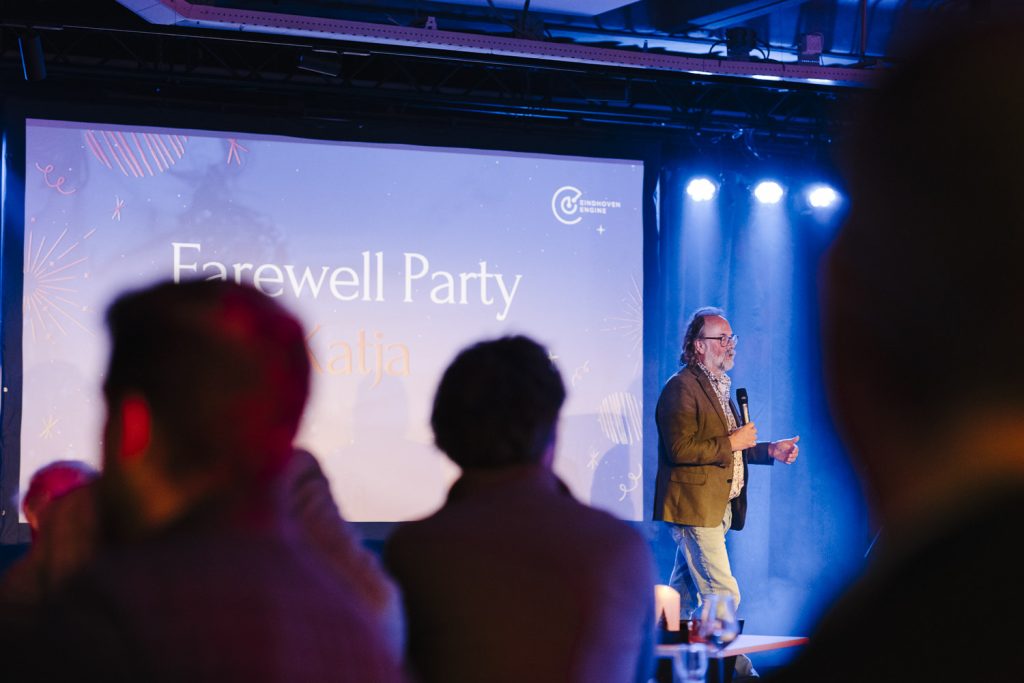
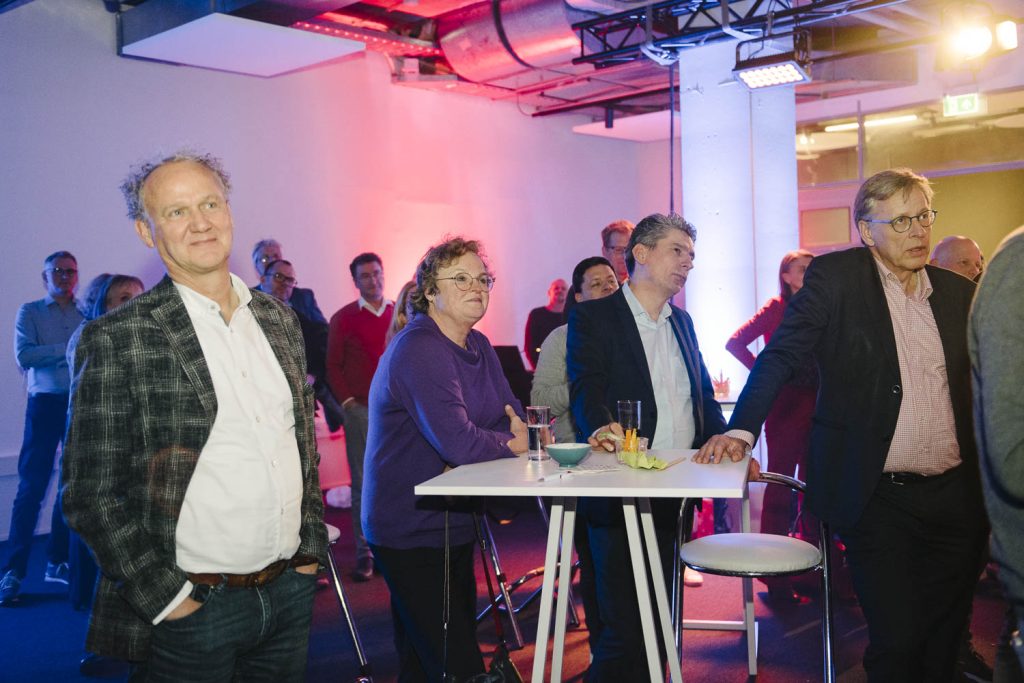
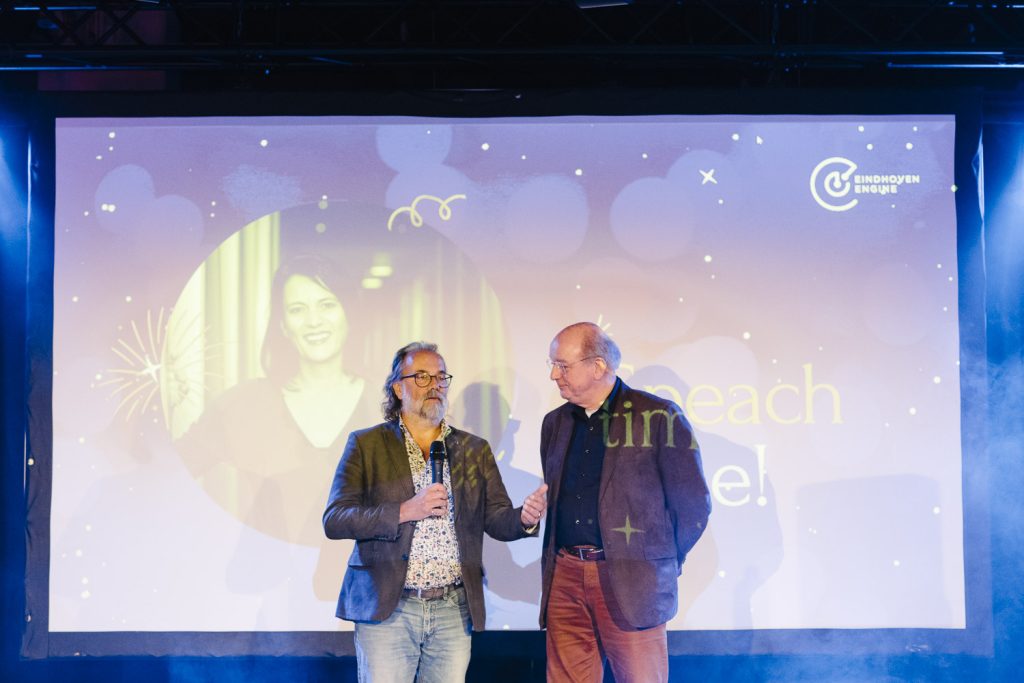
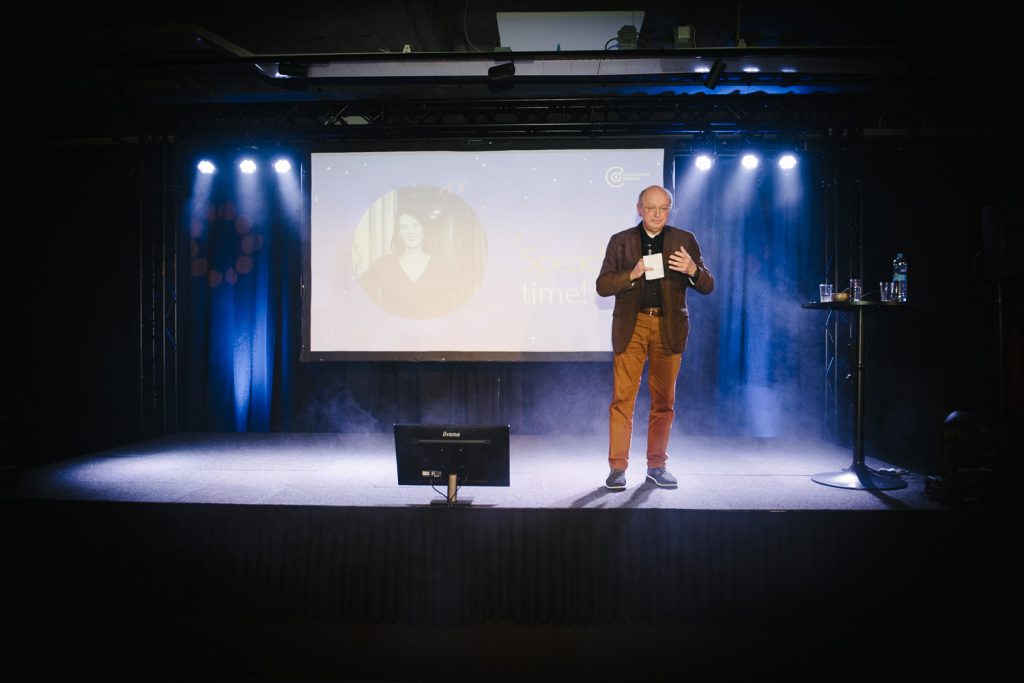
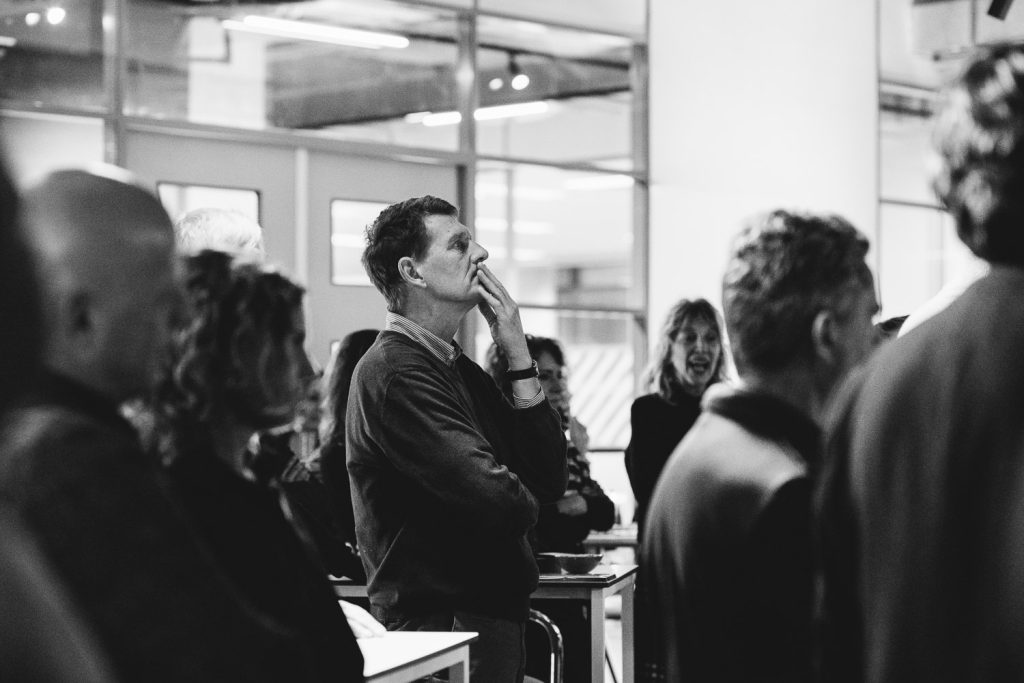
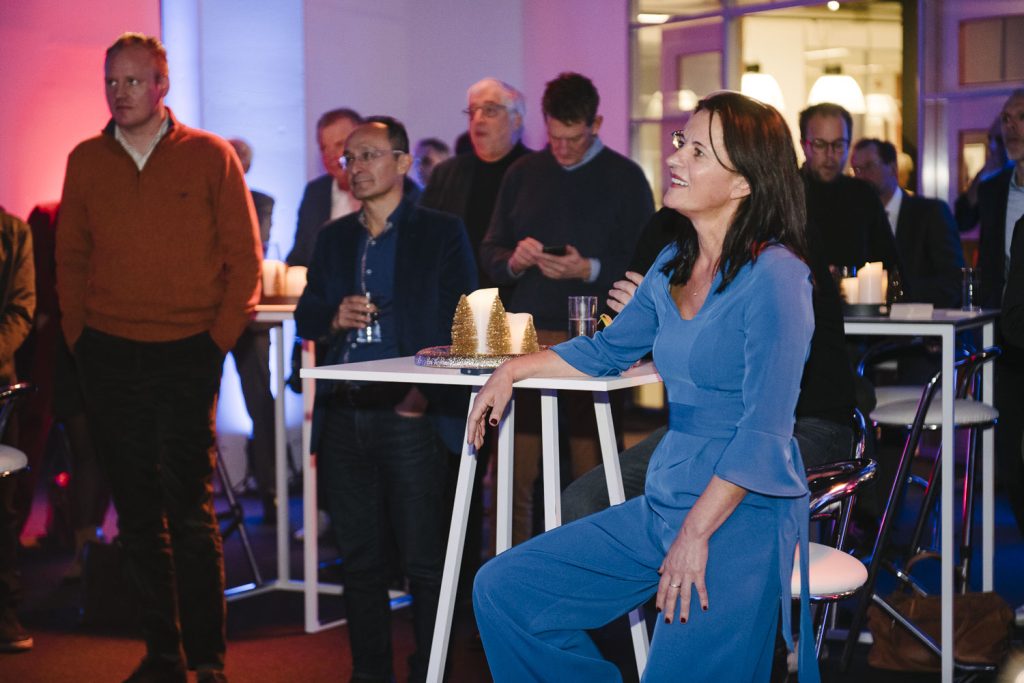
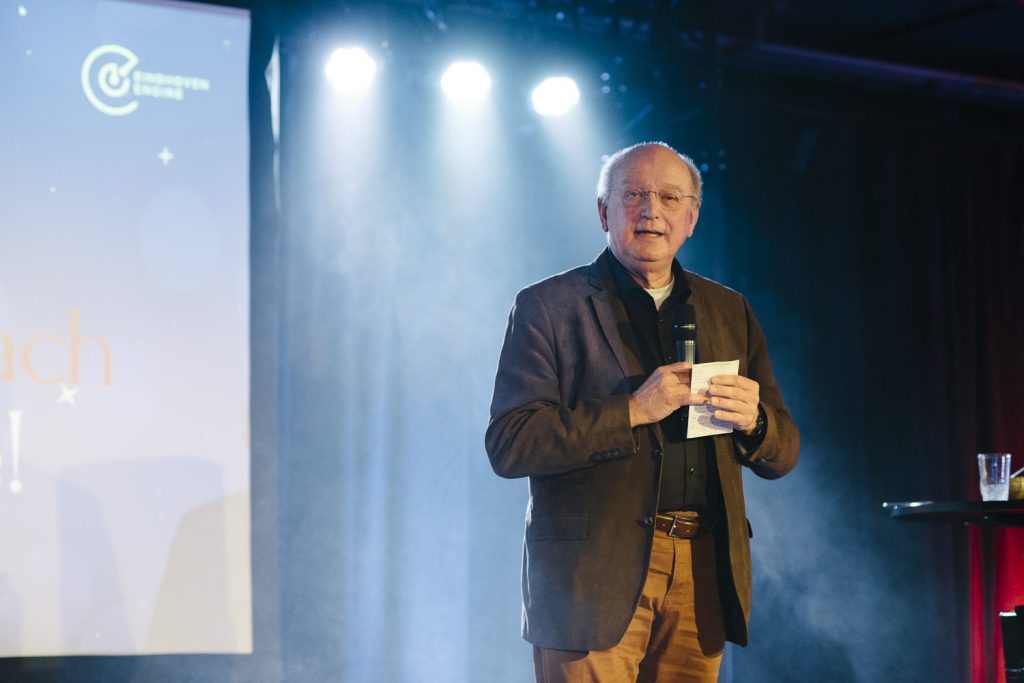
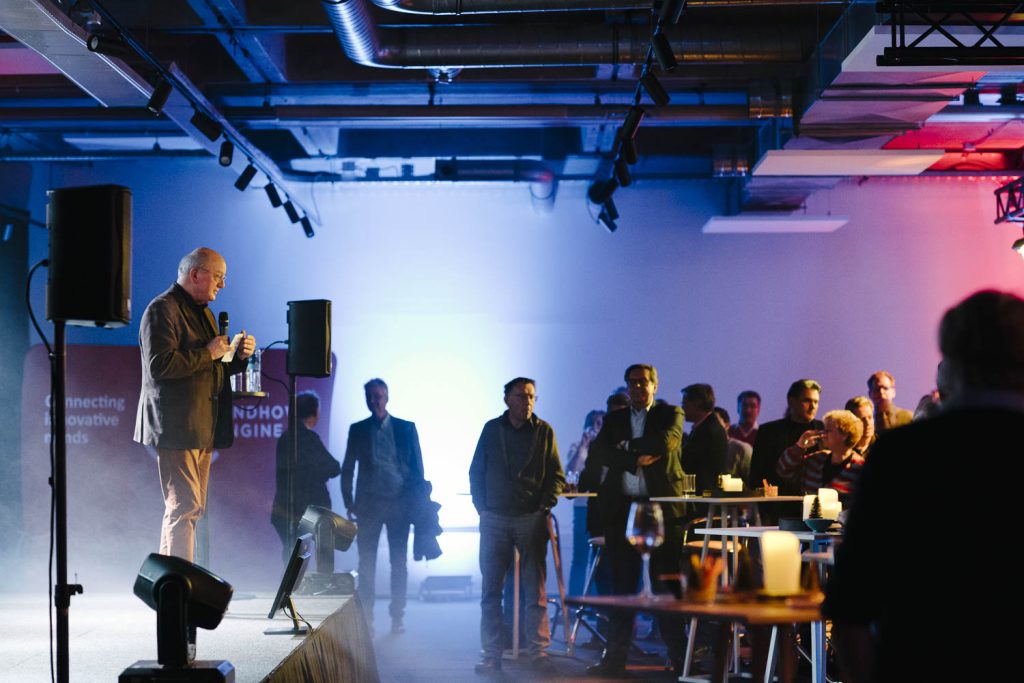
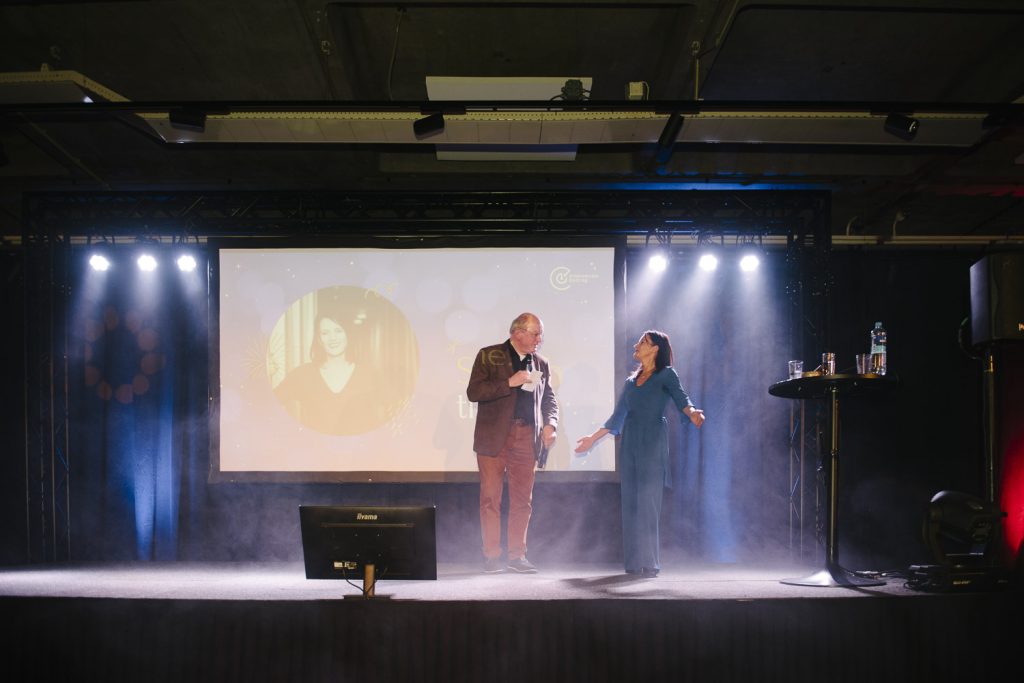
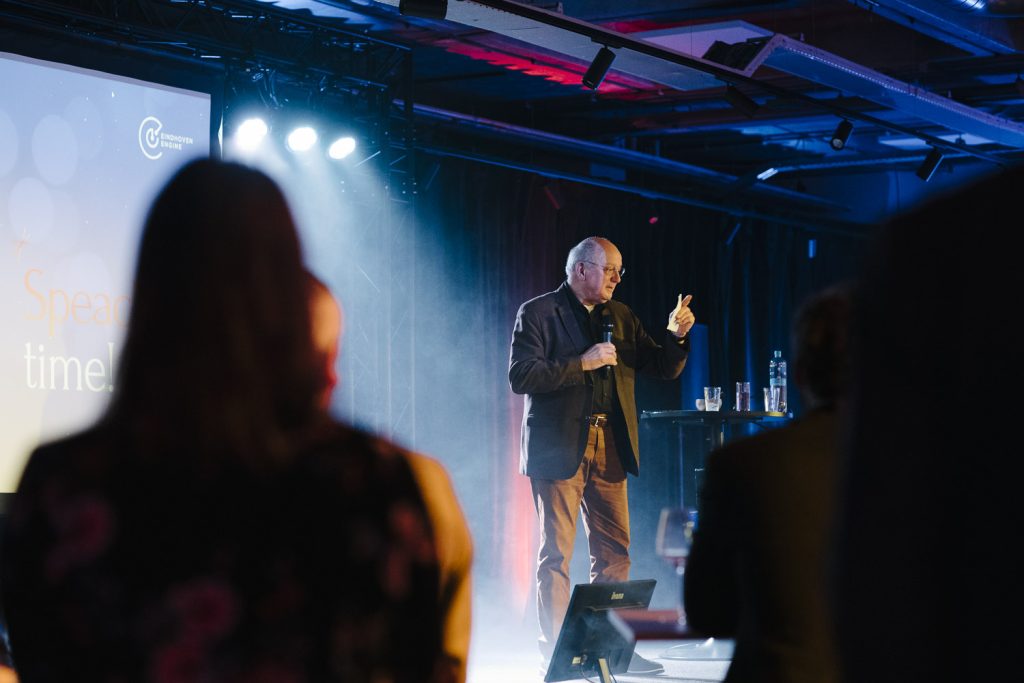
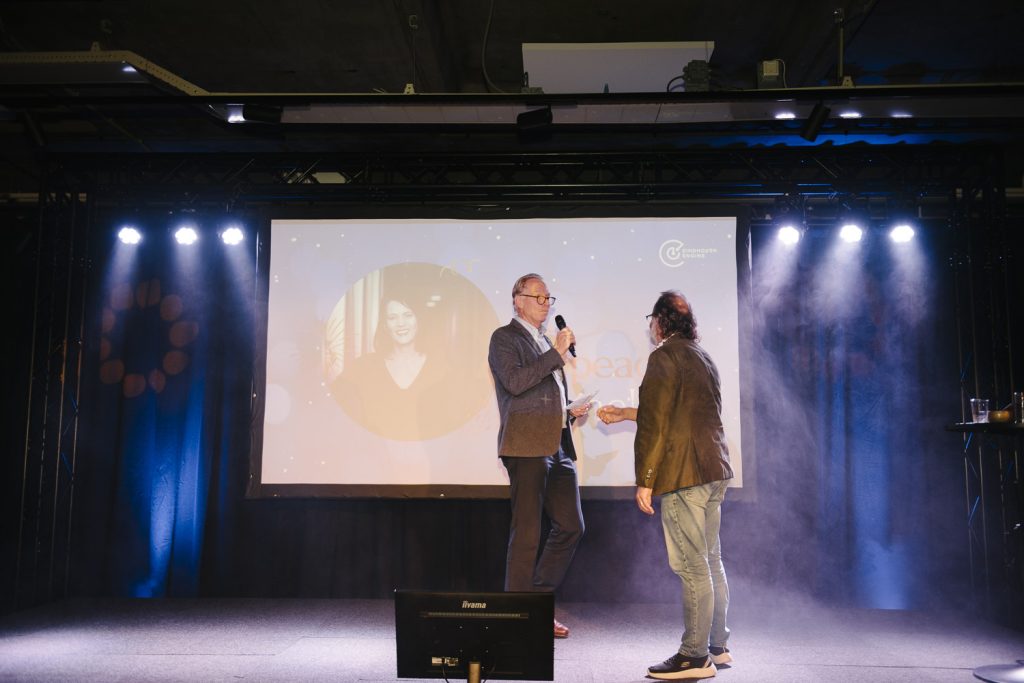
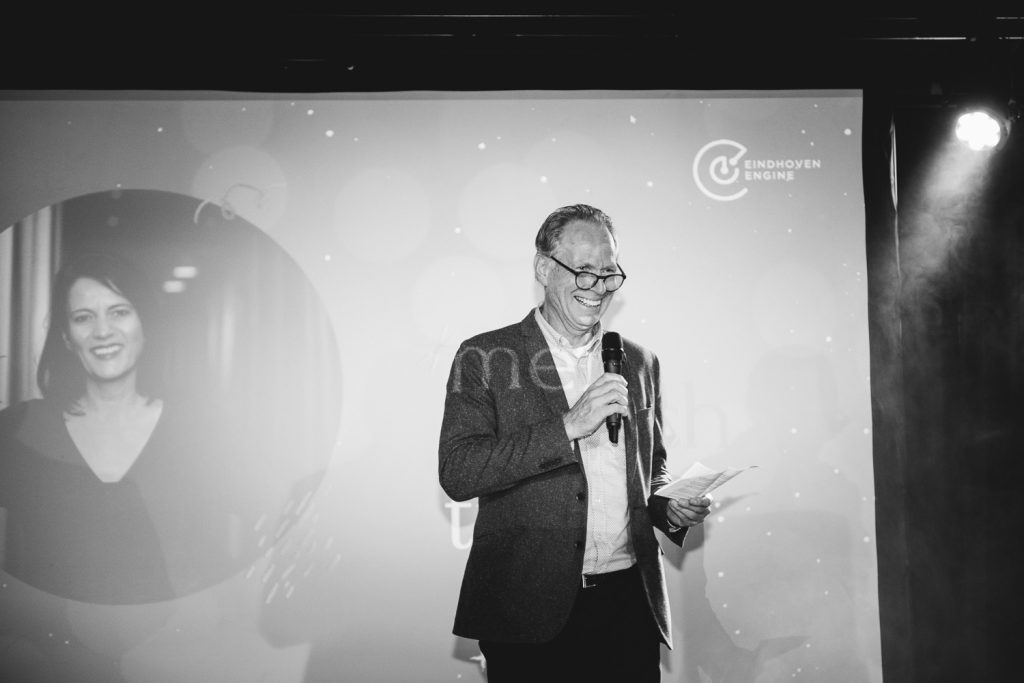
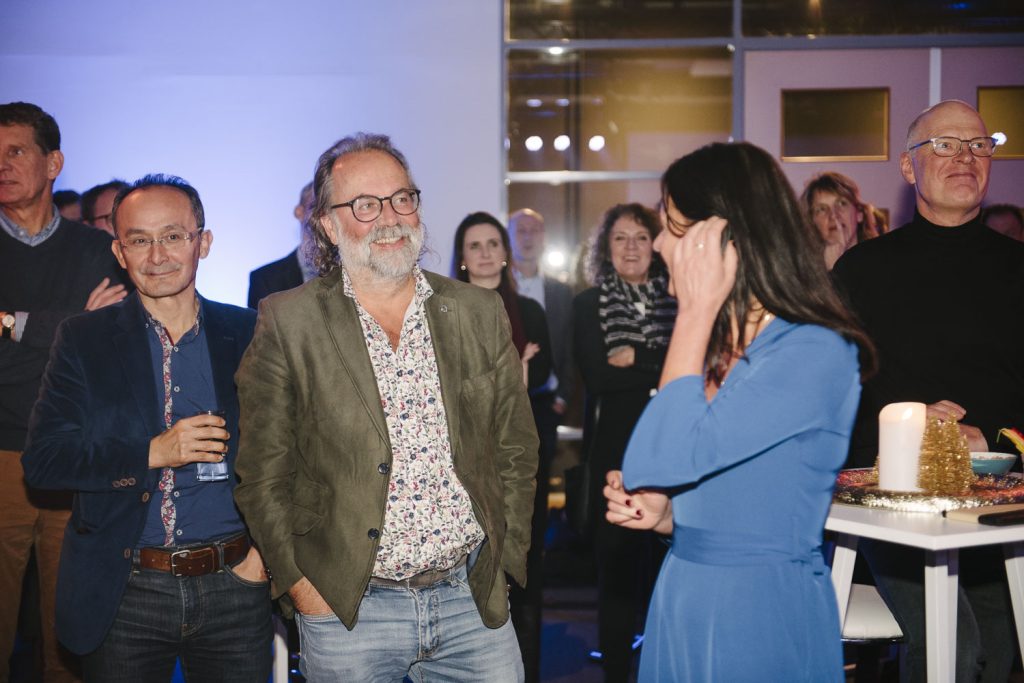
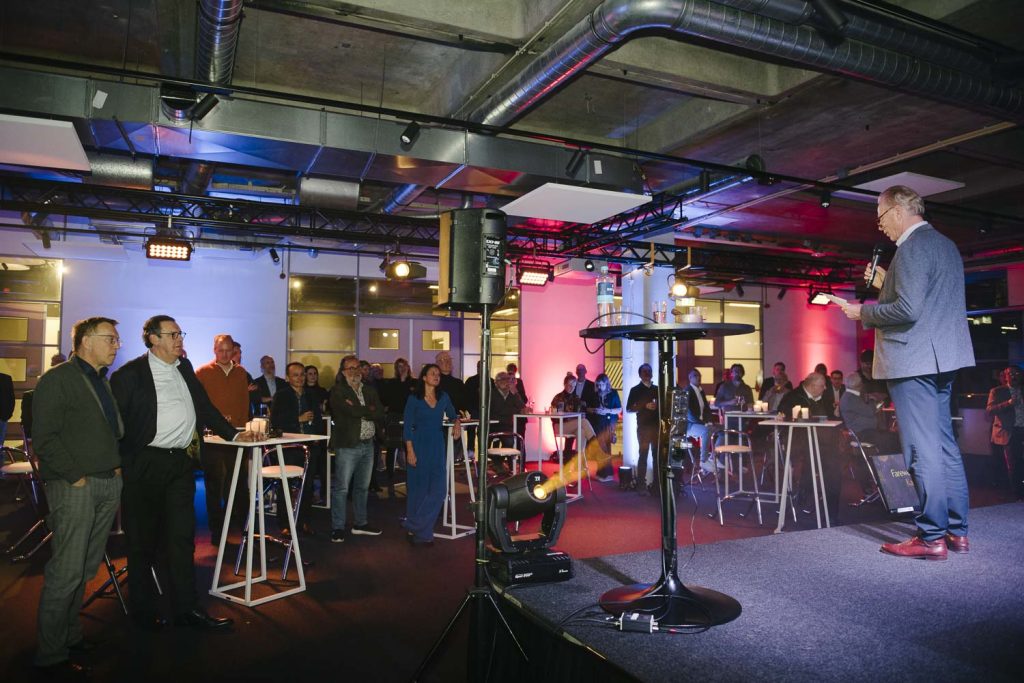
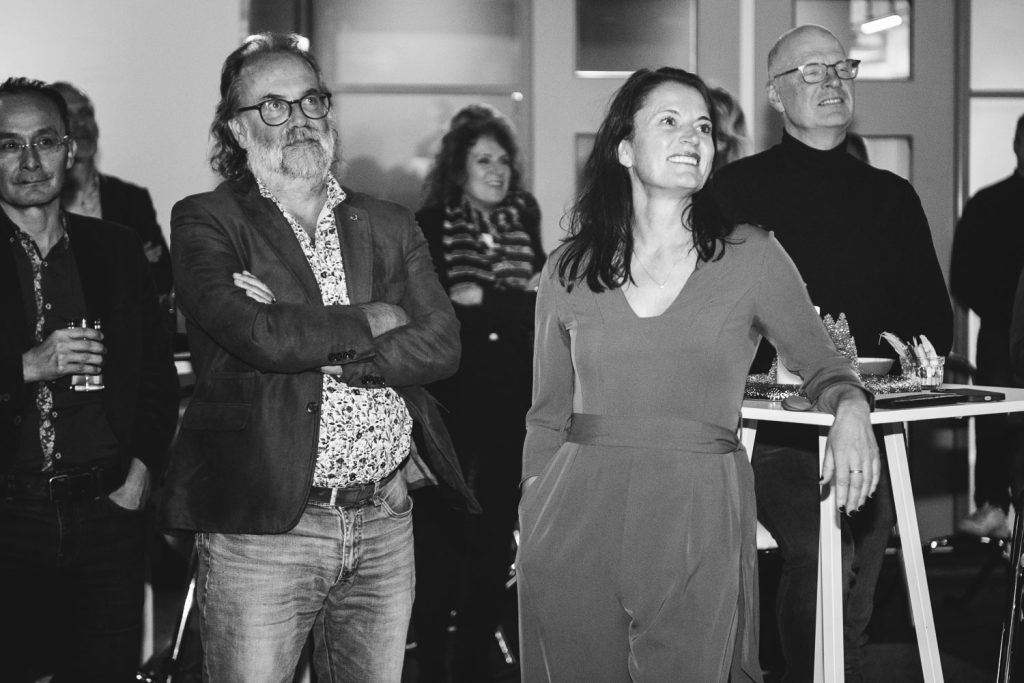
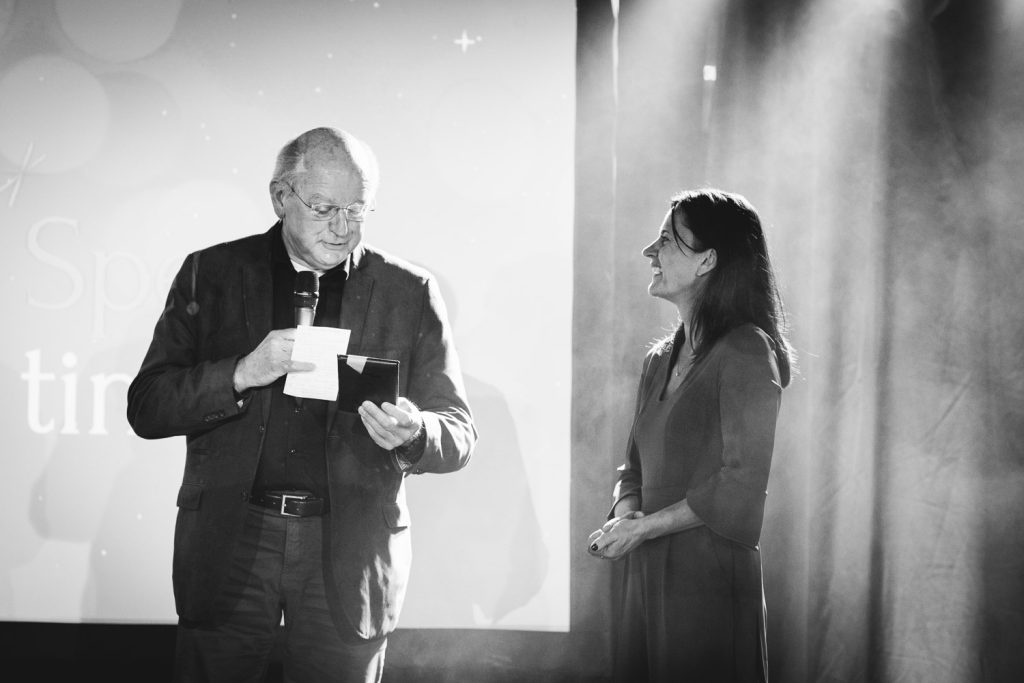
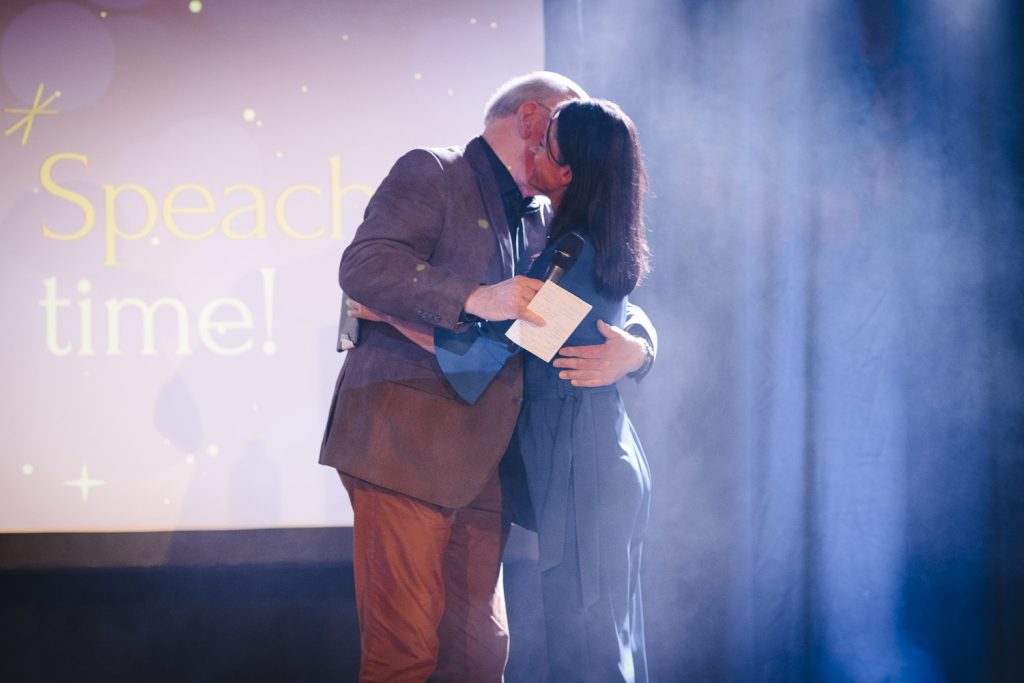
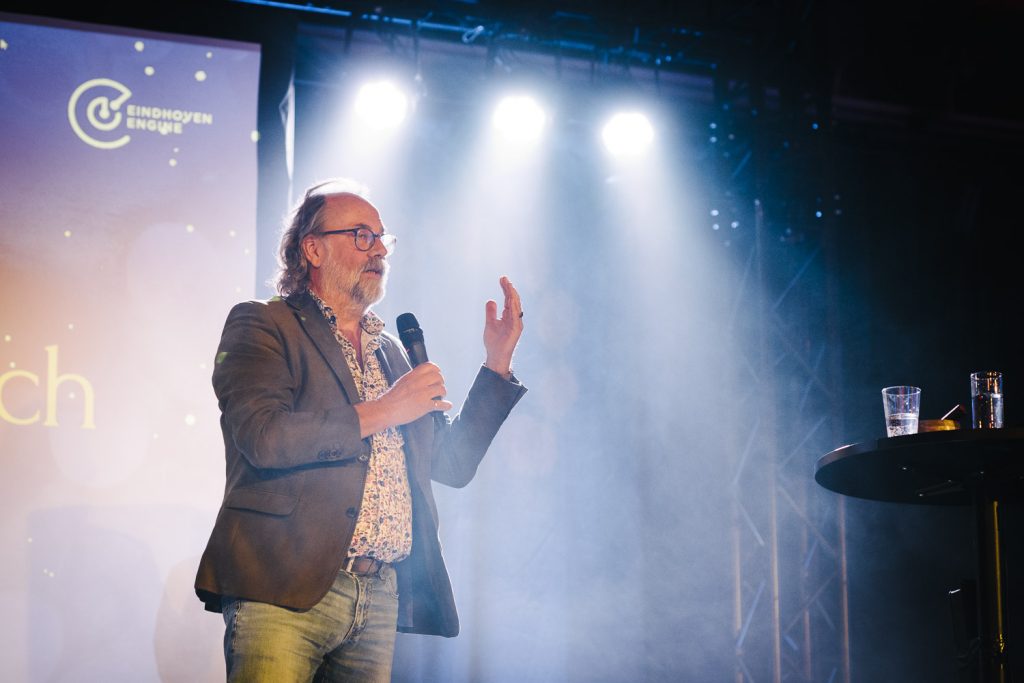
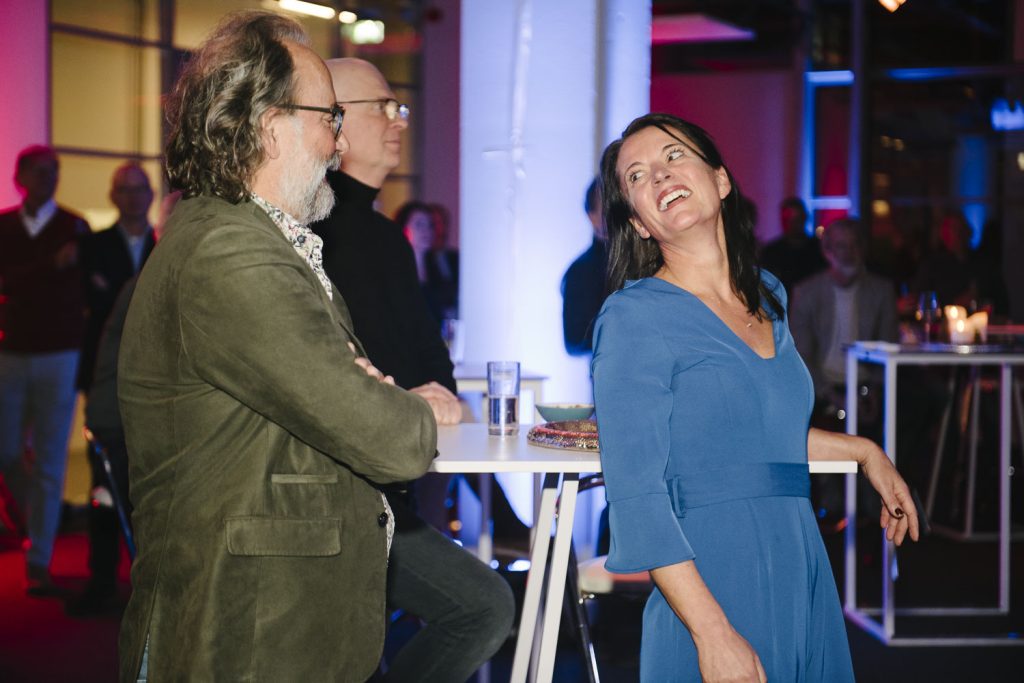
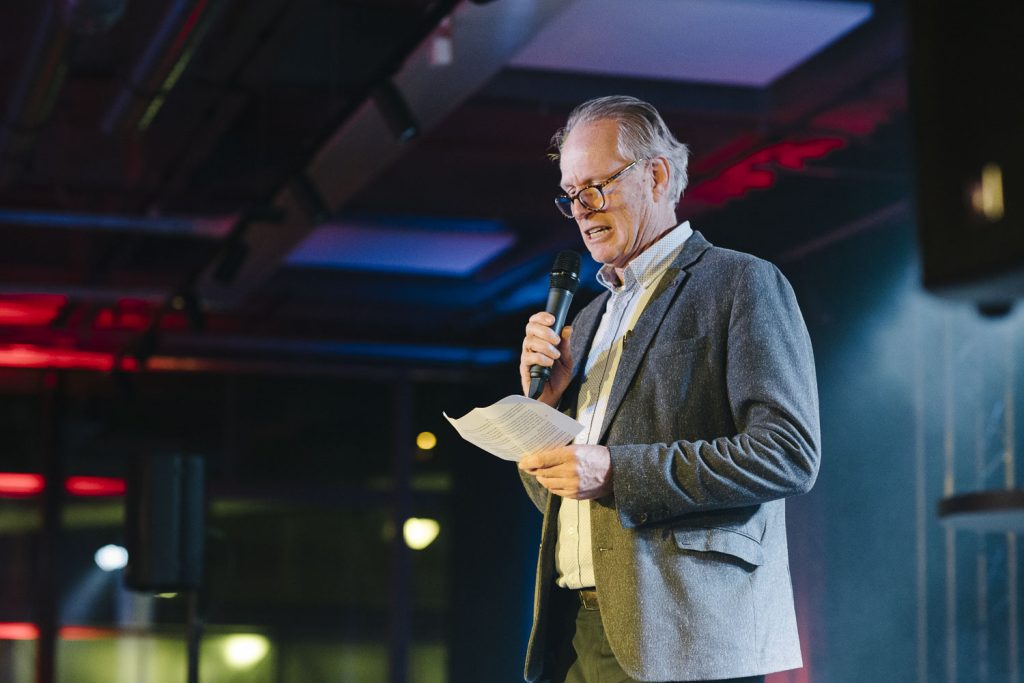
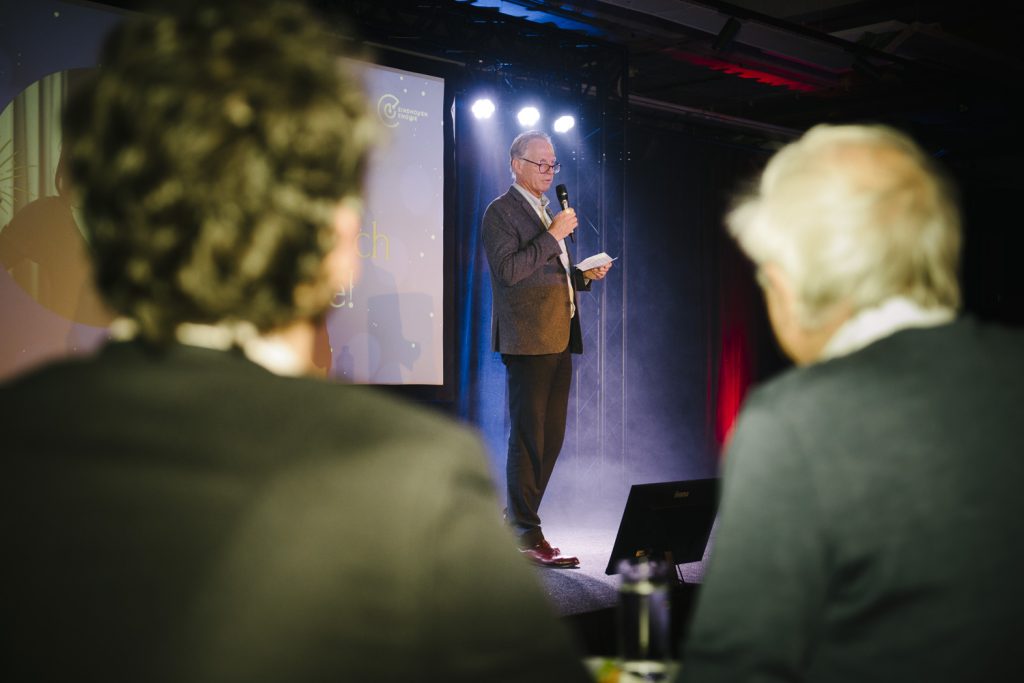
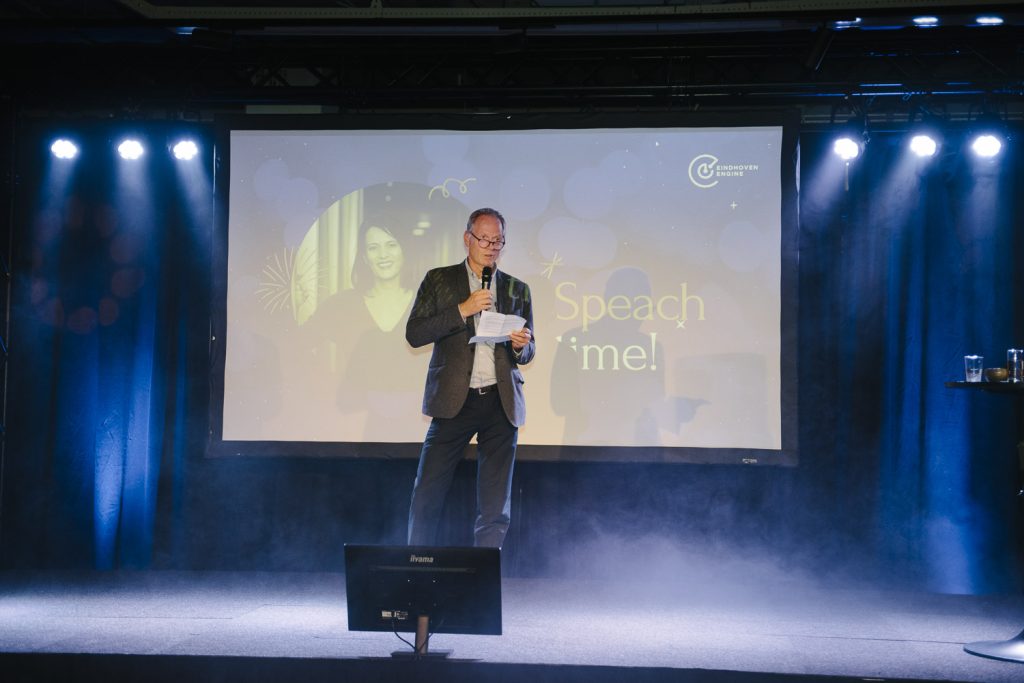
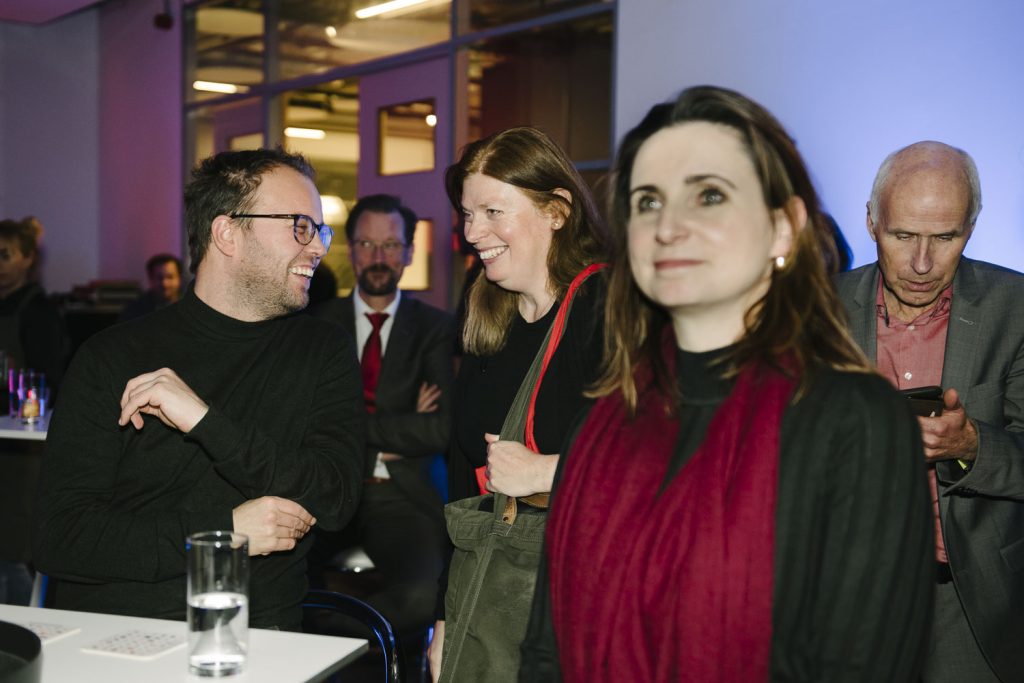
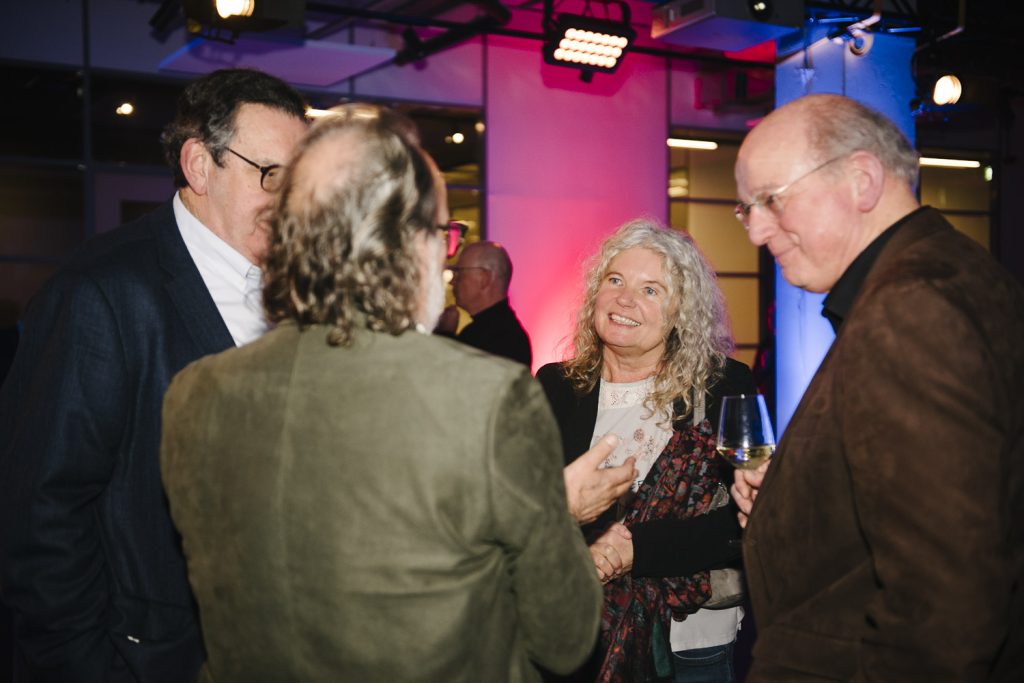
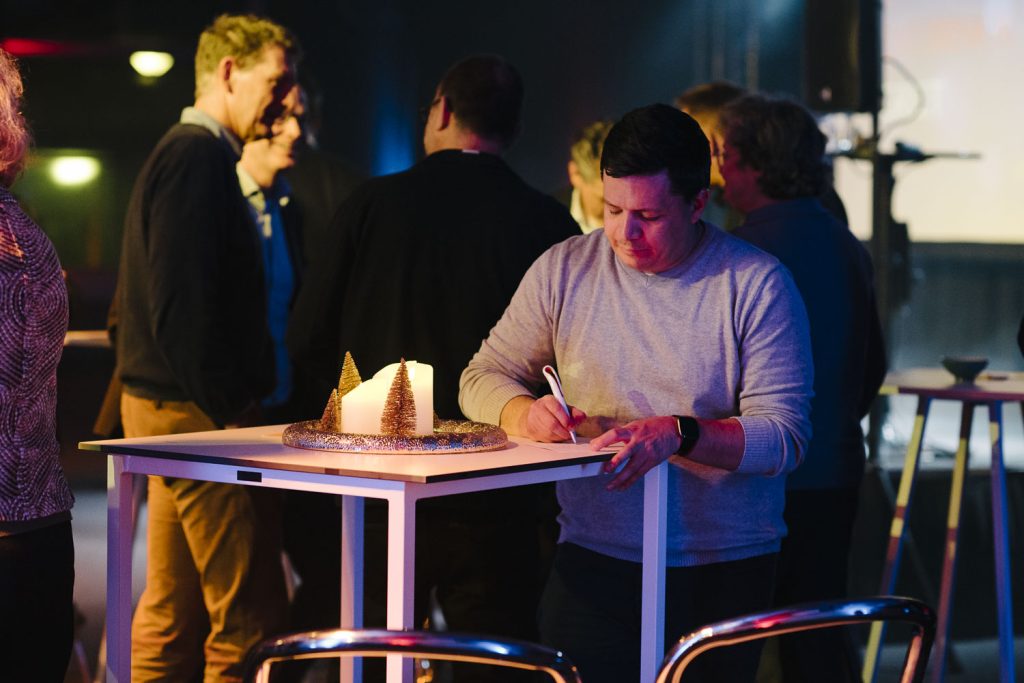
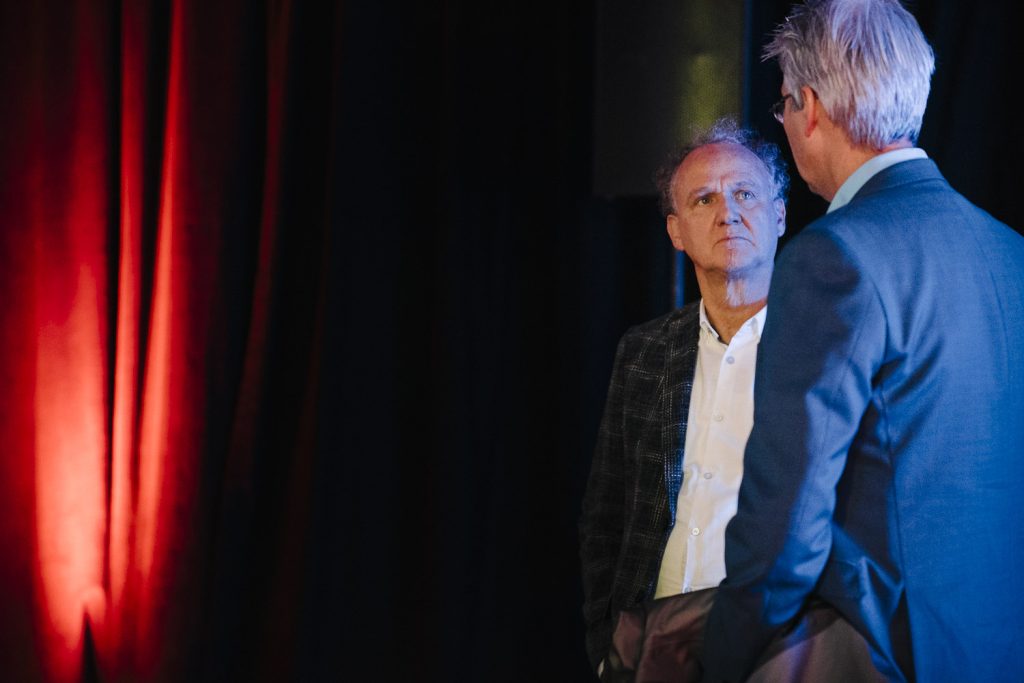
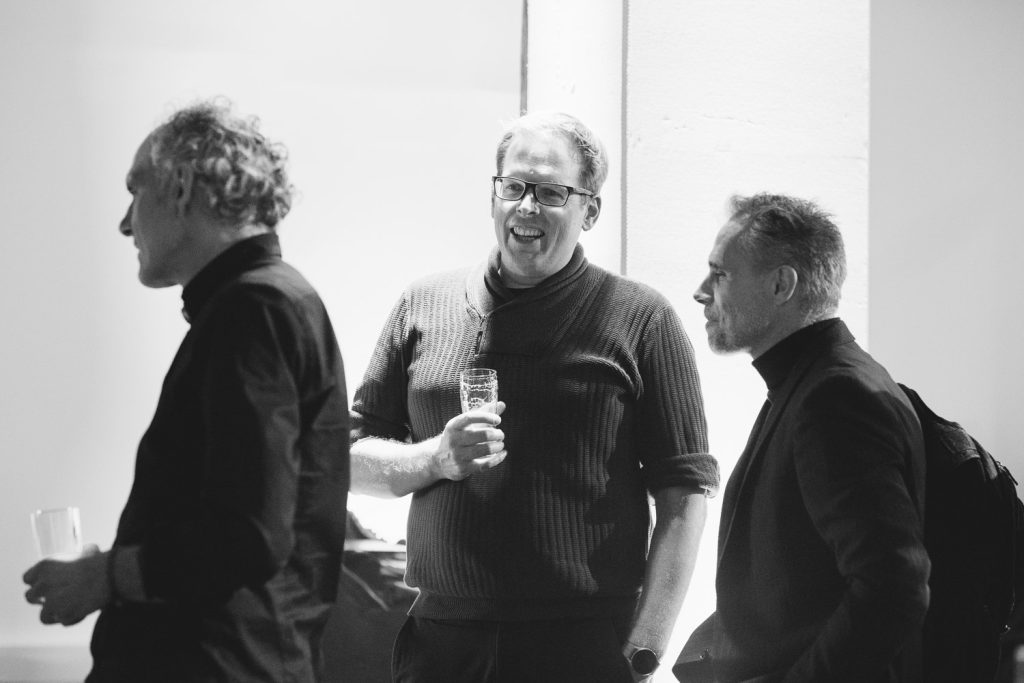
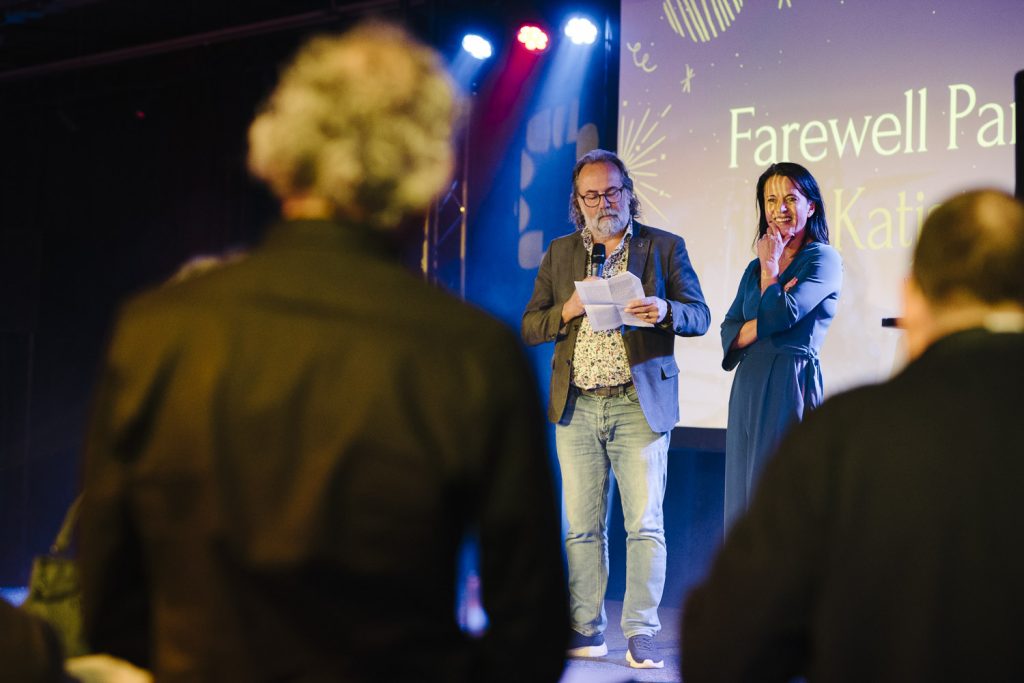
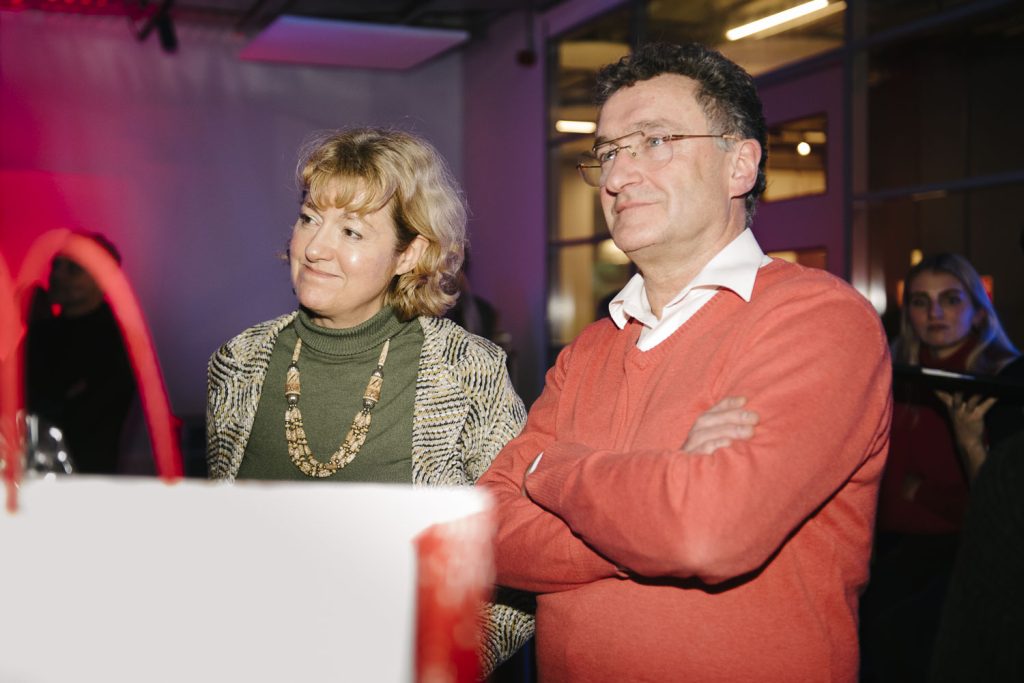
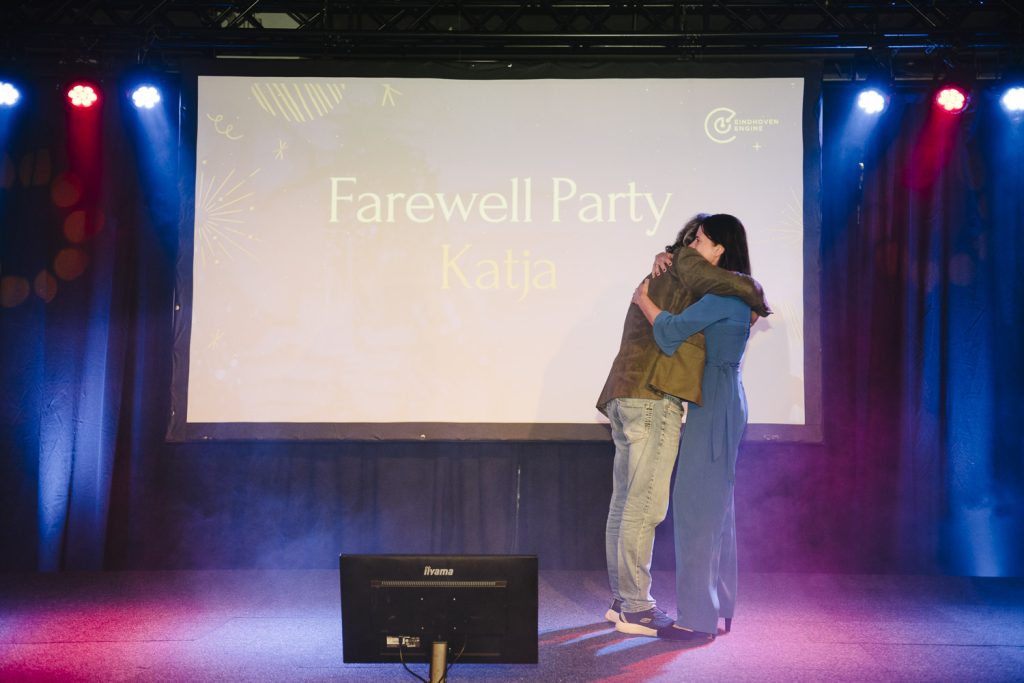
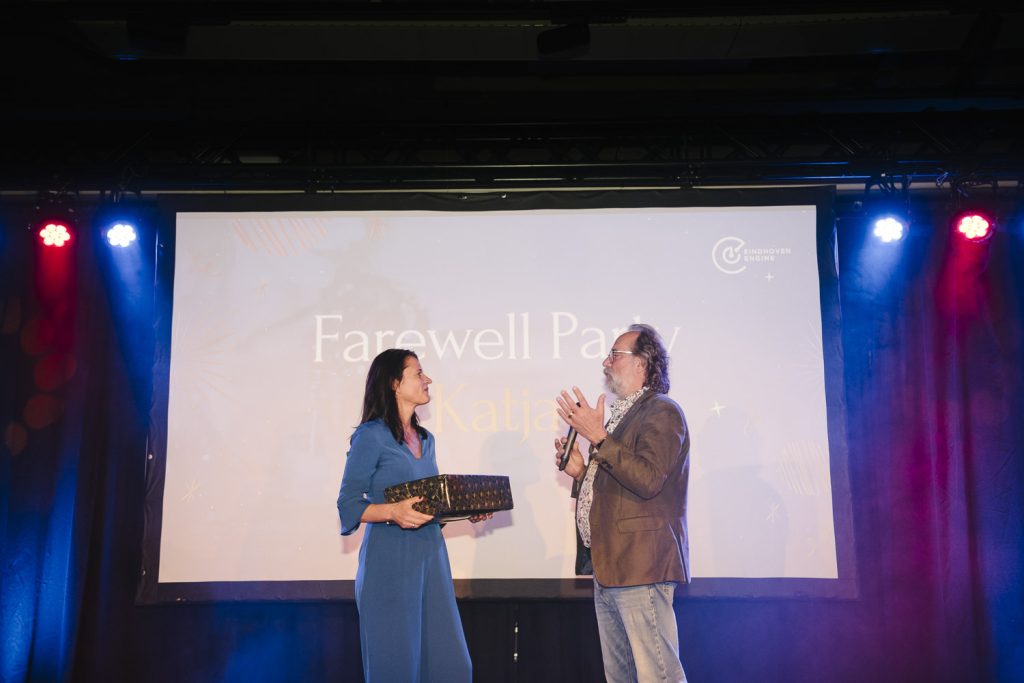
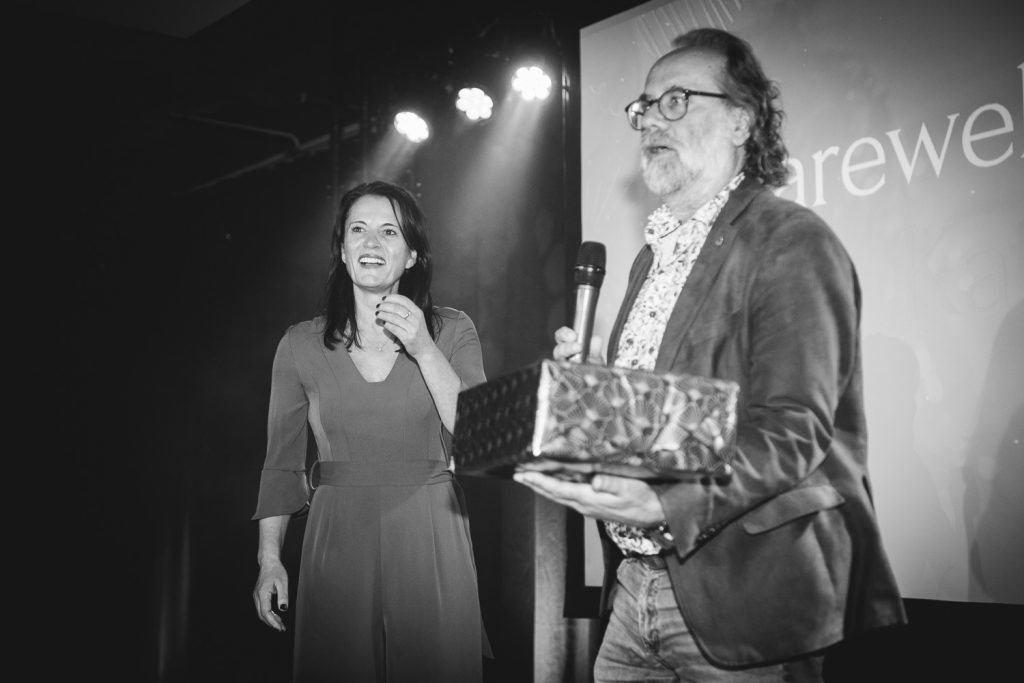
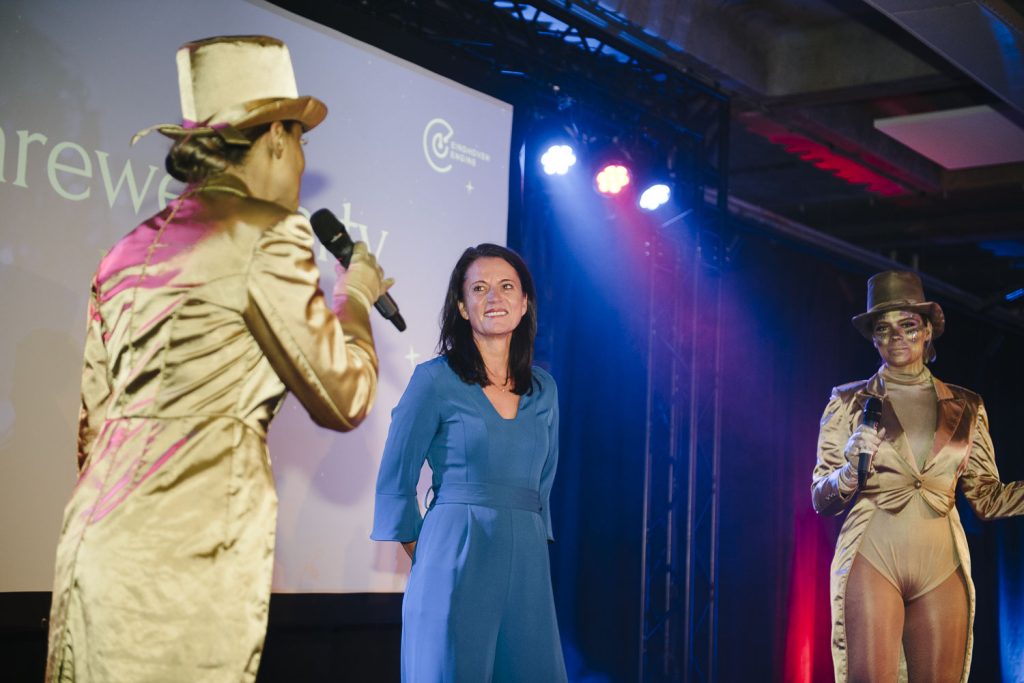
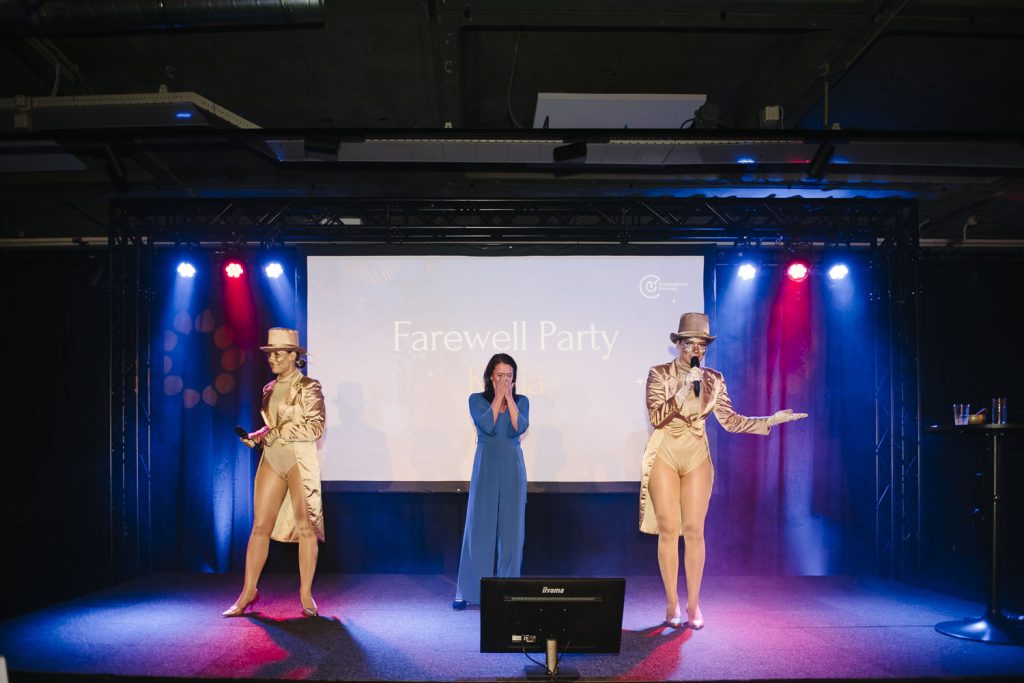
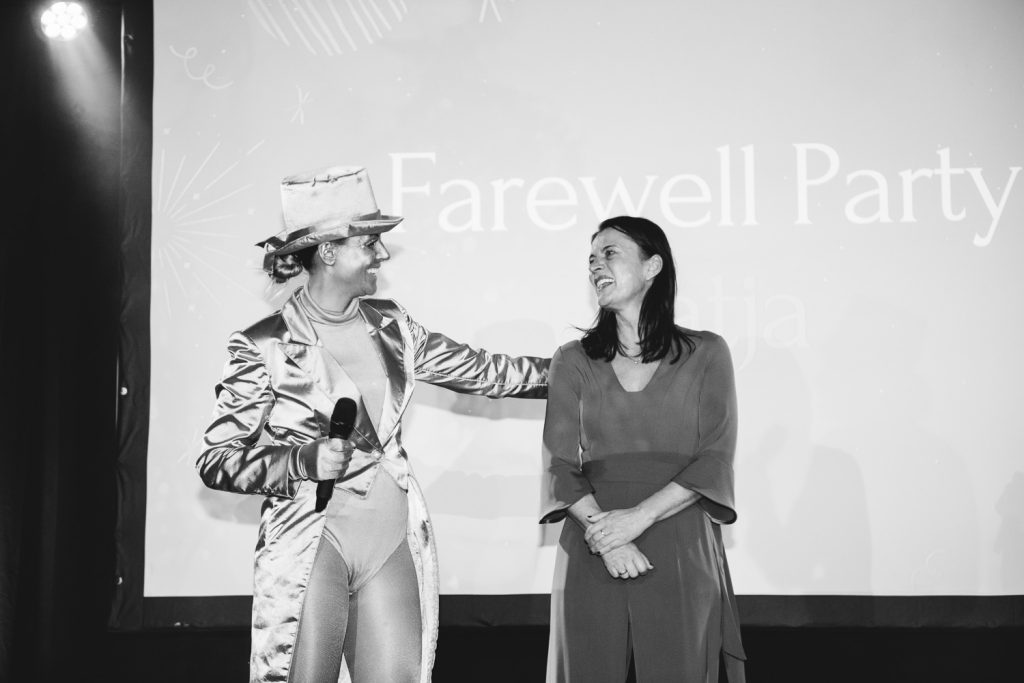
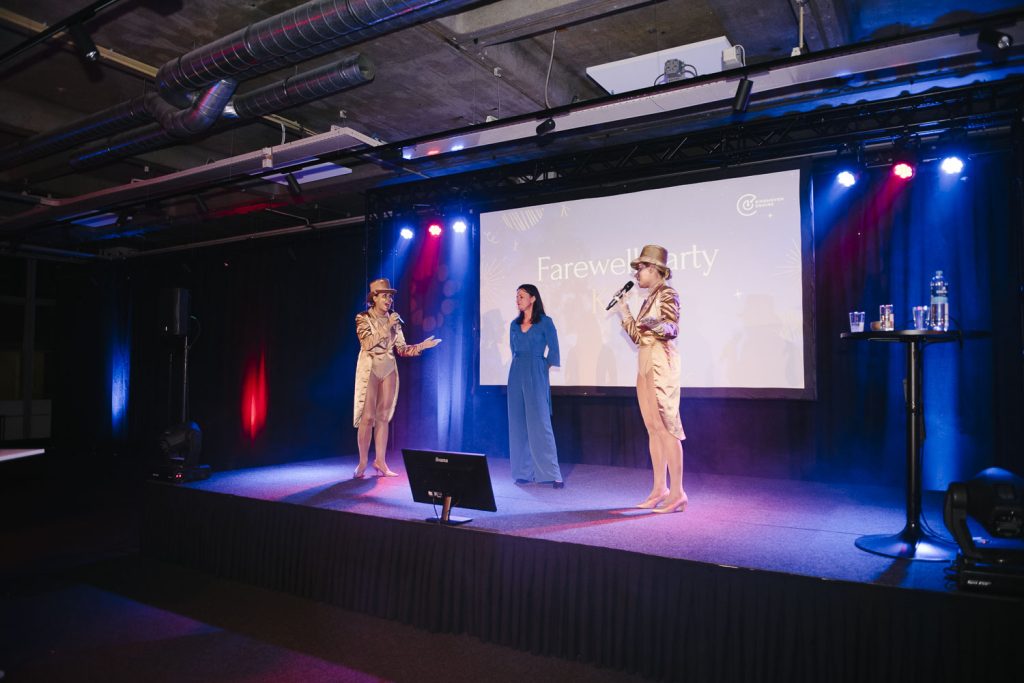
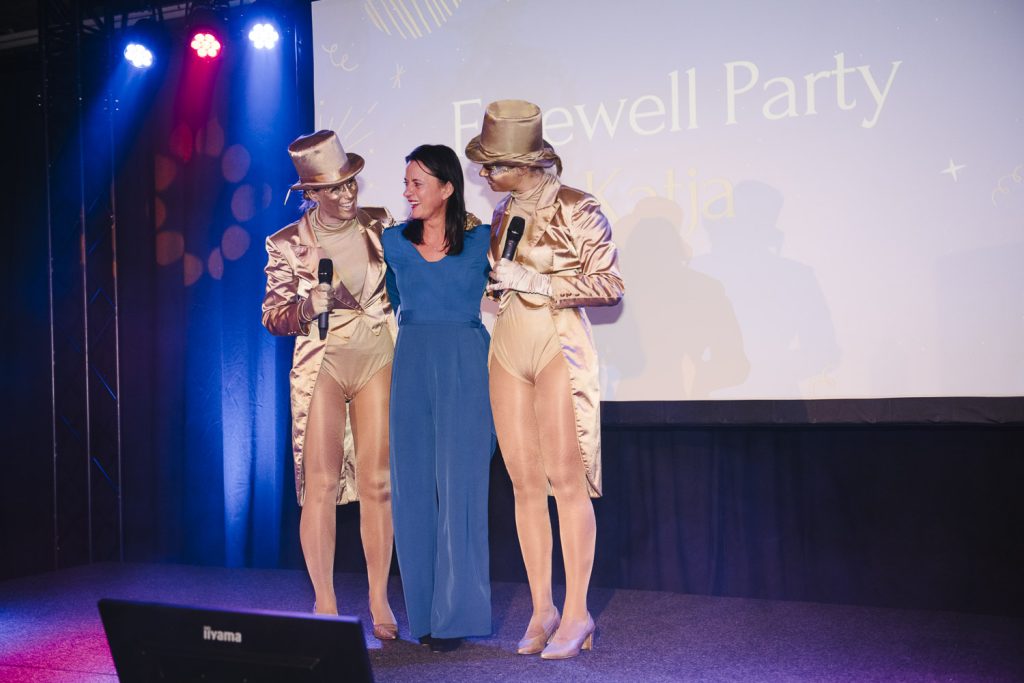
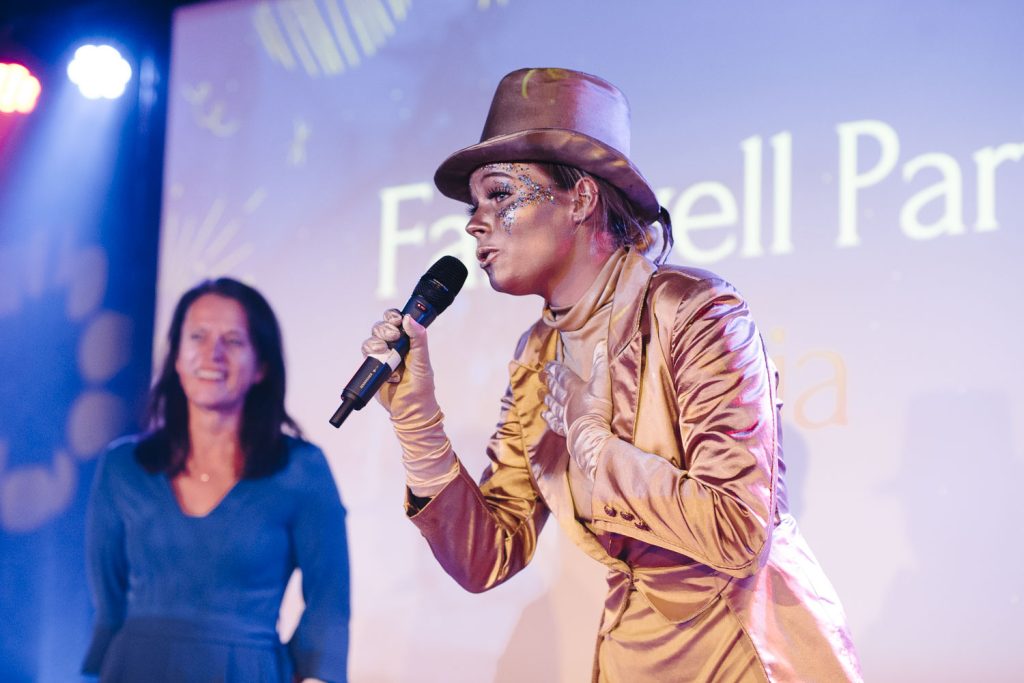
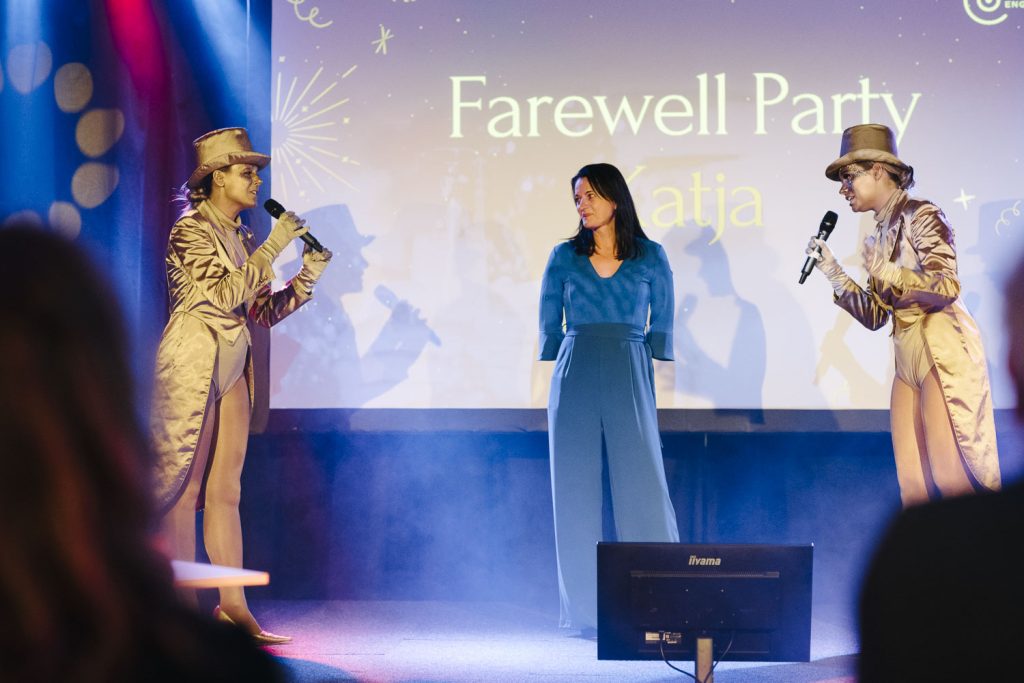
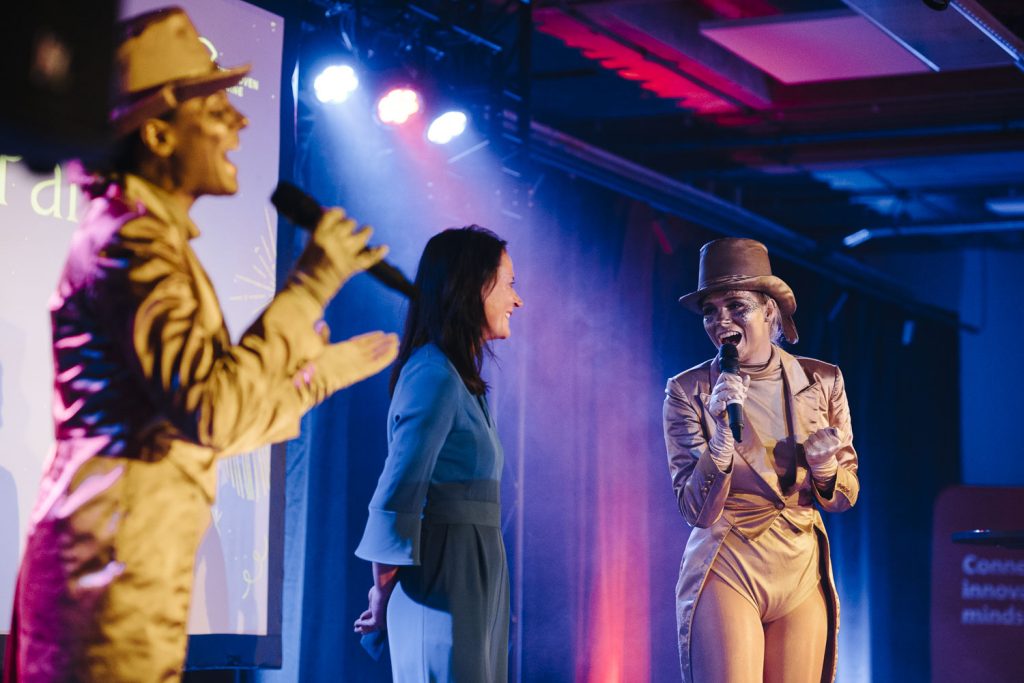
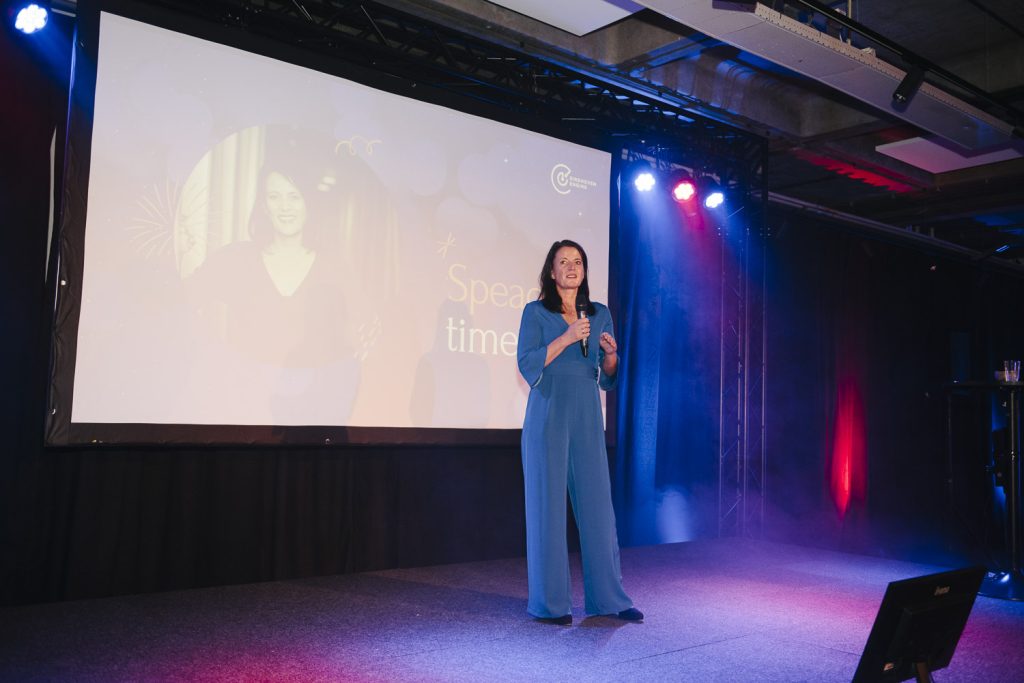
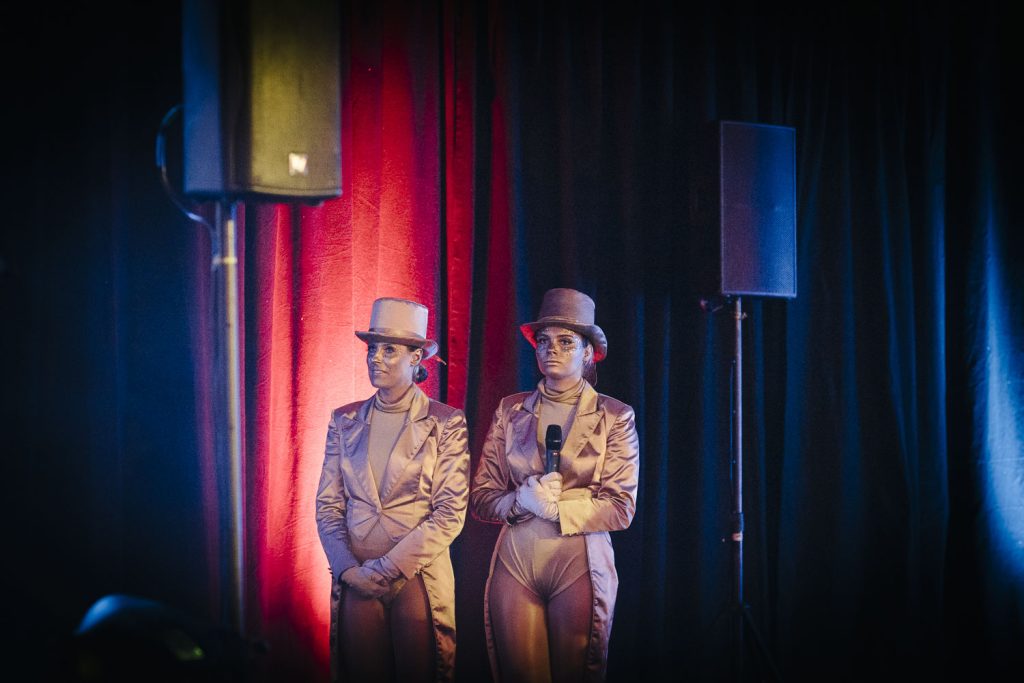
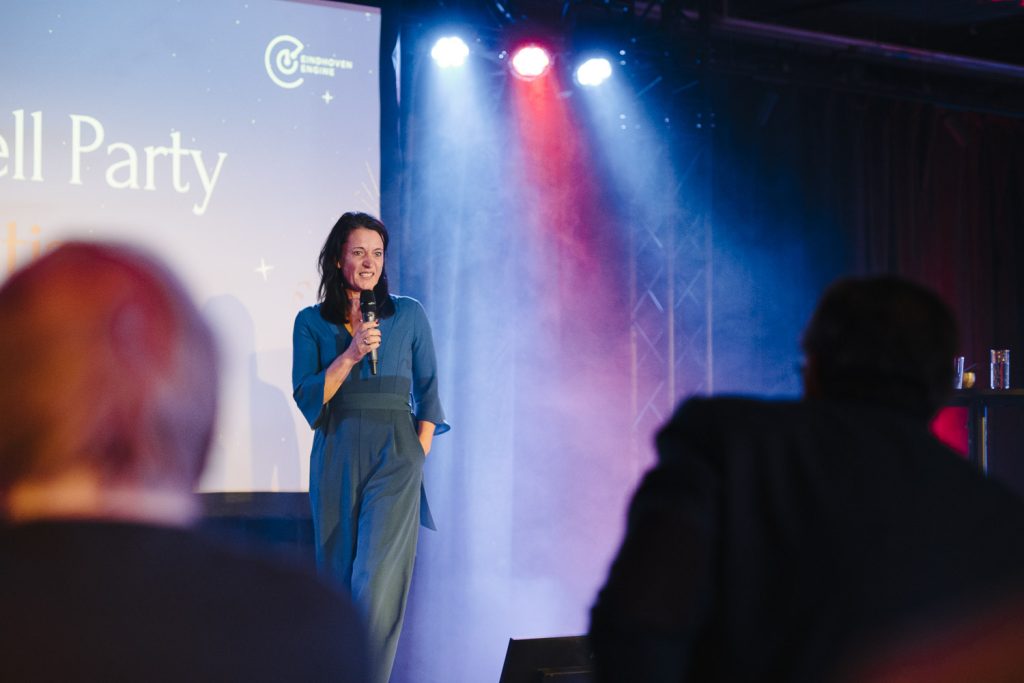
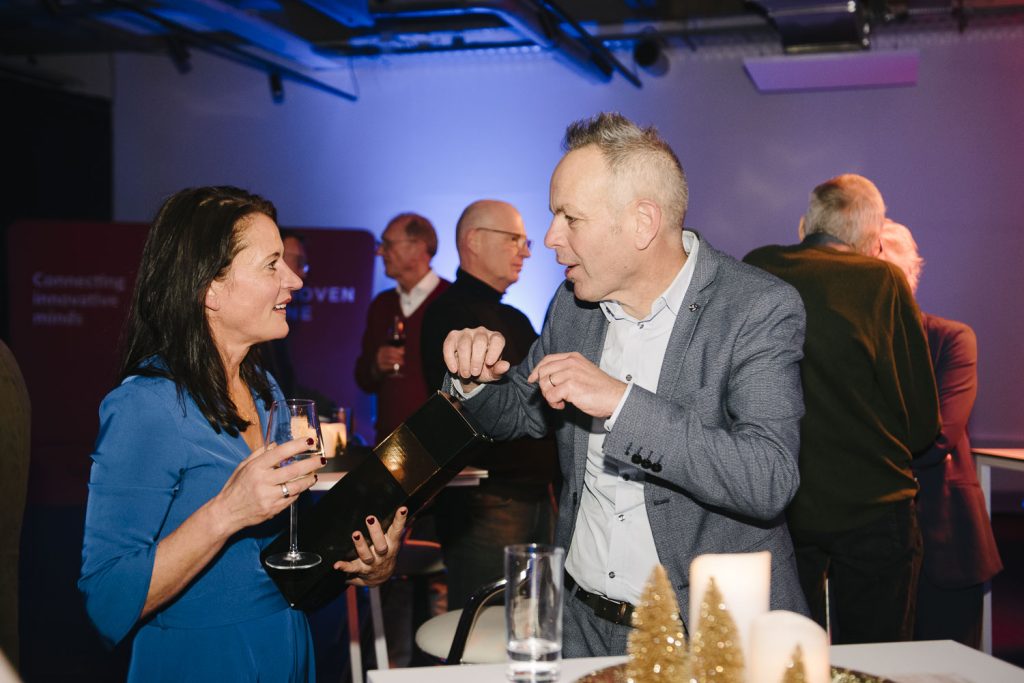
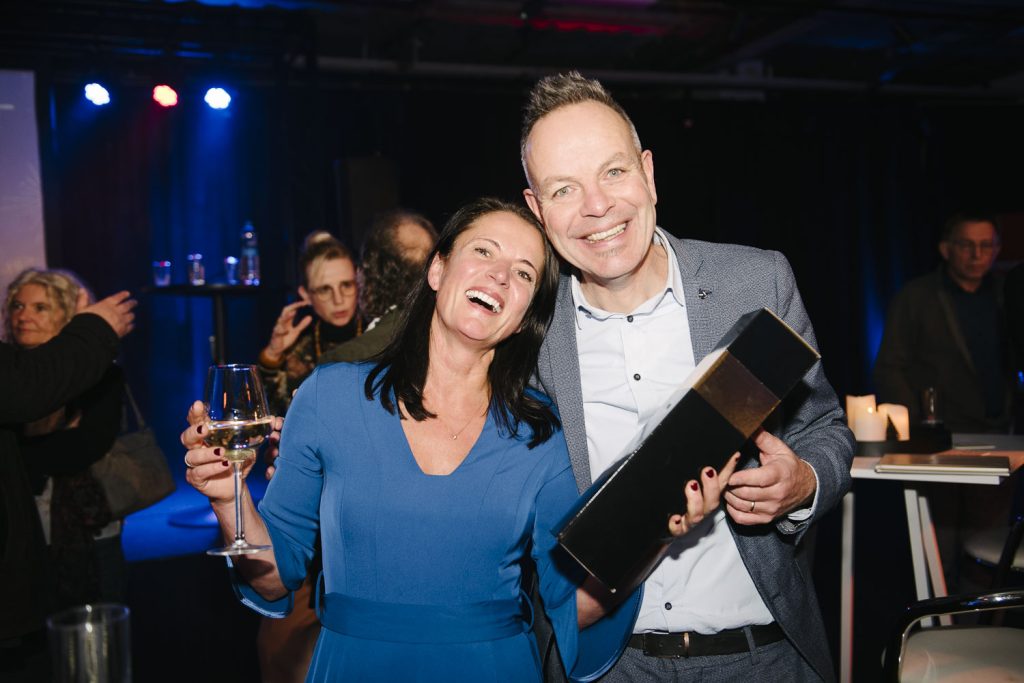
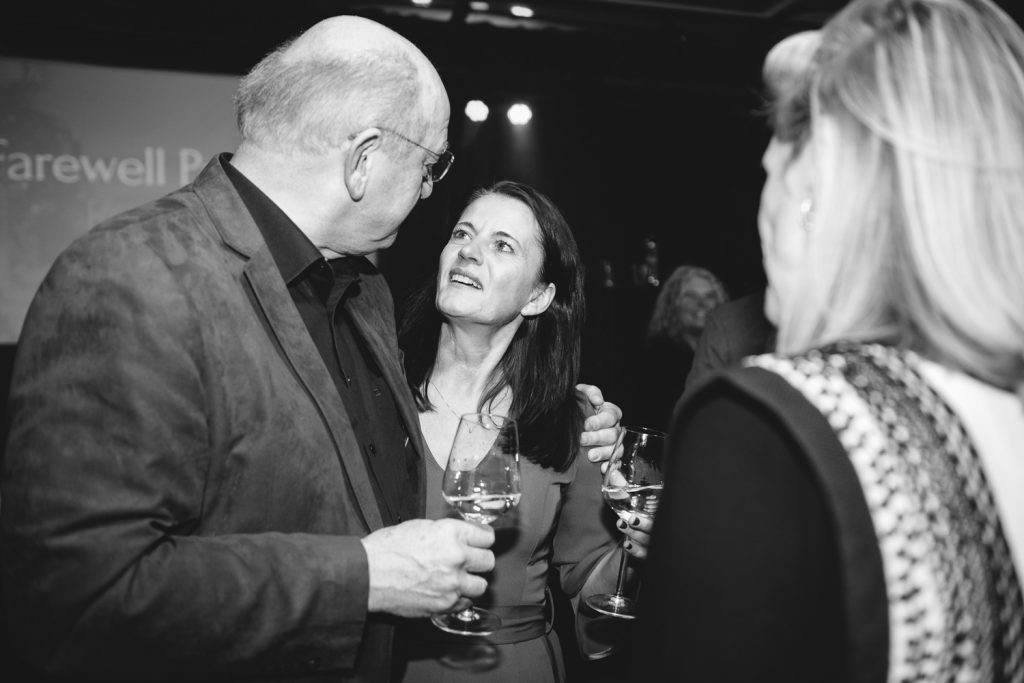
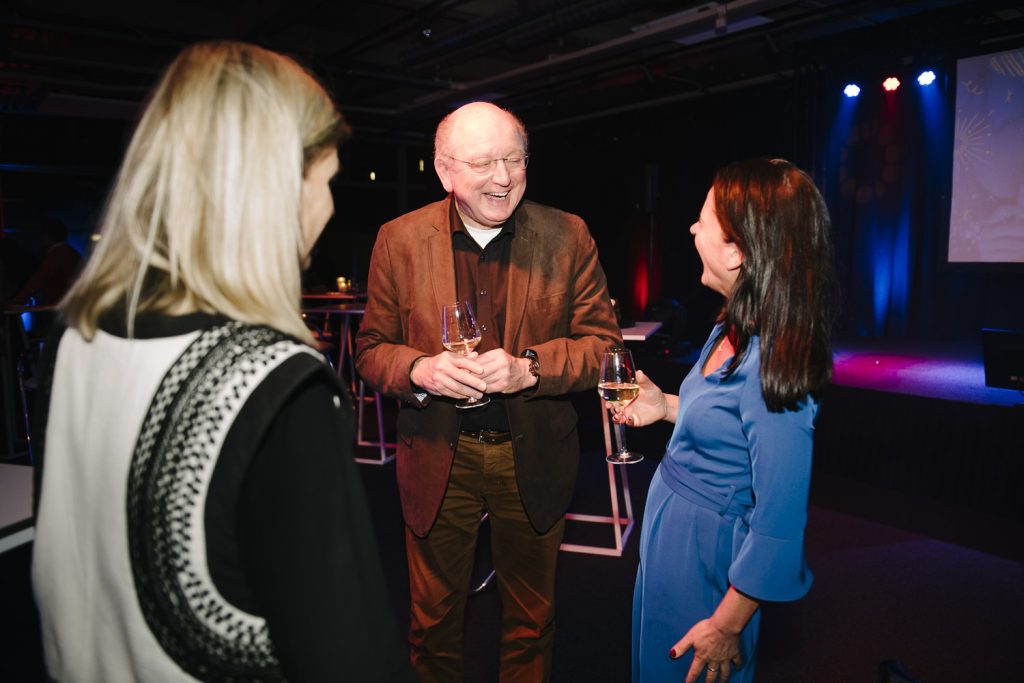
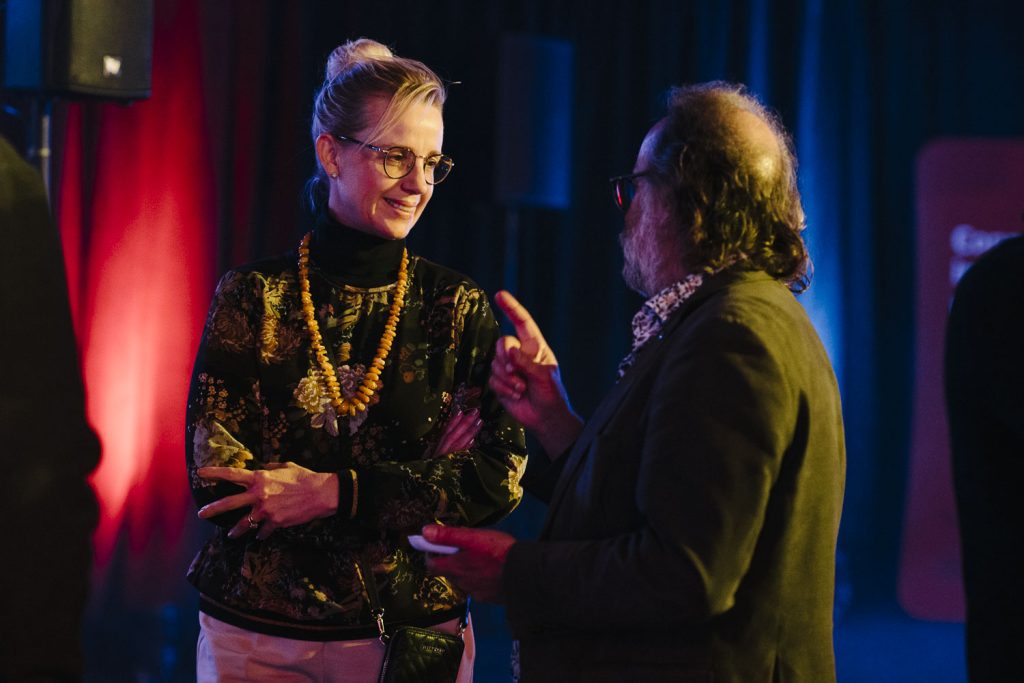
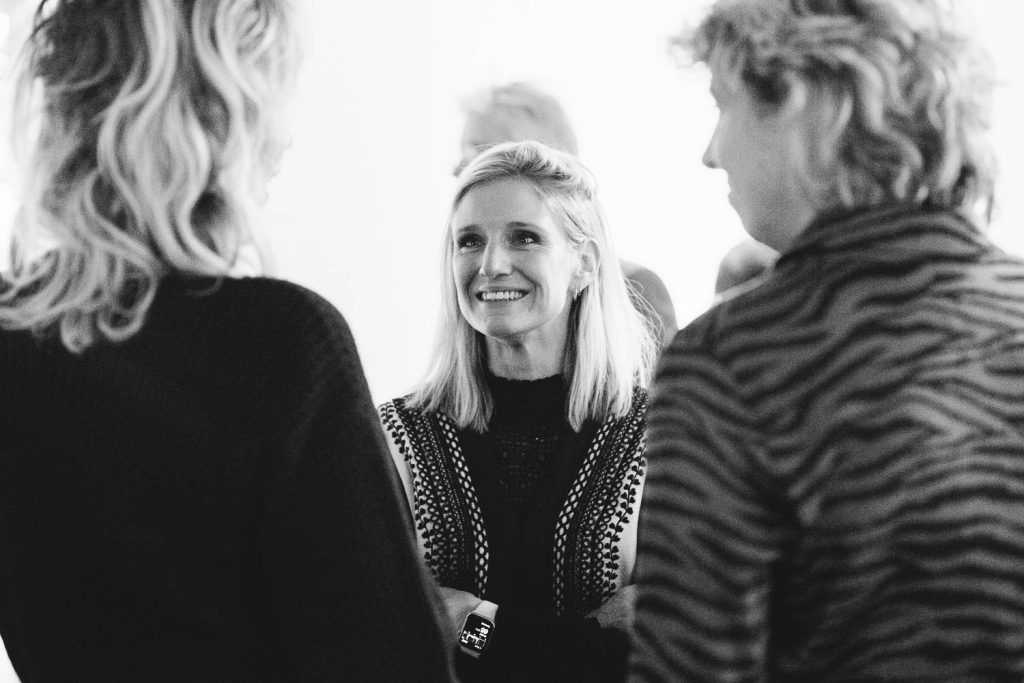
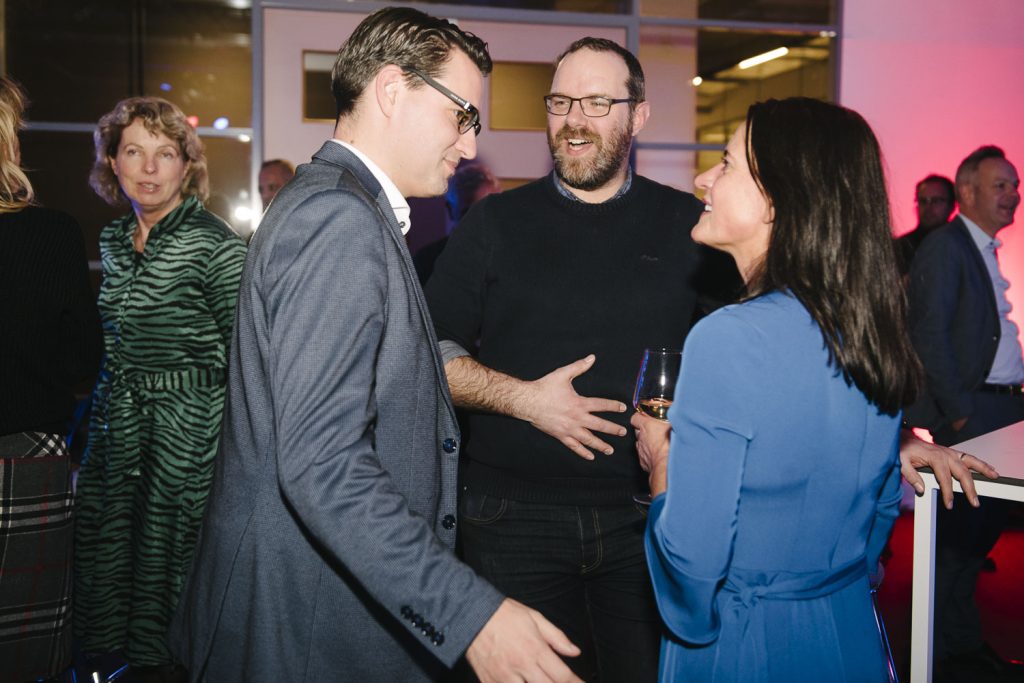
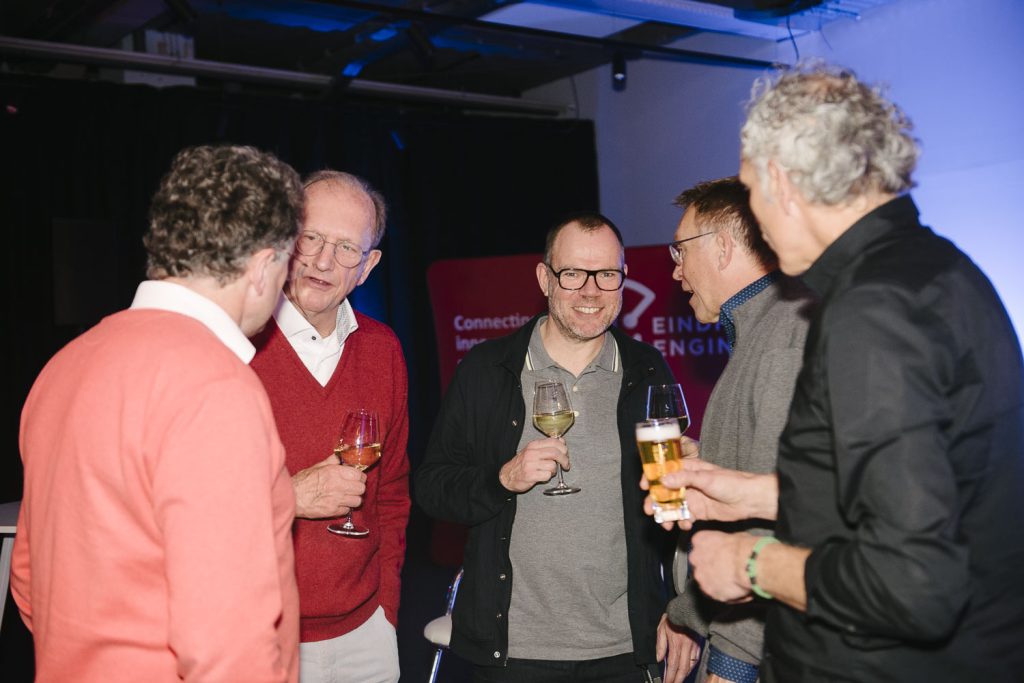
Farewell party for Katja
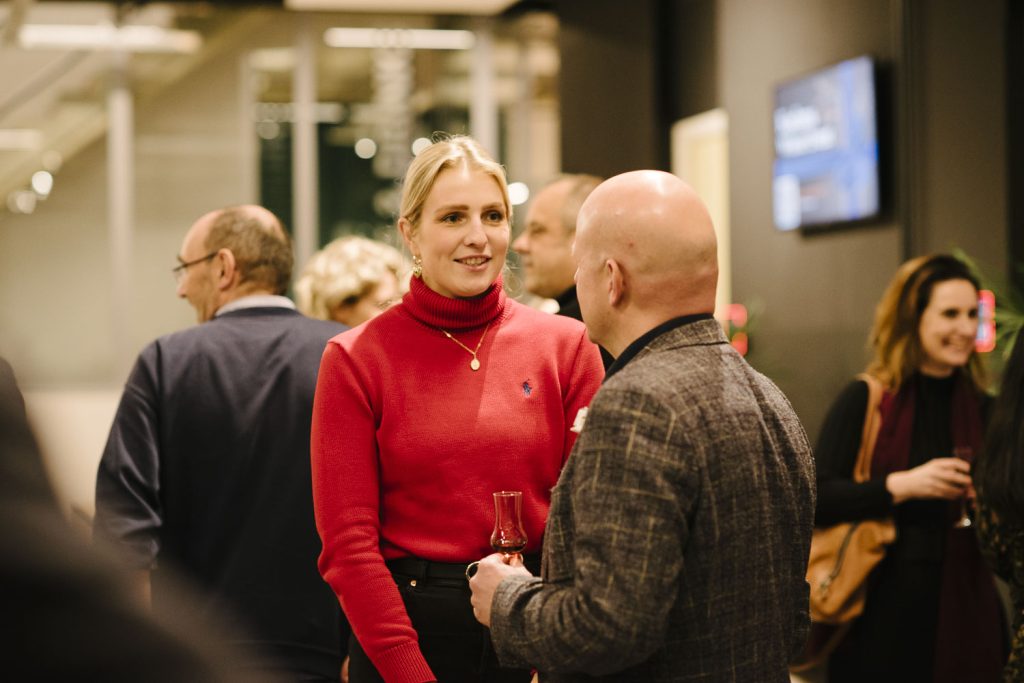
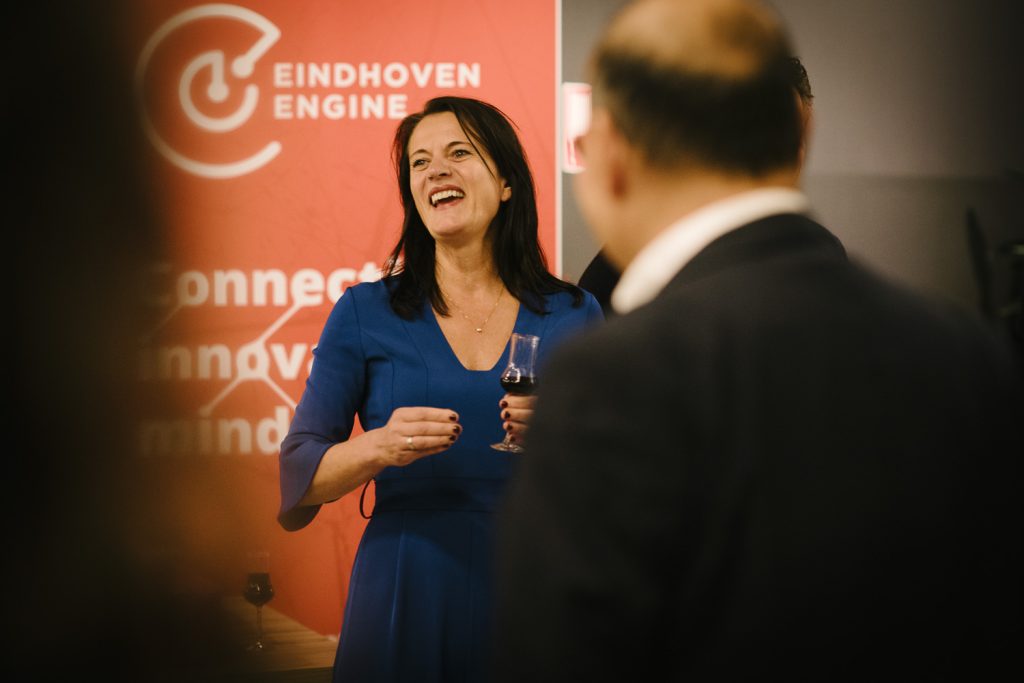
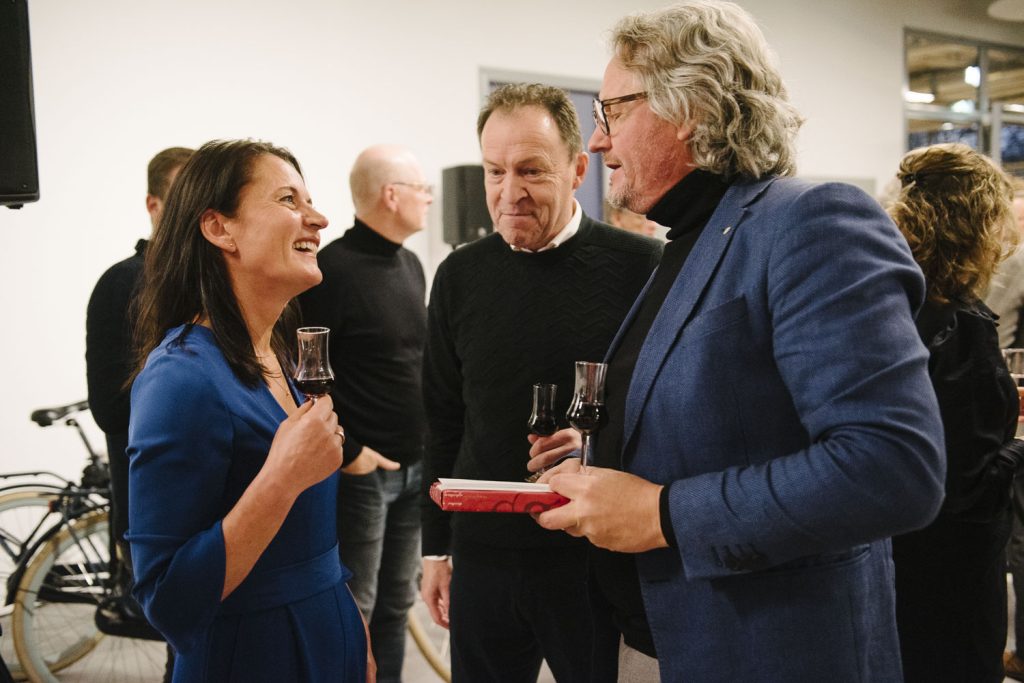
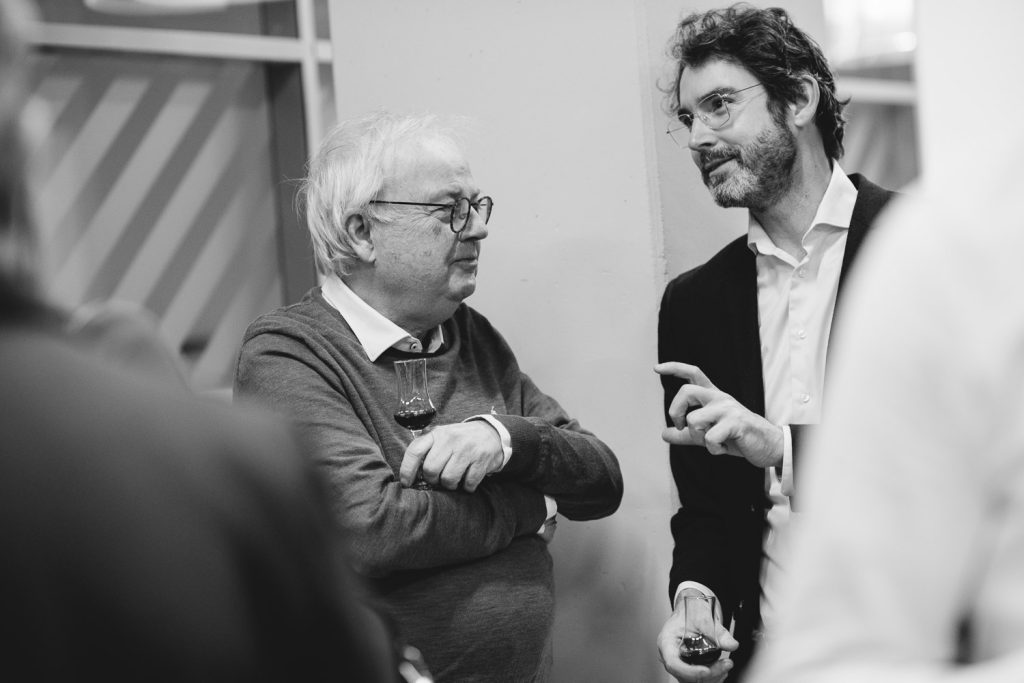
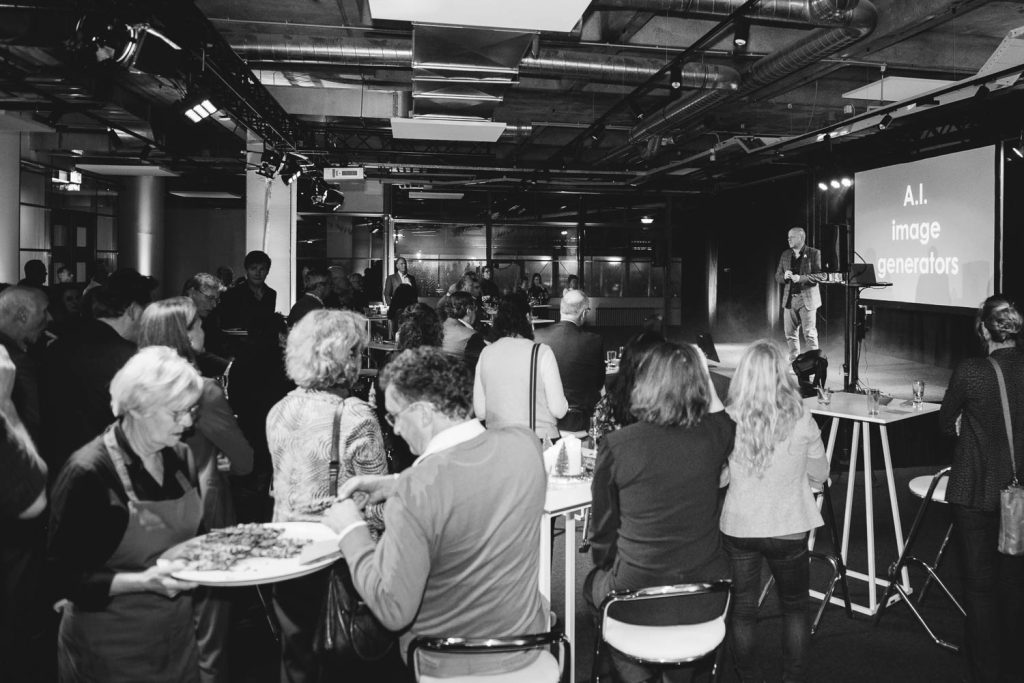
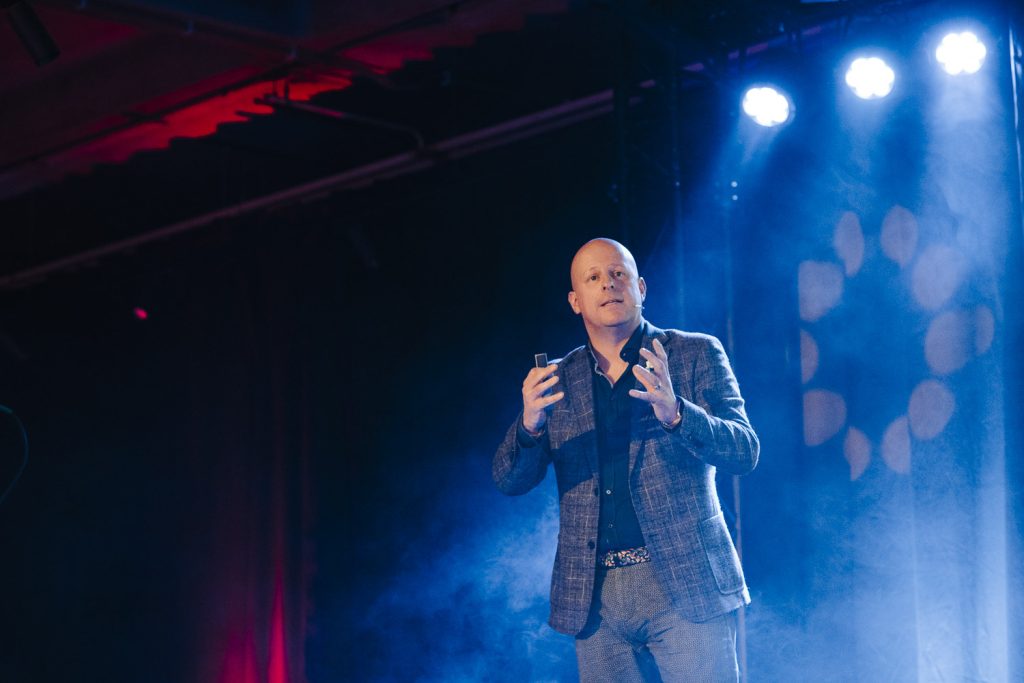
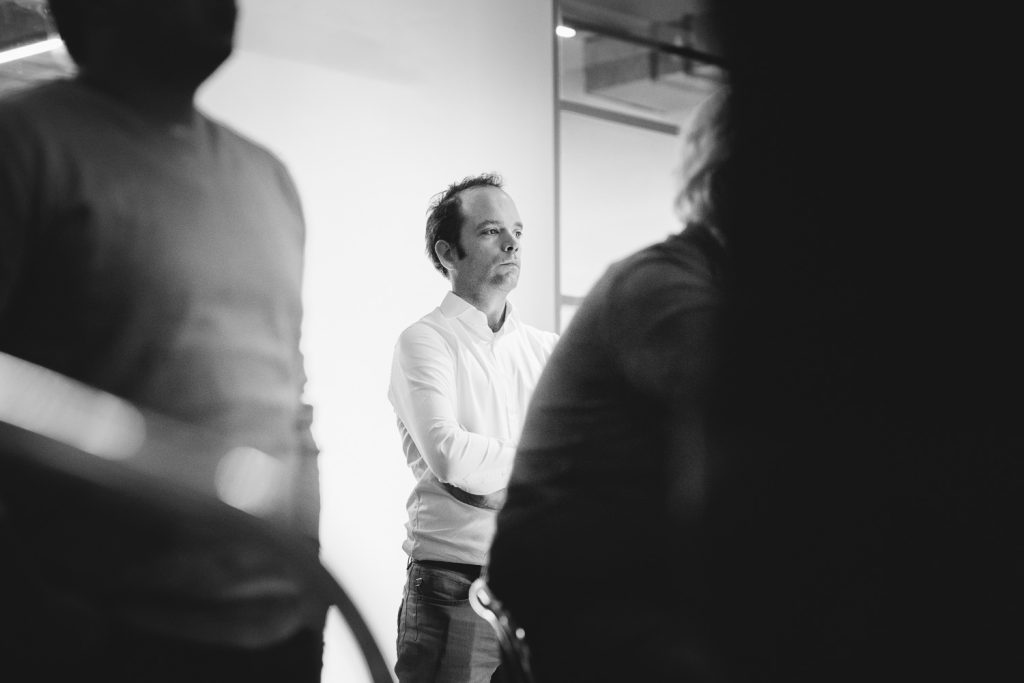
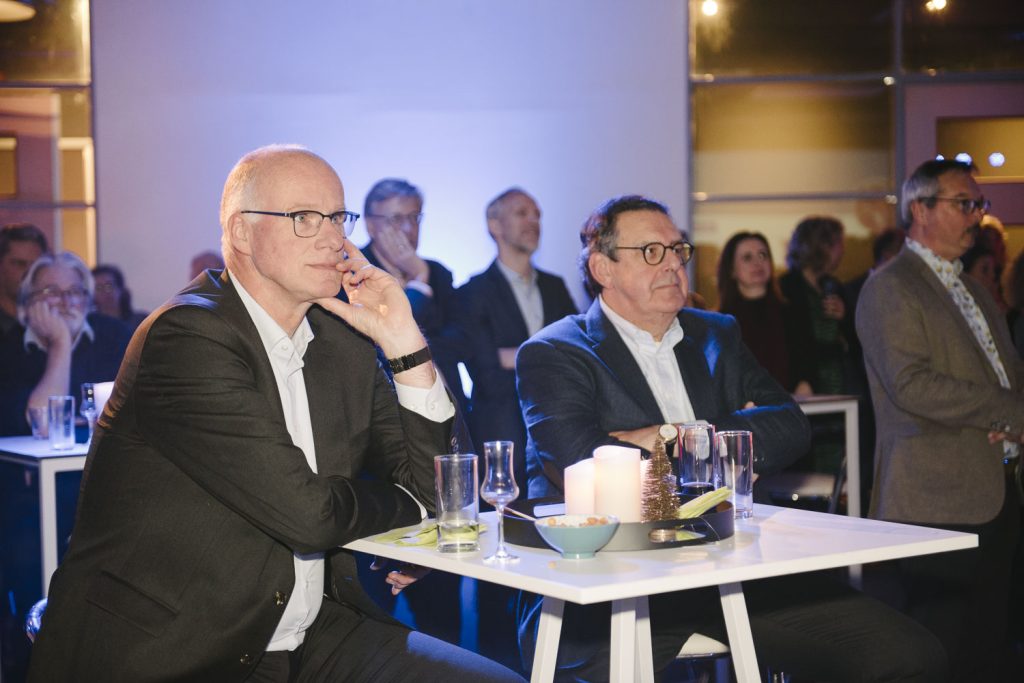
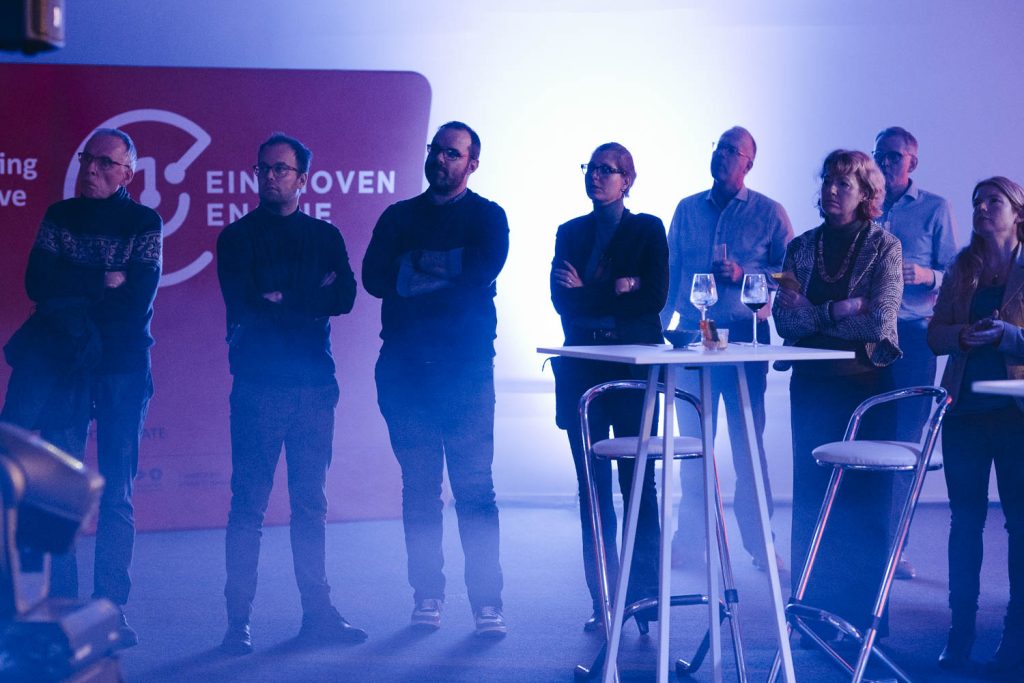
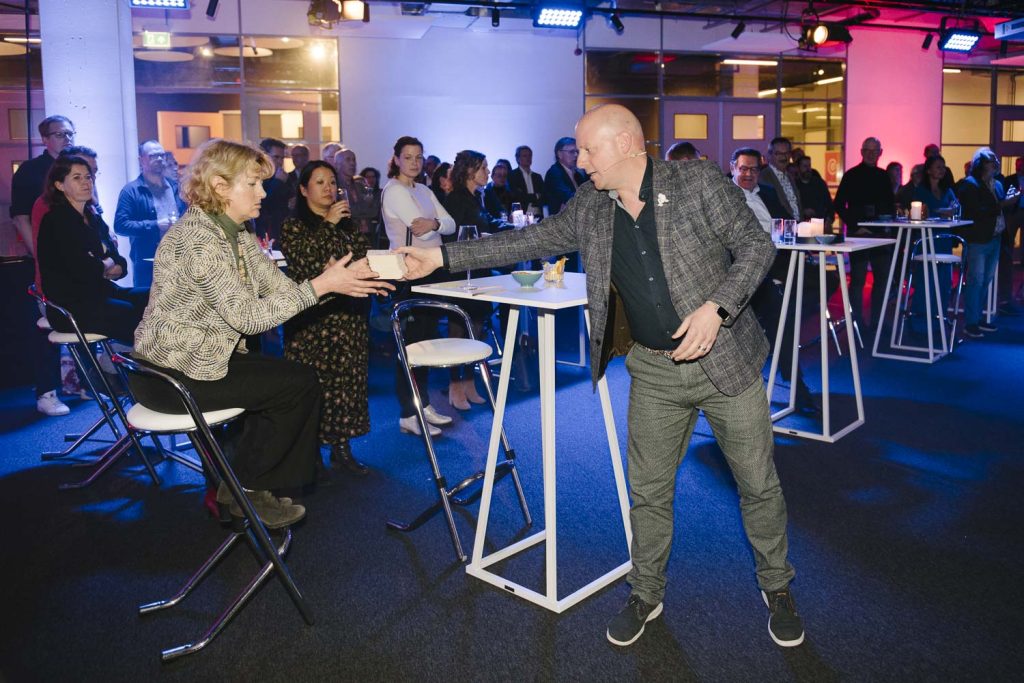
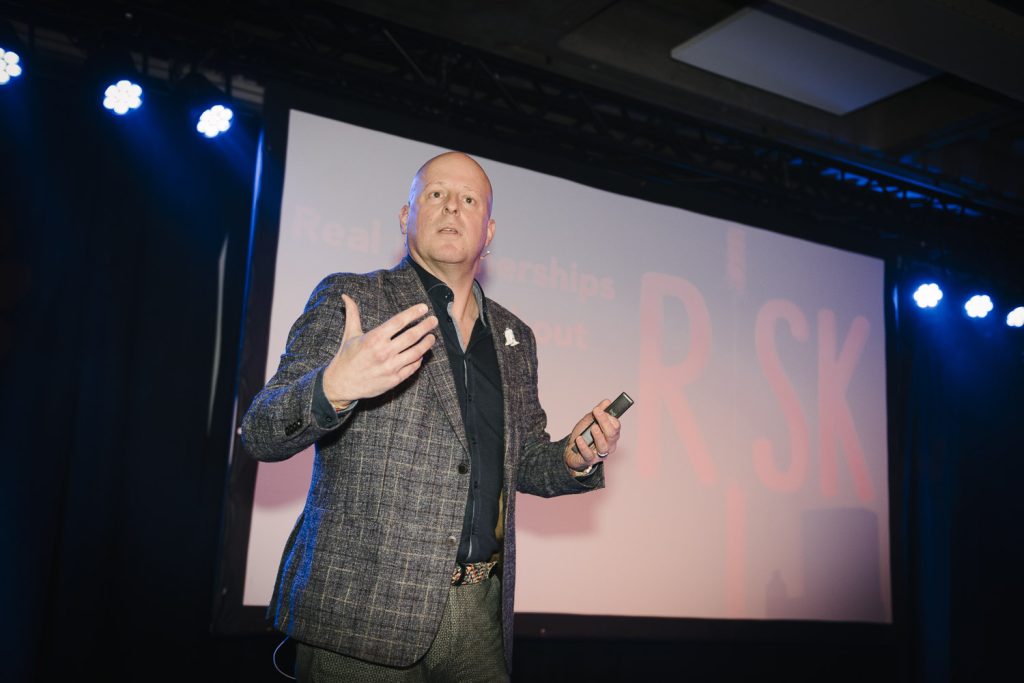
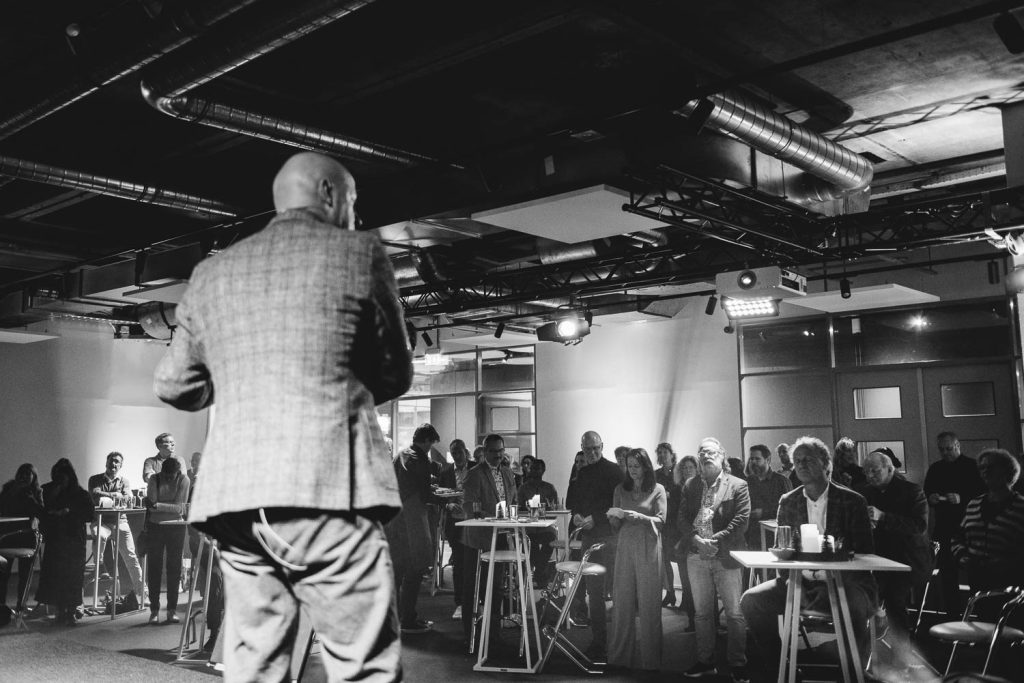
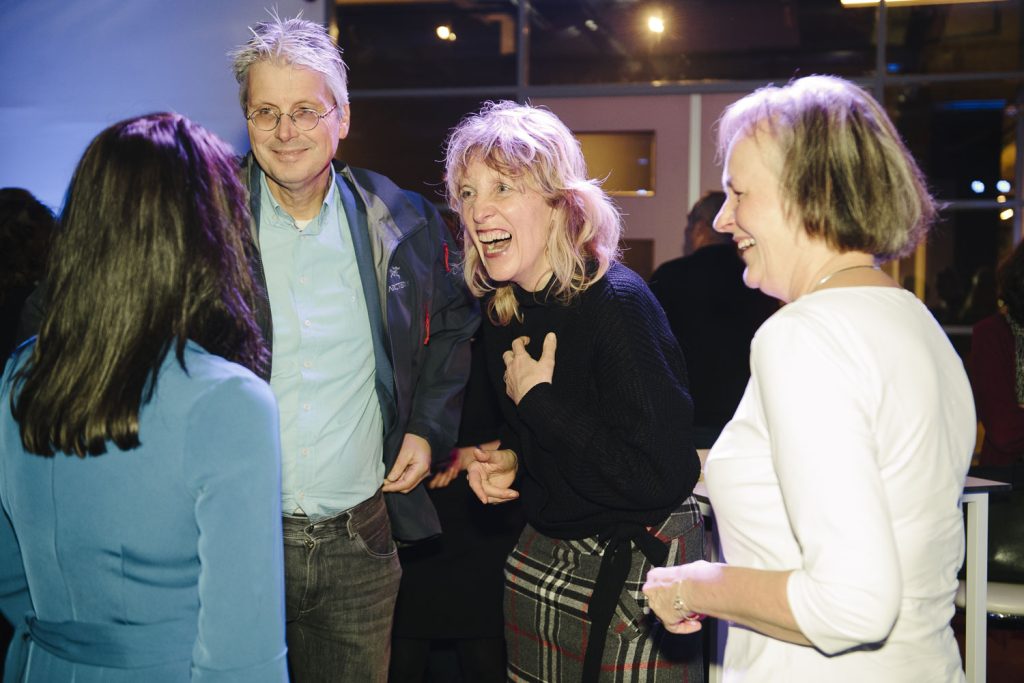
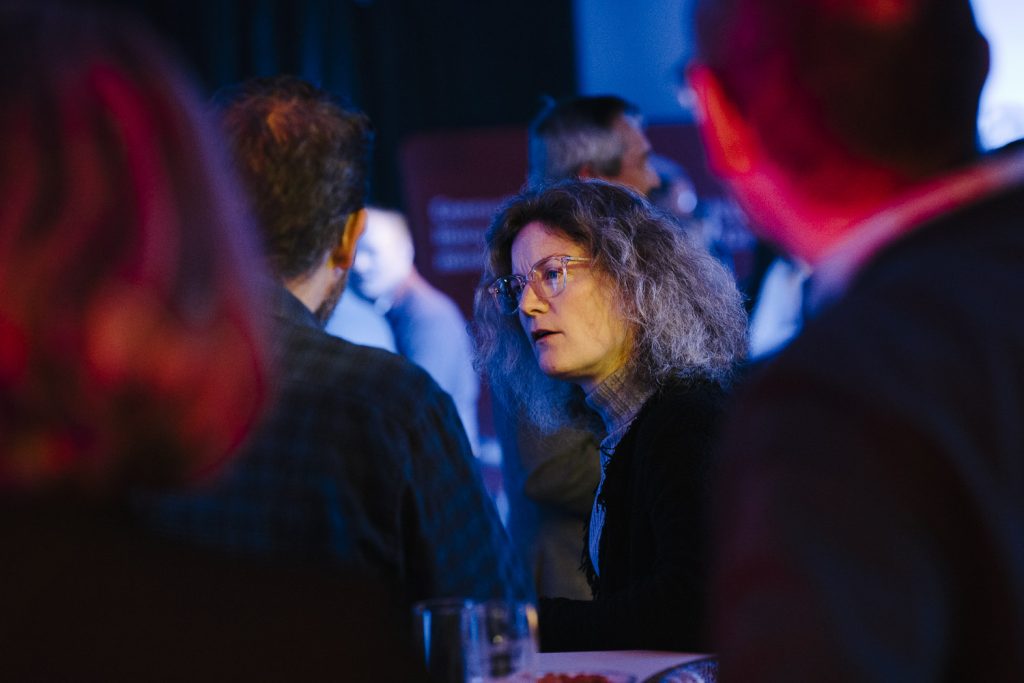
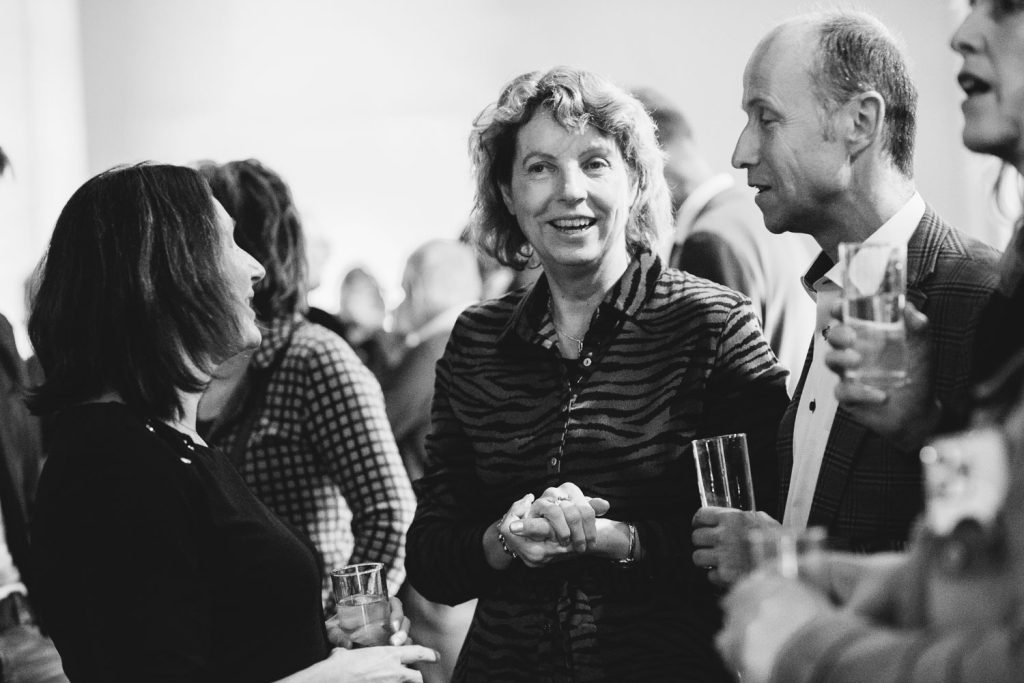
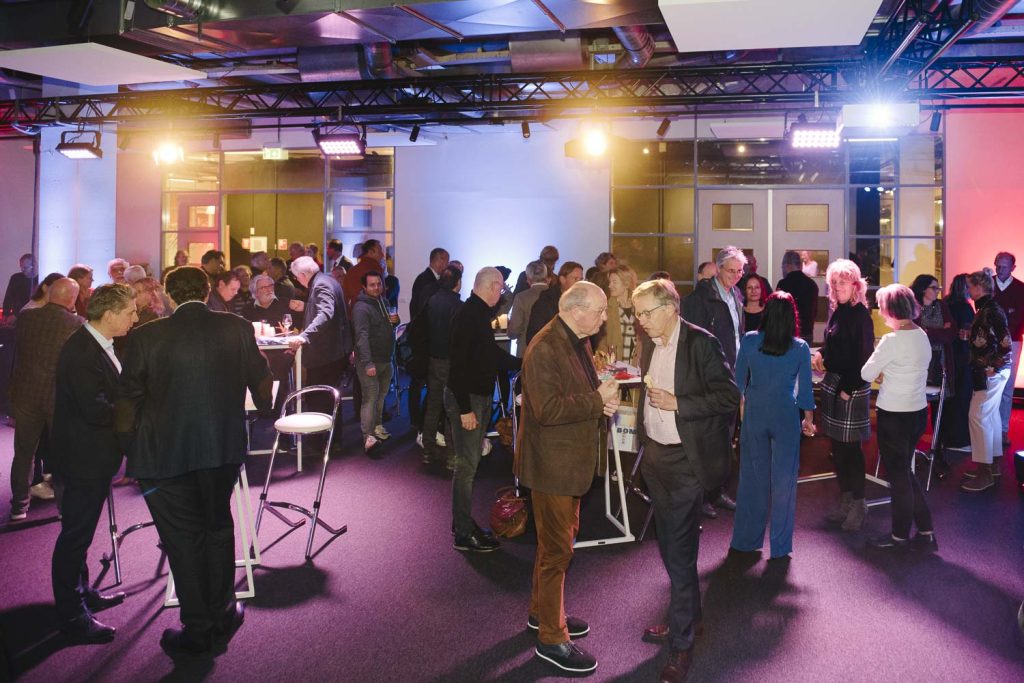
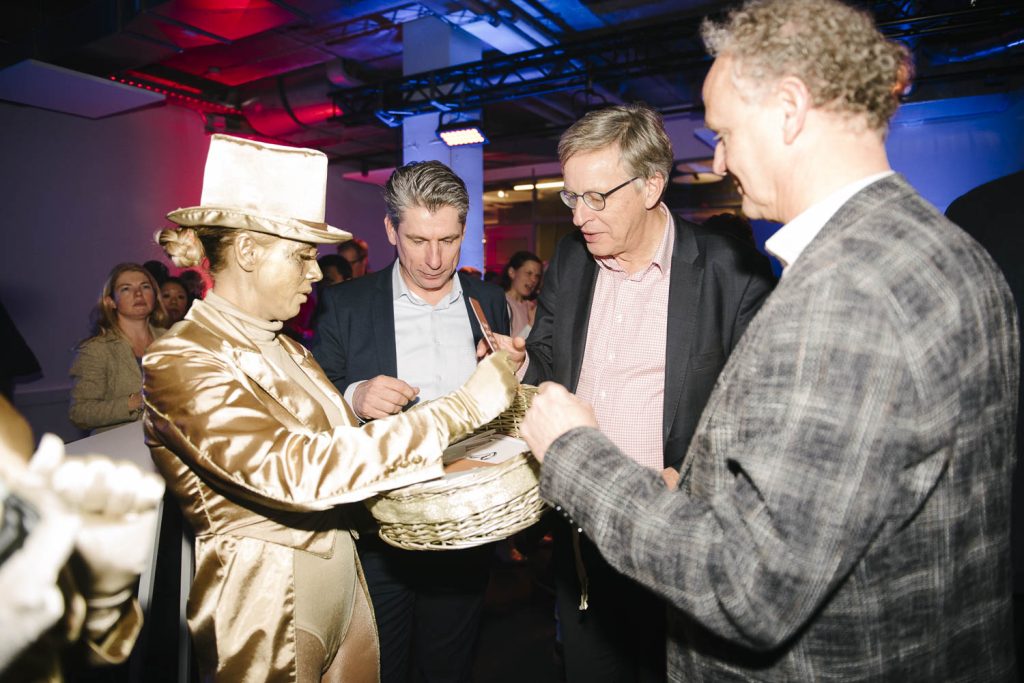
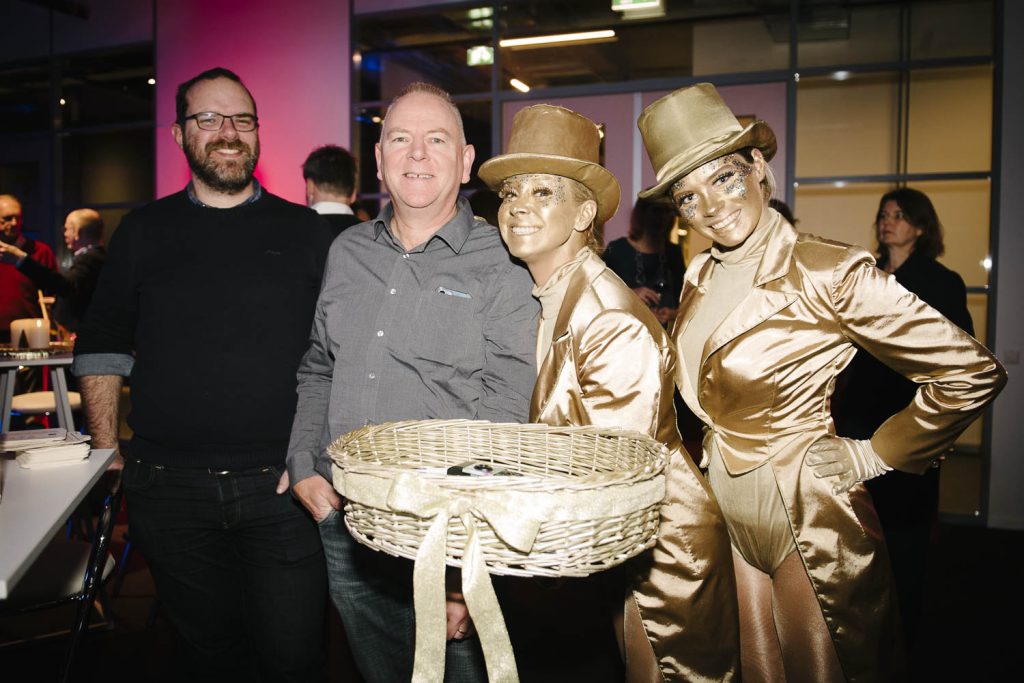
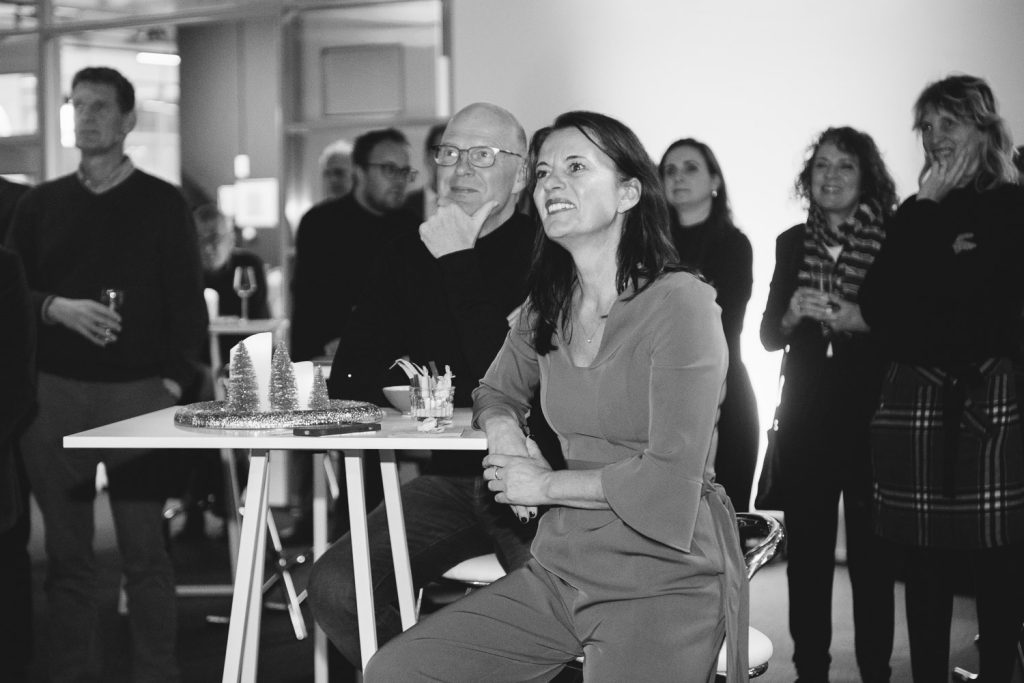
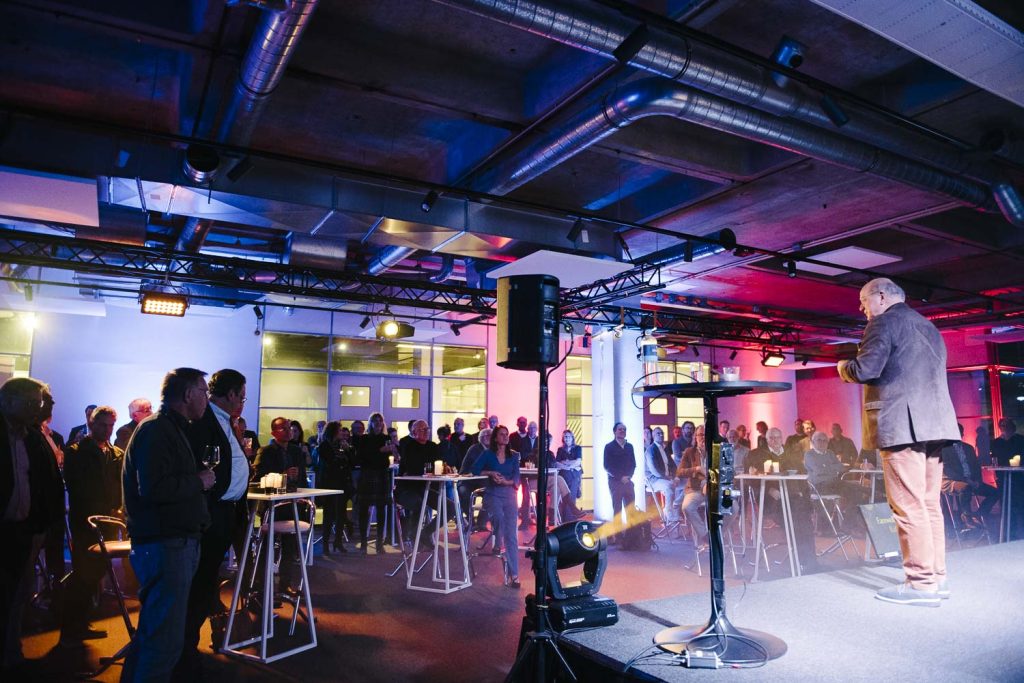
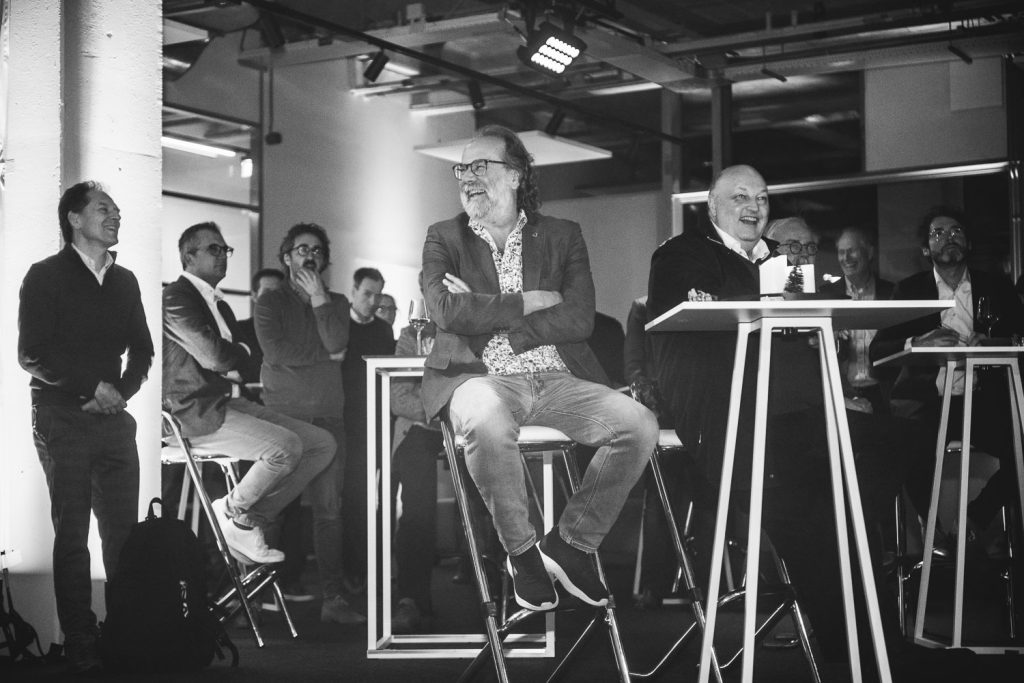
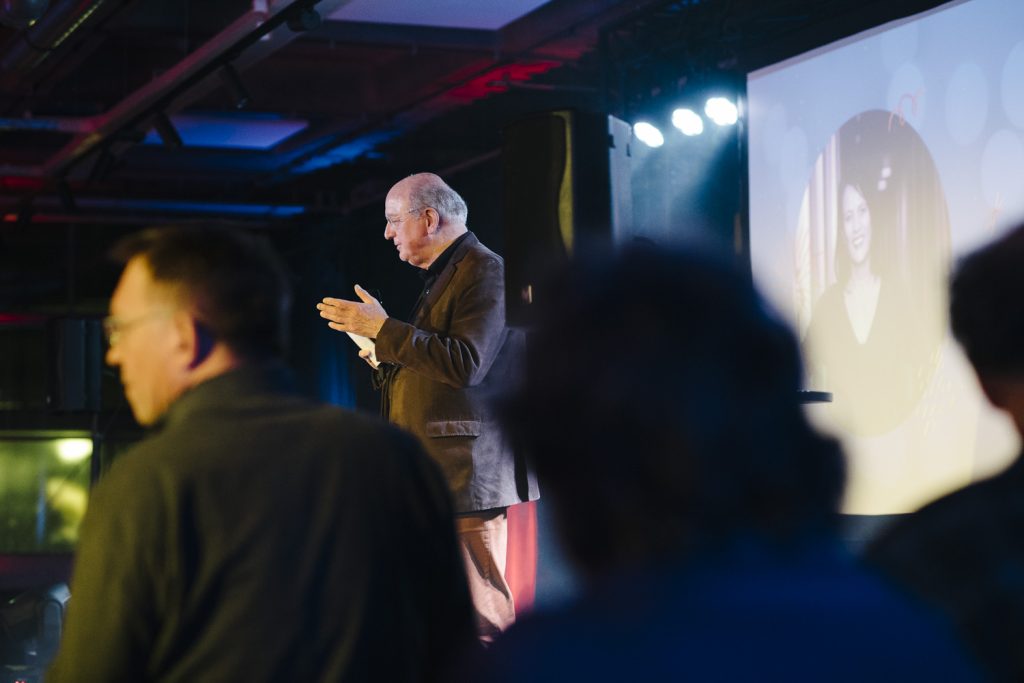
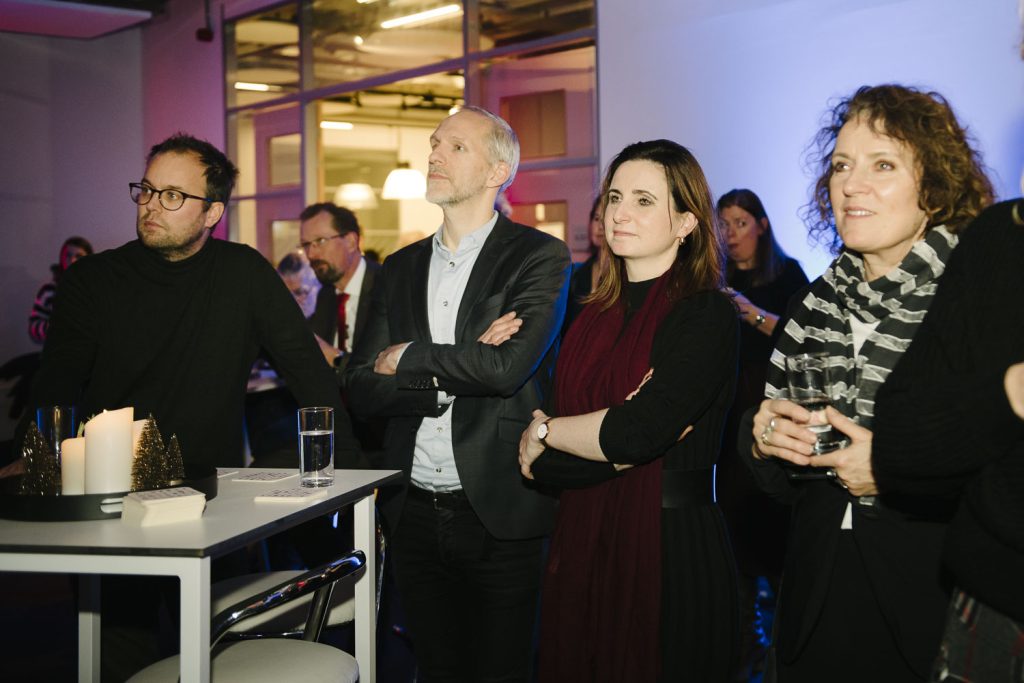
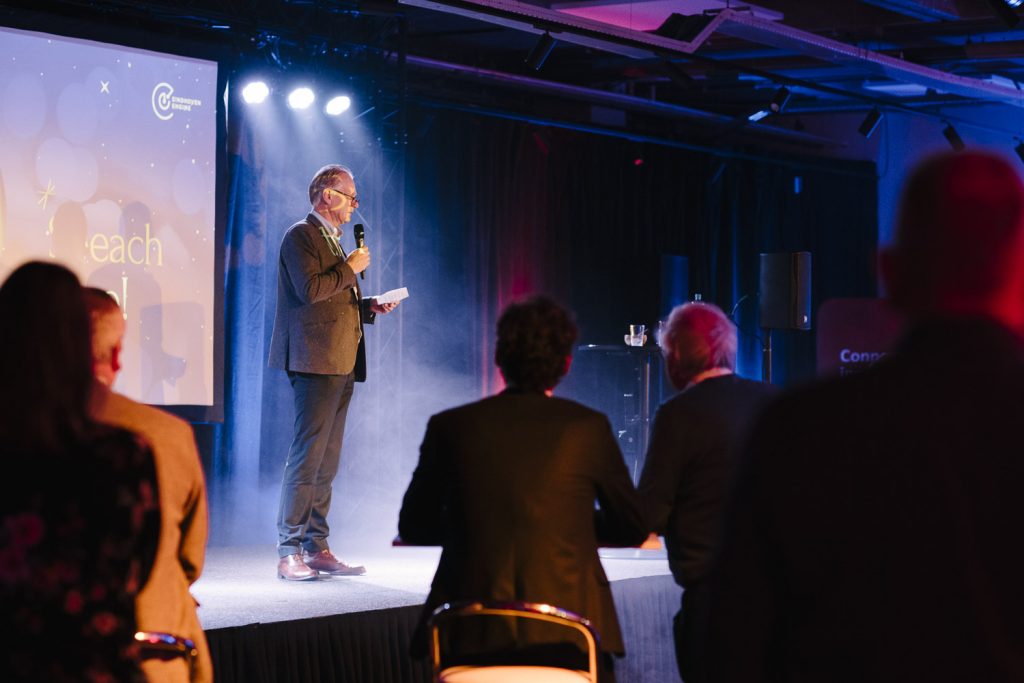
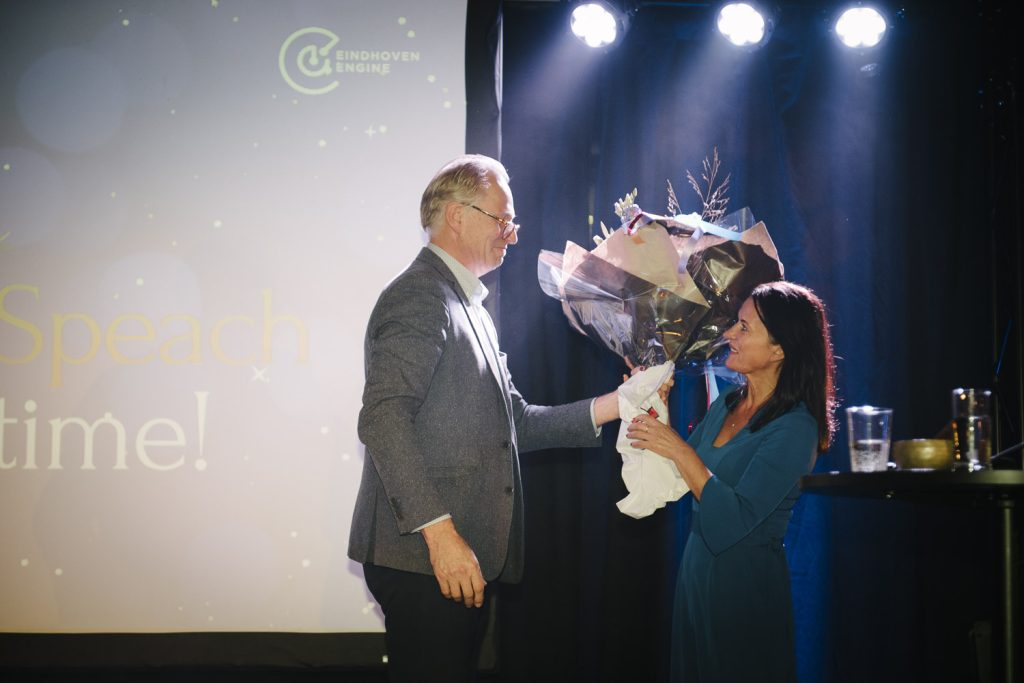
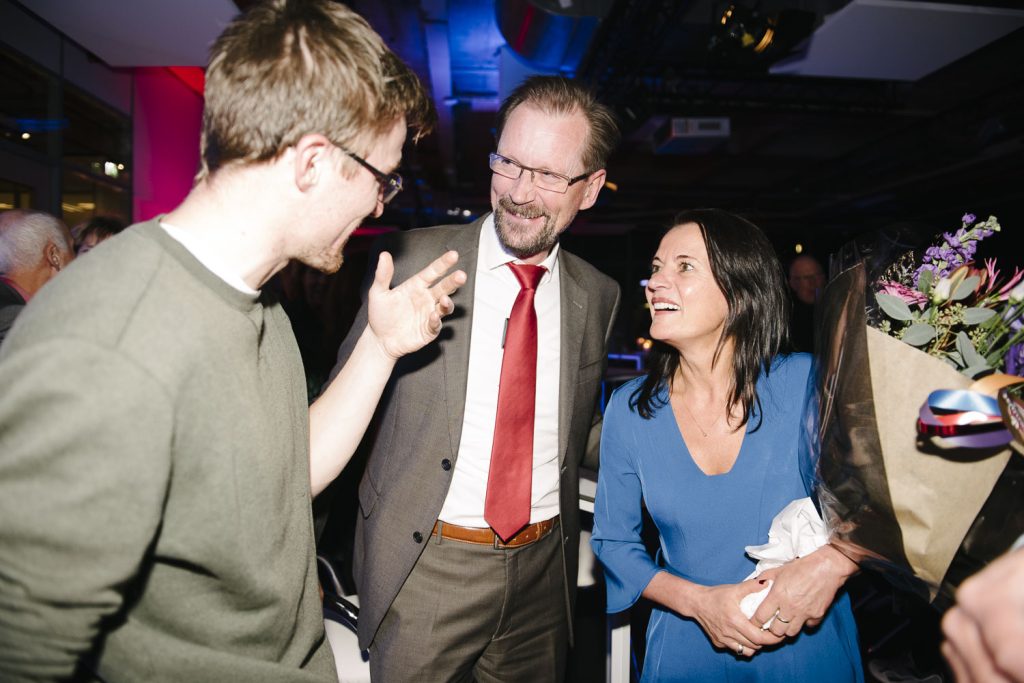
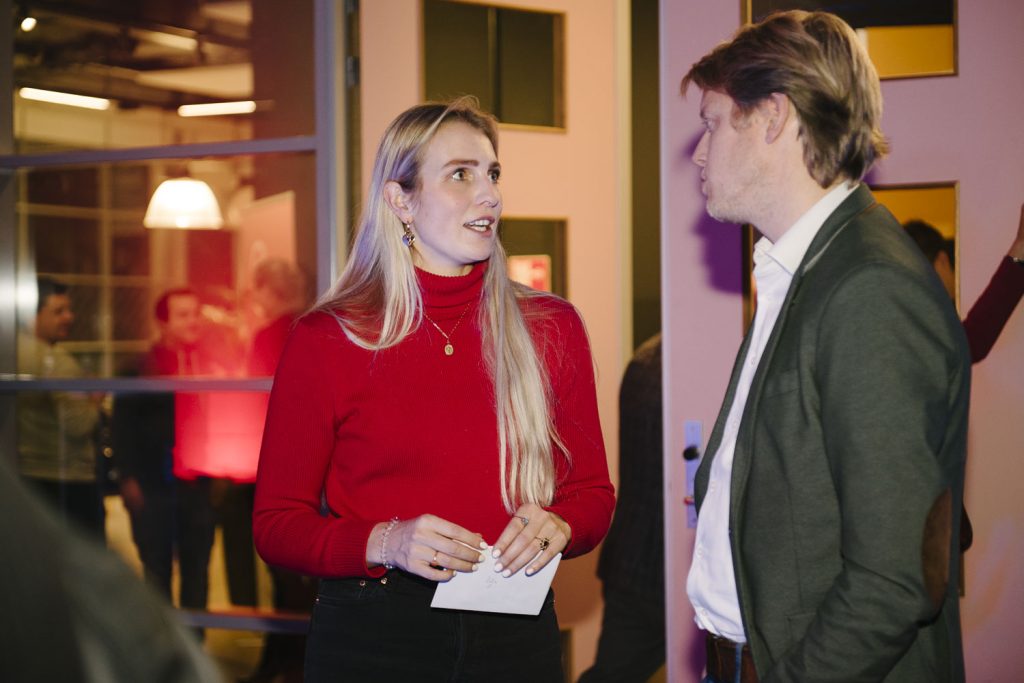
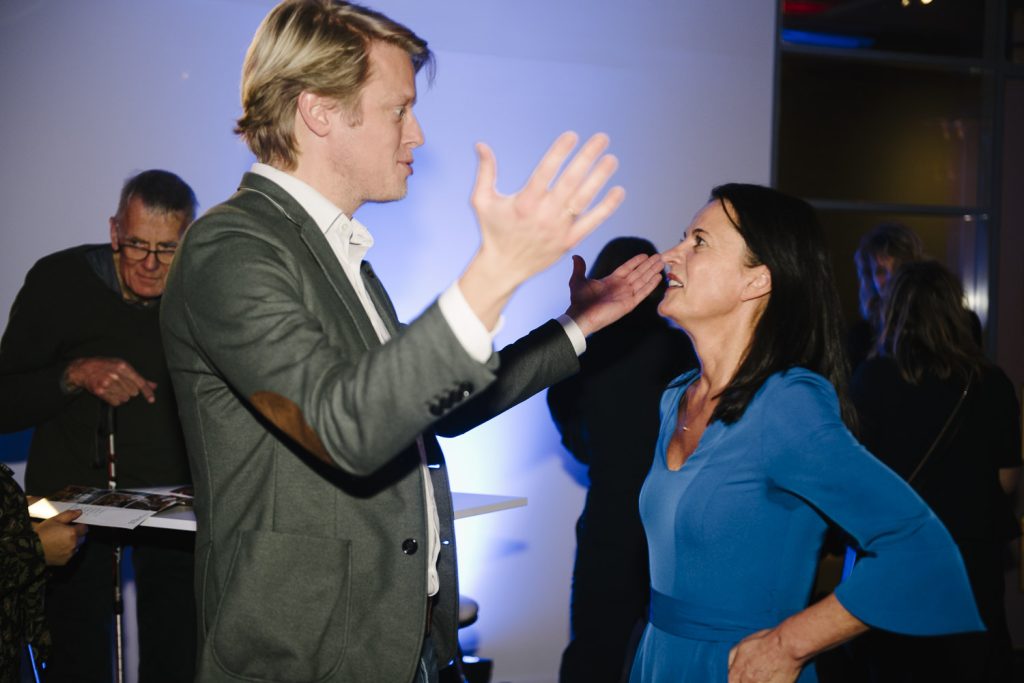
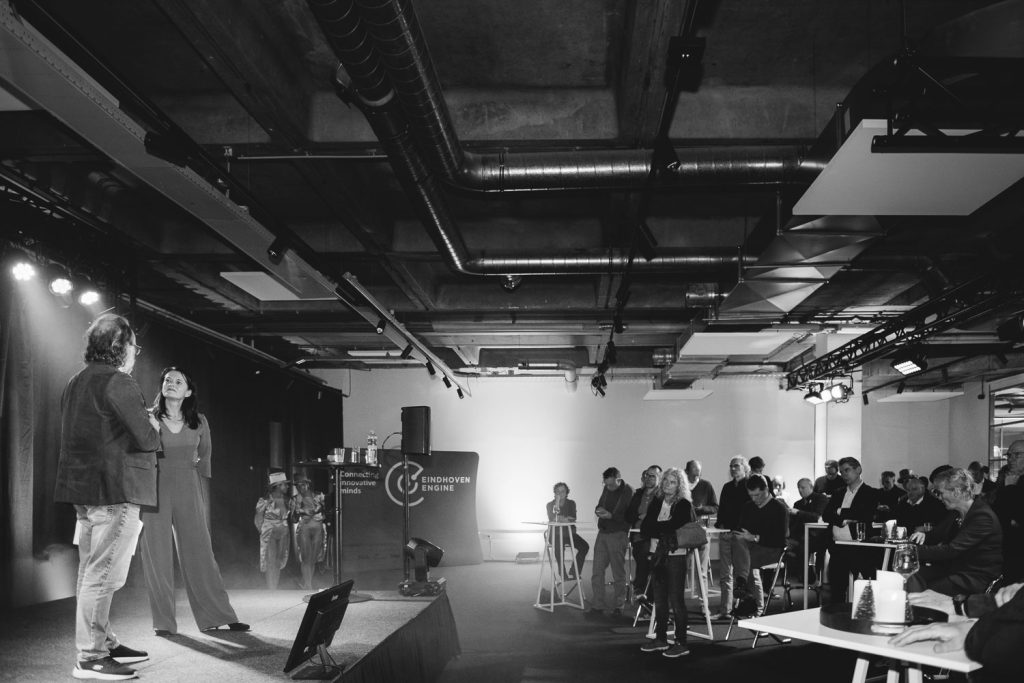
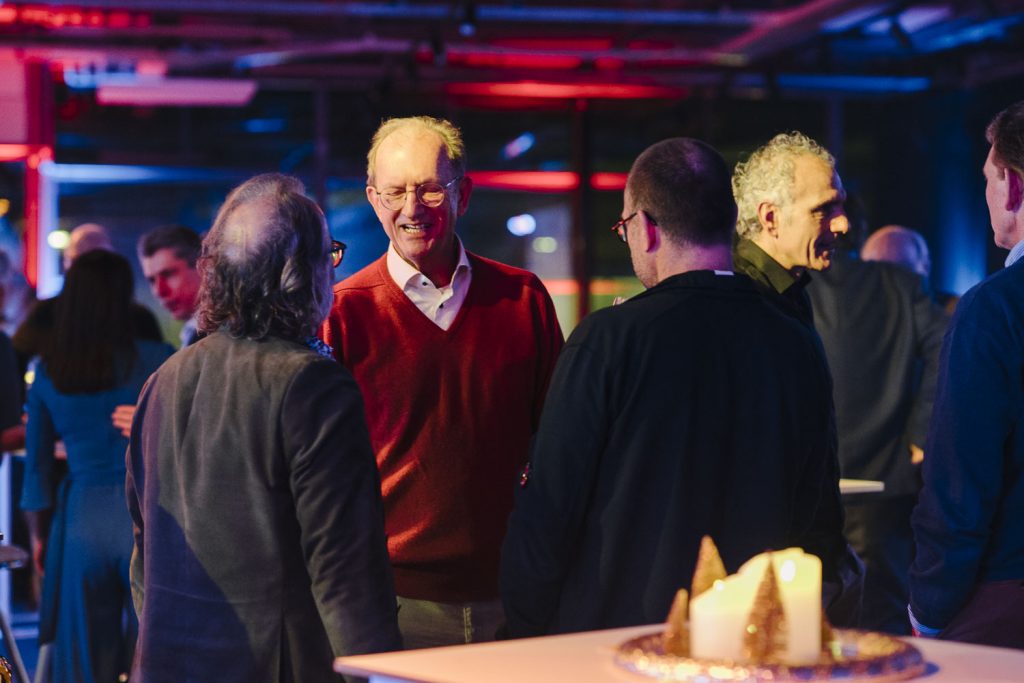
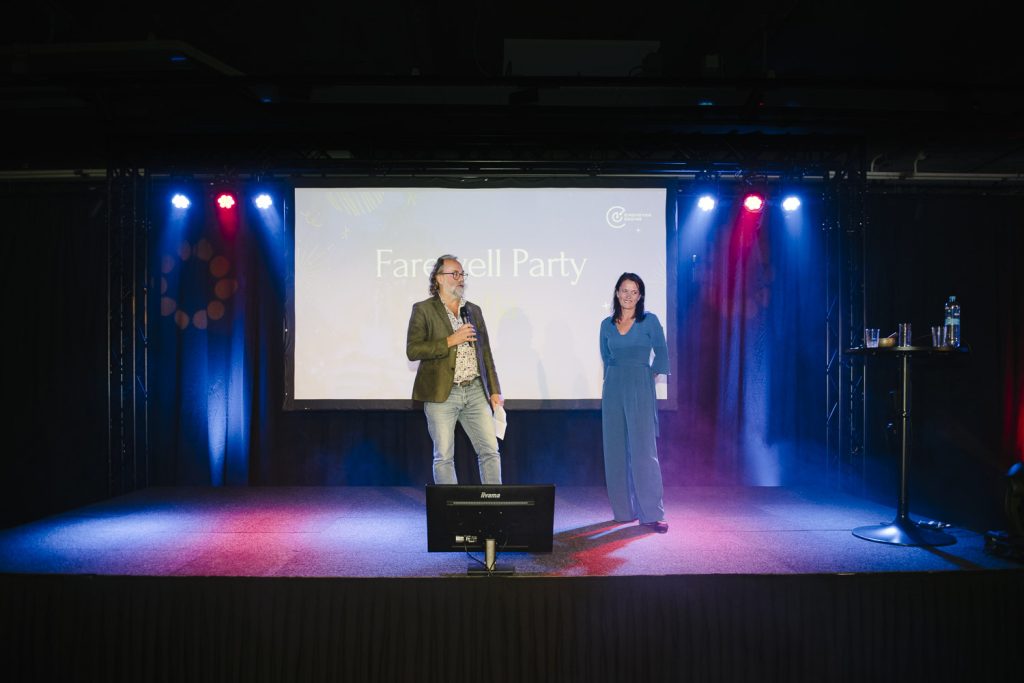
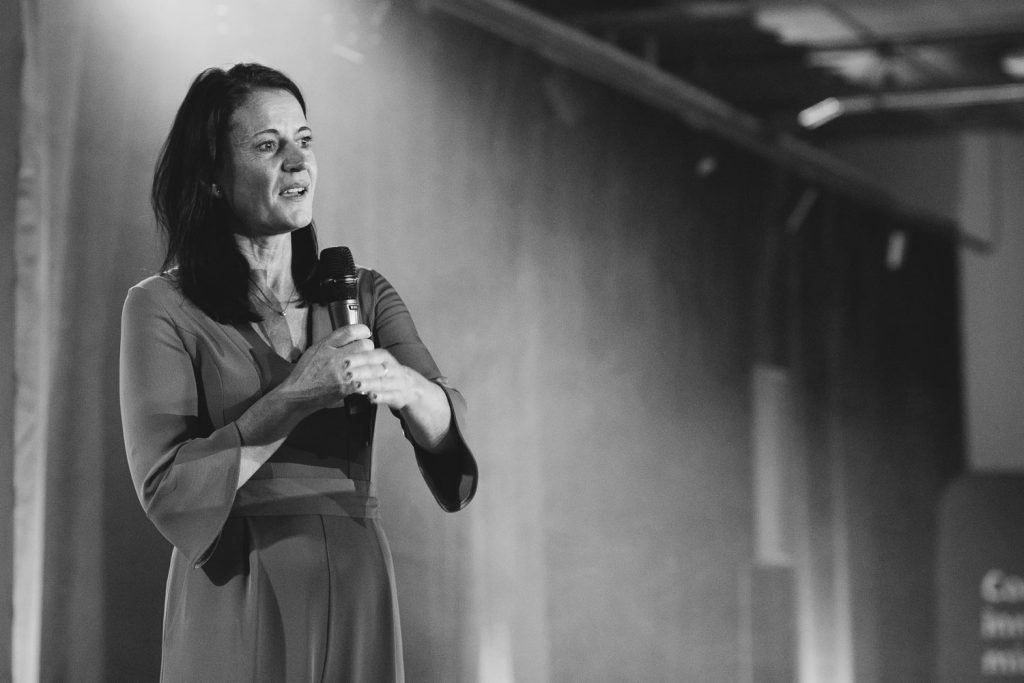
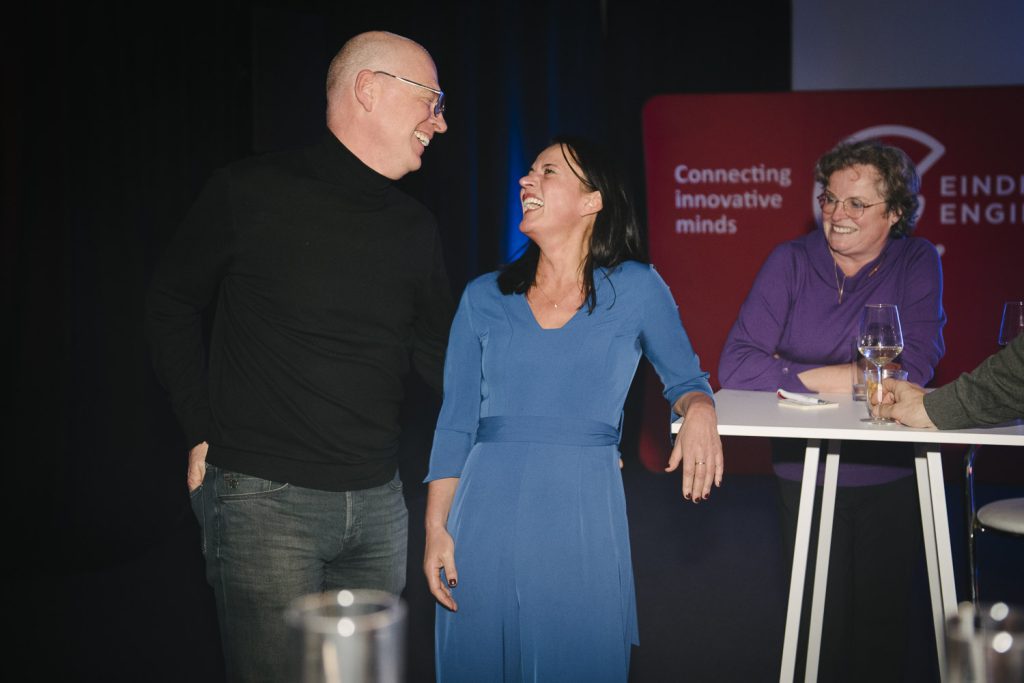
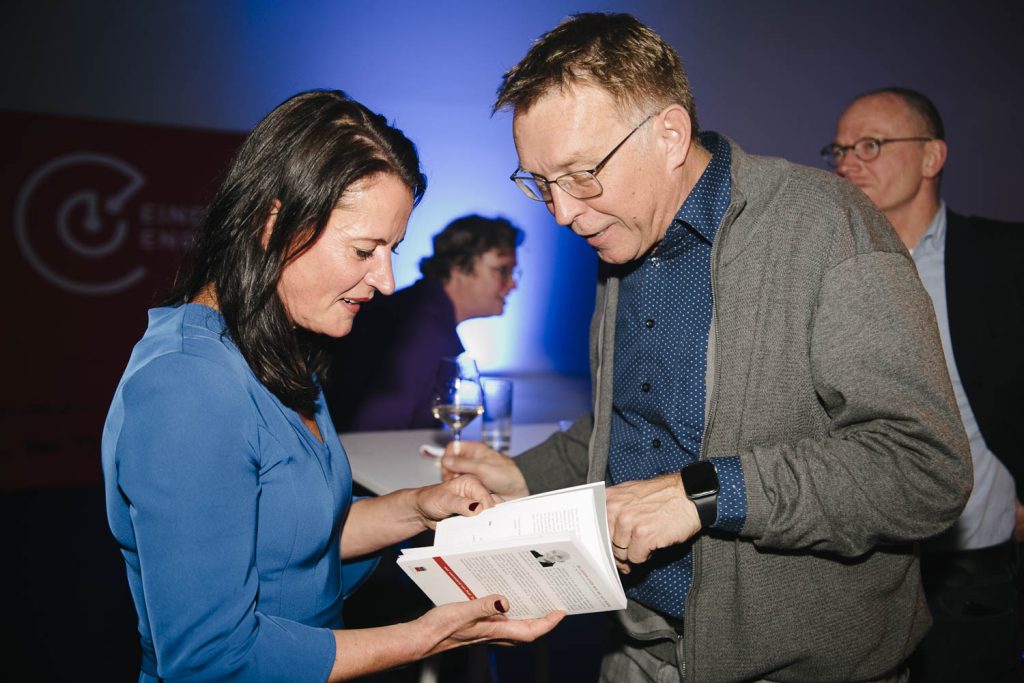
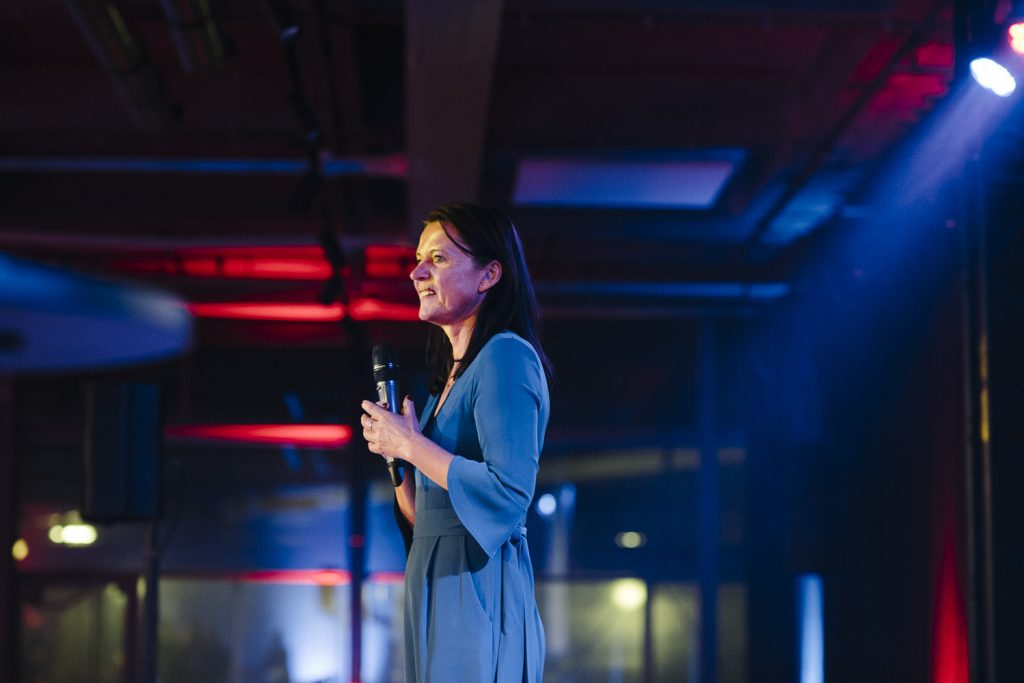
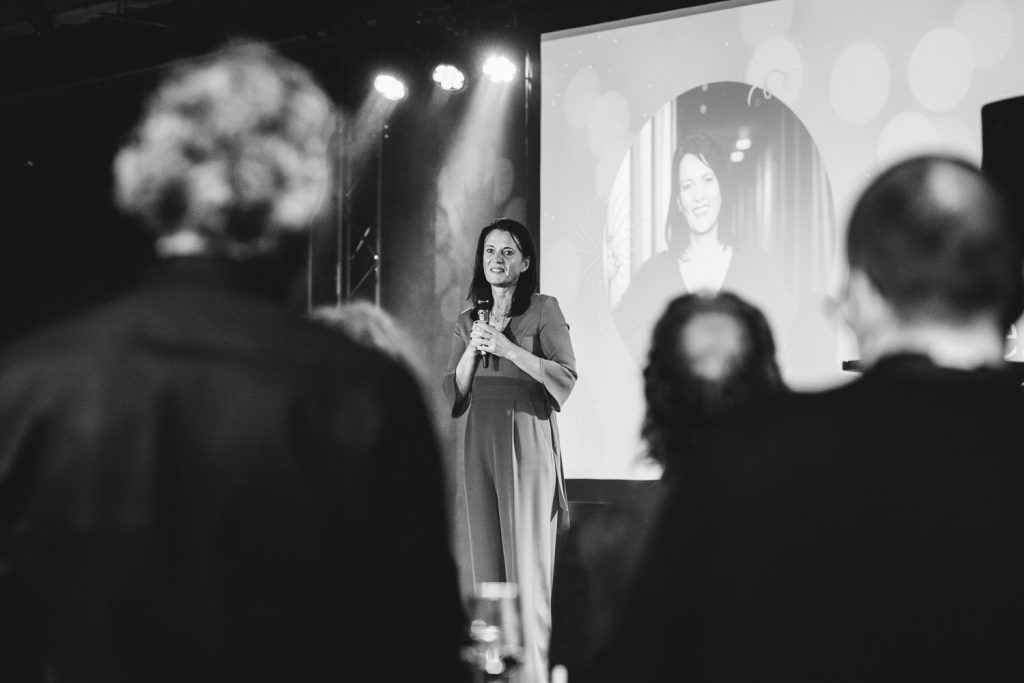
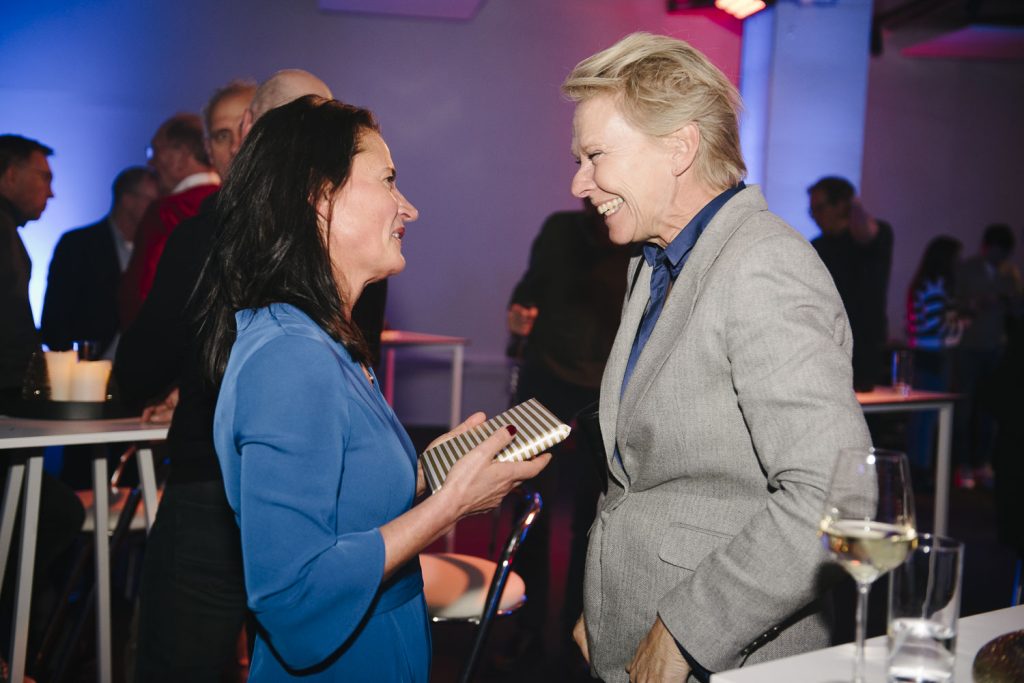
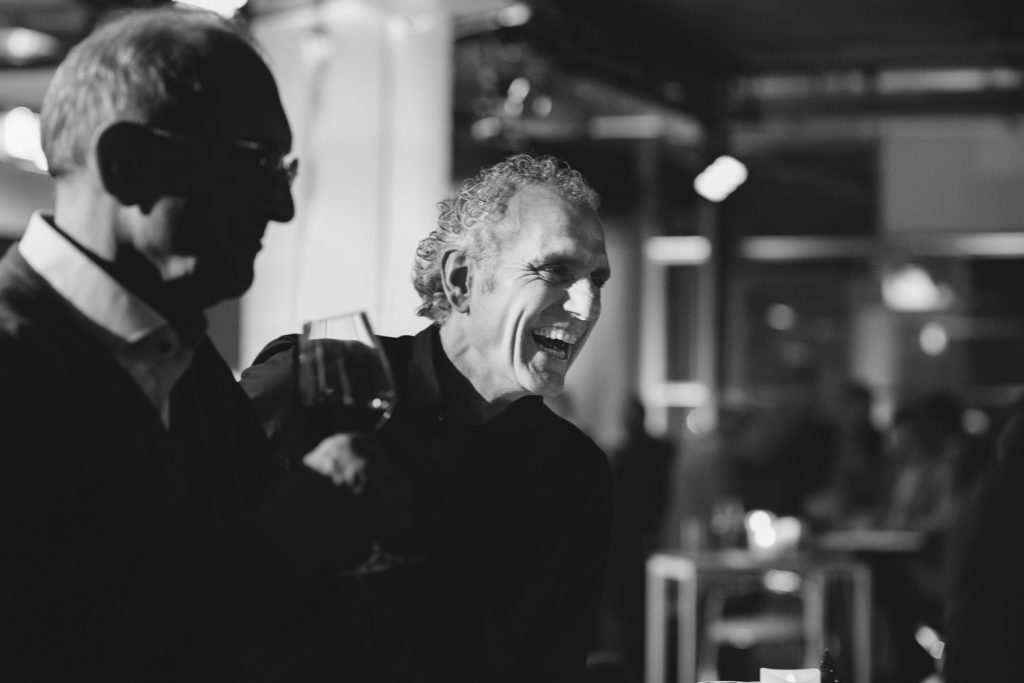
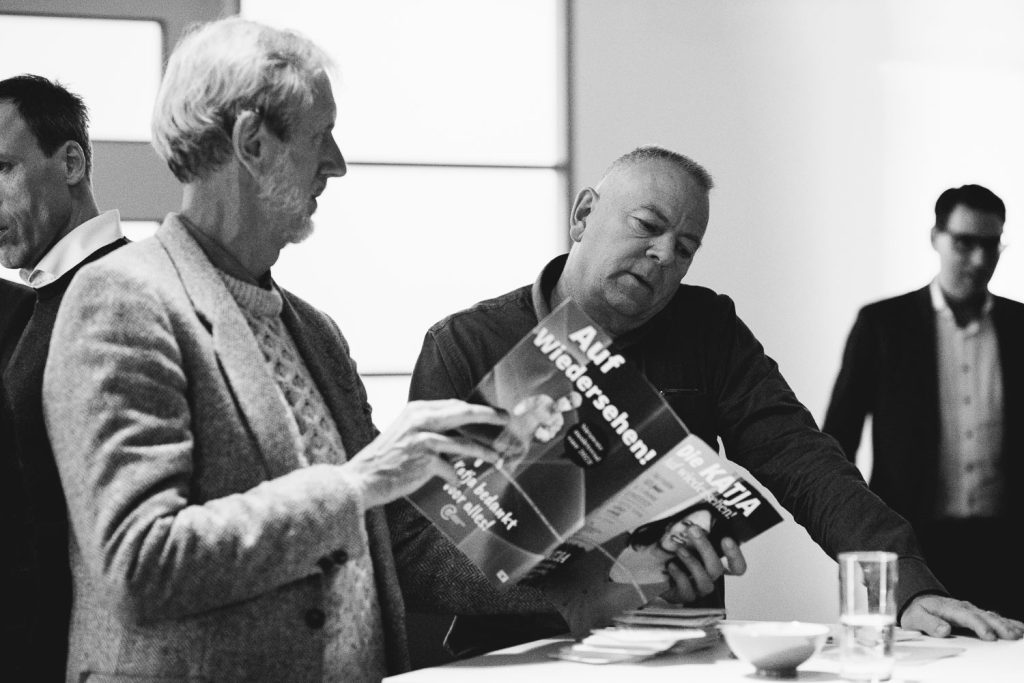
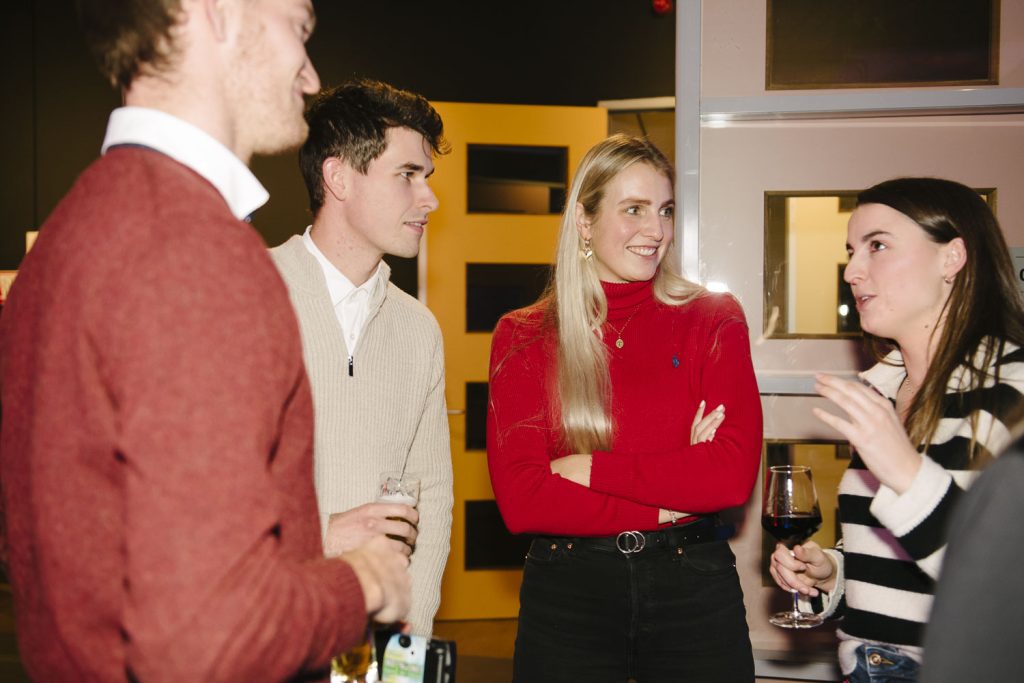
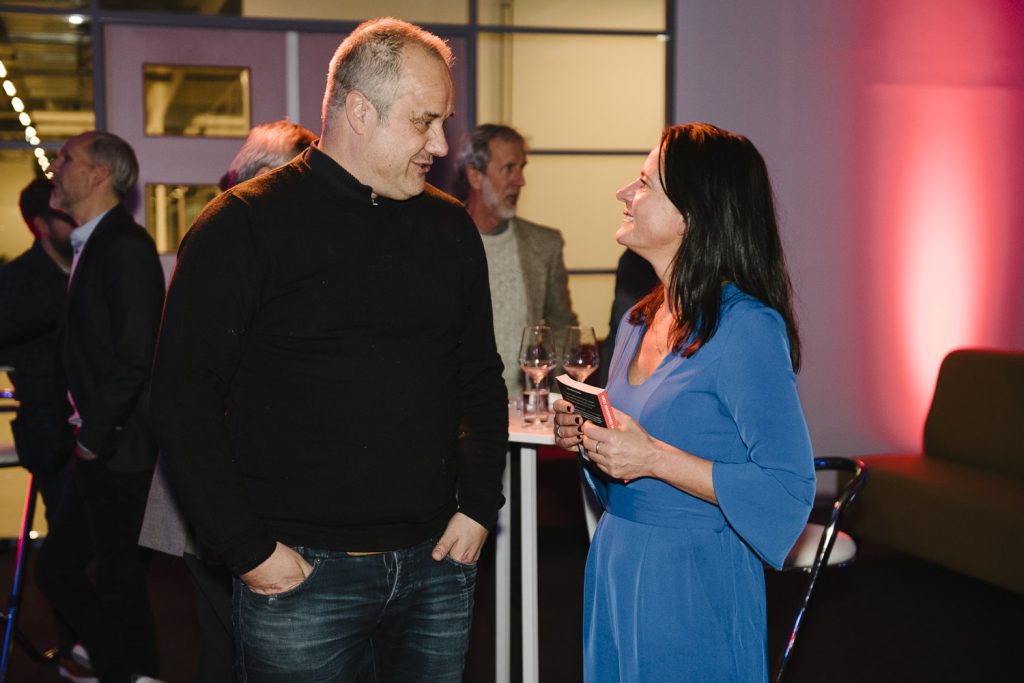
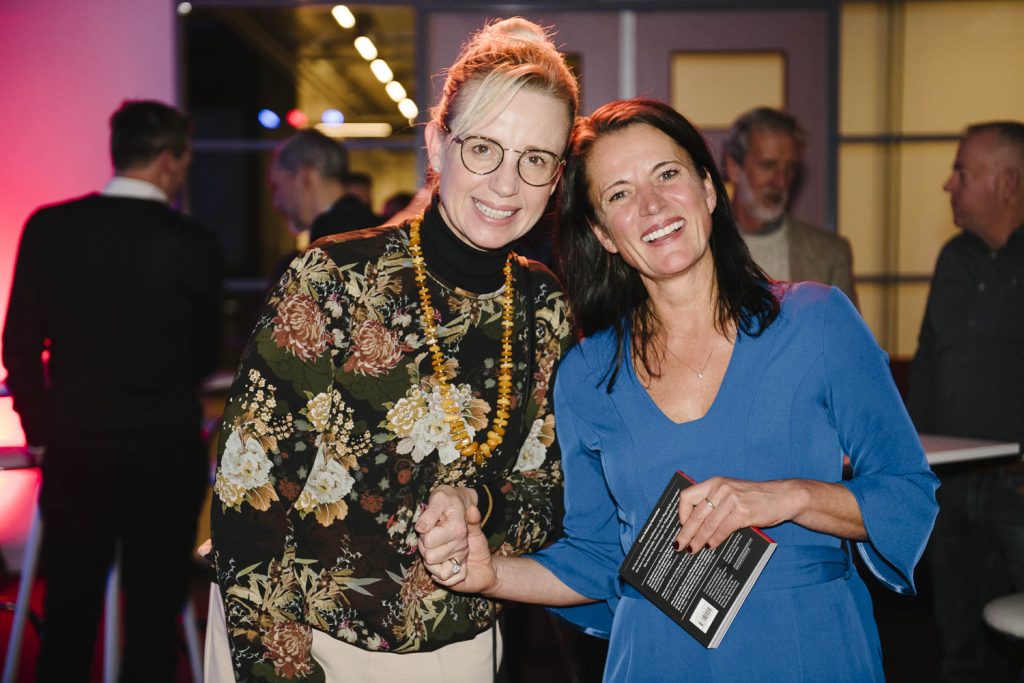
On 8 December, Eindhoven Engine and TU/e officially bid farewell to Katja Pahnke. On 1 November, she started as Chief Development Officer at Prodrive. We thank Katja again for her contribution, energy and many inspirations at Eindhoven Engine.
Find an impression of the farewell here.
Credits: Izzy Fotografie
Brainport becoming Mainport
The growth of our region is expected to be sustained for the next one or two decades at least. The statement of our government – that the status of Brainport is to be upgraded to a Mainport of the Netherlands – is compliant with this strong growth. Because this also leads to severe pressure on housing, living, talent and infrastructure, plans are being made to address the challenges.
The recent first financial commitment for infrastructure (roads, transport, etc.) is proof of this. On the issue of talent, all educational institutes are making plans to grow (double) the number of students; see, for example, the recent plans announced by TU/e. In addition, the growth will also affect the innovation power of our region and it will enforce the role of valorization and the interplay between knowledge institutes, industry and society.
Growth of activities at Eindhoven Engine
We also foresee a potential growth for the activities of Eindhoven Engine as an accelerator for innovation. For this reason, we are already working on plans for the next phase of Eindhoven Engine to continue as a public/private partnership. We also started activities for scale-ups in our region in the form of funding scans by ScaleUpNation. We are working on a plan for industrial and societal residents to join our community starting next year. Finally, the growth of our region might also bring more tension regarding diversity within the region. This is why we will further strengthen the Emergence Lab for low literacy over the coming year. With all of these activities, we hope that we can further strengthen our role as Innovation Accelerator for the years to come.
Photo: Angelique Swinkels
A photorealistic simulation of dynamic natural light for perception in VR
Part of the IntelLight+ project
Meet Sietse de Vries (26). Sietse is currently an EngD trainee in the Eindhoven Engine project Intellight+.
Source: commons.wikimedia.com (edited by K. Chamilothori)
The IntelLight+ project focuses on human-centric lighting. It takes an integrative approach to developing algorithms to infer and even predict user context to accommodate user needs and preferences. In his sub-research, Sietse is working on a photorealistic simulation of dynamic natural light for perception in virtual reality (VR). Light is an environmental factor that directly and indirectly impacts human health and well-being through processes affecting circadian rhythm, arousal and alertness, as well as comfort and visual interest. Current insights in lighting research show that eyes need high (blue-enhanced) light levels in buildings to support a healthy circadian rhythm and the associated good sleep. However, when delivered by traditional lighting fixtures, these high light levels challenge visual comfort and user acceptance. At the same time, recent studies suggest that ambient light distributions can affect attention, visual interest, alertness and relaxation. The question that emerges is whether these positive psychological effects, driven by spatial and temporal dynamics of illumination, could be used to increase the user acceptance of lighting solutions aimed at supporting circadian effects.
Applicability of dynamic light in nature
Theories from environmental psychology suggest that nature and natural elements can be restorative for humans. The biophilia hypothesis explains this via humans’ innate and evolutionary connection with nature. By recreating the spatial and temporal characteristics of natural light patterns with artificial lighting, the positive qualities of daylight and the restorative effects of nature may be brought indoors. As a novelty, the applicability of dynamic light patterns that are prevalent in nature, such as dappled light, is being researched.
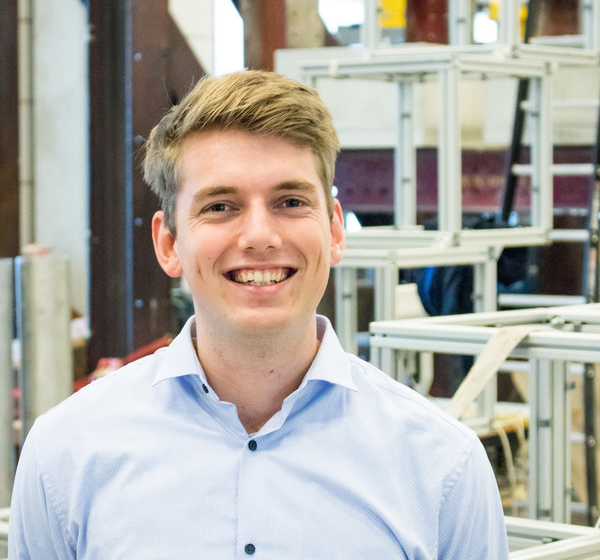
“The tool will provide researchers with a fast and flexible method to conduct experiments on the perception of such patterns in a space independent of location or external conditions.”
Sietse de Vries
Simulation tool for photorealistic indoor environments
To identify the impact and perception of certain dynamic patterns of natural light, experiments are necessary. Due to the complexity of controlling natural light during such experiments, immersive virtual environments have been identified as a suitable alternative. The goal of the EngD project is to create a simulation tool that generates photorealistic indoor environments with customizable dynamic patterns of natural light to be viewed using virtual reality headsets. The tool will provide researchers with a fast and flexible method to conduct experiments on the perception of such patterns in a space independent of location or external conditions.
Dappled natural light
Recently, proof of concepts of all parts of the simulation tool have been produced, allowing early testing. The current focus is on optimizing simulation efficiency and closely reproducing the properties of dynamic patterns of dappled natural light. When finished, the simulation tool will facilitate research that is needed to advance the development of innovative lighting scenarios that maximally benefit human functioning, ensuring high visual comfort and satisfaction and support for circadian and restorative effects.