Building a sustainable semiconductor industry together
How Eindhoven Engine tackles the complex challenges of the future
The semiconductor industry is the powerhouse of the Brainport region. With global leaders like ASML and a strong high-tech supply chain, the sector delivers world‑class technology. But with this growth comes a crucial task: moving toward a sustainable and circular semiconductor value chain.
At Eindhoven Engine, Janne Brok, Managing Director and Program Manager of Sustainable Semicon, plays a crucial role in a project that aims to make exactly this difference: the Circular Business Program Semicon* project. Its approach is multidisciplinary, and above all, collaborative. “We are facing a challenge that no single company can solve on its own,” Brok says. “So we need to learn to collaborate in ways that are new for this industry.”
* The Circular Business Program Semicon (CBPS) is a regional initiative focused on accelerating circularity in the semiconductor industry in the Brainport region. Partners include Brainport Industries, ImpactX, Brabantse Ontwikkelings Maatschappij, ASML, VDL ETG, Prodrive Technologies, Neways, KMWE, ERIKS, HQ Pack, Meilink, Aalberts Advanced Mechatronics, TNO, TU/e, Eindhoven Engine, and Fontys.
We are facing a challenge that no single company can solve on its own,” Brok says. “So we need to learn to collaborate in ways that are new for this industry.”
The societal urgency: from linear to circular
Although ASML machines have a long lifespan, sometimes up to thirty years, the real challenge lies in their maintenance. Parts are replaced quickly and often out of necessity, in order to guarantee the extremely high uptime required in chip factories. Damaged or partially functioning modules are too often set aside unused, even though they still contain both material and functional value. The problem is not primarily technical. Brok explains: “Technology is something we usually can solve here in Brainport. What makes this really complex are the business models, data exchange, logistics, quality assurance, and above all: how do you distribute costs and benefits in a circular model?” This turns the issue into a systemic challenge — a complex interplay of interests, processes, business structures, and power relations within an extremely refined supply chain.
The Eindhoven Engine approach: a new way of working together
Where bilateral collaboration (ASML and supplier) has been the norm for decades, Eindhoven Engine chooses a radically multilateral approach. The CBPS project brings ASML, first-tier suppliers, Fontys, TU/e, TNO and students to the same table, as equal partners in change.
Eindhoven Engine serves as a neutral orchestrator, creating an inspiring environment where experimentation can thrive. It supports partners by jointly analyzing processes and key decision points, offering clear insights into value creation, CO₂ impact, and opportunities for reuse. This collaborative approach helps establish agreements and solutions that benefit the entire chain. Acting as an independent facilitator, Eindhoven Engine operates without commercial interests. Its focus remains on the collective good, supported by strong expertise in guiding system innovation.
Through the involvement of students, the project maps out processes, data flows, and reuse opportunities, often revealing insights that companies find difficult to uncover themselves. Currently, four students from both HBO and WO institutions are working on the project together with partners.
Our role is to create a sandbox where companies can experiment safely,” Brok says. “We set the conditions, invite the right people, and help teams move from individual interests to collective goals.”
The strength of the ecosystem: prepared for shared responsibility
That all parties, ASML, first-tier suppliers, knowledge institutions, and Eindhoven Engine, now sit together at one table is, according to Brok, already a breakthrough. “The fact that companies are willing to look beyond their own business models says a lot. It is new, exciting, and sometimes complex. But there is a shared understanding: this is necessary, and it must be done together.” The semiconductor industry moves at high speed, is driven by strong economic incentives, and operates within global geopolitical dynamics. That makes the transition challenging, but also full of opportunity. “We hold a unique position in the global semiconductor landscape. If we can demonstrate here that circularity works, it can set a worldwide standard.”
An invitation to the wider ecosystem
Eindhoven Engine invites the broader semiconductor value chain to join. Not only tier 2, 3, and 4 suppliers, but also unexpected partners: companies that can contribute value through logistics, digitization, recycling, consumer insights, or entirely different domains. “We need more perspectives to expand our solution space. Anyone who believes they can contribute is welcome. This is a system challenge, and therefore a shared responsibility.”
- Interested in joining or learning more? Please contact Janne Brok for more information.
Brabant invests €2 million in sustainable chip production
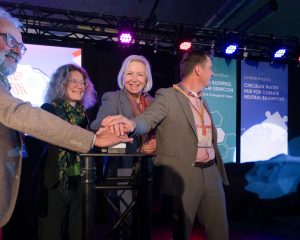
Brabant is known for its strong semiconductor sector. With the Innovation Coalition Circular Semicon (ICCS), the province of North Brabant will help companies in the chip industry produce smarter, more sustainably, and future-proof starting today. The province is allocating €2 million to accelerate this circular transition.
Together with leading companies, knowledge institutions, and intermediaries, the province supports businesses in gaining better access to raw materials, reducing dependence on foreign suppliers, and designing products with circular principles. “With this coalition, we are taking a significant step toward a future-proof economy,” says Martijn van Gruijthuijsen, Provincial Executive for Economy, Knowledge, and Talent Development in North Brabant.
Less waste, more autonomy
ICCS focuses on smarter use of materials, extending product lifespans, and reusing components. This contributes to strategic autonomy: companies become less dependent on scarce raw materials and international suppliers, enabling them to respond better to market changes.
In addition to initiators Brainport Industries, ImpactX, and the Brabant Development Agency (BOM), companies such as ASML, VDL ETG, Prodrive Technologies, Neways, KMWE, ERIKS, HQ Pack, Meilink, and Aalberts Advanced Mechatronics are contributing their knowledge, experience, and financial resources. Knowledge partners like TNO, TU/e, Eindhoven Engine, and Fontys also provide research and expertise.
What does this mean for Brabant residents?
A circular semiconductor sector will create more jobs in Brabant, especially in technical and service-oriented roles. Moreover, products will become more affordable and sustainable through smarter use of materials and components—good for both the environment and consumers’ wallets.
Brabant as a driving force for national and European innovation
The coalition’s circular ambitions will take shape through concrete projects. For example, a fault analysis and repair center will be established where companies can inspect and restore machine components. A digital tool will also be developed to show which parts can be reused. Furthermore, the parties will create a plan and tools to help companies adopt circular practices more easily. The first results are expected in 2026.
Source: www.brabant.nl
Original text: Brabant investeert samen met het bedrijfsleven ruim 4 miljoen in duurzame chipproductie | Brabant
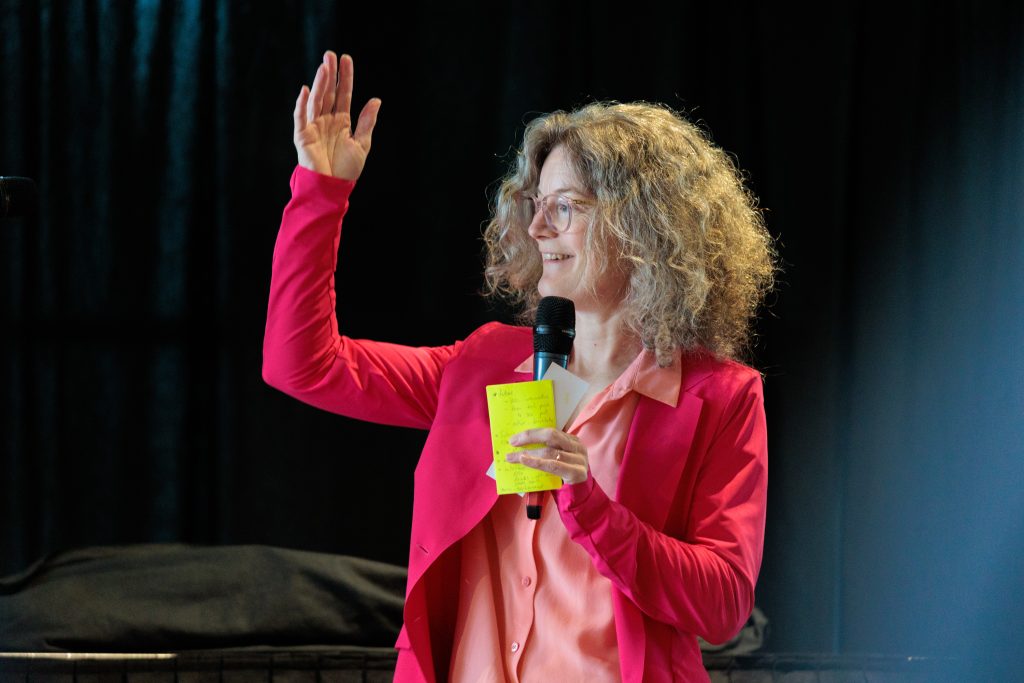
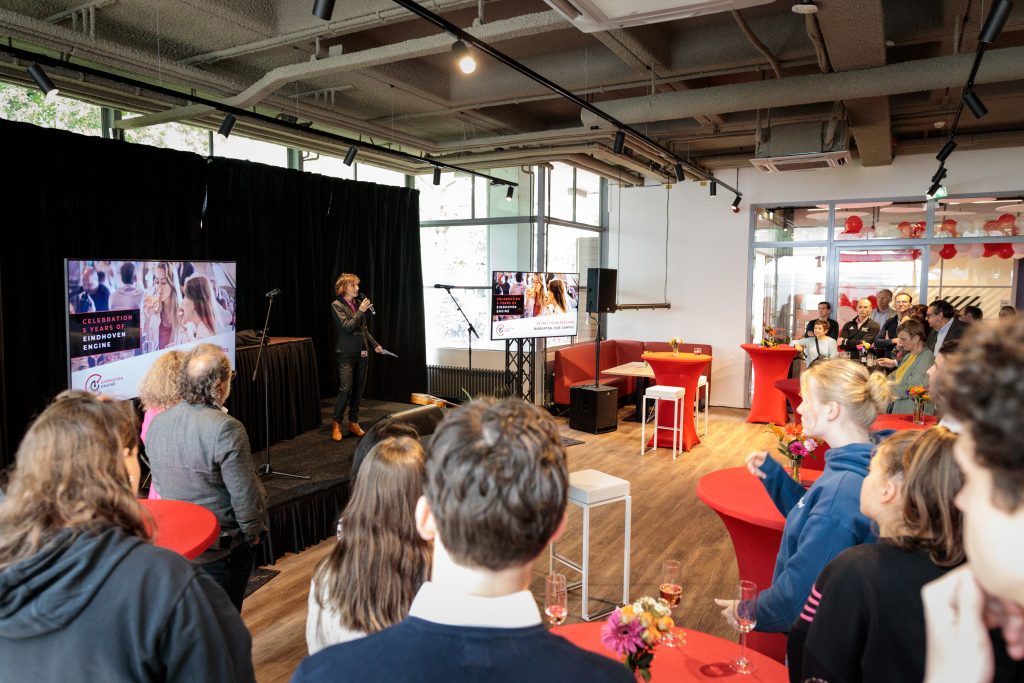
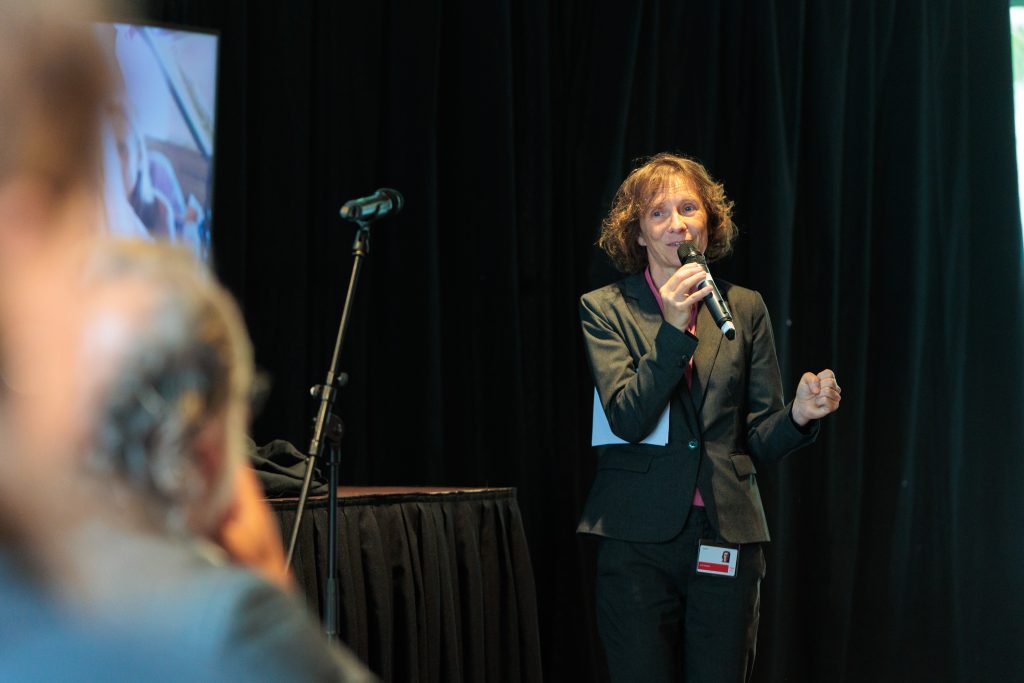
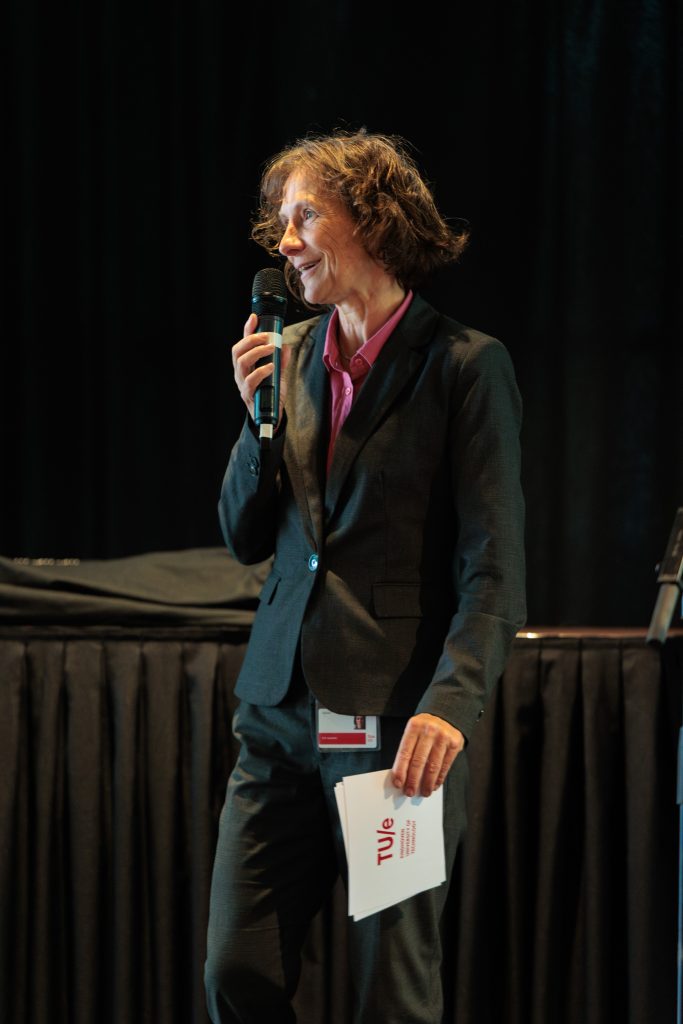
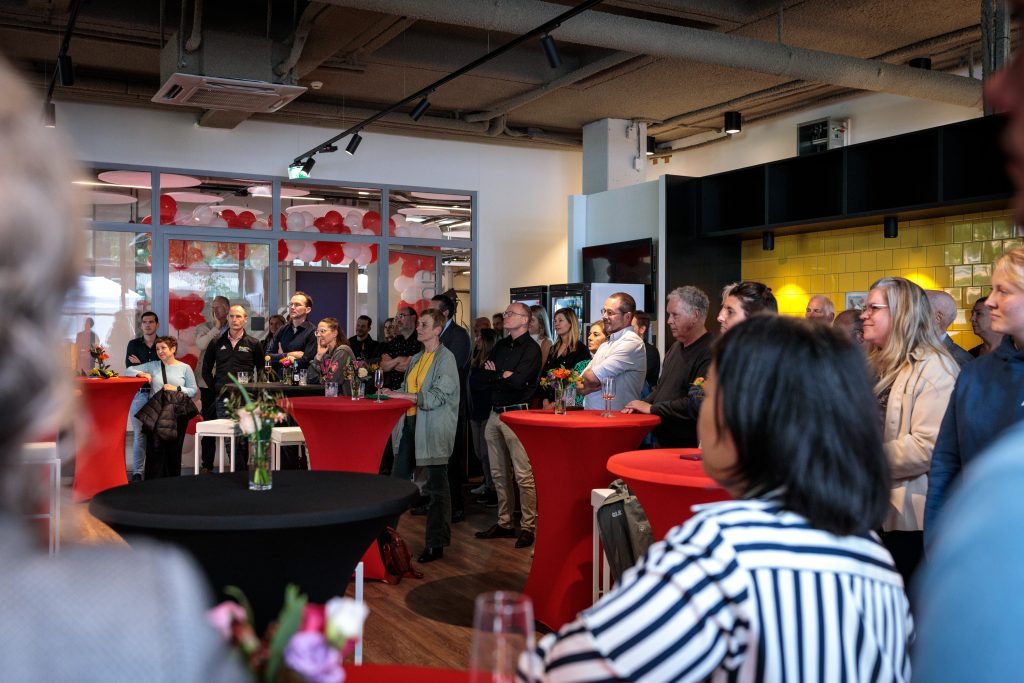
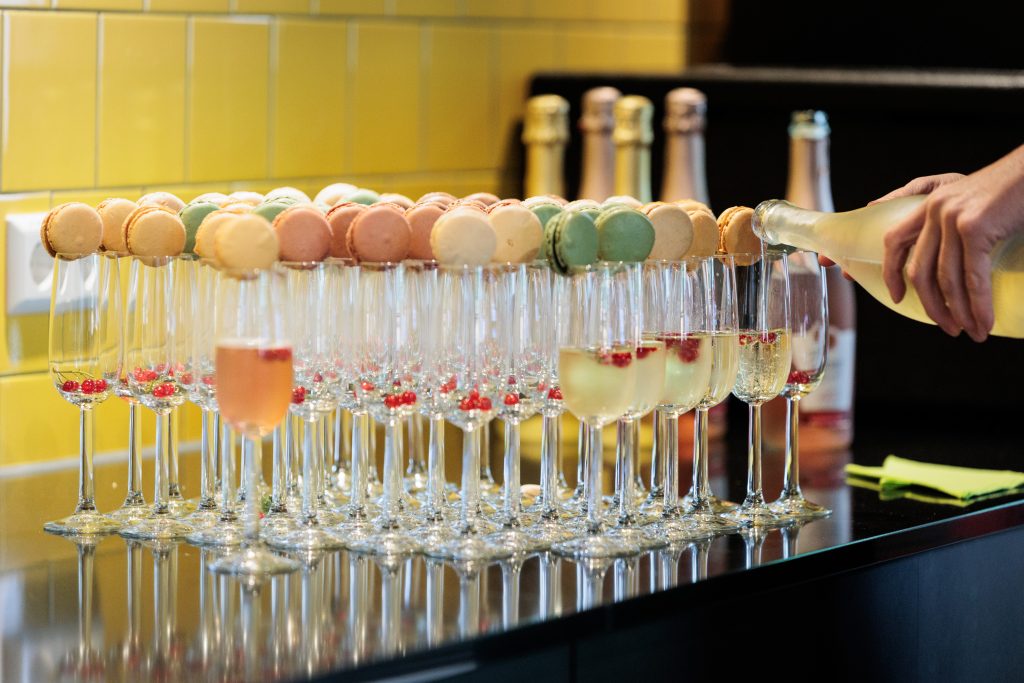
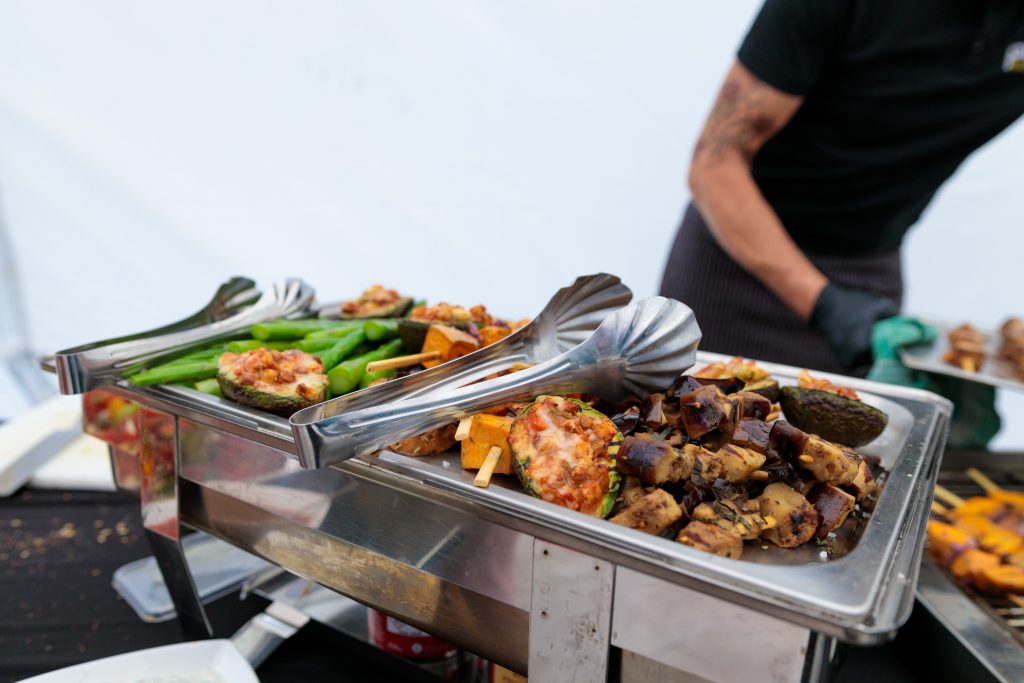
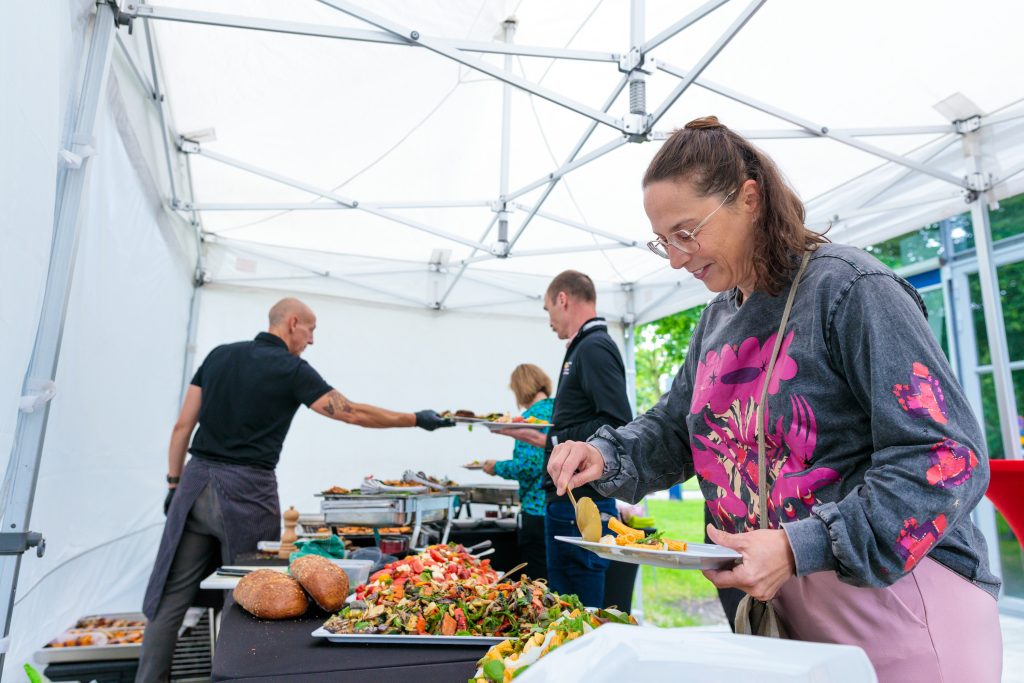
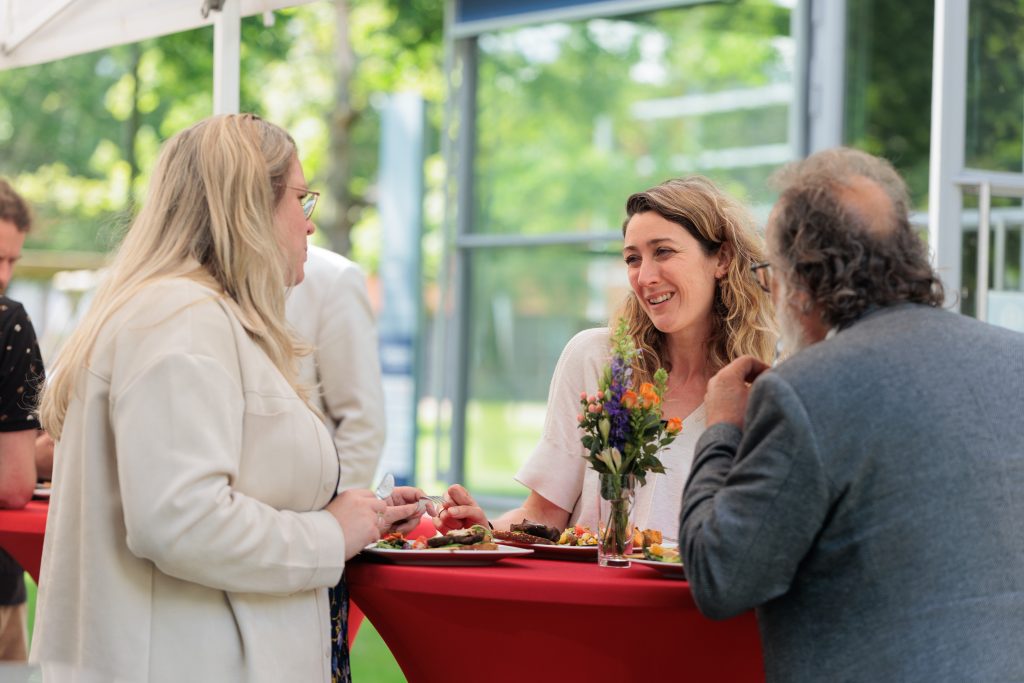
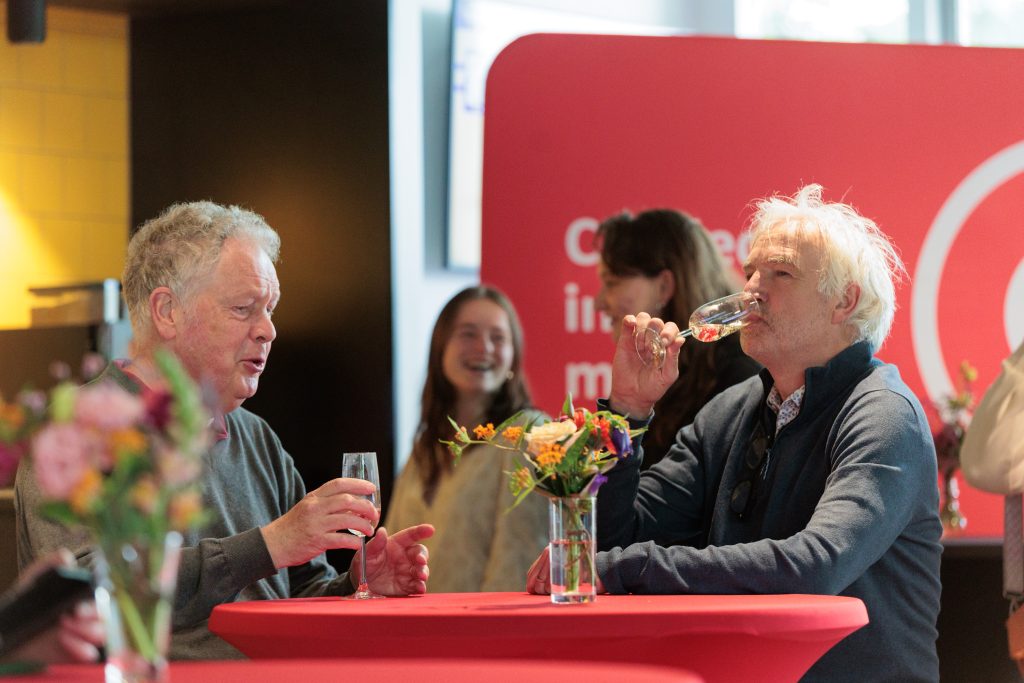
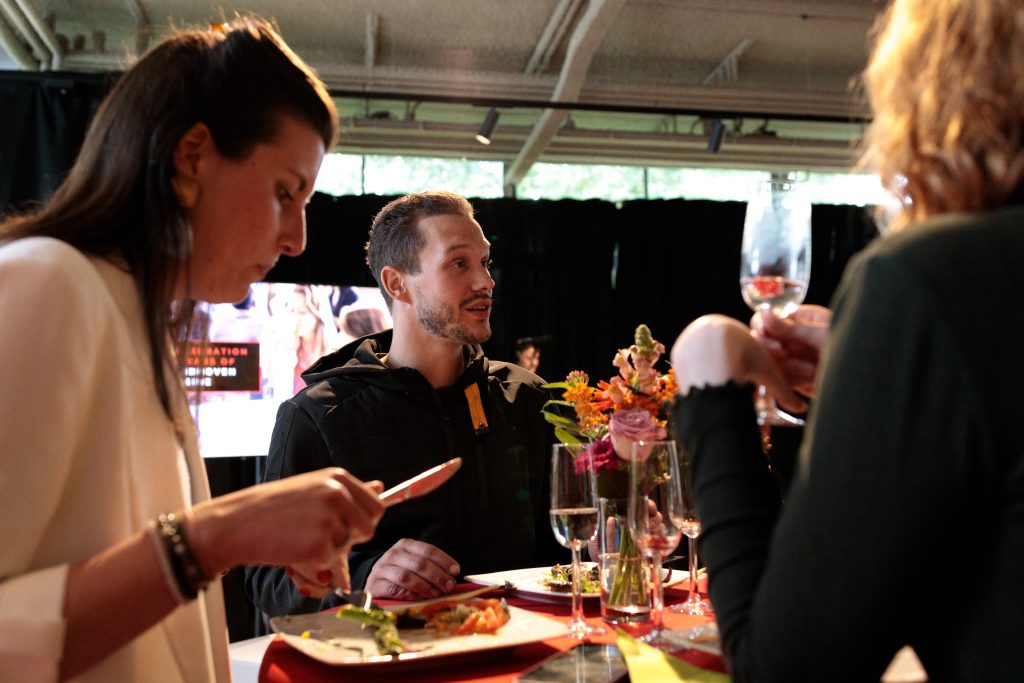
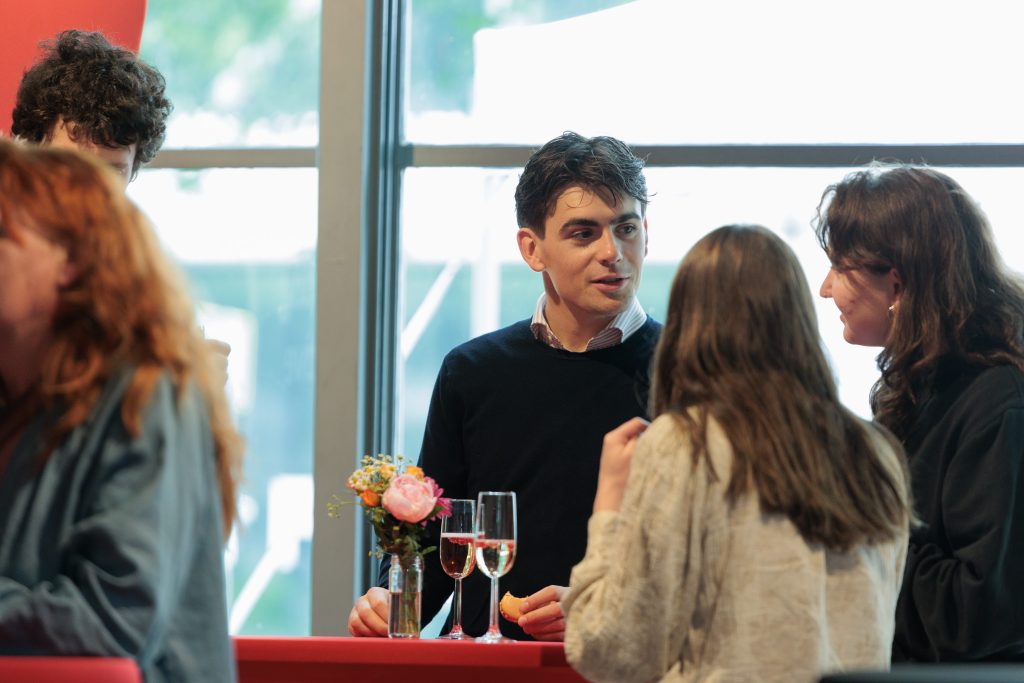
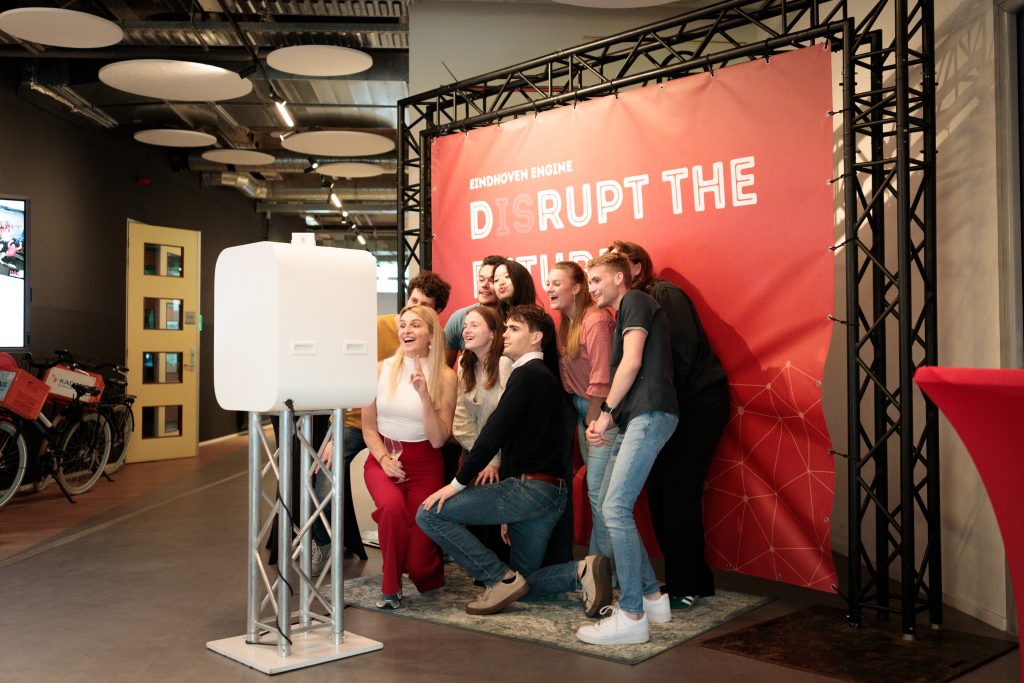
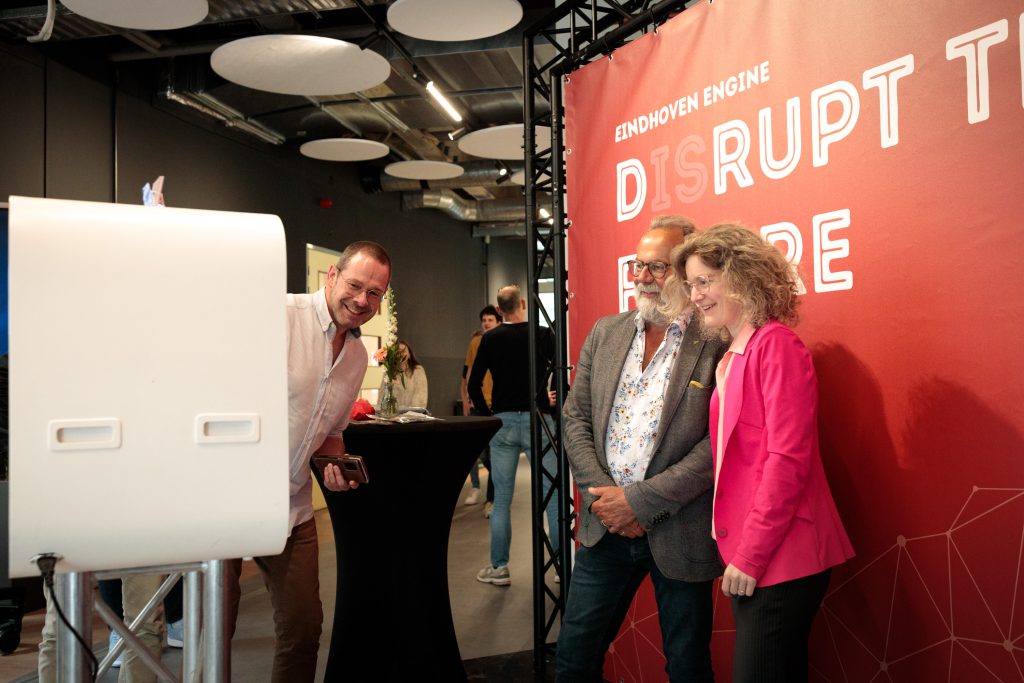
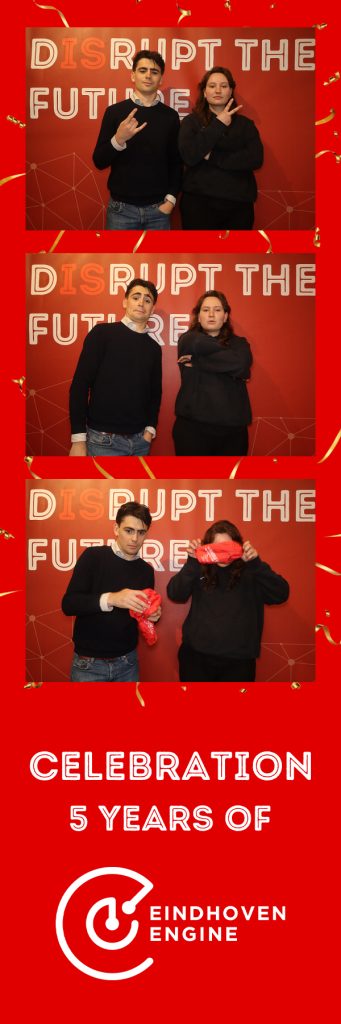
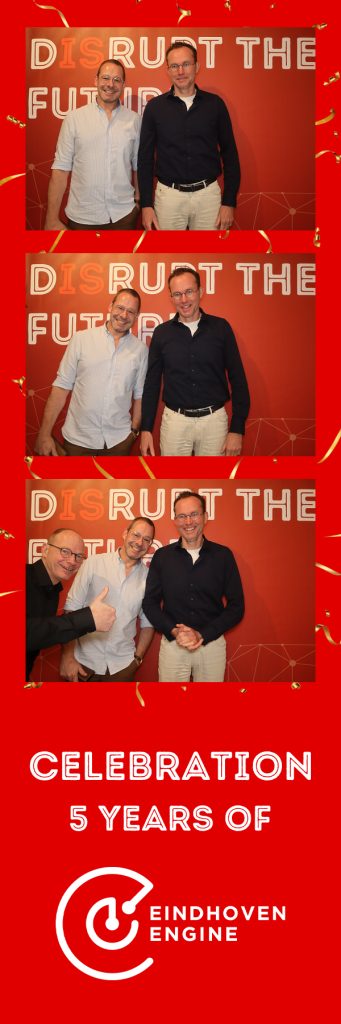
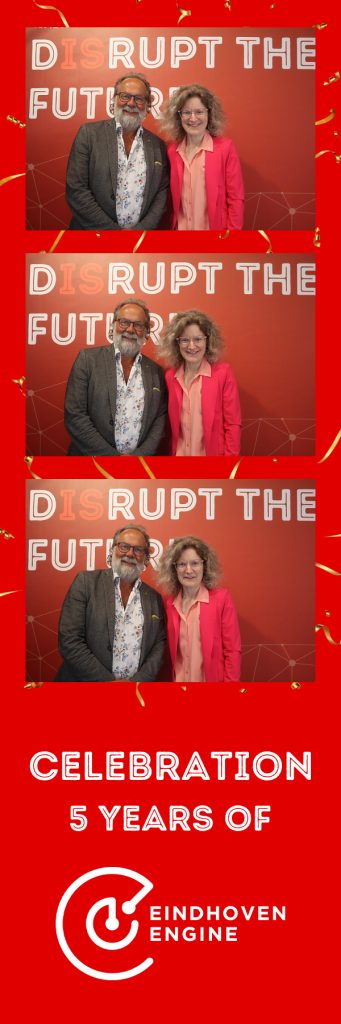
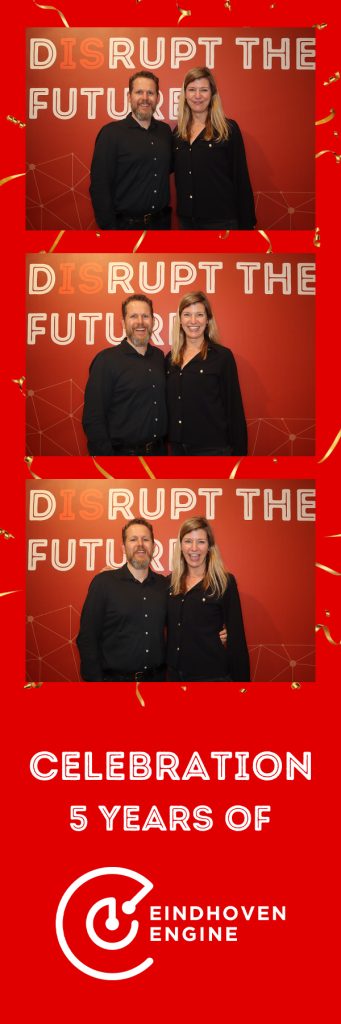
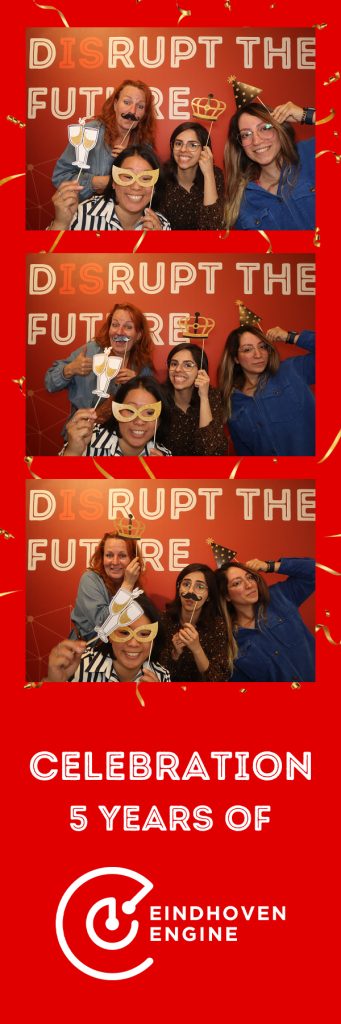
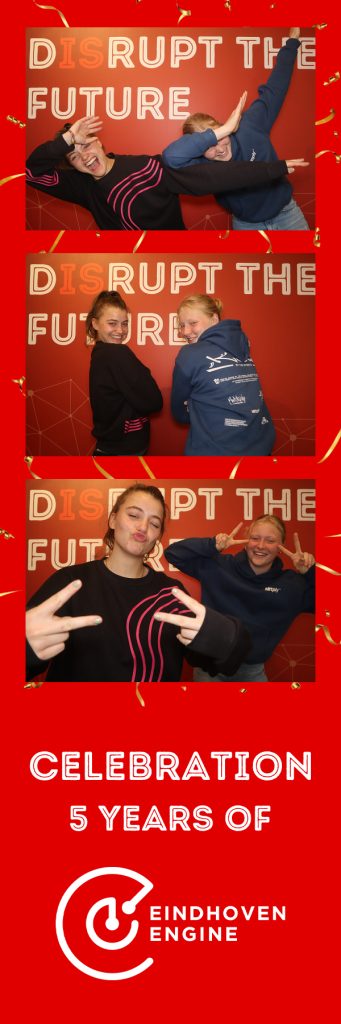
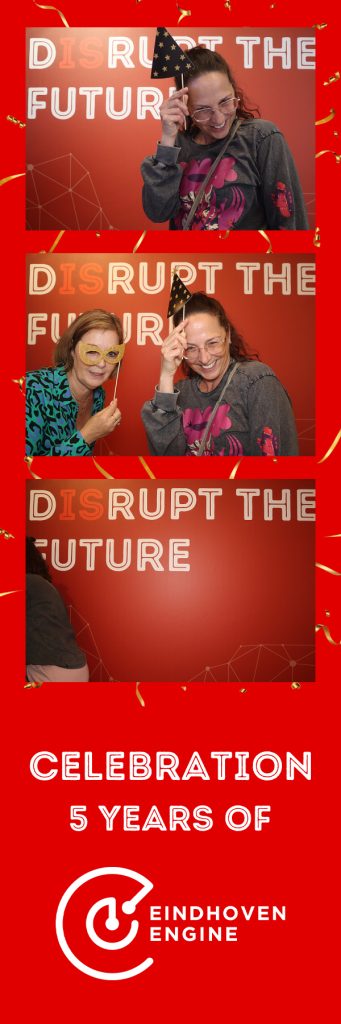
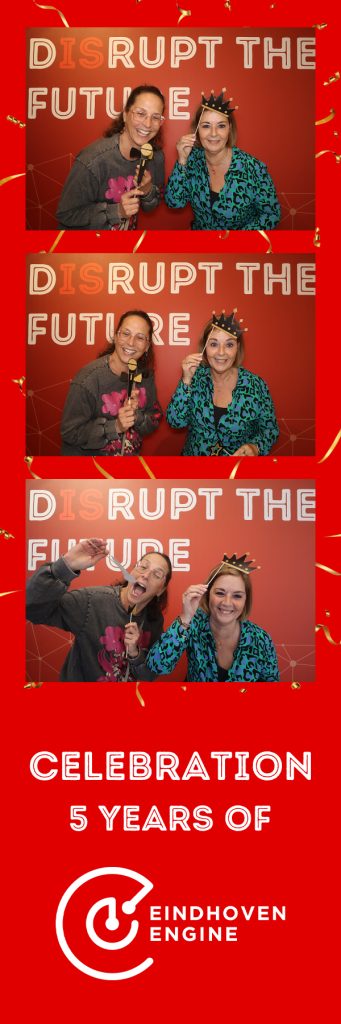
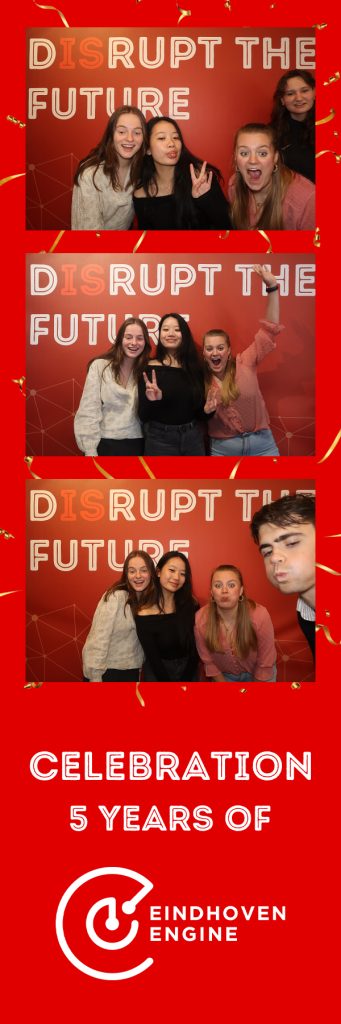
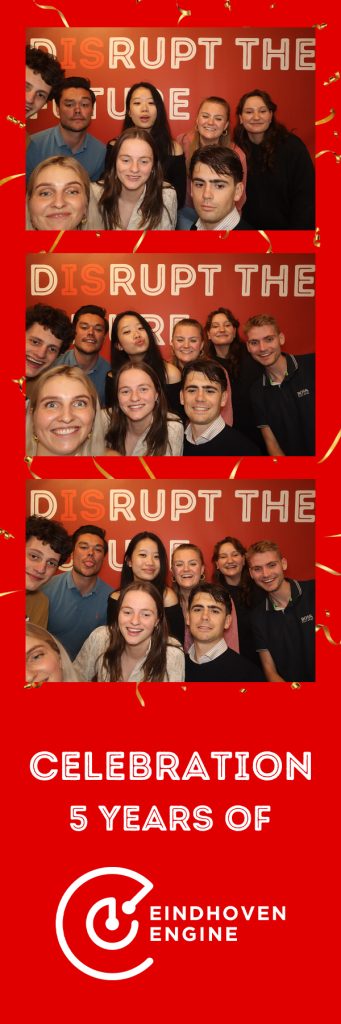
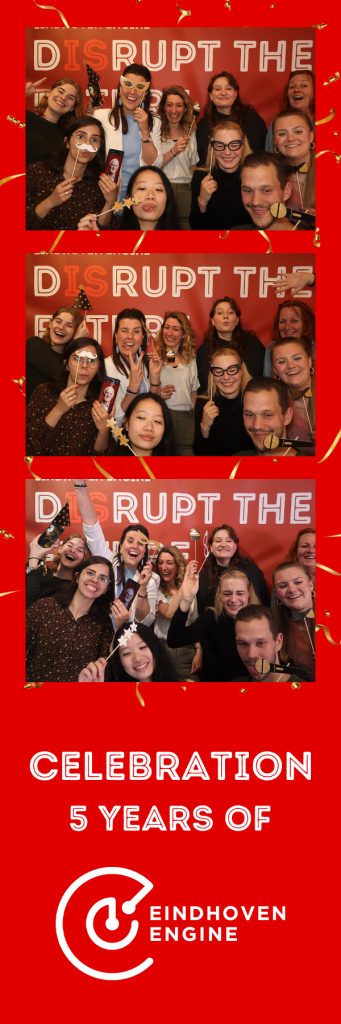
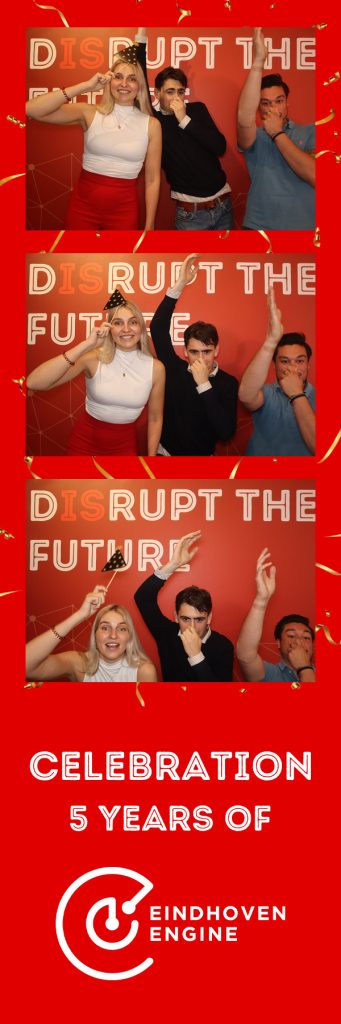
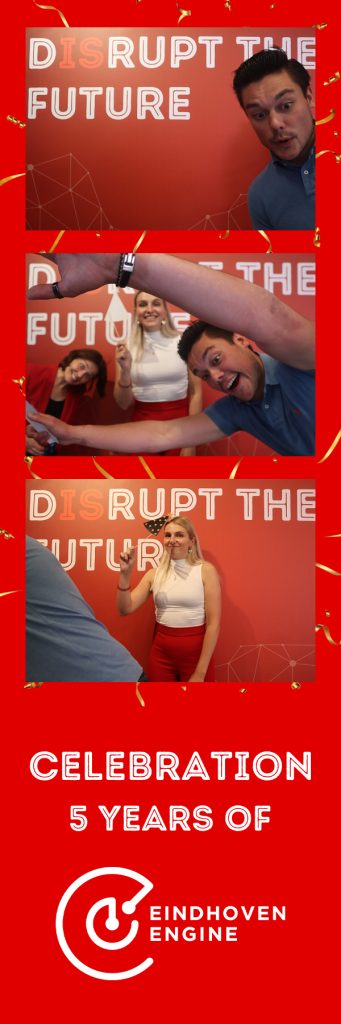
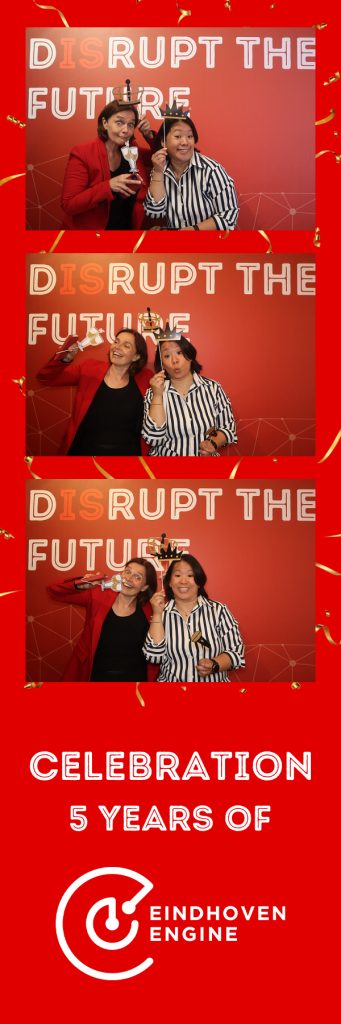
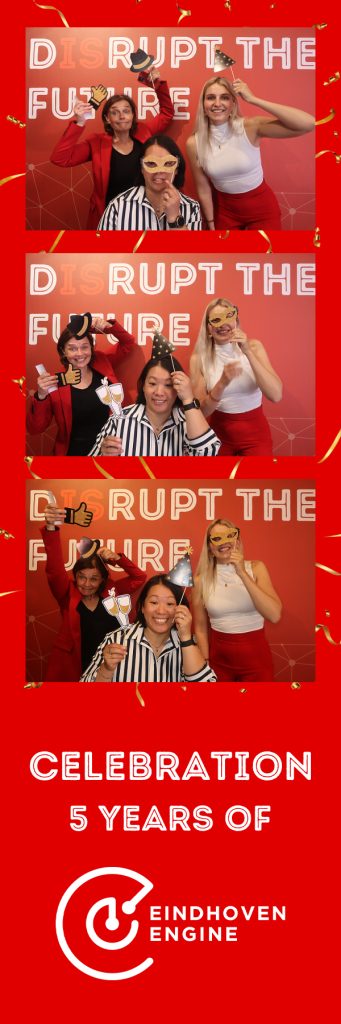
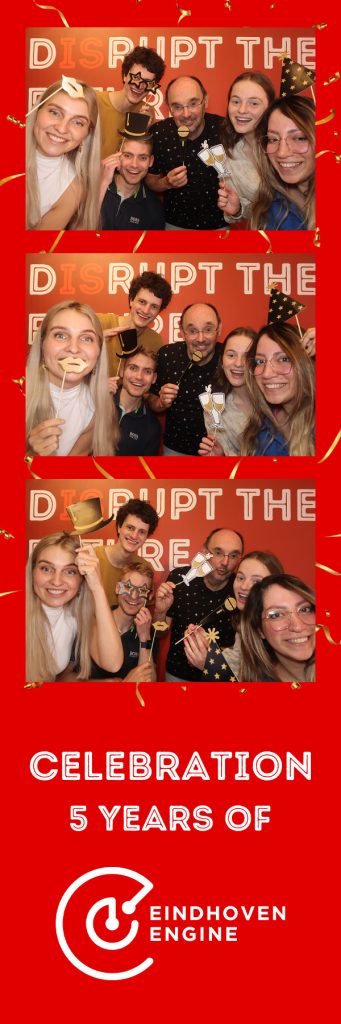
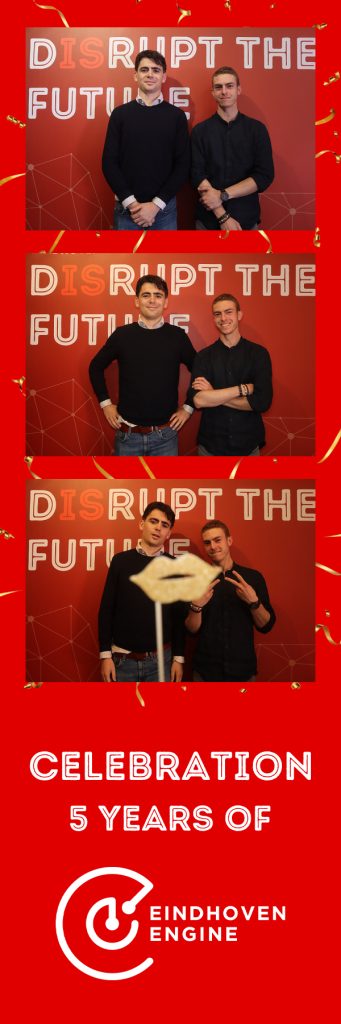
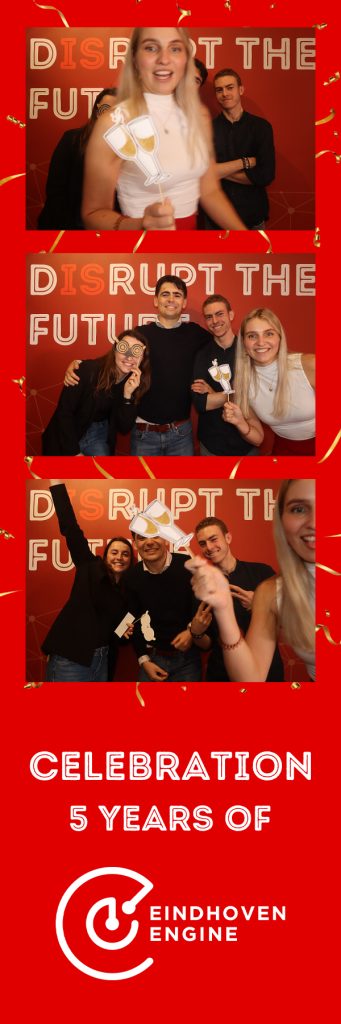
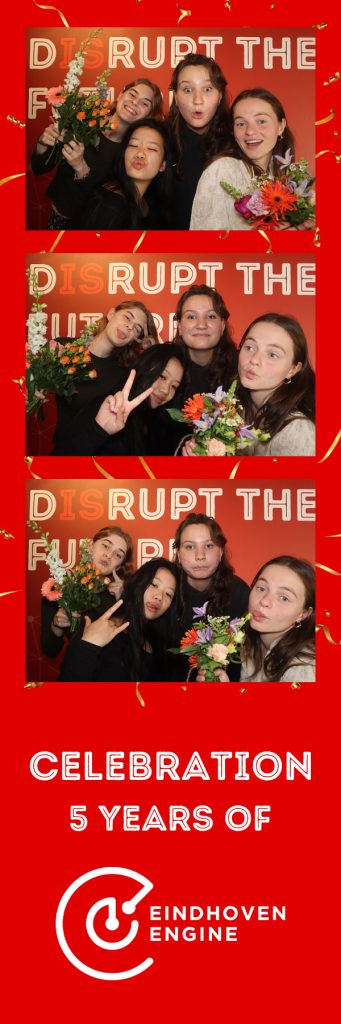
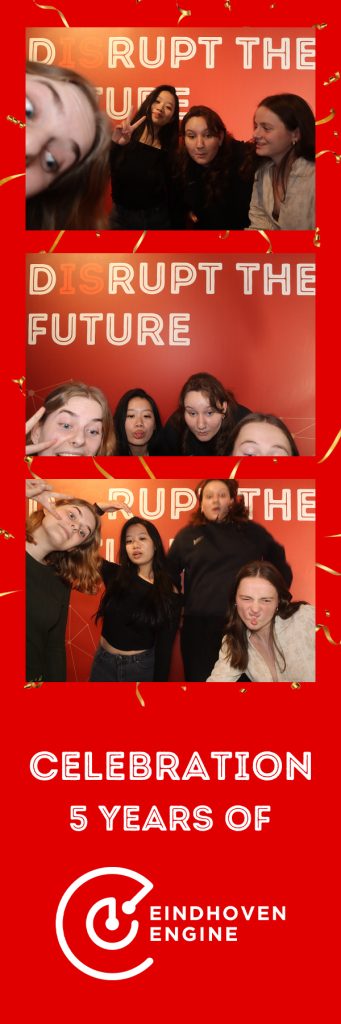
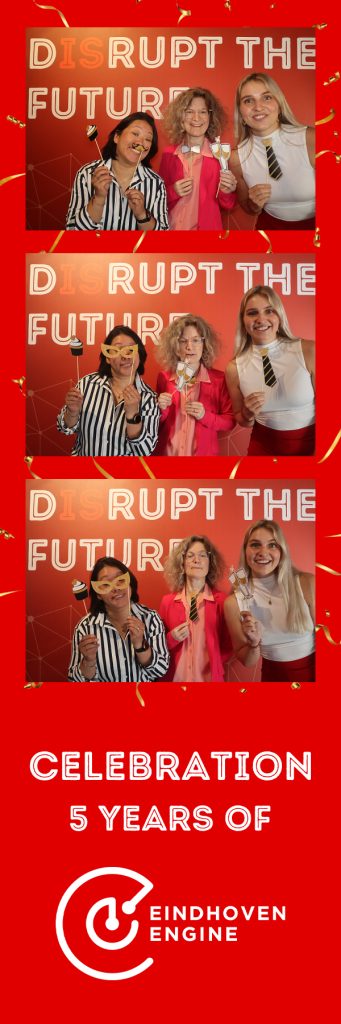
Celebrating five years of Eindhoven Engine
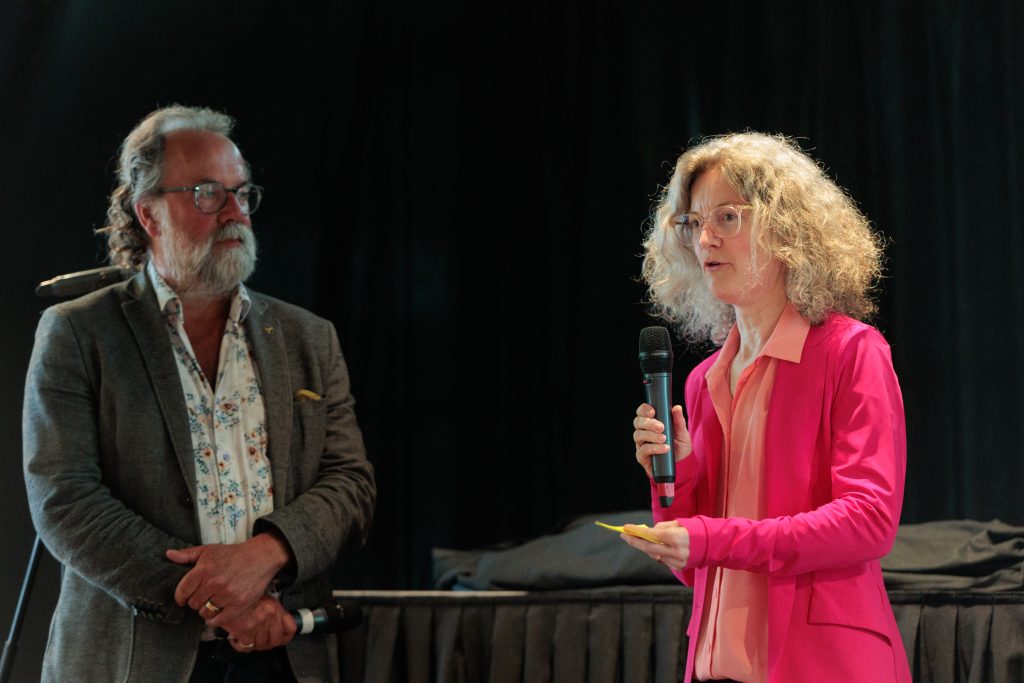
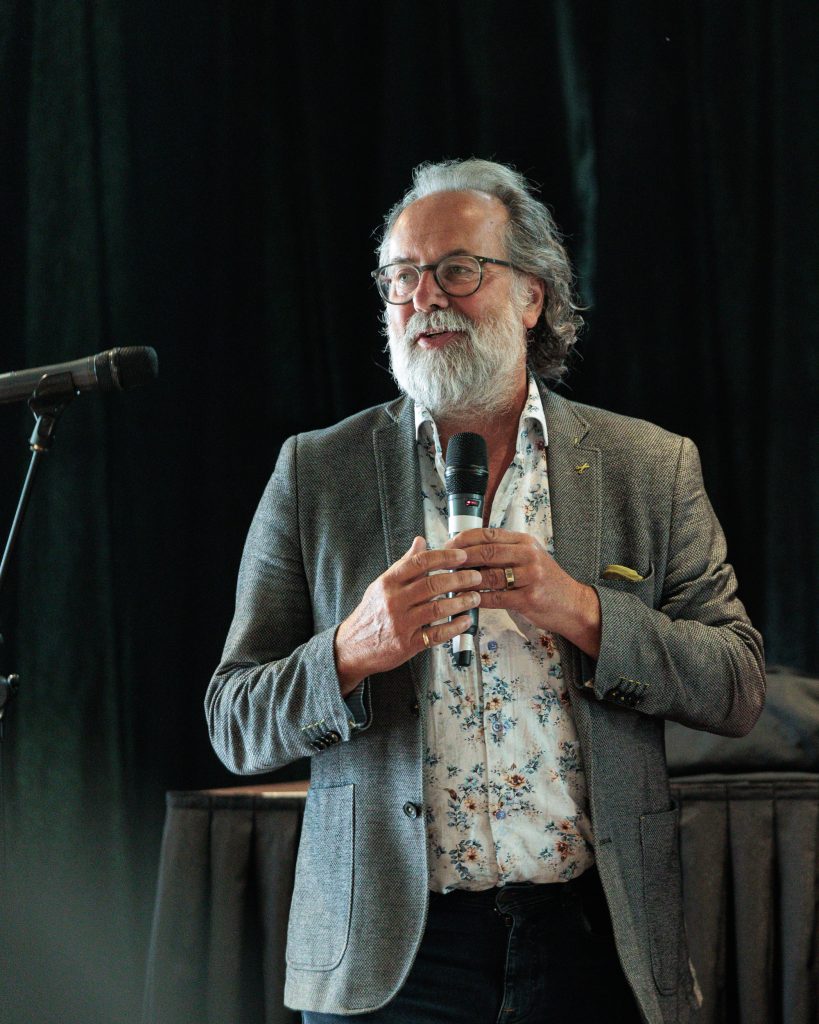
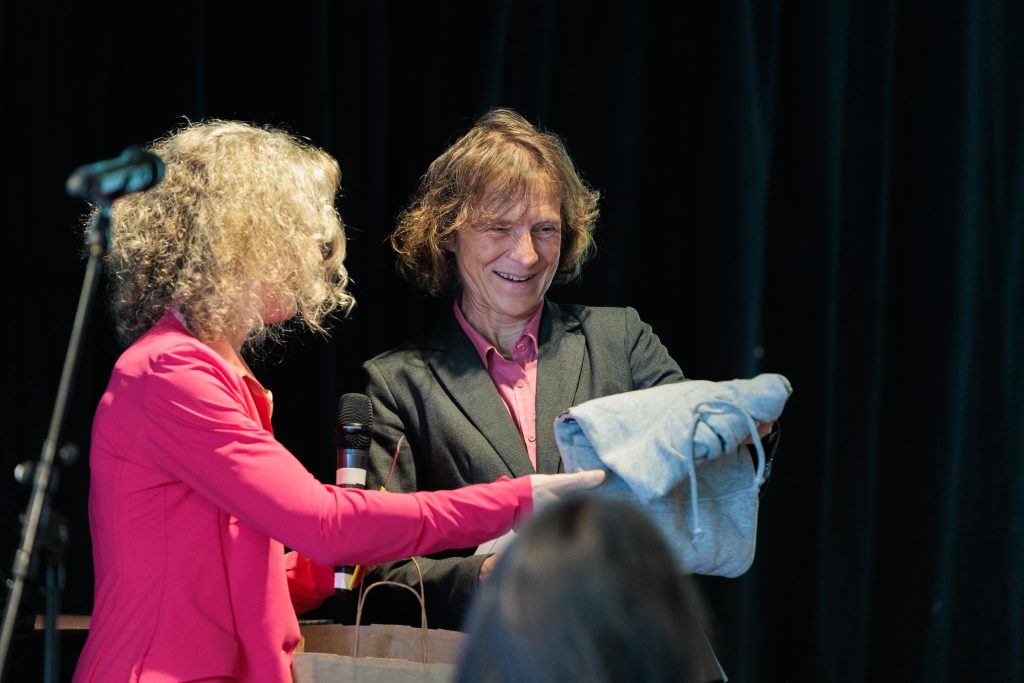
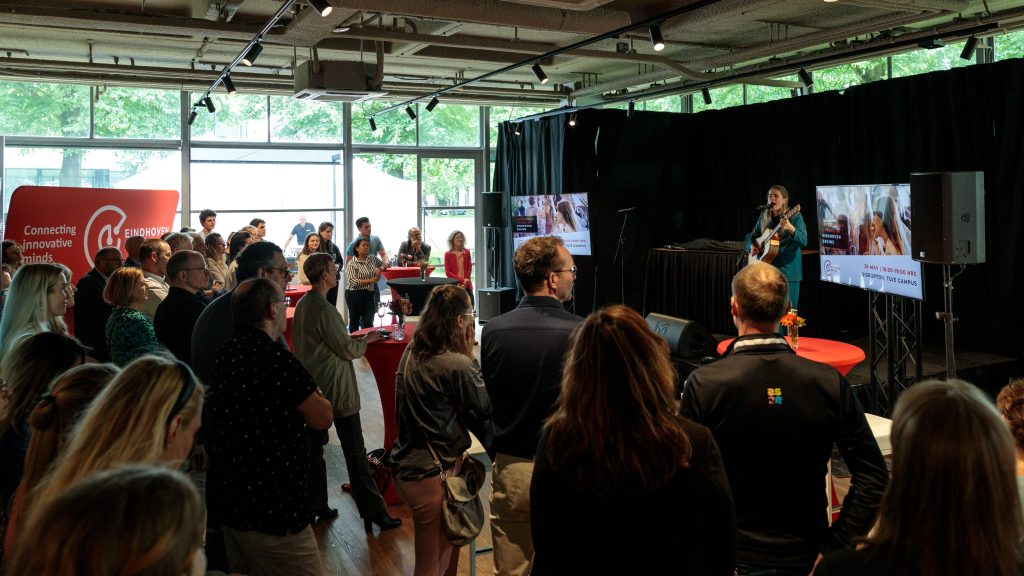
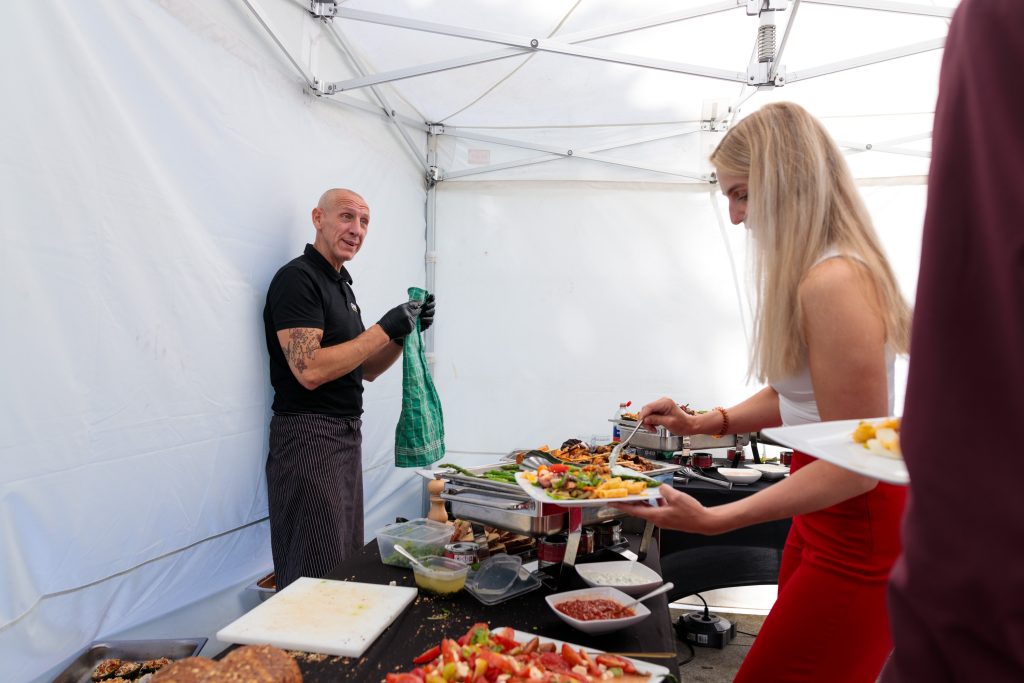
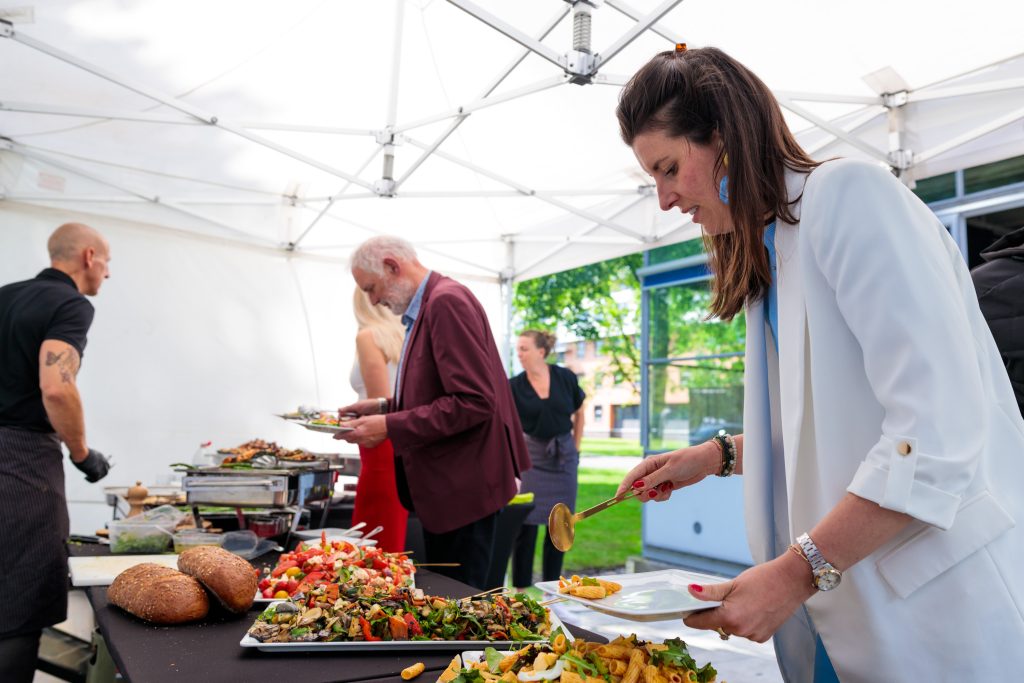
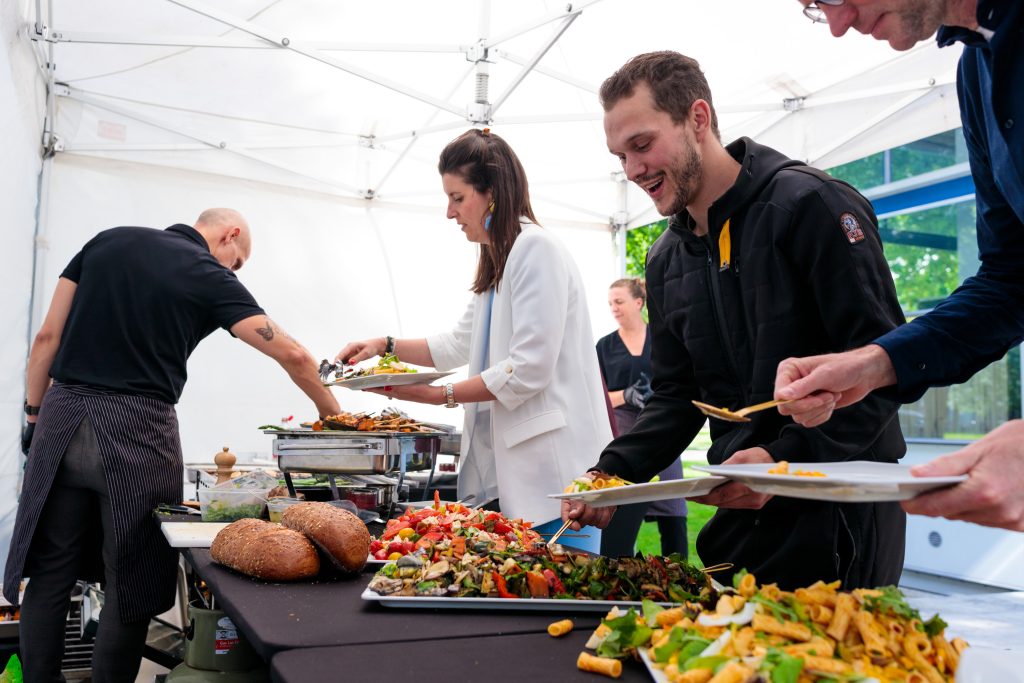
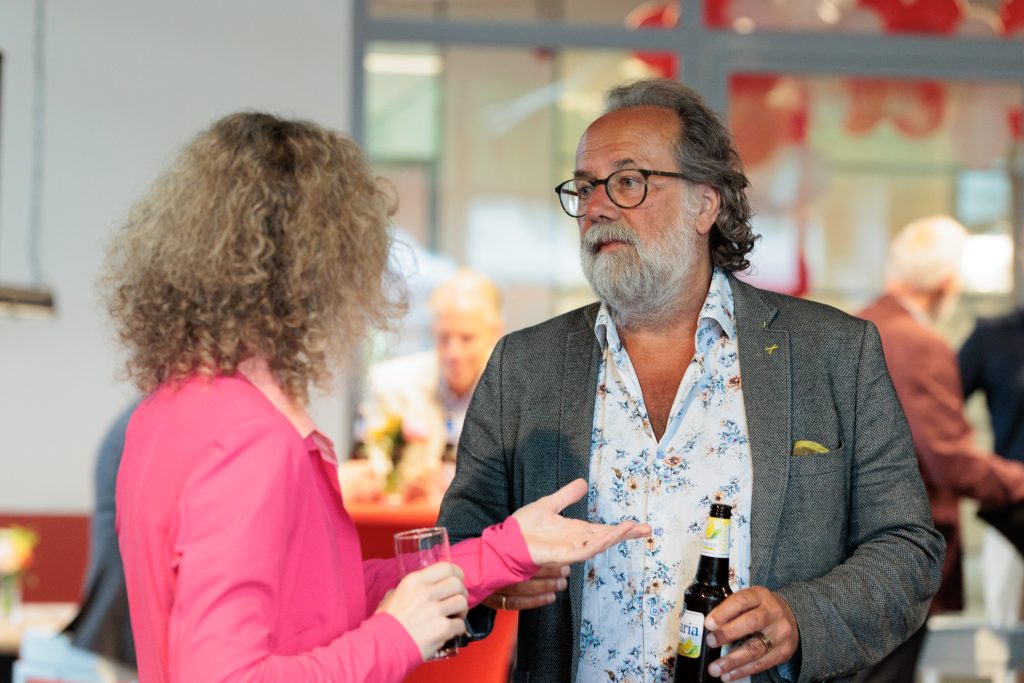
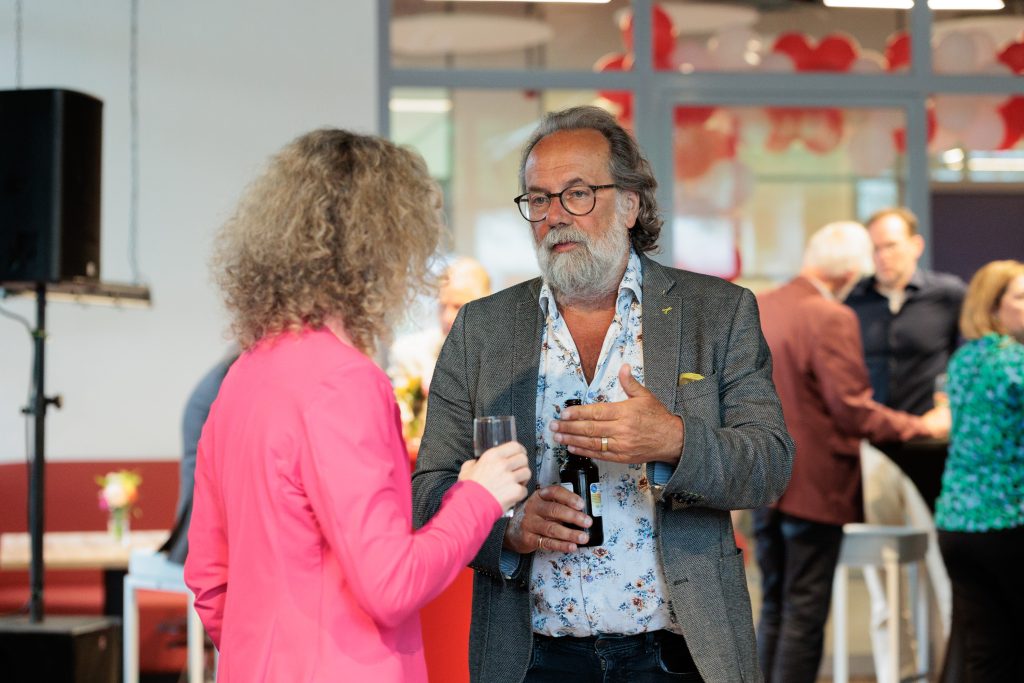
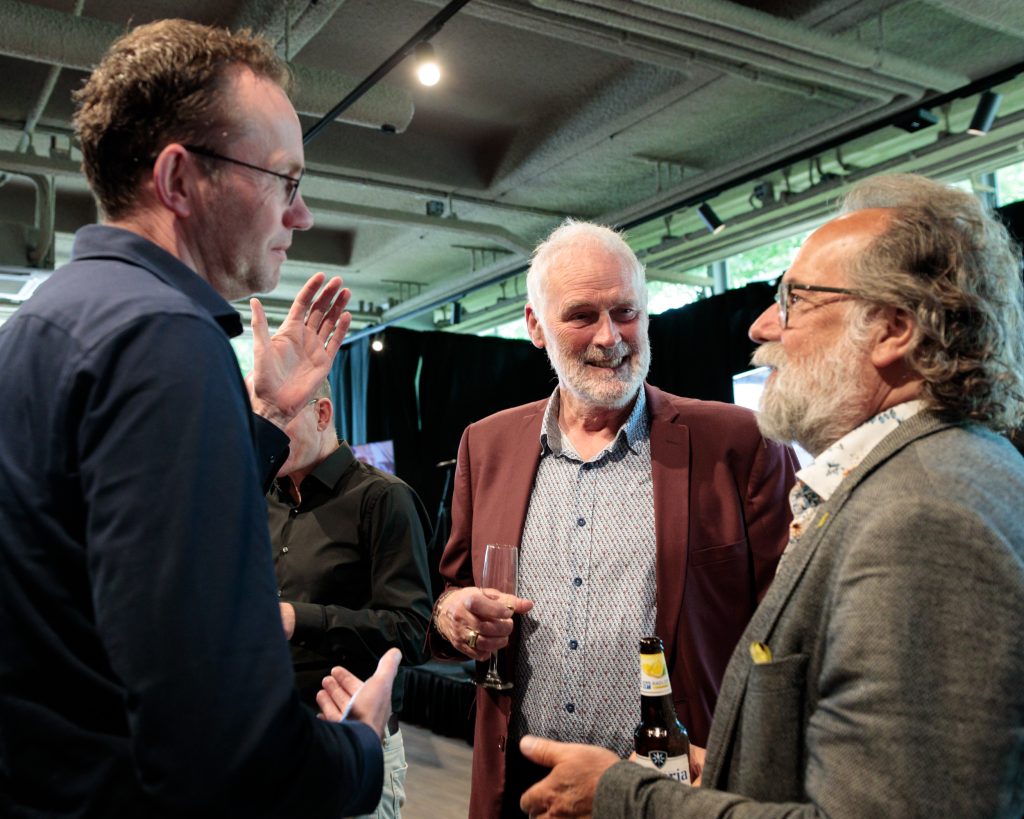
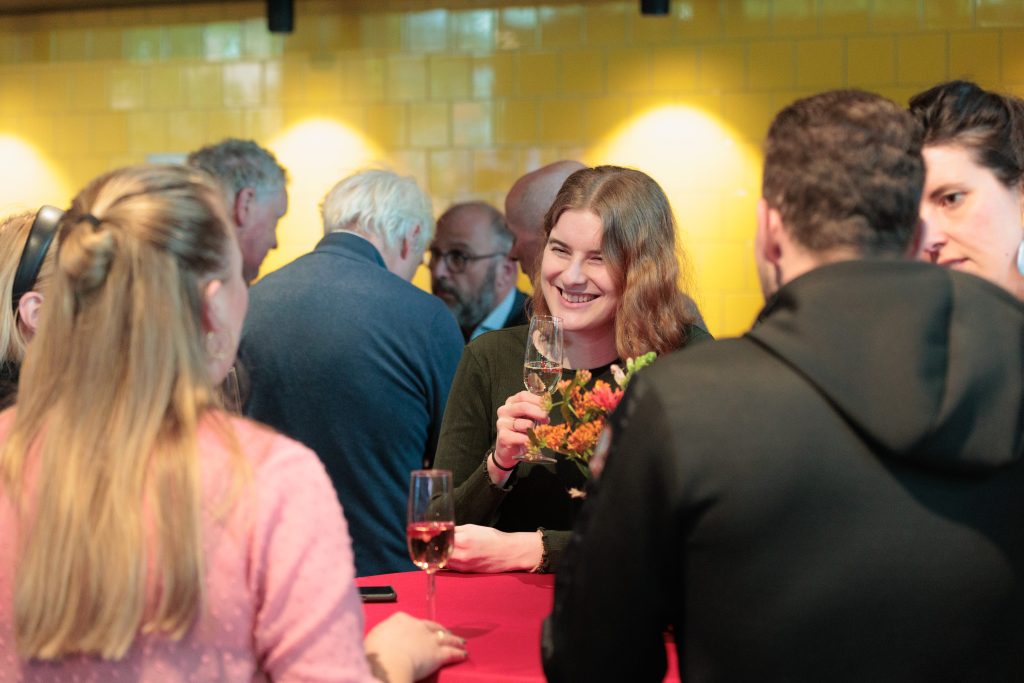
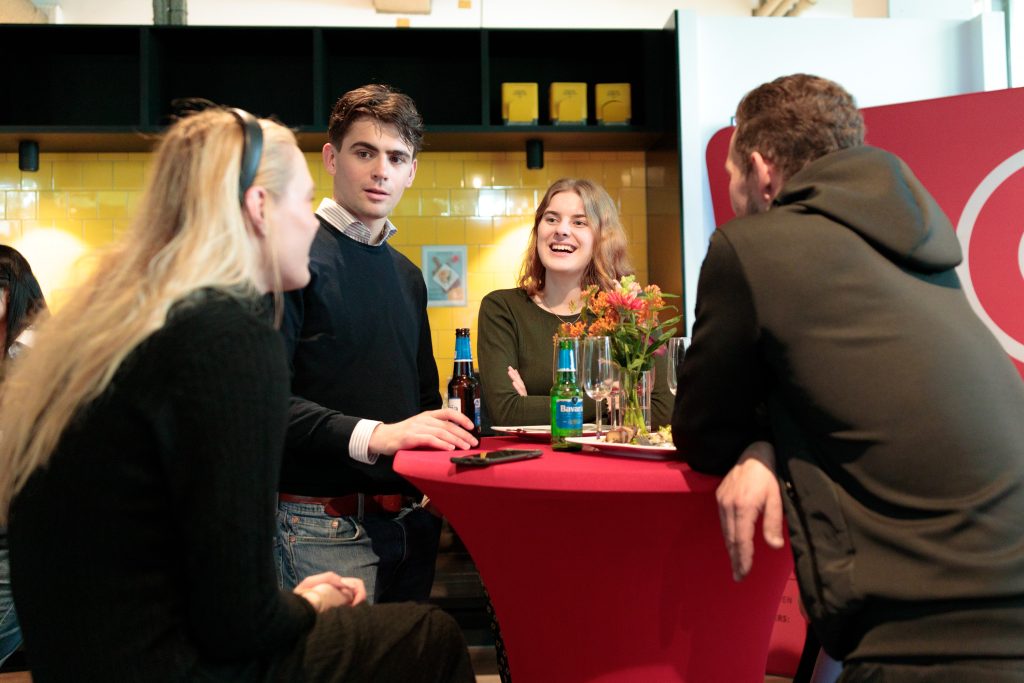
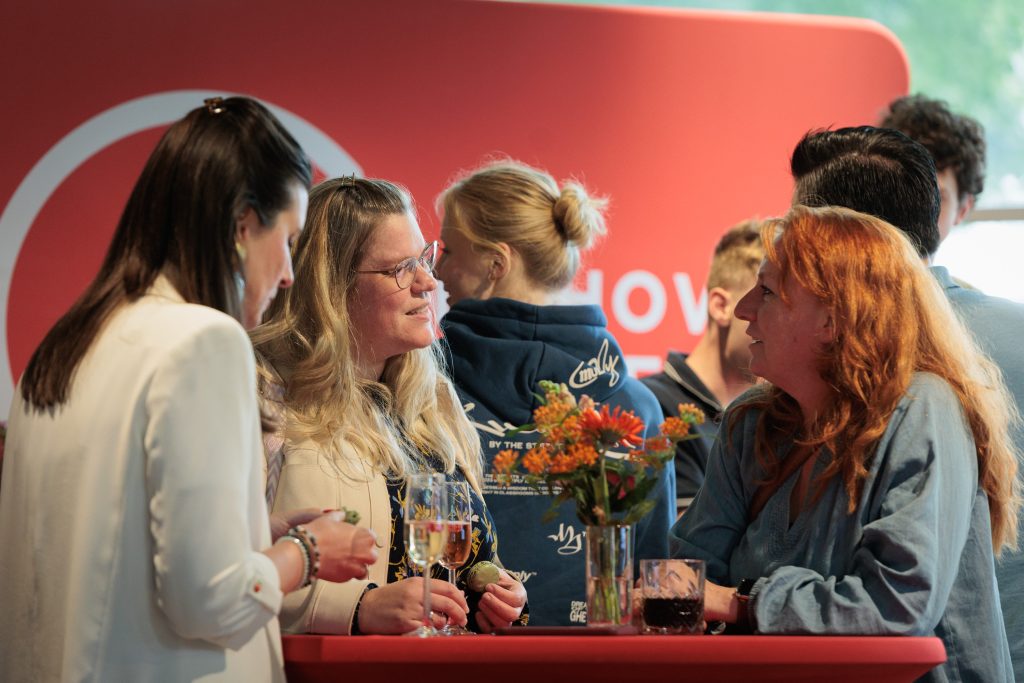
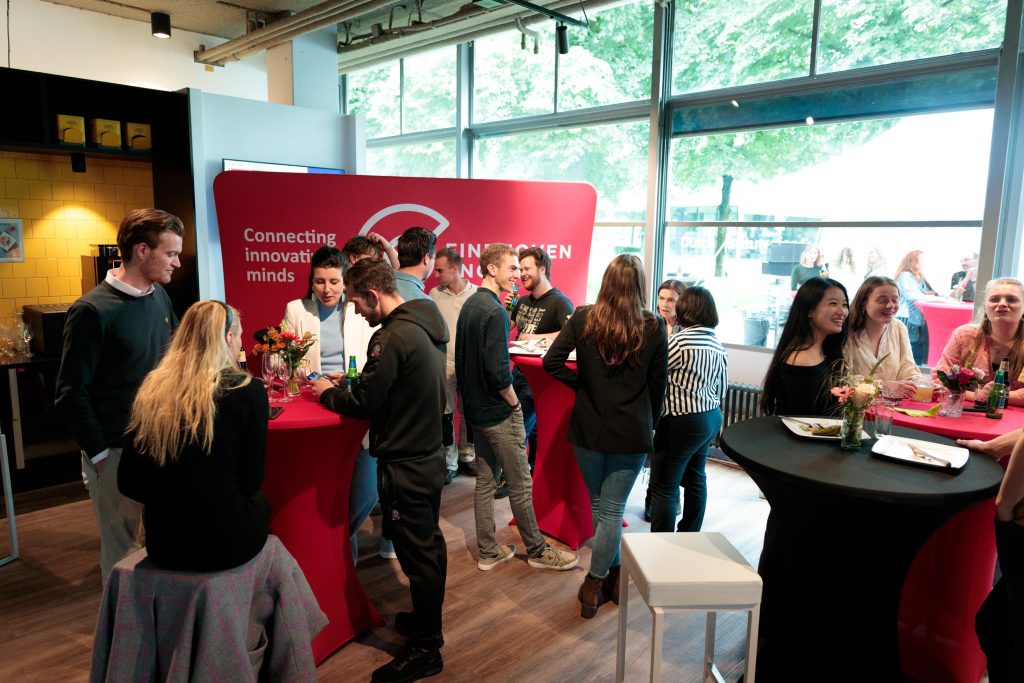
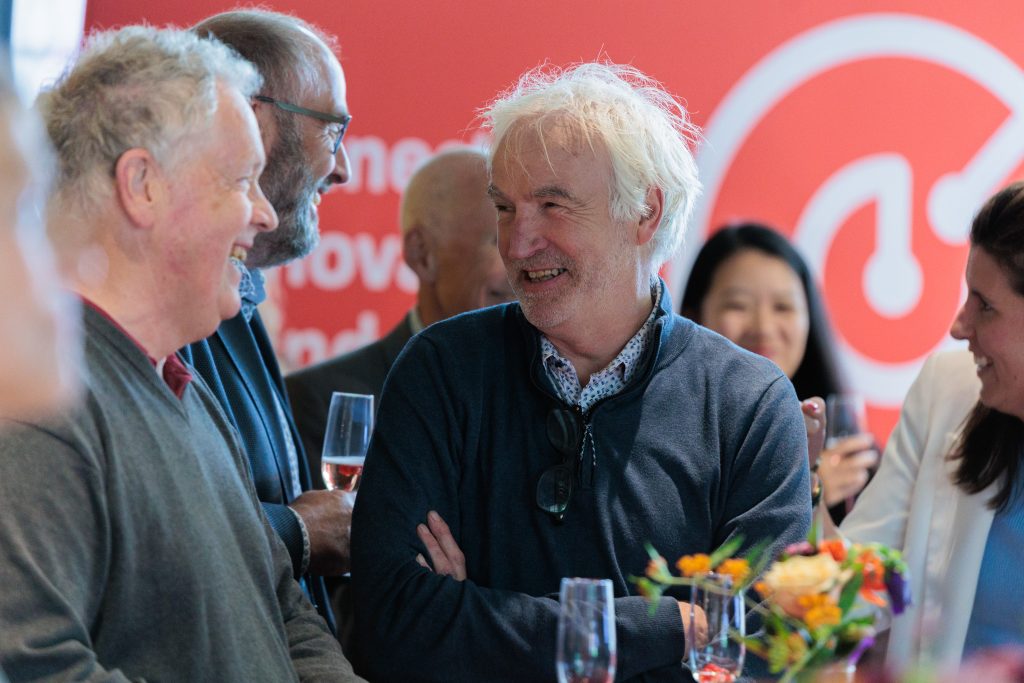
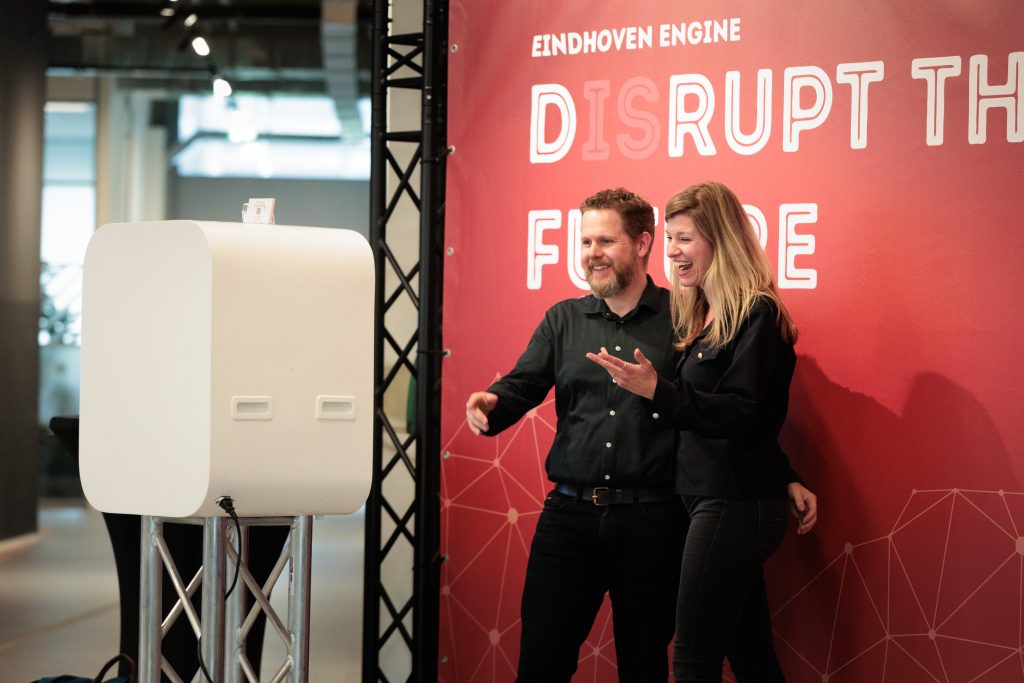
We had an incredible time celebrating our five year milestone, surrounded by great company and reflecting on our journey. From our ambitious beginnings to our impactful present. The celebration kicked off with an inspiring speech by TU/e Rector Magnificus Silvia Lenaerts, highlighting the importance of valorization, the strength of our partnerships, and our commitment to addressing societal challenges.
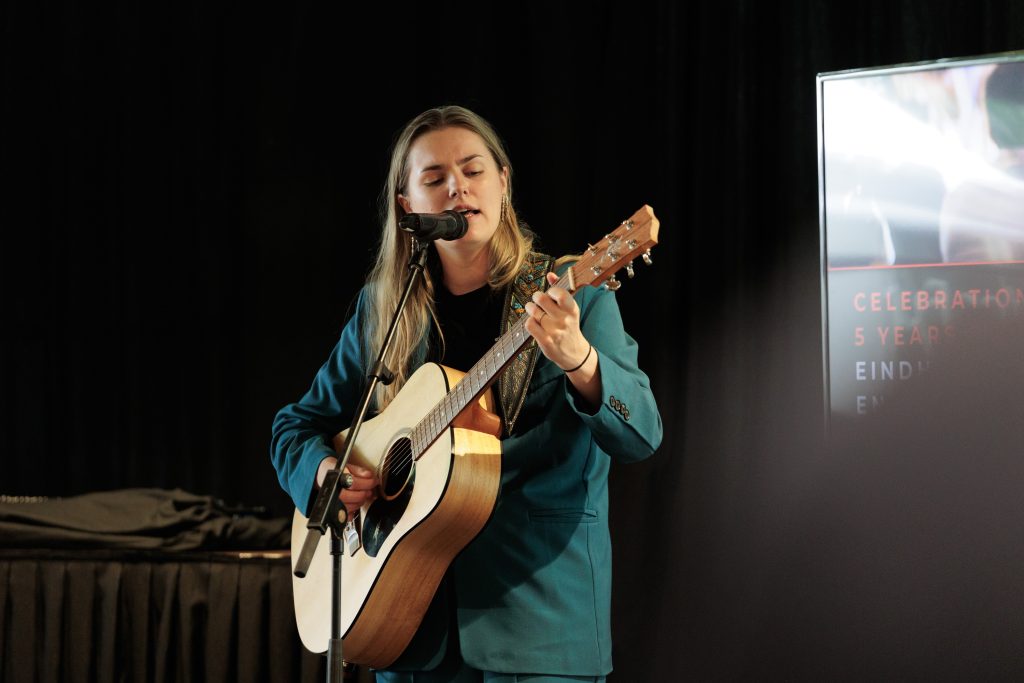
A special treat was the stunning musical performance by the talented artists from Impressariaat Kunsten van Fontys, adding a perfect touch to our celebration.




Videos
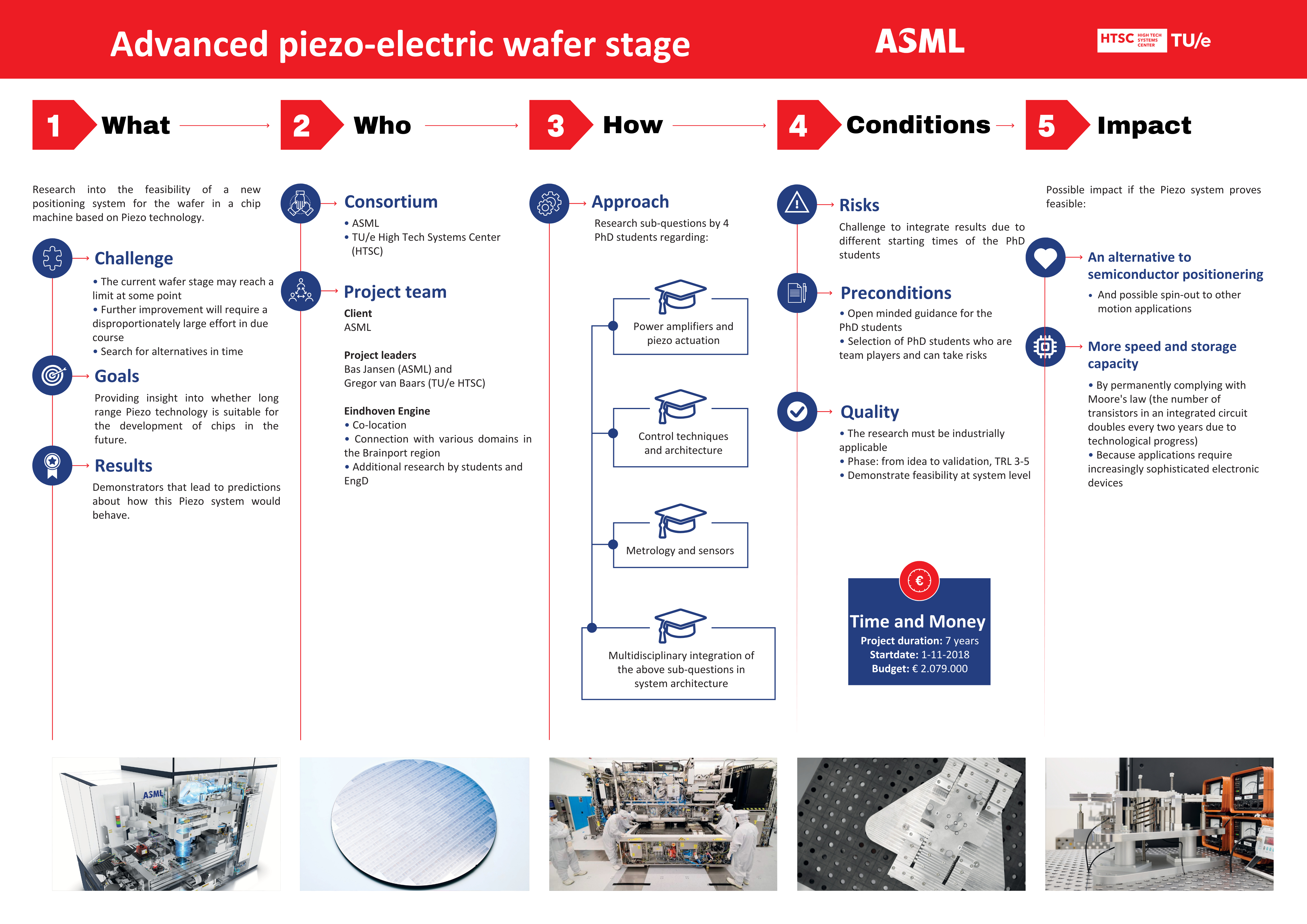
Gregor van Baars – Projectlead TUe & Systems engineer TNO
ASML is extremely successful with their current technology. The question lies in how much room there is for expansion. This research begins from a completely different standpoint, offering significant advantages but also presenting numerous challenges.
Ron de Bruijn – PhD candidate TU/e
My research is about wafer stages that are driven by piezoelectric actuators. These actuators make a mechanical contact between the rest of the machine and the wafer stage. Minimal disturbance or vibration in the rest of the machine could actually affect a wafer position.
Infographic
Archive
Media: Zoeken naar nieuwe concepten buiten comfortzone gevestigde ontwerpprincipes