Why does it matter?
Water scarcity is no longer a distant threat—it’s a pressing reality already impacting the Netherlands, especially during increasingly dry summers. By 2030, we will need an additional 100 million m³ of drinking water every year to meet growing demand. Without bold action, structural shortages could disrupt households, industries, and ecosystems. In the Brainport region, this challenge is even more urgent due to climate change, rapid economic growth, and fragile sandy soils.
Our solution: circular water hubs
We are building a regenerative water system that not only uses water but actively restores and strengthens the natural cycle. Our guiding principle: Every drop you receive should be returned at least as clean—ideally cleaner—so nature benefits too.
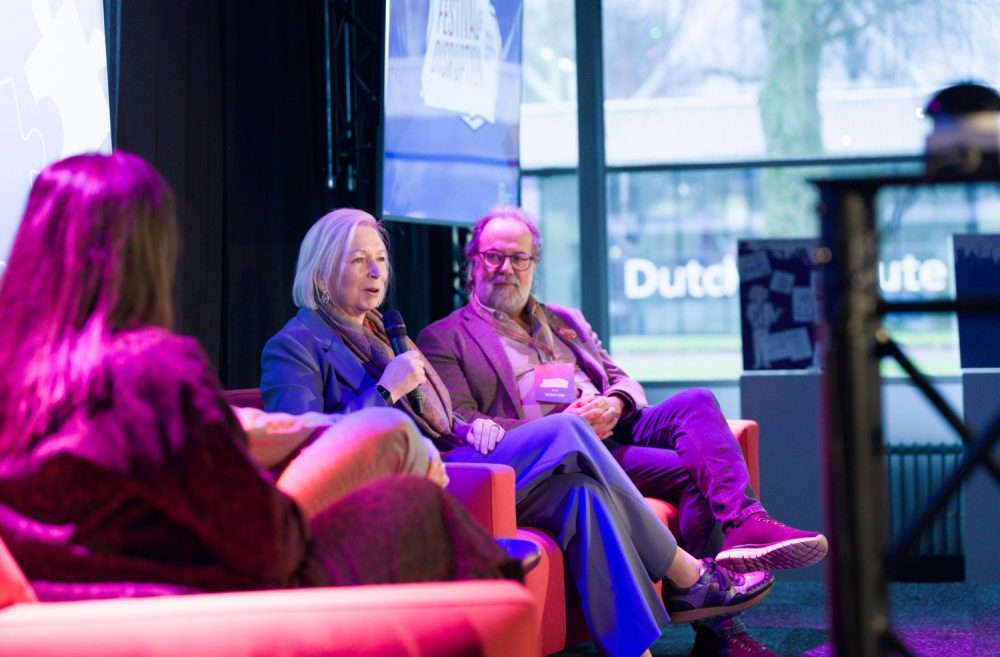
This approach connects to other societal challenges such as nitrogen, energy, raw materials, and food. It’s a wicked problem that demands integrated, multidisciplinary collaboration. Eindhoven Engine acts as the orchestrator, leveraging expertise from TU/e, Fontys, Avans, and Yuverta, alongside key partners including businesses, the Ministry of Defence, Brabant Water/Rehydro, and Waterschap De Dommel. Rijkswaterstaat contributes innovationsite Kloosters from InnovA58 and its assets—such as the Wilhelmina Canal and highways—to enable this transformation.
The commitment
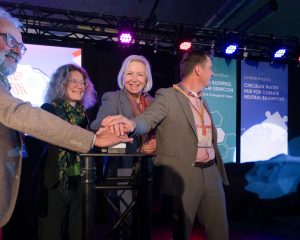
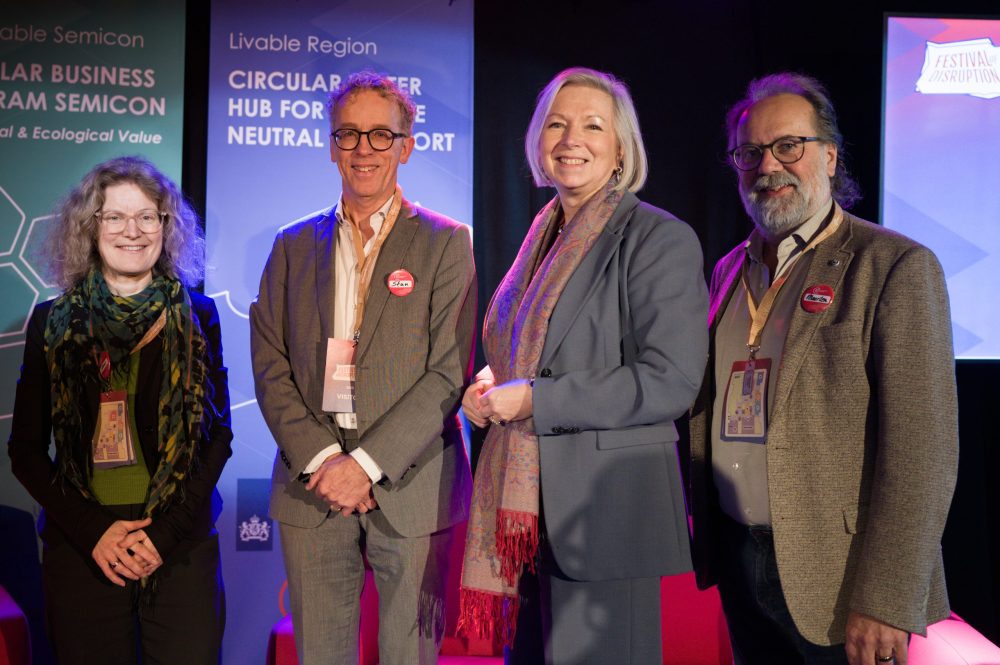
The collaboration runs for four years, with the intention to extend. This agreement forms part of Rijkswaterstaat’s sustainability strategy, with Eindhoven Engine leading as regional orchestrator within the University 4.0 hub. A budget of €800,000 has been allocated to kick-start this initiative. By integrating technical, societal and organizational innovations we improve our ability to tackle complex problems.
Every drop you receive should be returned at least as clean—ideally cleaner—so nature benefits too.