Vacancy: EngD trainee – Bridging the gap in society using the digital library of the future
Are you a masters graduate who wants to continue your study and obtain an Engineering Doctorate (EngD) with the focus on bridging the gap in society, caused by low literacy, using the digital library of the future?
Eindhoven Engine and the TU/e department Industrial Design is offering a fully funded 2-year position to master graduates leading to the award of an EngD (Engineering Doctorate) degree in Designing Human- System Interaction. Start date: as soon as possible.
About the assignment
In cooperation with a few project partners, Eindhoven Engine has decided to contribute to a deeper understanding and the design of a few meaningful interventions, addressing the huge societal challenge of non-inclusiveness. In particular, while the Brainport region is a highly intellectual region, at the same time 15% of the population is low literate, which excludes them from part of the possibilities available in the region. With that purpose in mind, Eindhoven Engine will bring together an ecosystem of students, researchers, start-ups and corporates to co-create, in an open innovation mindset, meaningful technology-based solutions with a strong human dimension.
The library itself has done a design oriented investigation to identify the problem and published its results. This report contains valuable suggestions. What we need now is a creative, innovative and open minded EngD candidate who can take responsibility for steering the ecosystem and leading the design of the possible solutions, for instance with student teams. No roads are impossible, as long as the impact is clear and it contributes to a solution of a real problem. B2 level of the Dutch language is a plus.
Do you have questions about this traineeship? You can also contact Walter Baets, Learning Officer @ Eindhoven Engine, via w.r.j.baets@tue.nl.
Updates on Emergence Lab


Vacancy: EngD trainee – Bridging the gap in society using the digital library of the future
Are you a masters graduate who wants to continue your study and obtain an Engineering Doctorate (EngD) with the focus on bridging the gap in society, caused by low literacy, using the digital library of the future?
In your position you will take care of the entire financial and project administration of Eindhoven Engine B.V. You will provide the MT with the necessary management information, you will give solicited and unsolicited advice, and you will think along with them to come to joint solutions/improvements. It is therefore broader than just a financial function.
The position of Finance & Project Controller falls under the responsibility of the Project Control department. This department, with a team of about 50 employees, performs the complete administration and financial management of all research projects of the University. These are some 2,000 projects on an annual basis, spread across a wide range of grant schemes.
Vacancy: EngD trainee – Bridging the gap in society using the digital library of the future
Are you a masters graduate who wants to continue your study and obtain an Engineering Doctorate (EngD) with the focus on bridging the gap in society, caused by low literacy, using the digital library of the future?
Eindhoven Engine and the TU/e department Industrial Design is offering a fully funded 2-year position to master graduates leading to the award of an EngD (Engineering Doctorate) degree in Designing Human- System Interaction.
About the assignment
In cooperation with a few project partners, Eindhoven Engine has decided to contribute the development of an integrated multi-dimensional digital twin of the Brainport region. Currently many scattered efforts for digital twinning are running. The aim of this project is to align a reasonable amount of these efforts into a state-of-the-art prototype that allows the Brainport region to address diverse actual problems (such as nitrogen reduction, the energy transition to renewables, the addition of 100.000 persons to the region and their impact on traffic, emergency service, …).
The challenge for the EngD position at Eindhoven University of Technology would be to develop and evaluate a concept prototype of a multidimensional, integrated digital twin for the MRE (Metropolitan Region Eindhoven) area. This digital twin should accurately represent the physical and functional aspects of the region, including infrastructure, transportation, buildings, and other urban systems.
Candidates should have a background in an area related to interaction design (e.g., industrial design, software engineering, and human computer interaction). They need to be creative, and entrepreneurial and to have an innovative mind. Candidates will be embedded in a multidisciplinary team consisting of computer scientists, industrial designers, and business entrepreneurs.
Disrupt your Life serie no.1 : Thrive in a Rapidly Changing World
Last Thursday, May 25, renowned futurist and biohacker Peter Joosten showed us how to thrive in a rapidly changing world. In this context, we have worked on: how to change behavior, how to do your storytelling, and how important and fun it is to be part of an ecosystem.
To move forward in your project, at some point you might find yourself with a question you don’t have an answer to yet. In this session we learned that through one or two contacts in your ecosystem you can already help you move forward!
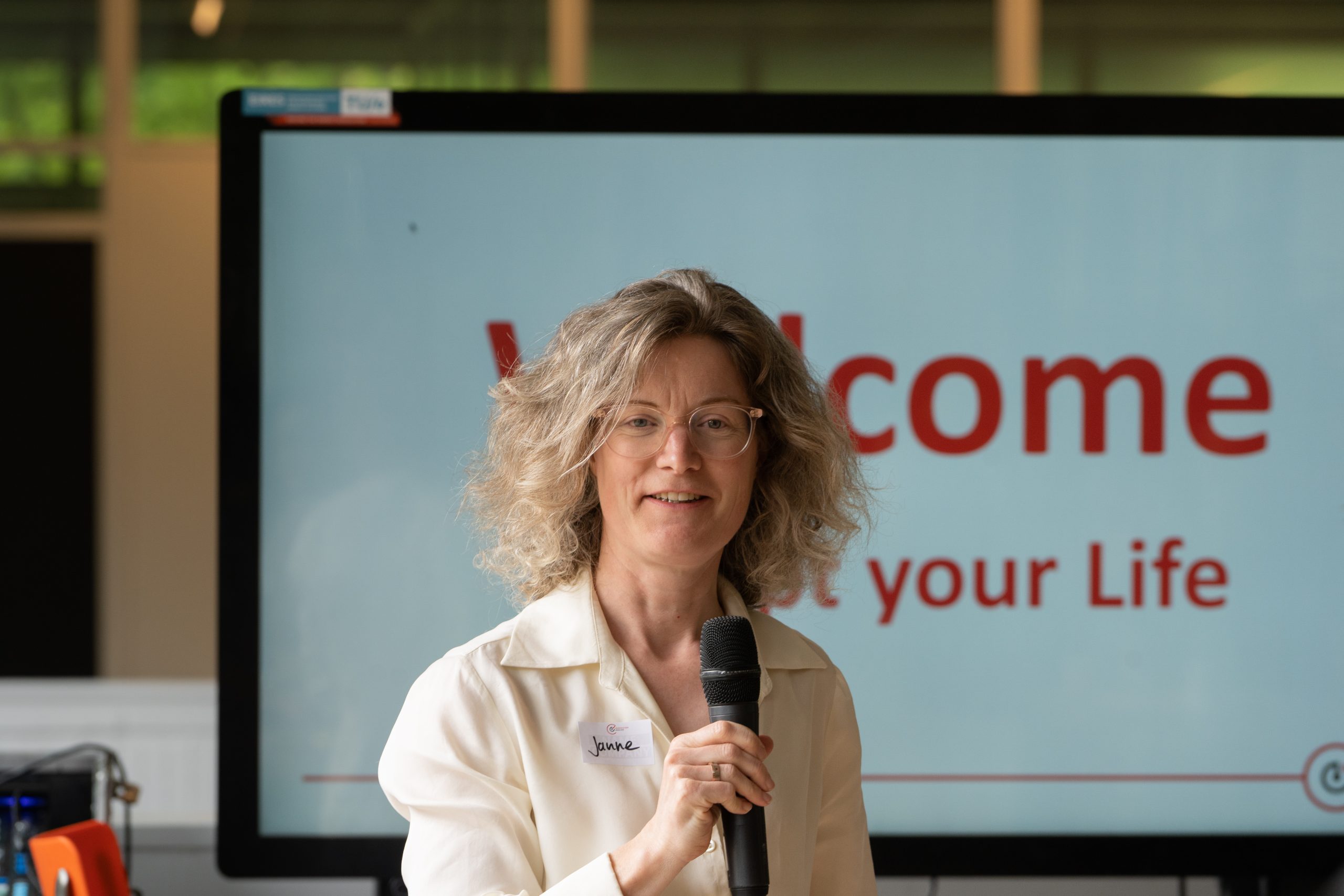
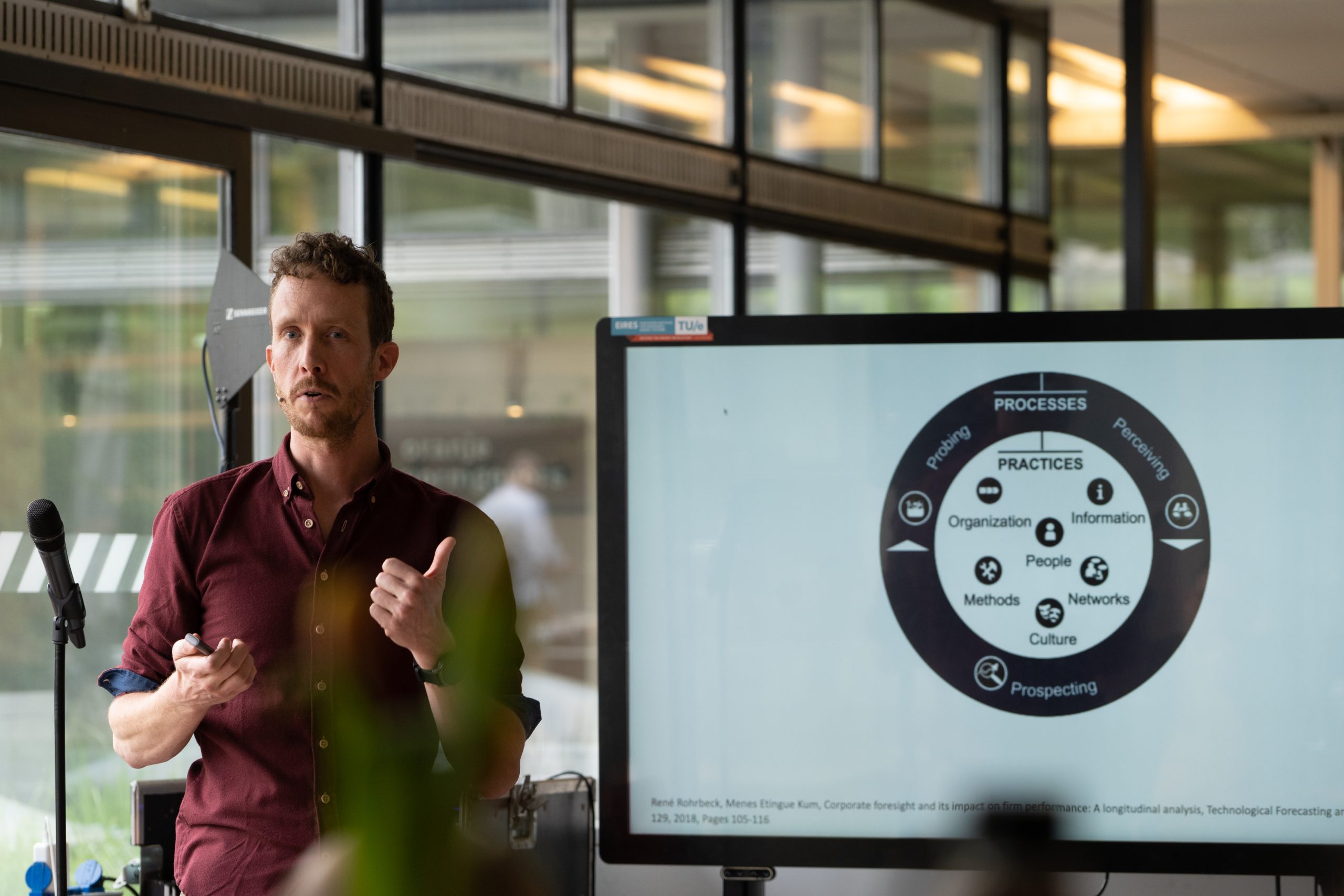
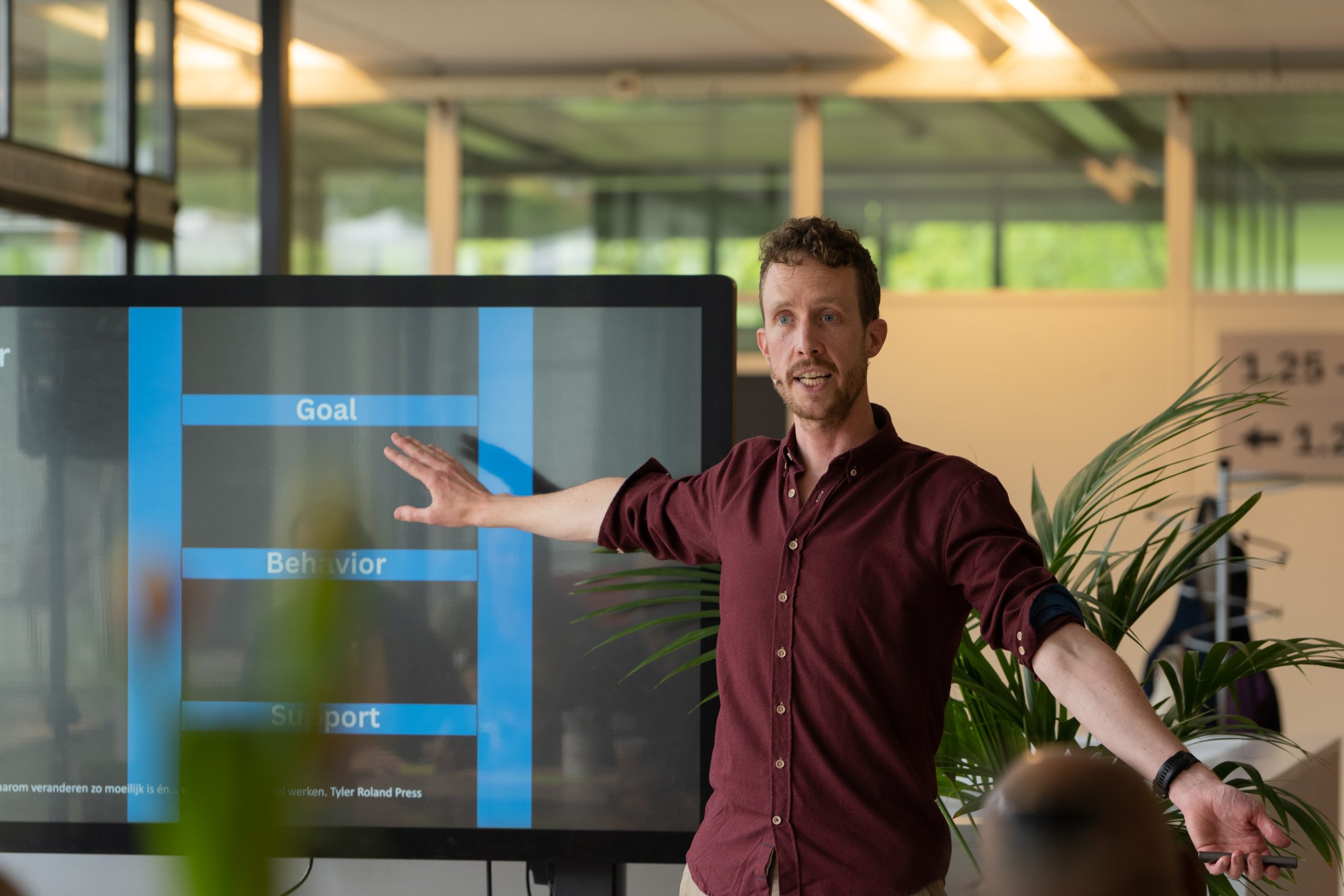
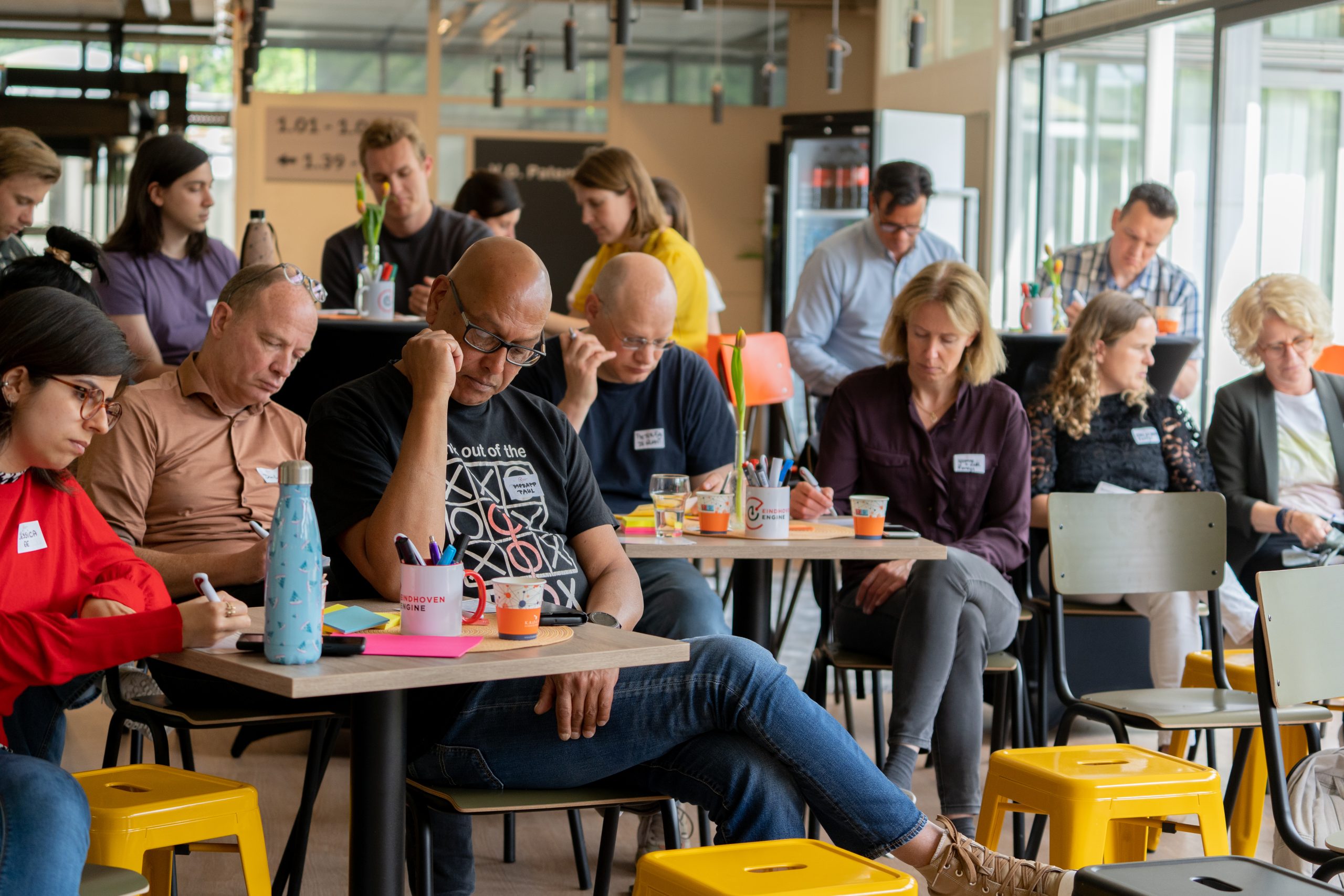
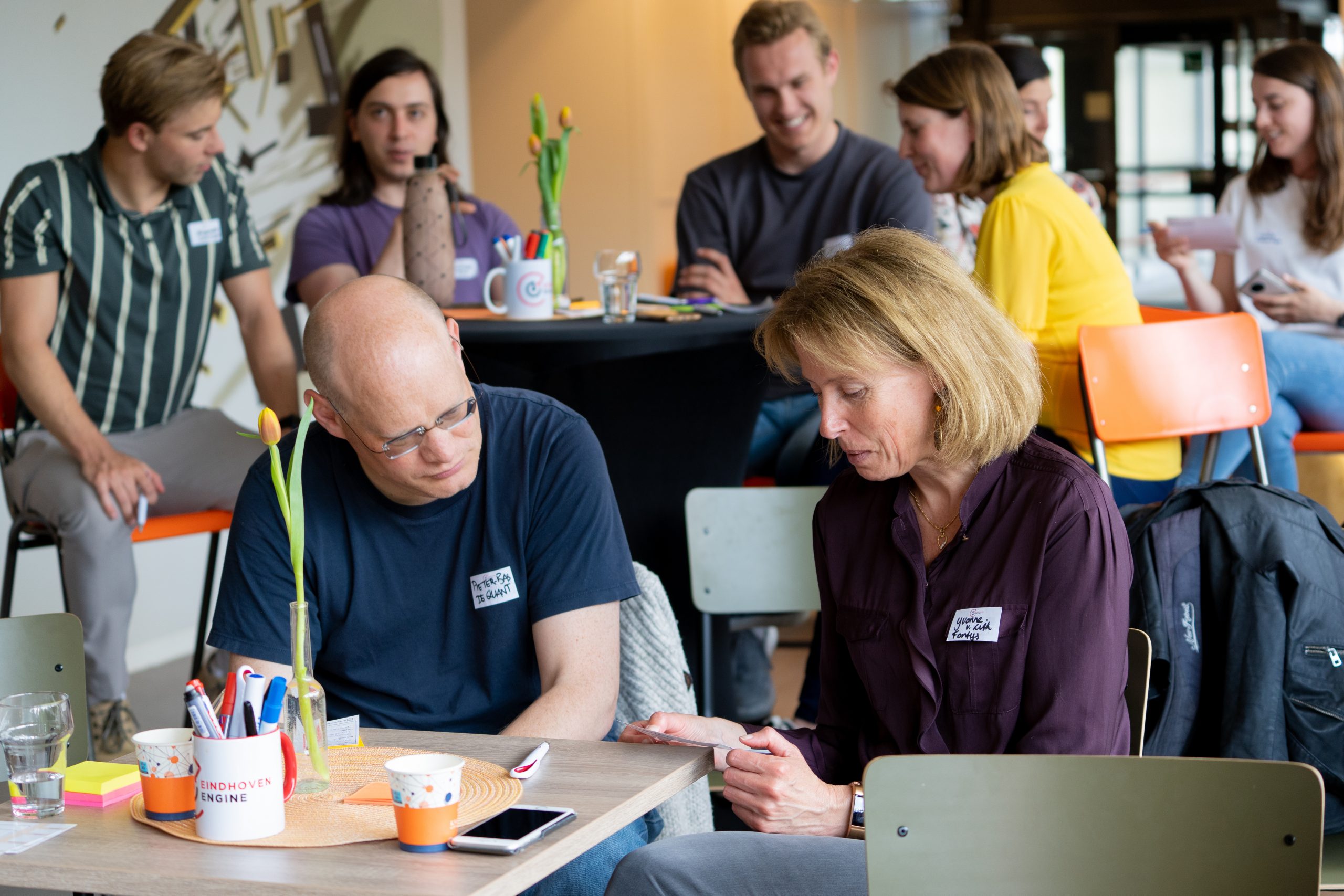
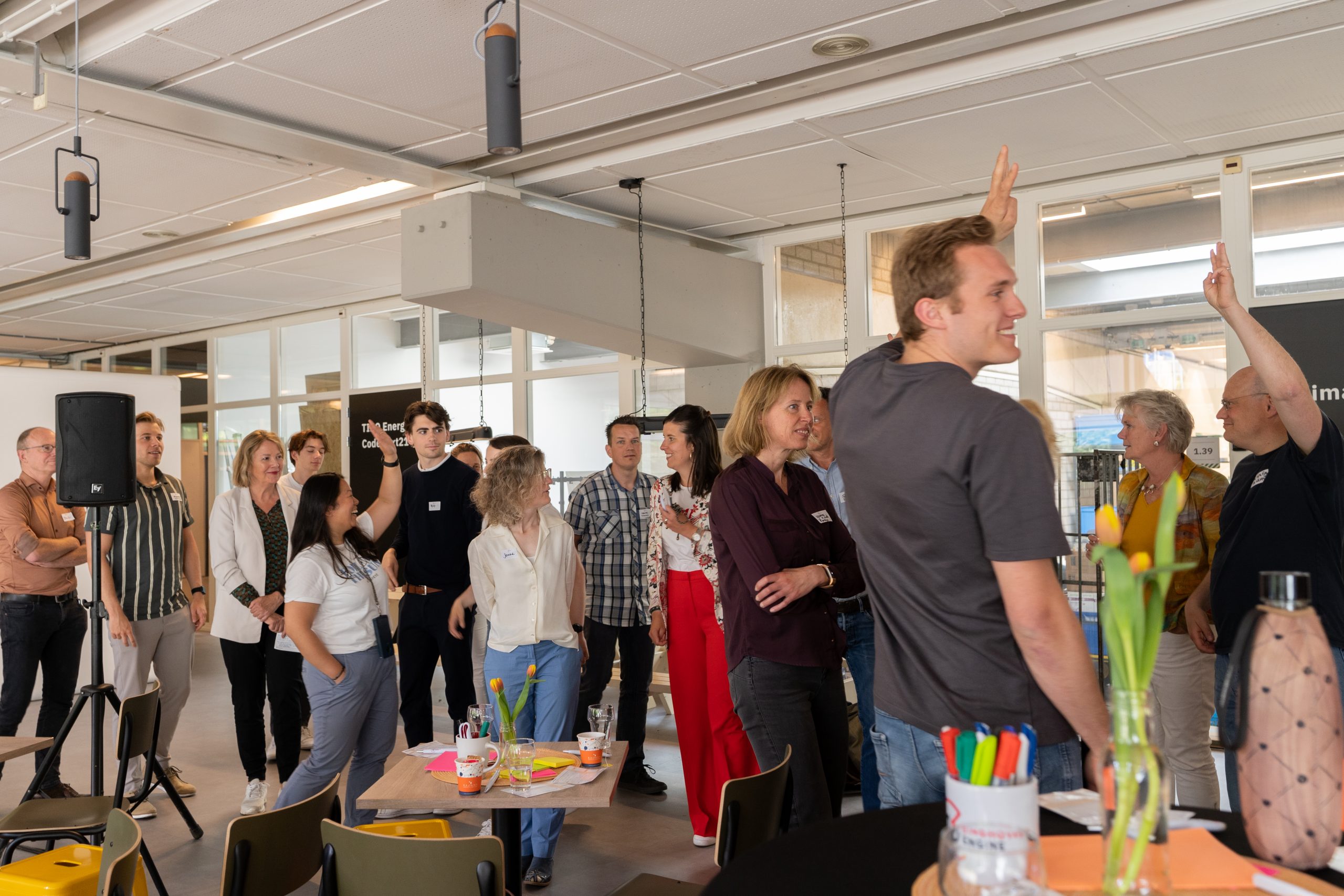
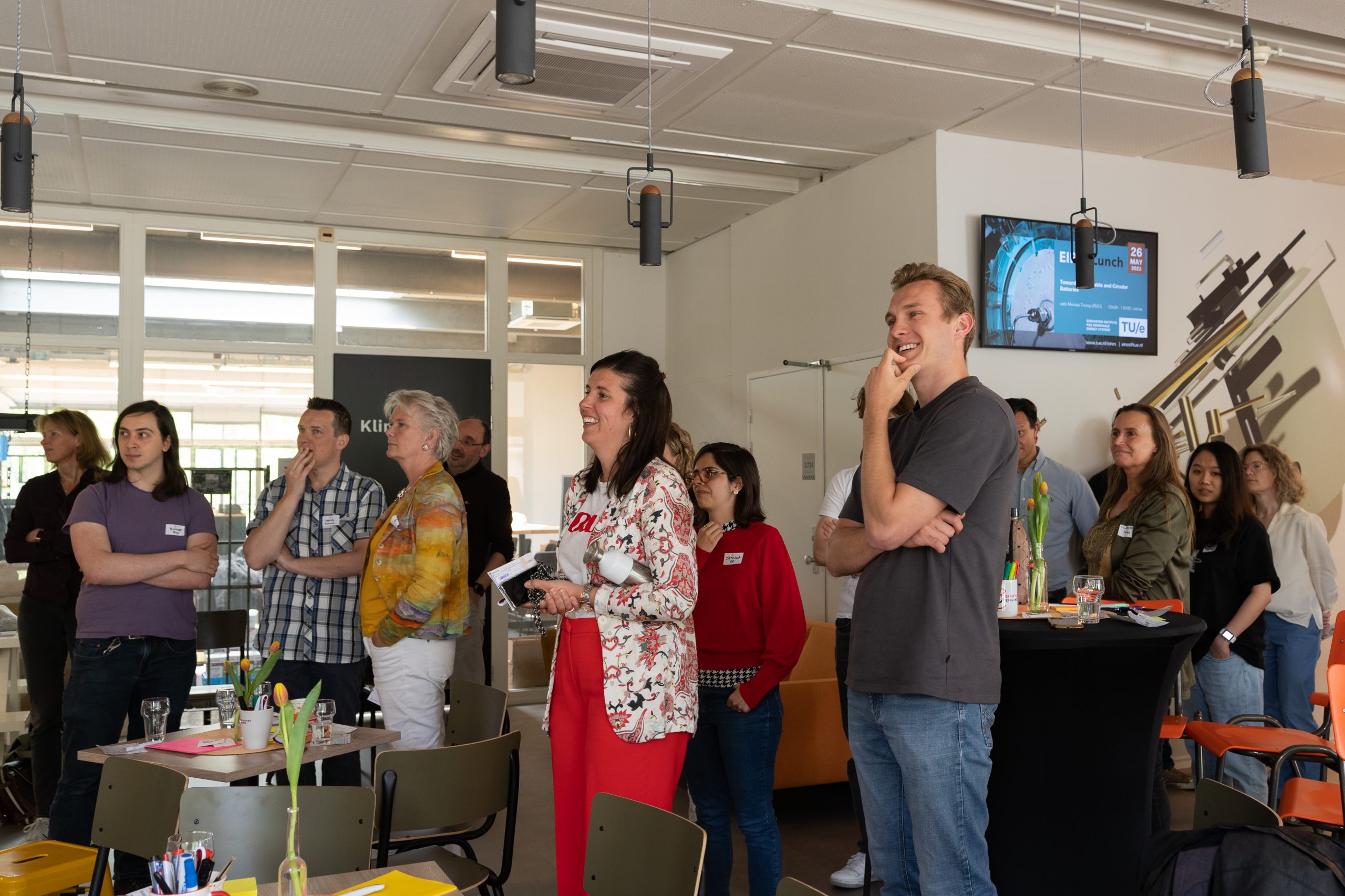
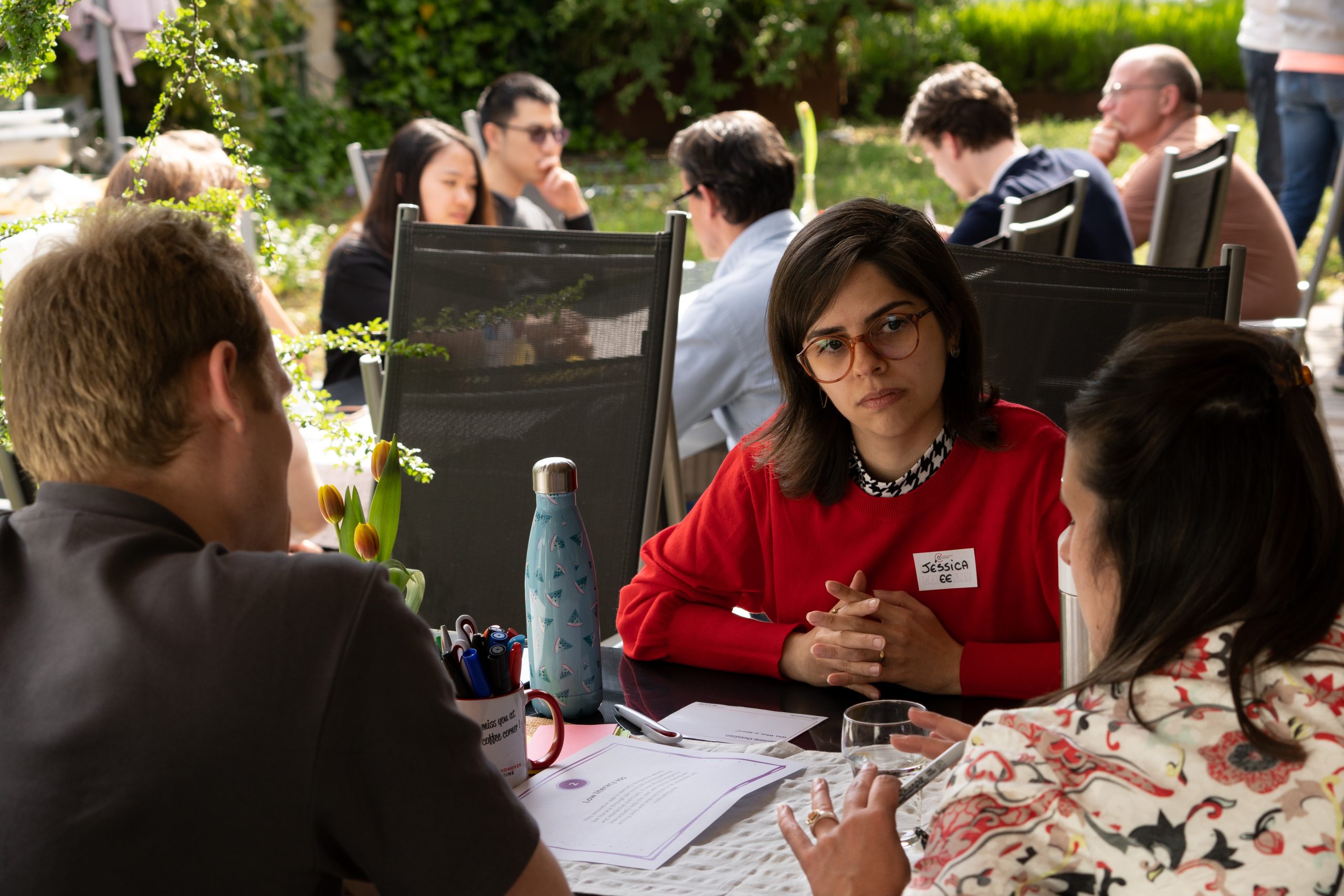
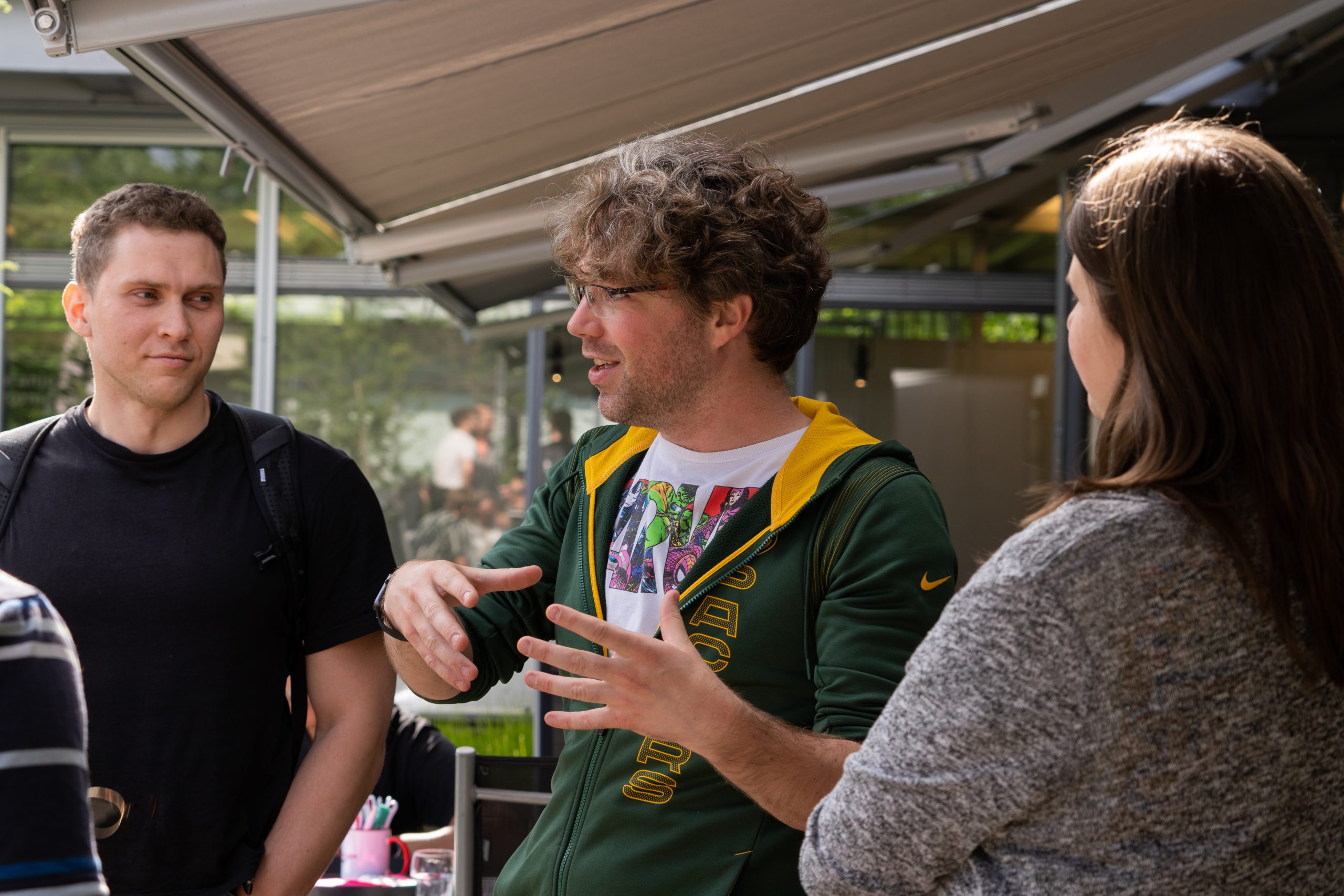
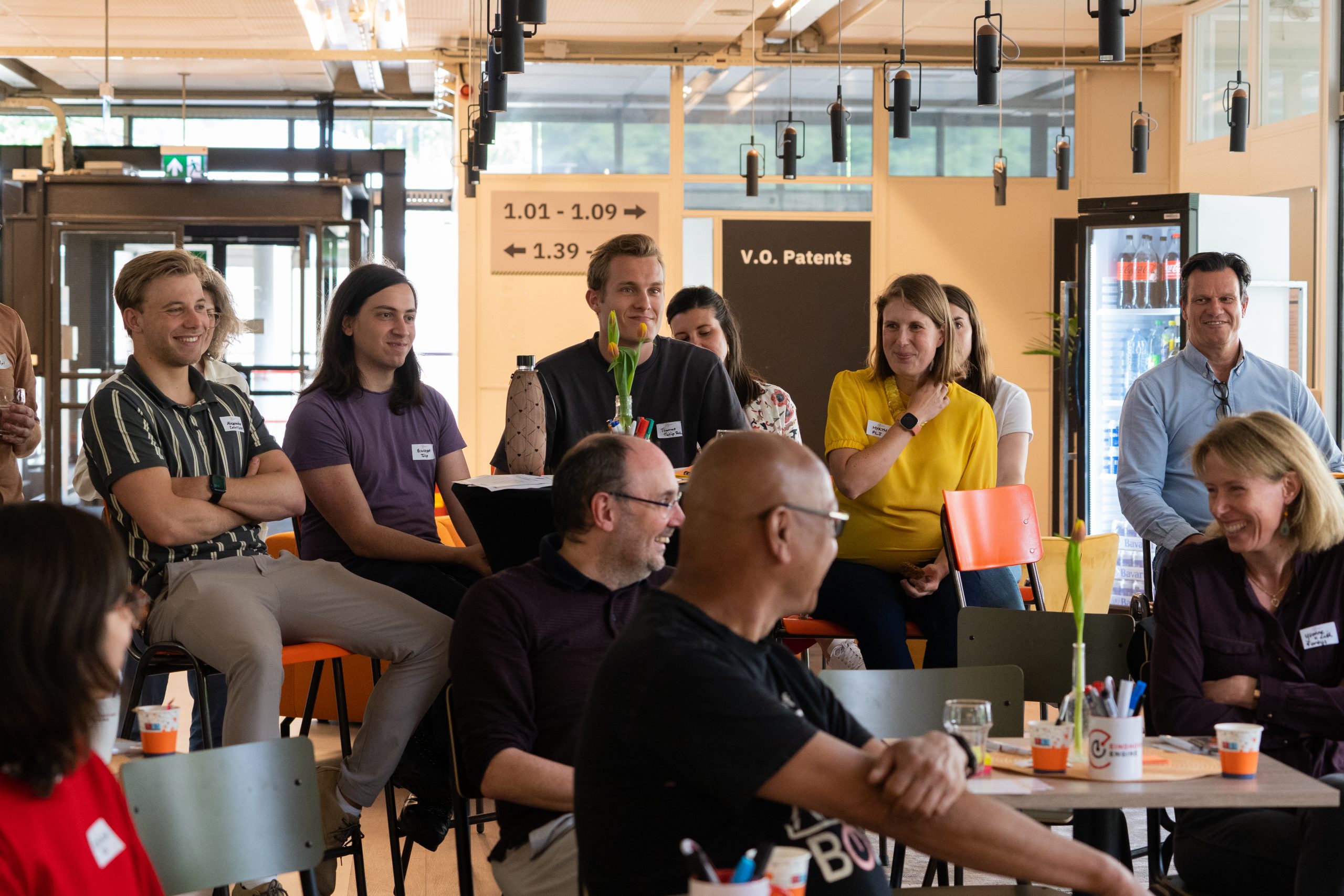
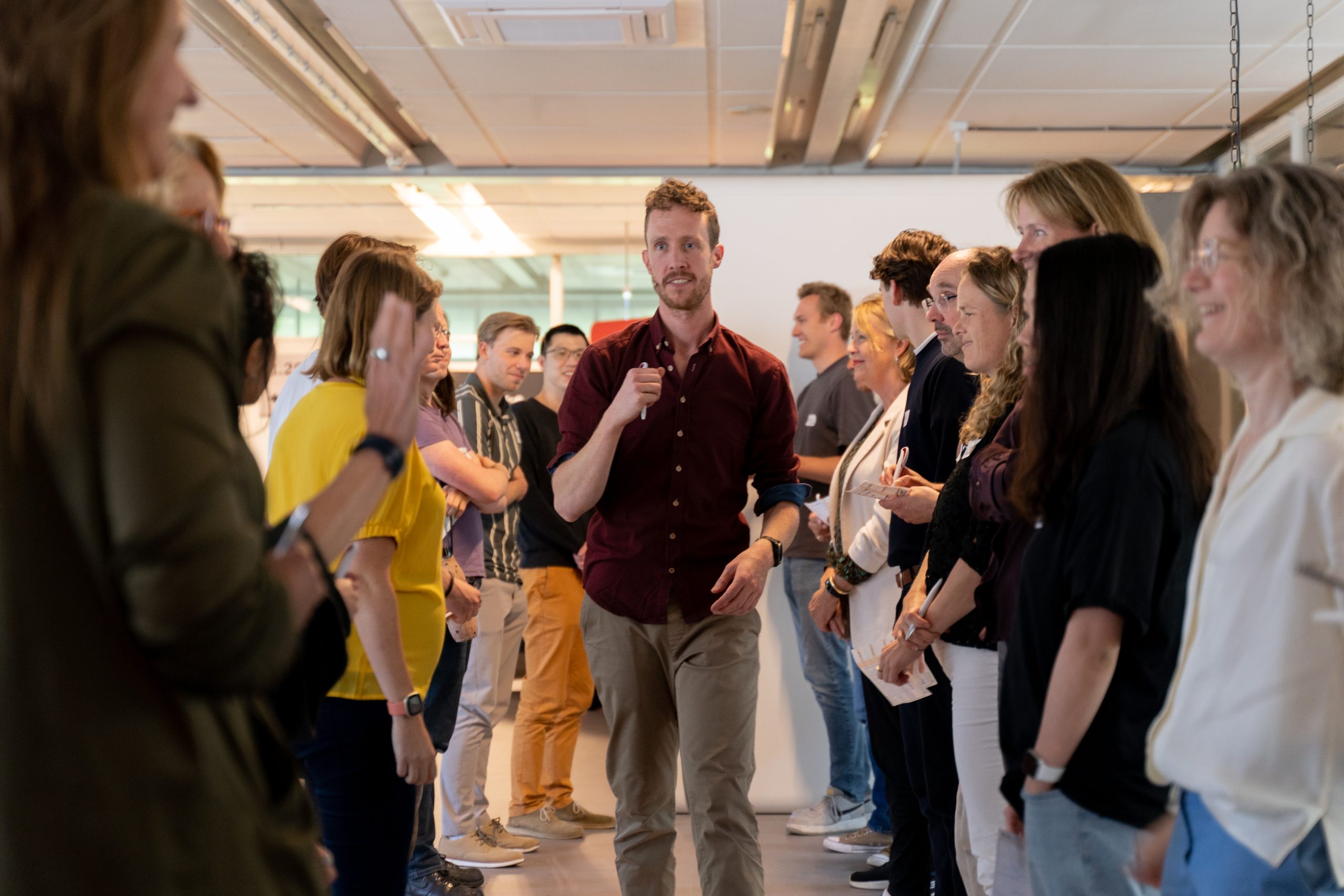
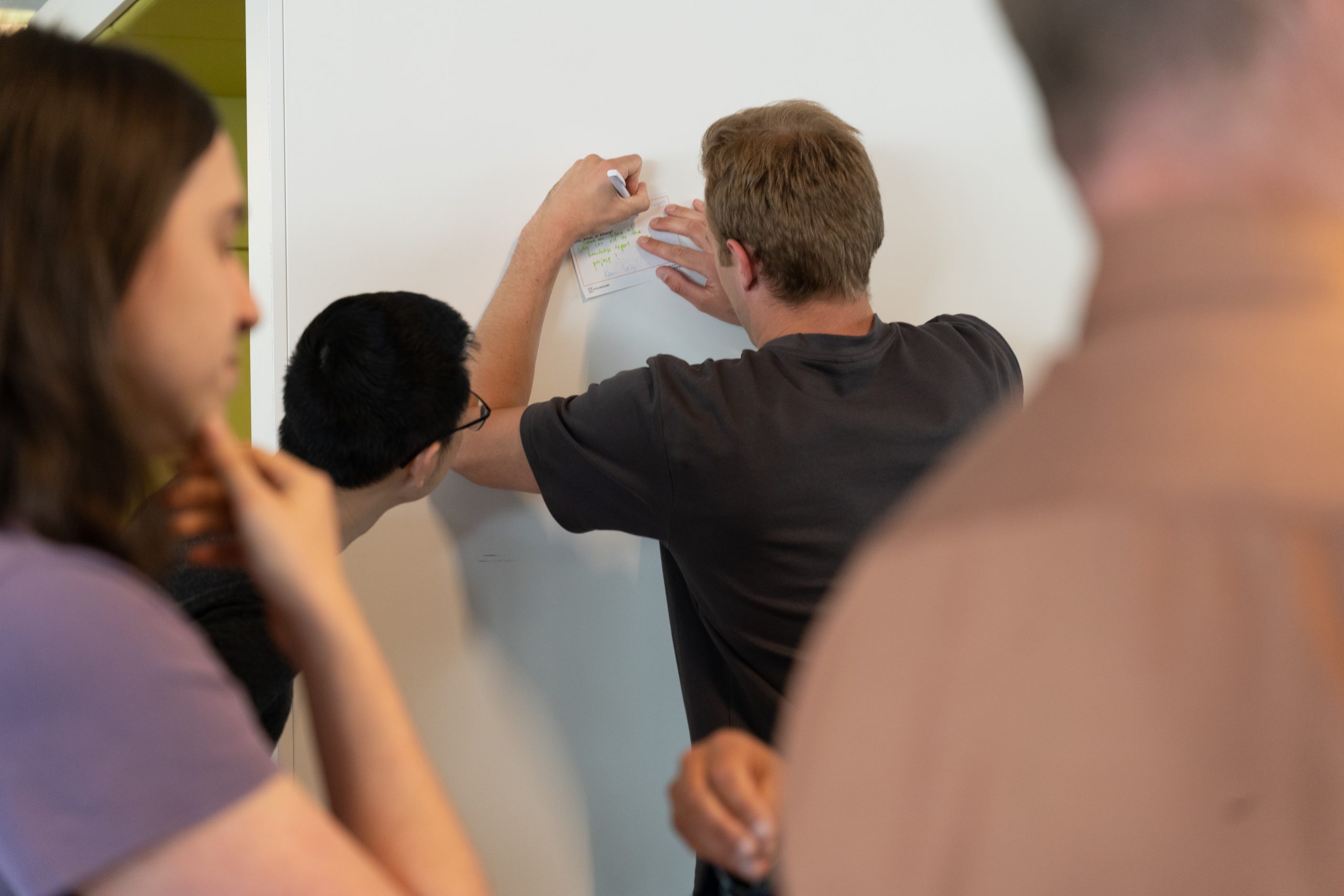
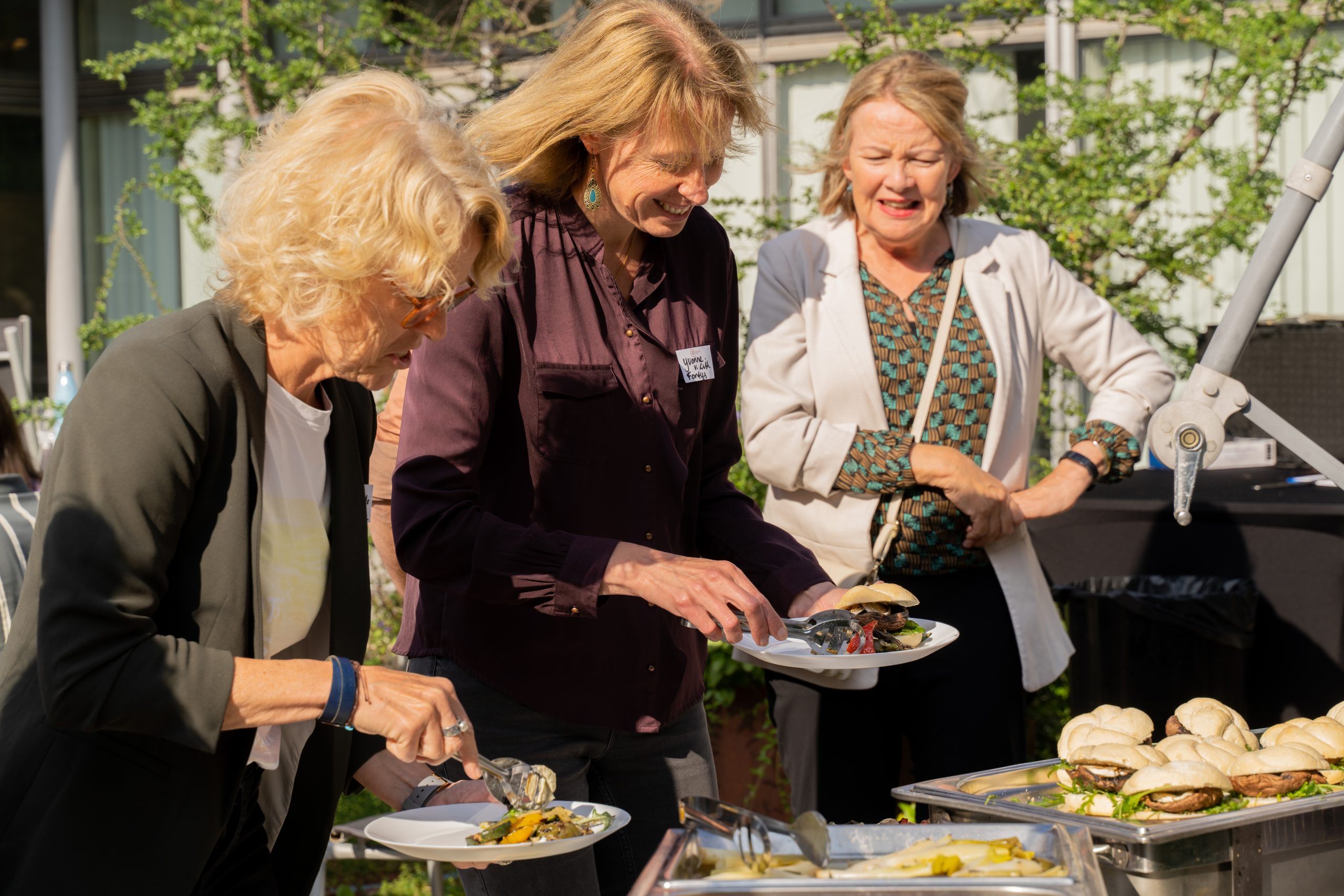
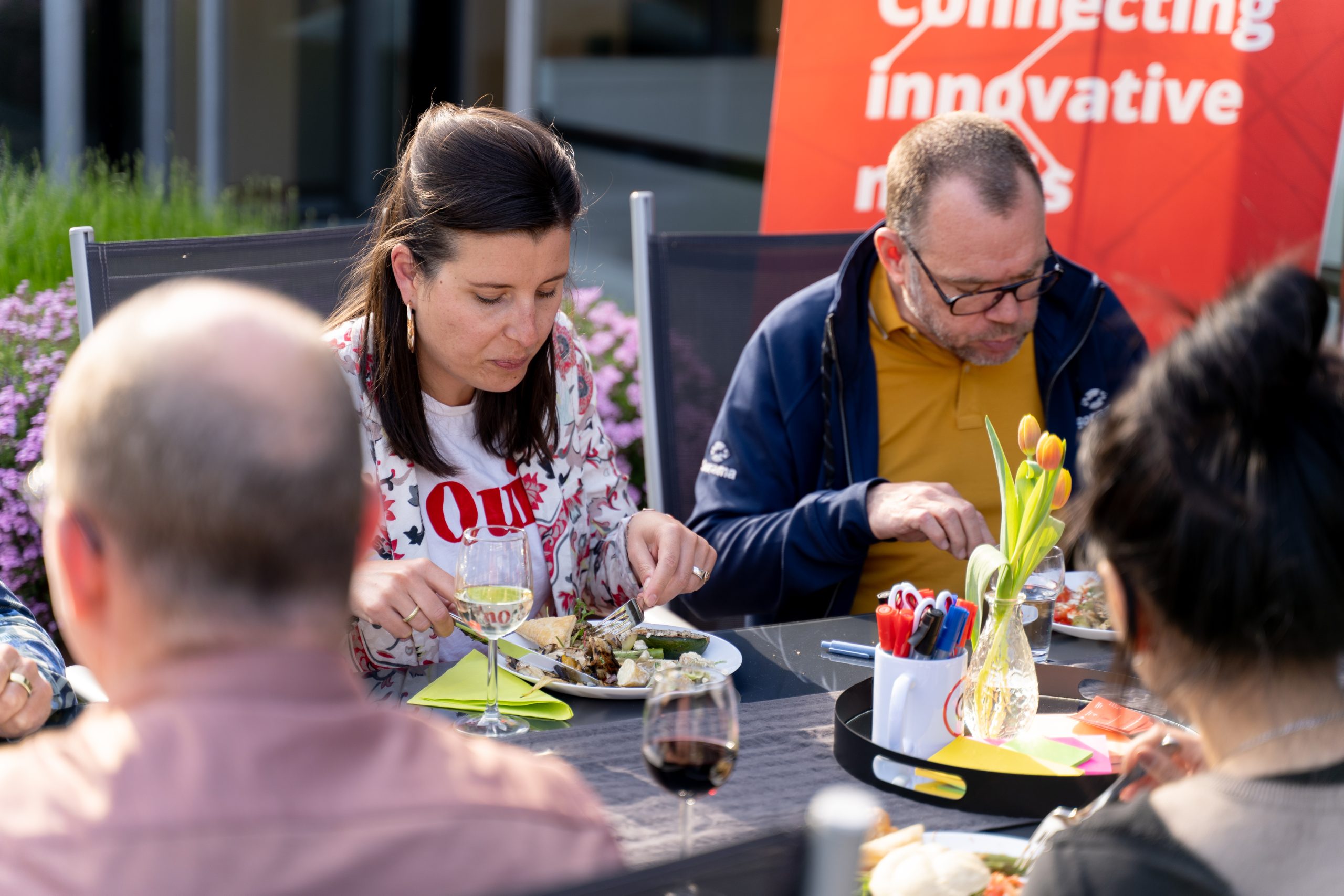
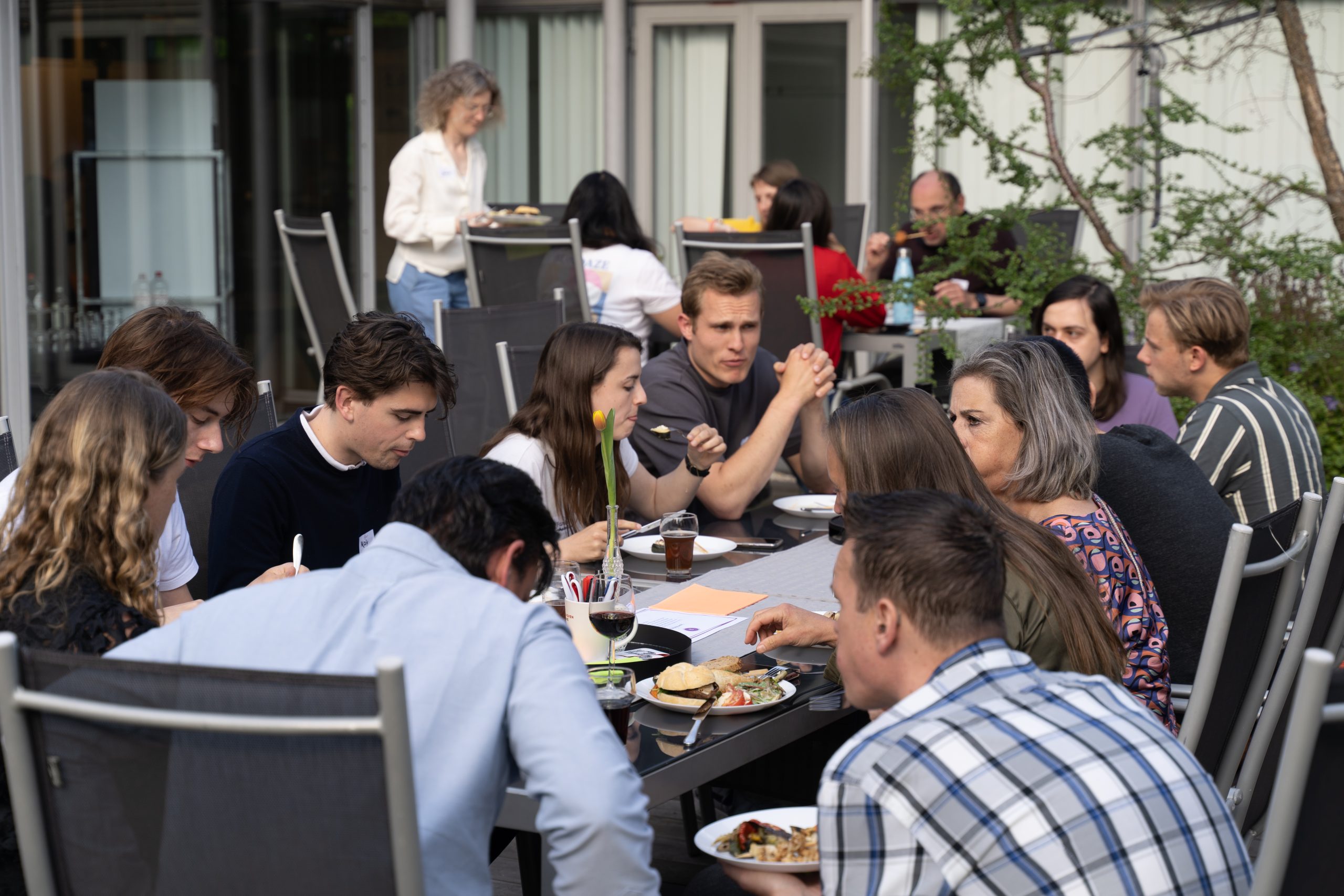
Eindhoven Engine’s Disrupt Your Life series
In this series you will be inspired and encouraged to become more disruptive in your daily life, both in your private and professional life. It will bring new ways of thinking and acting.
Keep an eye on our social media for the next Disrupt your Life!
Using technology to tackle low literacy
Hi, I’m Jessica Goss and, as a visual designer, I have always dedicated my efforts, creativity and abilities to developing something meaningful for people, using my knowledge to make people’s lives better. With that in mind, after I finished my master’s degree, I developed a mobile game with the COVID-19 pandemic as the background.
The experience of creating a mobile game that had such success in my home country of Brazil made me think that maybe this could be the right path for me: finding a way to put together my skills and my desire to change people’s lives through design. That was one of the reasons that led me to apply for an EngD position at TU/e to work in the Emergence Lab at Eindhoven Engine on Low Literacy and the Future of Work projects.
Focus within low literacy
Nowadays, almost 2.5 million people are low literate just in the Netherlands and this number is increasing over time. It is known that there are different types of literacy, but we are focusing on reading and writing abilities since these are the main forms of communication and access to knowledge in contemporary society. On top of that, there is a shortage of teachers for all these people, so we should use technology such as Artificial Intelligence, digital games and social media to tackle this problem. However, low literacy, as you might imagine, is a complex problem. Choosing a traditional way of designing is not the right decision.
I have always dedicated my efforts, creativity and abilities to developing something meaningful for people, using my knowledge to make people’s lives better.
Using design thinking
Up to this moment, I have been studying in order to better understand this issue, following design thinking steps as an approach. At the same time, I am learning how to develop a way of thinking that is systemic and takes into account the complexity of this wicked problem. I am being supported by an excellent team of teachers and I believe that the EngD program is helping me to have access to the latest research in AI interaction and user experience, guiding me to become a more human and complete designer. Regarding the language (you might be asking yourself), since I don’t speak Dutch (yet), I am following interviews by Dutch students with the target group to get information on how we can develop a solution that really will help them.

Finally, my next steps will be developing a prototype to be tested with the target group until the end of the year and then making the necessary changes to adapt to their needs. Also, I wish to extend this project to my home country and – why not? – more countries.
Eindhoven Engine News – May 2023
In this edition of Eindhoven Engine News: Innovator Jesper Pilmeyer in the Spotlight, Using technology to tackle low literacy, Project VIPNOM welcomes Devansh Kandpal and more!
What else is happening at Eindhoven Engine?
Disrupt your Life serie no.1 : Thrive in a Rapidly Changing World
Last Thursday, May 25, renowned futurist and biohacker Peter Joosten showed us how to thrive in a rapidly changing world. In this context, we have worked on: how to change behavior, how to do your storytelling, and how important and fun it is to be part of an ecosystem.
To move forward in your project, at some point you might find yourself with a question you don’t have an answer to yet. In this session we learned that through one or two contacts in your ecosystem you can already help you move forward!
“I envision this configurator as something we will use here at Sorama to configure our products for different settings, for example smart stadiums, busy streets and probably more.” Devansh’s prior educational experiences include a BSc in Computer Science & Engineering from Punjab Engineering College, Chandigarh, India, and a MSc in Sound and Music Computing from Aalborg University Copenhagen, Denmark. He has also worked in various IT roles with firms like JPMorgan Chase, Shell and Bosch.

“I’m glad to be a part of this exciting setup here in Eindhoven,
and I look forward to meeting you soon!”
Devansh Kandpal I EngD trainee VIPNOM project
Disrupt your Life serie no.1 : Thrive in a Rapidly Changing World
Last Thursday, May 25, renowned futurist and biohacker Peter Joosten showed us how to thrive in a rapidly changing world. In this context, we have worked on: how to change behavior, how to do your storytelling, and how important and fun it is to be part of an ecosystem.
To move forward in your project, at some point you might find yourself with a question you don’t have an answer to yet. In this session we learned that through one or two contacts in your ecosystem you can already help you move forward!
In 2019, I started my PhD, after which we initiated a clinical study called Neurotrend in collaboration with Philips and the epilepsy centre Kempenhaeghe. Neurotrend is one of the first Eindhoven Engine OpenCall projects.
Predicting the clinical outcome
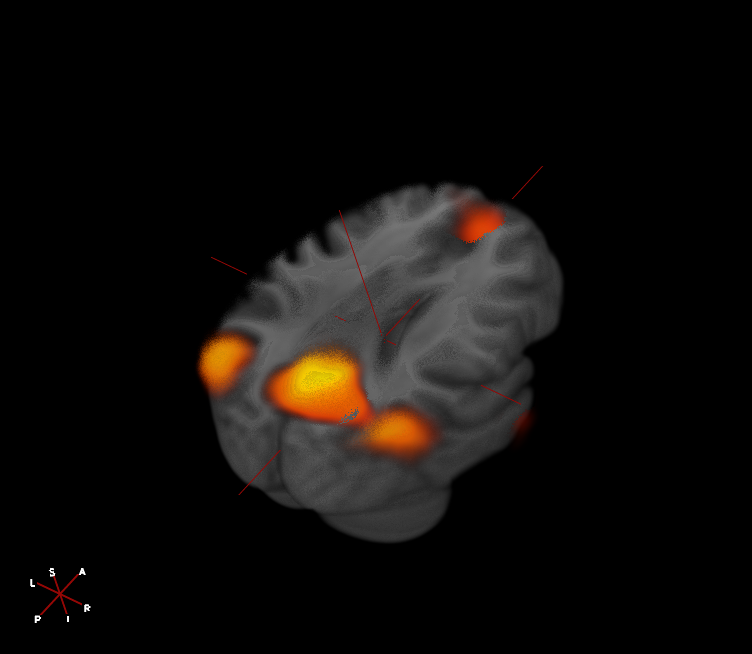
This study is aimed at predicting the clinical outcome (i.e., the course/development of a disease) of people with depression based on MRI scans. More specifically, we obtain structural, functional (activity) and vascular MRI scans of the brain of subjects with and without depression at the beginning of the study and after a year. During the one-year period, we monitor their depression symptoms and cognitive ability. In this way, we can predict how the depression will develop over time based on the first scans but also evaluate brain changes over a year and correlate this to symptom changes. The clinical study was ethically approved in 2021 and its data acquisition is almost finished at the time of writing.
Preliminary results
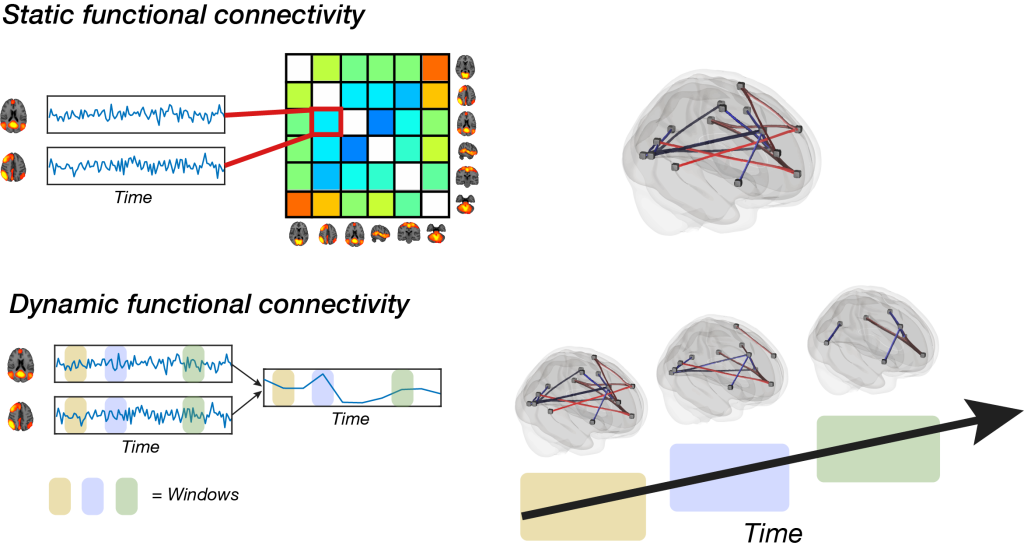
From the preliminary results, we can conclude that brain activity patterns and interaction between brain networks is time-varying and that including this neurodynamic nature in a model improves the prediction of depression symptom severity changes over time compared to more standard/static approaches (brain activity/synchronicity over the whole functional MRI scan). Moreover, we demonstrate that a relatively novel MRI acquisition method, called multi-echo multiband imaging, increases the functional MRI signal quality and improves, amongst other things, the temporal resolution. This is beneficial as it allows us to more reliably model network interactions. Another interesting finding was the fact that brain volume and tissue properties of several limbic structures, which are known to be involved in emotion processing, also have predictive value for clinical outcome in depression. A smaller amygdala (associated with fear processing) volume correlated significantly with a higher number of lifetime depressive episodes.
Improving the models and interpreting clinical meaning
In the last period of the PhD, I will focus on improving the models and interpreting the clinical meaning of these results, which will further help in understanding the aberrant brain mechanisms in subjects with depression. We hope to show other researchers the direction in which we think future MRI studies related to psychiatric disorders should head. Taking into account the complex, dynamically interactive brain while implementing the aforementioned MRI acquisitions could lead to more replicative results, especially if carried out in studies with a larger sample size. Even though we will not yet be able to apply these models in the clinic to support (still subjective) clinical decision-making, we are contributing significantly to existing depression-related MRI research. We have demonstrated the potential of state-of-the-art analyses and acquisitions in combination with a multi-modal MRI-based longitudinal study for depression diagnosis/prognosis purposes.
Disrupt your Life serie no.1 : Thrive in a Rapidly Changing World
Last Thursday, May 25, renowned futurist and biohacker Peter Joosten showed us how to thrive in a rapidly changing world. In this context, we have worked on: how to change behavior, how to do your storytelling, and how important and fun it is to be part of an ecosystem.
To move forward in your project, at some point you might find yourself with a question you don’t have an answer to yet. In this session we learned that through one or two contacts in your ecosystem you can already help you move forward!
Eindhoven Engine News – May 2023
In this edition of Eindhoven Engine News: Innovator Jesper Pilmeyer in the Spotlight, Using technology to tackle low literacy, Project VIPNOM welcomes Devansh Kandpal and more!
What else is happening at Eindhoven Engine?